



Vintage Yorkshire Countryside Art
Vintage yorkshire countryside art captures the rugged dales and quiet farms of northern England through oil and watercolour.
Vintage Yorkshire Countryside Art
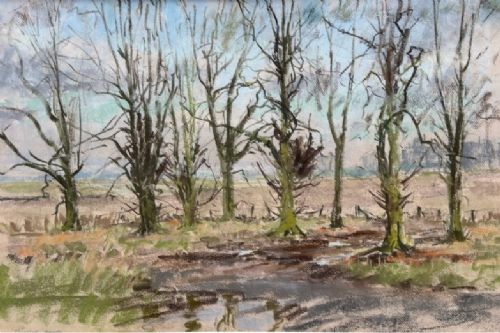
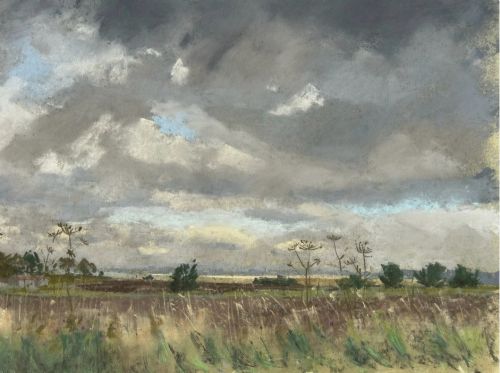
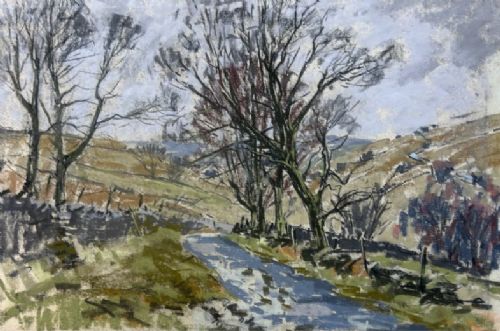
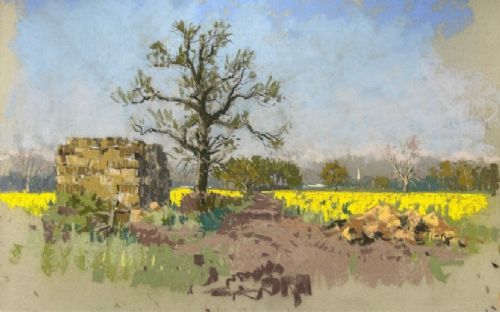
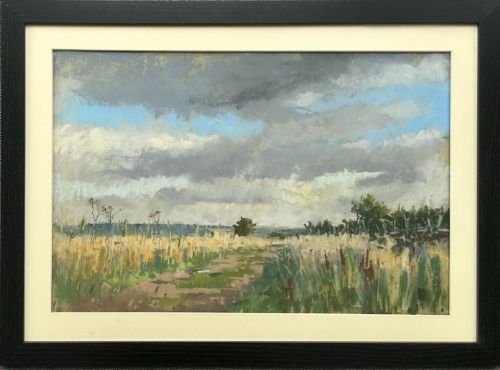
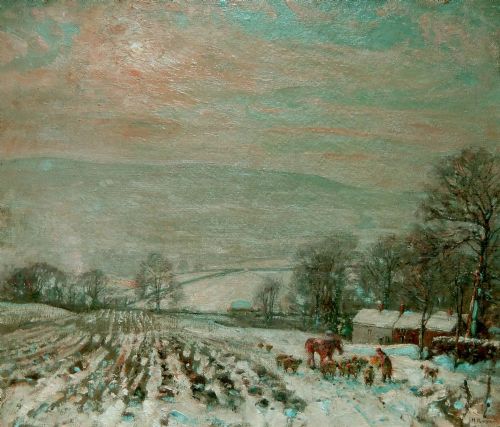
Vintage yorkshire countryside art encompasses framed watercolours, pastels, and oil paintings depicting northern landscapes, river valleys, and moorland scenes. These works capture specific locations such as Wharfedale, Wensleydale, and local farmsteads under changing seasonal lights. Buyers encounter pieces spanning from the Victorian era through the mid-twentieth century, created within distinct regional artistic traditions.
The selection on this page relies heavily on early twentieth-century oil paintings and mid-century pastels depicting local topography. Works range from intimate pastoral watercolours to larger oil canvases on board and canvas, charting the changing agricultural and rural views of the region.
How They Were Made
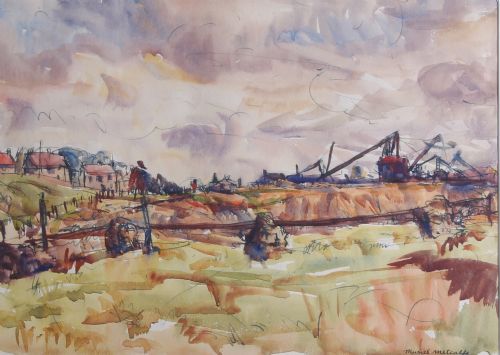
Artists painted primarily in oil and watercolour, applying pigments to stretched canvas, wooden panels, heavy paper, or prepared board. Oil paints allowed for textured impasto and rich layering to capture winter skies and moorland vegetation, while watercolours offered fluid transparency for damp river valleys and atmospheric skies.
Pastel drawings on paper utilised dry pigments to build vibrant surfaces, frequently capturing rapid atmospheric shifts in the Yorkshire Wolds and dales. Framing often involved traditional wooden mouldings that protected the delicate paint or paper surfaces while completing the composition.
Vintage Yorkshire Countryside Art Retail Price Guide 2026
Typical asking prices for vintage yorkshire countryside art among the pieces listed under this phrase on Sellingantiques today, from the lower quarter to the upper quarter. They describe what is for sale here now, not the wider market.
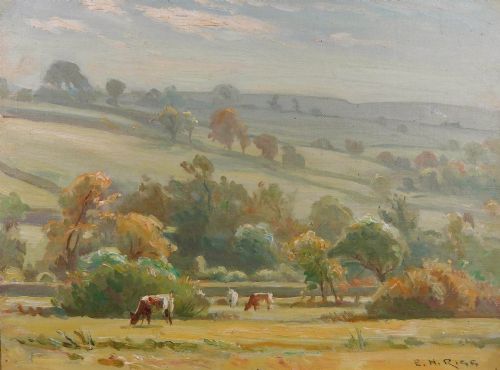
Several sheep found permanent grazing pastures inside these frames.
What Varies In Quality
Quality rests upon the artist's handling of light, brushwork confidence, and the immediacy of the observation. Superior works demonstrate a assured command of tone and atmospheric perspective, capturing the distinct chill of winter or the warmth of evening light across the dales without heavy-handed execution.
The relationship between the medium and the subject matter dictates the success of a piece. Stronger examples utilise the specific properties of oil or watercolour to convey texture in stone walls, fleece, and foliage rather than relying on formulaic formulas for landscape painting.
Angus Rands·Herbert Royle·Muriel Metcalfe·Ernest Higgins Rigg·Cuthbert Crossley·Reginald Grange Brundrit·George Graham·Owen Bowen·Florence Hess·William Joseph Boyes·John Frederic Greenwood·Kershaw Schofield·Rowland Henry Hill·Peter Jackson·James L. Brooke·Frederick William Jackson·Fred Lawson·William Greaves
The Vintage Yorkshire Countryside Art Glossary
- Canvas
- A heavy woven fabric stretched across a wooden frame to serve as a sturdy support for oil paintings.
- Watercolour
- A paint consisting of water-soluble pigments applied to paper, valued for translucent washes and luminosity.
- Pastel
- A medium formed of powdered pigment combined with a binder, pressed into stick form for drawing directly onto paper.
- Impasto
- Paint applied thickly to a canvas or board, leaving visible brush or palette knife marks that catch the light.
Vintage Yorkshire Countryside Art: Frequently Asked Questions
What periods do these paintings cover?
The available selection spans from the Victorian period through the nineteen-sixties, capturing rural England across several decades.
Most pieces date from the early twentieth century up to the middle of the century, reflecting active periods of British regional painting.
Are these artworks signed by the artists?
Many examples feature artist signatures or inscriptions detailing specific locations on the front or reverse of the work.
Signatures help attribute pieces to notable regional painters active across Yorkshire during the twentieth century.
What materials were used by these painters?
Artists utilised oil paint on canvas, board, and panel, alongside watercolour and pastel on paper supports.
These varied mediums allowed painters to capture different atmospheric effects, from heavy winter snows to luminous summer pastures.
How should I frame and display these works?
Most pieces arrive framed, often in traditional wooden mouldings suited to early and mid-century British landscape paintings.
Display them away from direct sunlight to protect watercolours and pastels from fading over time.