






Original Artwork Dales Landscape
An original artwork dales landscape captures the rugged valleys and rivers of Yorkshire through the eyes of regional painters working across several decades.
Original Artwork Dales Landscape
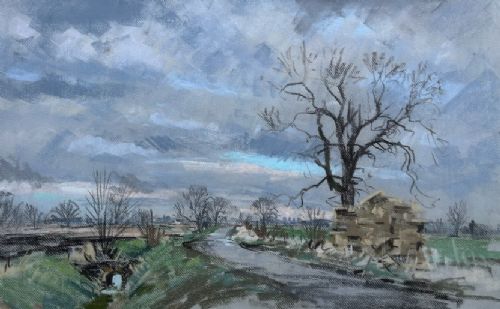
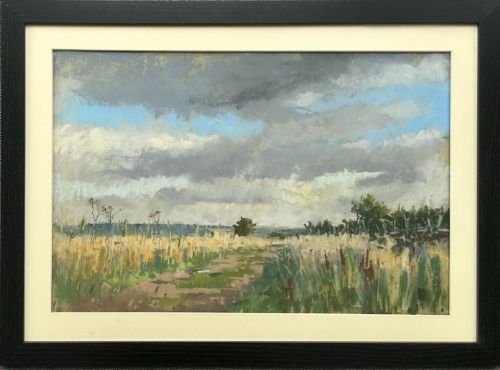
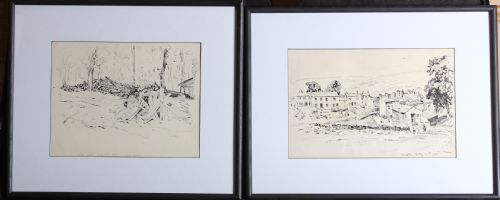
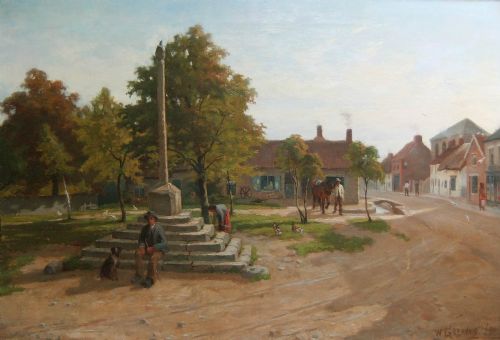
An original artwork dales landscape represents a direct encounter with the topography, rivers, and stone barns of Yorkshire. These pieces emerge from regional artistic traditions spanning from the Victorian period through the mid-twentieth century.
Buyers encounter watercolours, pastels, and oil paintings created by notable British painters. The selection frequently includes works by artists such as Fred Lawson, Ernest Higgins Rigg, and Herbert Royle, capturing specific locations like Wensleydale, Swaledale, and Wharfedale.
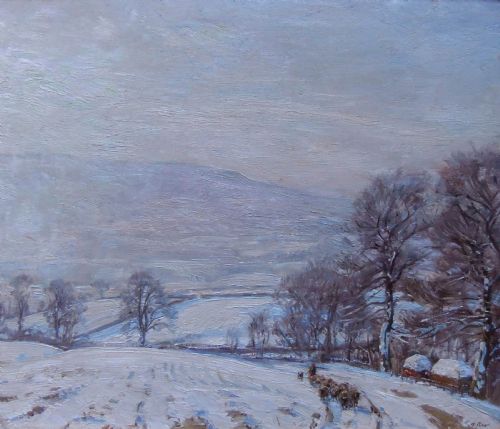
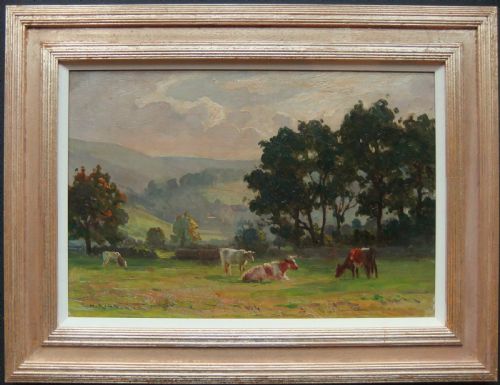
The common thread across these works is a dedication to the local scenery under varying seasonal conditions, from winter snow scenes to evening light. Each piece functions as an individual record of the Yorkshire countryside during the nineteenth and twentieth centuries.
Materials and Techniques
Painters utilised oil paint applied to canvas and board to build textured, durable depictions of Yorkshire light and weather. Watercolour and ink on paper offer a more fluid register, recording swift impressions of rivers and atmospheric skies.
Pastel drawings introduce soft colouration and distinct line work, often preserved directly from artist studio portfolios. Support materials range from traditional primed canvas to heavy art paper and stretched boards.
Original Artwork Dales Landscape Retail Price Guide 2026
Typical asking prices for original artwork dales landscape among the pieces listed under this phrase on Sellingantiques today, from the lower quarter to the upper quarter. They describe what is for sale here now, not the wider market.
Several winter scenes record Yorkshire landscapes through heavy snow, proving that past artists braved the freezing dales just for a good view.
Distinctions in Quality
Quality rests upon the artist's ability to render light, atmosphere, and local architecture with distinct character. Works by established Royal Academicians or regionally prolific painters display a more confident handling of pigment and composition.
Condition and preservation of the original medium also determine distinction, where works retaining their unblemished pigments and original framing present a superior historical record.
Angus Rands·Fred Lawson·William Greaves·Arthur Reginald Smith·Reginald Grange Brundrit·John Frederic Greenwood·Herbert Royle·Ernest Higgins Rigg·Walter H. Allcott
The Original Artwork Dales Landscape Glossary
- British Impressionism
- A style of painting focused on natural light and loose brushwork, adopted by many regional landscape artists of the early twentieth century.
- Watercolour
- A paint consisting of pigment suspended in a water-based solution, frequently utilised on paper for landscape sketches.
- Pastel
- A dry painting medium in the form of a stick, made of powdered pigment and a binder, used for direct drawing.
- Ghyll
- A steep-sided ravine or mountain stream, frequently depicted in Yorkshire landscape art.
Original Artwork Dales Landscape: Frequently Asked Questions
What periods do these landscapes cover?
The available artworks span from the late nineteenth century through the mid-twentieth century, capturing shifting regional styles.
Most pieces originate from the early decades of the 1900s up to the nineteen-fifties.
Which specific Yorkshire locations appear most often?
Artists frequently recorded well-known dales including Wensleydale, Swaledale, Wharfedale, and specific landmarks like Castle Bolton.
Rural farmsteads, local rivers, and winter snow scenes form the primary subjects of these compositions.
How should I frame and display works on paper?
Watercolours and pastel drawings require conservation framing with acid-free mounts to protect the paper from degradation.
Displaying them away from direct sunlight preserves the fugitive pigments often found in period watercolours.
Are these paintings signed by the artists?
Many examples feature original signatures by the artists, while others derive directly from verified studio portfolios.
Attributions are established through documented signatures, stylistic traits, and historical records of the painters' working locations.