


Original Paper Landscape Artwork
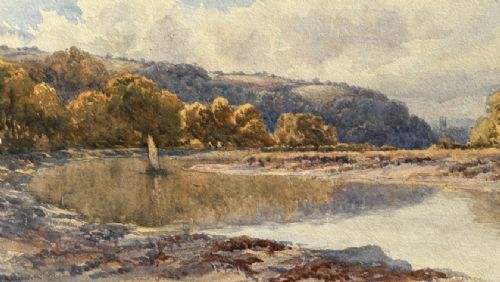
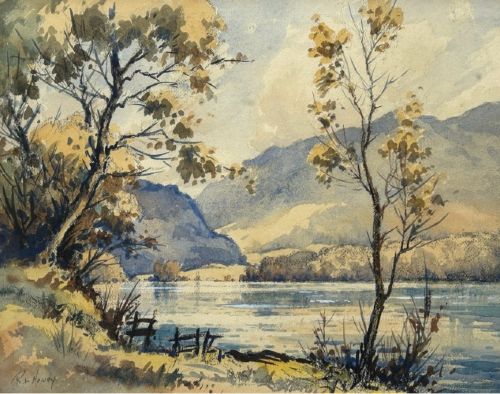
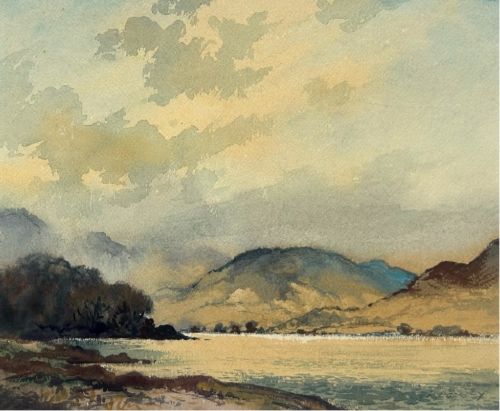
Original paper landscape artwork captures scenes on delicate supports, offering intimate views of natural and urban vistas through the hands of period makers.
Original Paper Landscape Artwork
Original paper landscape artwork encompasses works executed directly upon sheets of paper rather than canvas or panel. When searching for original paper landscape artwork, a buyer encounters a diverse selection ranging from nineteenth-century watercolours to mid-century British compositions.
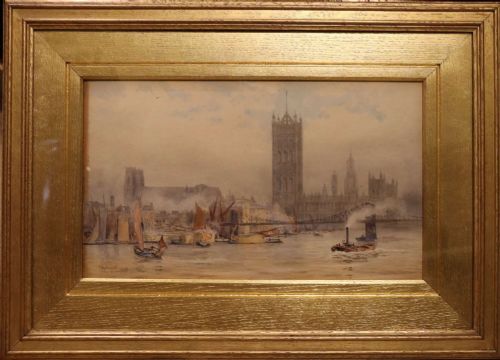
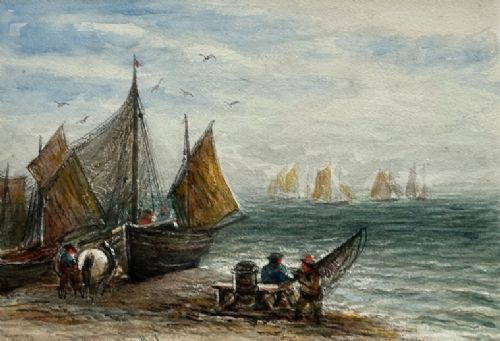
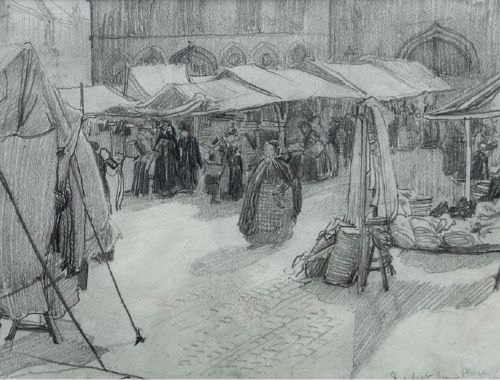
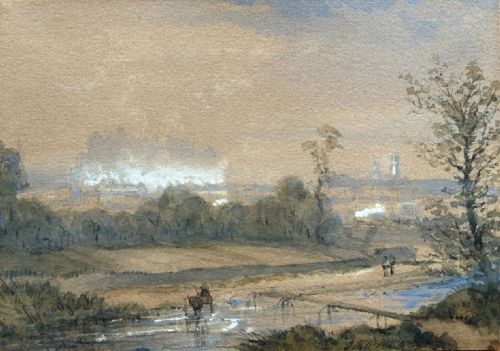
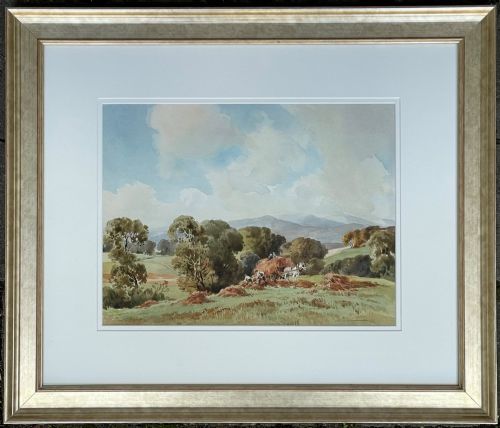
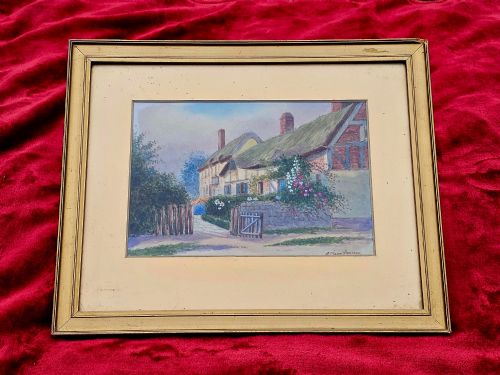
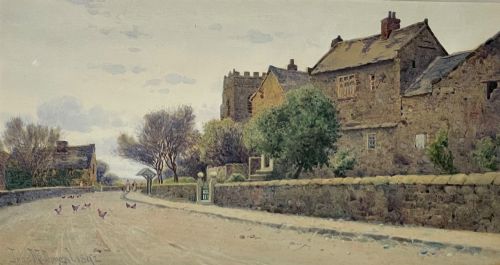
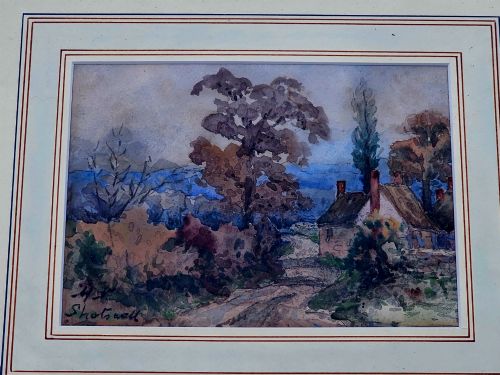
The pieces listed on this page span the Victorian and Edwardian eras through to the mid-twentieth century, capturing coastal views, pastoral fields, and urban riversides. Watercolour and pencil drawings dominate the selection, often framed behind glass to protect the sensitive paper support.
Materials and Techniques
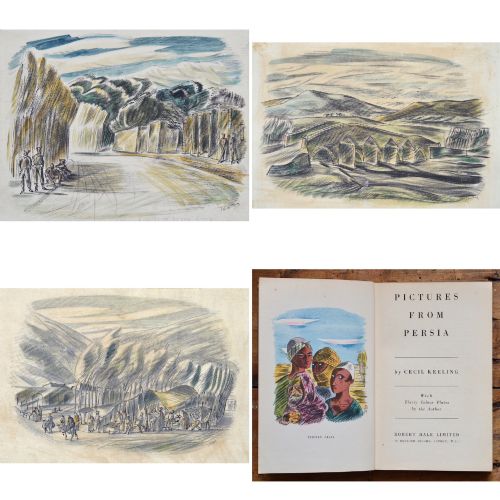
Artists applied watercolour pigment, ink, charcoal, and graphite directly onto paper sheets, utilising the absorbent quality of the material to build tone and depth. Many works combine media, layering pencil or ink lines beneath transparent washes of watercolour paint.
Supports range from heavy wove paper to textured sheets, sometimes mounted onto canvas stretchers or secured within period wooden frames under glass protection.
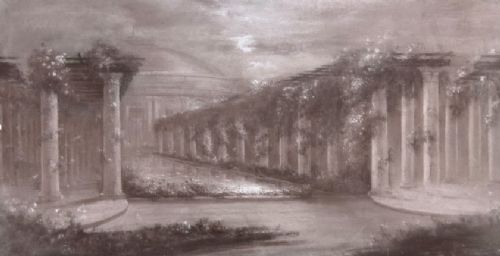
Artworks reflect various movements including British Impressionism, Victorian marine art, and early twentieth-century tonalism.
Factors of Quality
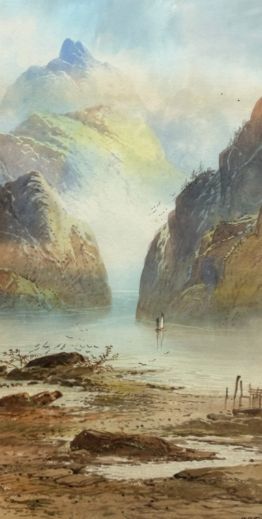
Quality rests upon the sureness of the draughtsmanship and the artist's economy of mark-making across the paper surface. Superior examples demonstrate a confident handling of light and atmospheric perspective, whether depicting Scottish lochs or urban canals.
The preservation of the paper support and pigment vibrancy heavily influences the standing of a piece, as does the integration of composition within the original mount and frame.
James Orrock·William Henry Earp·Henry Percy Huggill·John R Prentice·Alfred Young Nutt·Percy Lancaster·A. Marie Parsons·John McDougal·Robert Leslie Howey·James E. Aitken·William Joseph Boyes·Muriel Metcalfe·Fred Lawson·John Smith Atherton·Hector Caffieri·Richard Henry Wright·Thomas Maidment·Alfred G. Morgan·Russell Sidney Reeves·Étienne Baudet·Henry de Waroquier·Bonomi Edward Warren·William Matthison·Robert George Talbot Kelly·Shiro Katamatsu
The Original Paper Landscape Artwork Glossary
- Watercolour pigment
- Finely ground colour mixed with a water-soluble binder, applied in translucent washes to create luminous effects on paper.
- Graphite
- A form of carbon used in pencils, allowing artists to achieve fine lines and nuanced shading in landscape sketches.
- Wove paper
- A paper made on a wire mesh mould, resulting in a uniform texture without the ribbed lines typical of laid paper.
- Charcoal
- Compressed burnt wood used to produce deep, velvety black lines and expressive tonal gradients in atmospheric drawings.
Original Paper Landscape Artwork: Frequently Asked Questions
How should I display paper artwork?
Keep works on paper away from direct sunlight to prevent the fading of watercolour pigments and the yellowing of the paper support. Framing behind glass with proper conservation mount board protects the surface from atmospheric dust and moisture.
Ensure that the paper does not touch the glass directly, as trapped condensation can cause irreparable damage to the delicate medium over time.
What is the difference between a drawing and a watercolour?
Drawings rely primarily on dry mediums such as graphite, charcoal, or ink to define forms through line and tone. Watercolours utilise wet pigment applied in washes to build colour and atmospheric depth across the sheet.
Many period pieces combine both techniques, using ink or pencil outlines beneath transparent layers of watercolour paint.
How do I identify the period of a landscape?
Look to the stylistic markers of the composition, framing methods, and any visible artist signatures or dates inscribed on the paper. Victorian and Edwardian works often feature tonal palettes and traditional subject matter like pastoral fields or coastal shipping.
Mid-century pieces frequently display a freer application of medium and more expressive brushwork reflecting twentieth-century movements.
Are these pieces one-of-a-kind?
Every item listed is an individual, hand-drawn or hand-painted work created directly by the artist upon paper. Unlike printed reproductions, each piece bears unique brushstrokes, pencil marks, and variations inherent to original execution.
Artists occasionally produced paired studies or companion pieces, but each sheet remains a distinct physical object.