



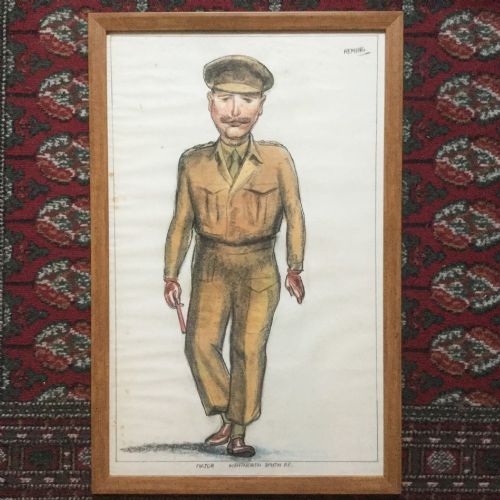
Framed Pastel Portrait
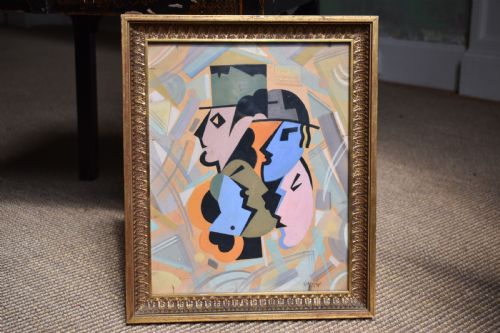
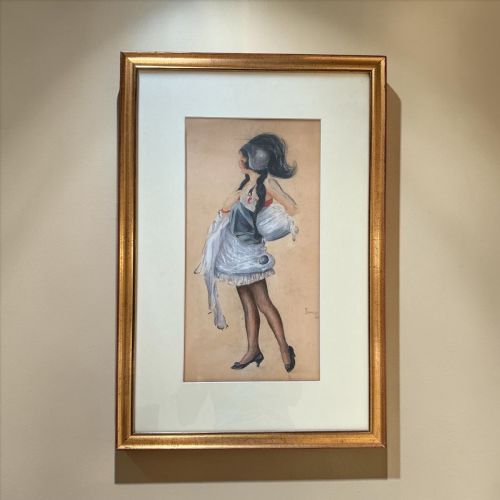
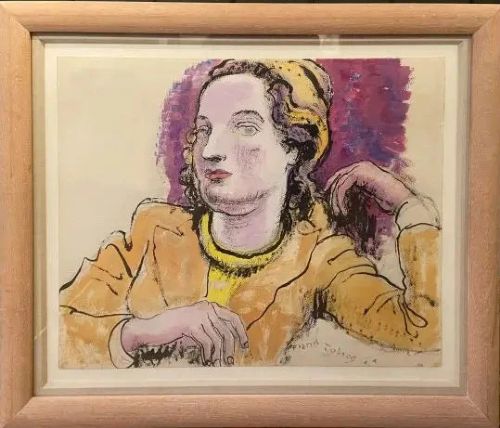
A framed pastel portrait captures sitter and pigment beneath glass, preserving eighteenth-century sitters and mid-century sketches alike in chalks.
Framed Pastel Portrait
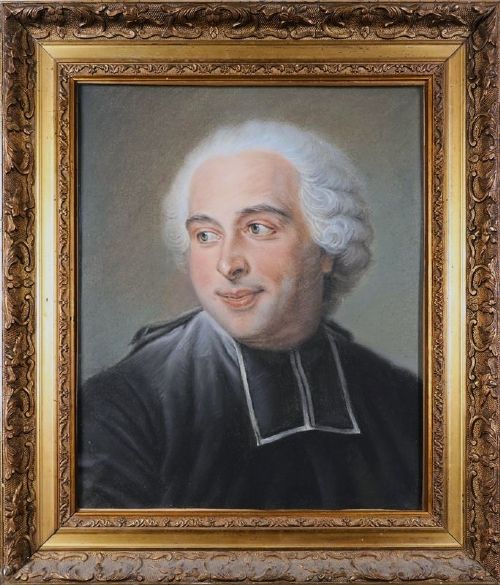
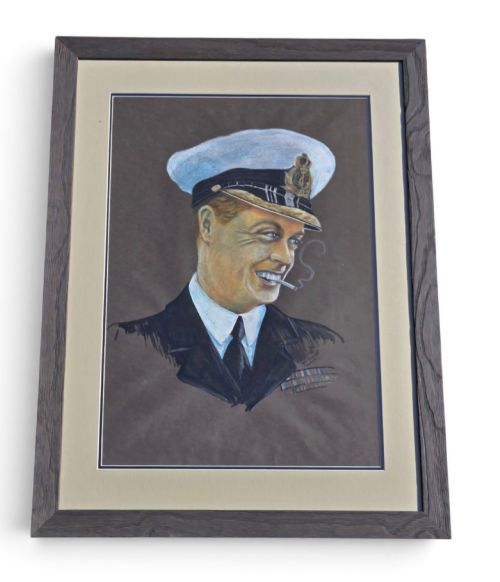
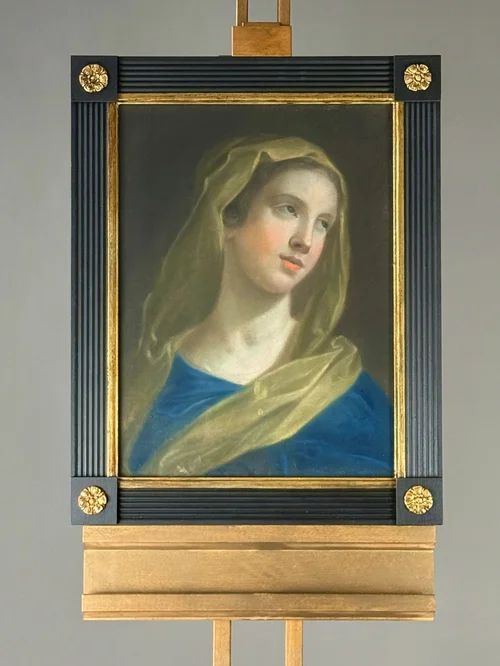
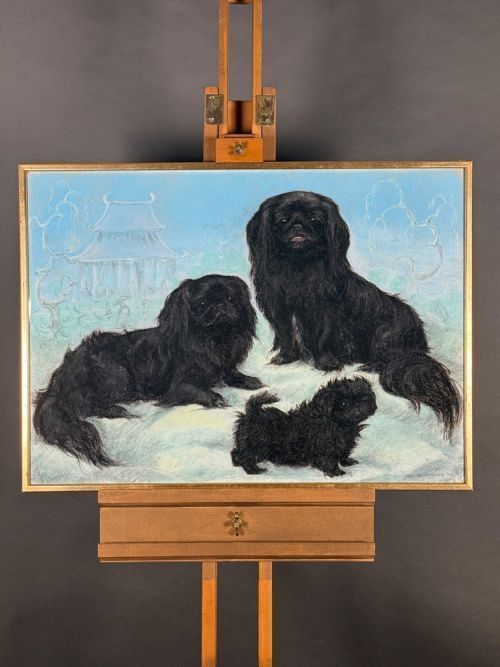
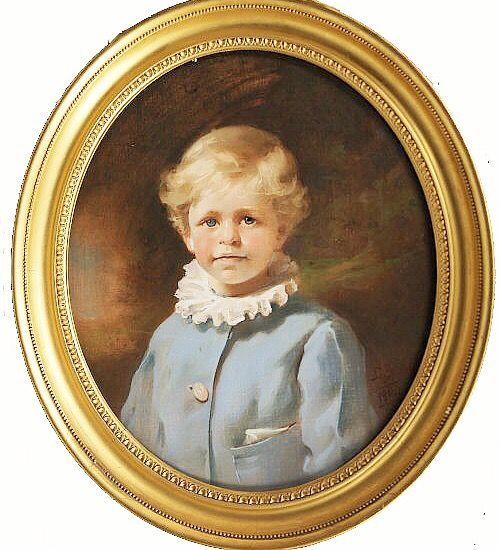
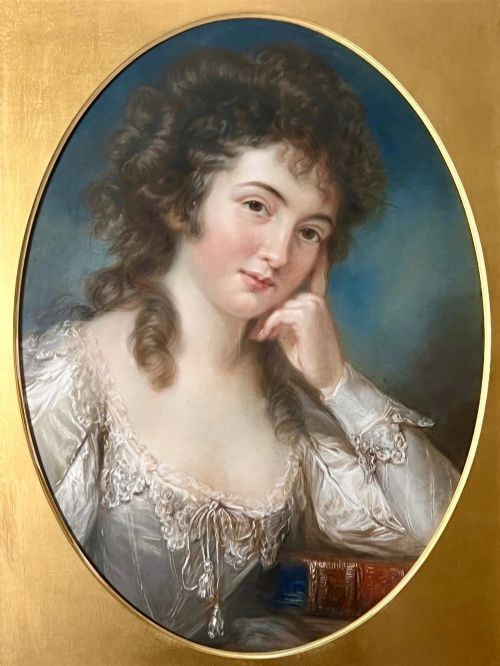
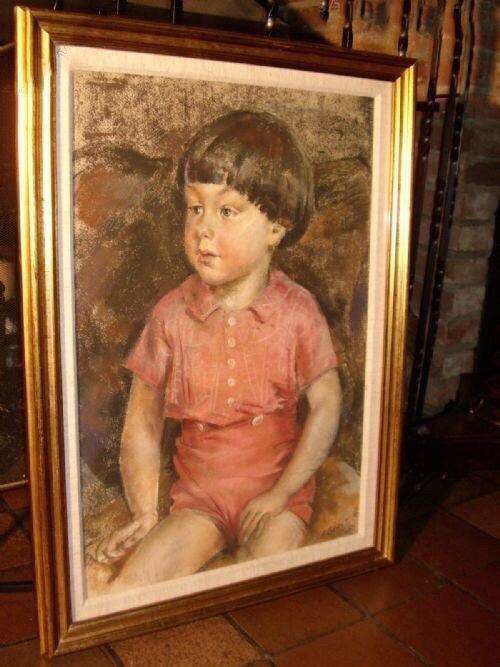
A framed pastel portrait represents faces, animals, and figures drawn in dry chalk pigments on paper or canvas, secured behind protective glass to prevent smudging. The selection ranges from eighteenth-century Georgian works and Victorian depictions of children and dogs to mid-century military sketches and animal studies.
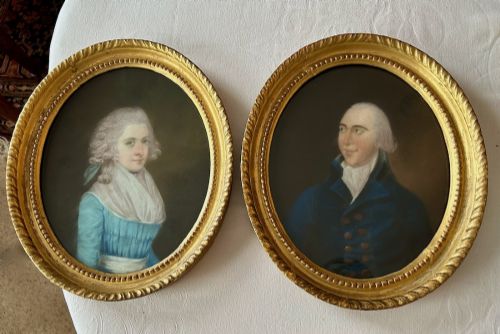
Buyers encounter single likenesses, pendant pairs of sitters, and miniature formats set within period frames of wood or giltwood. The subjects span named historical figures, royalty, military officers, and anonymous sitters rendered by named practitioners or regional French and British schools.
How they were made
Artists worked loose pigment sticks of pastel across textured paper or canvas surfaces, occasionally blending chalks with gouache, watercolour, or pencil markings to build depth and tone. Pastels achieve remarkable longevity when untouched by moisture, relying on the friction of the paper tooth to hold the chalk dust.
Makers housed these delicate drawings behind glass within bespoke wooden surrounds, frequently applying gilded mouldings to frame the composition. The physical survival of the piece depends entirely on this glazing, which shields the soft pigment from air movement and touch.
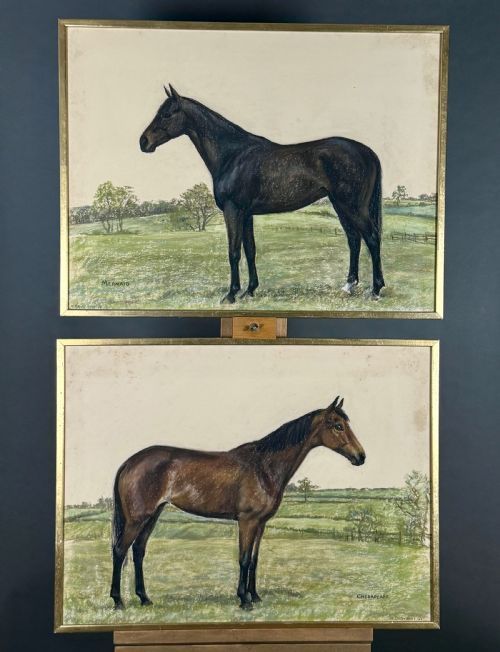
Listings feature works spanning from the eighteenth century through to the nineteen-sixties, incorporating military sketches and equestrian studies alongside formal human portraits.
What varies in quality
The distinction between ordinary and exceptional works rests on the draughtsmanship in capturing bone structure, expression, and fabric texture with minimal strokes. Superior examples display confident blending and anatomical precision rather than heavy, overworked chalk application.
Original period framing contributes significantly to the integrity of the piece, particularly where moulded giltwood enhances the visual weight of the drawing. Condition under glass, including the absence of foxing or pigment loss on the paper surface, dictates the overall standard.
James Sharples·Emily Eyres·Benedetto Luti·John Russell·Leon Sprinck·Robert Faulkner·John Raphael Smith
The Framed Pastel Portrait Glossary
- Pastel
- A dry painting medium consisting of powdered pigment and a binder rolled into sticks. It permits direct application of pure colour onto paper with immediate tonal effect.
- Giltwood
- Timber carved and coated with gold leaf or metallic paint. This material appears frequently on the decorative frames enclosing antique portraits.
- Gouache
- An opaque water-based paint composed of pigment, water, and a binding agent such as gum. Artists combined this medium with pastel to add solidity to highlights and clothing.
- Foxing
- Brown spots and discolouration appearing on paper due to chemical reactions over decades. Humidity and iron impurities within the paper pulp cause this common ageing process.
- Pendant pair
- Two separate artworks created as matching companions, frequently depicting a husband and wife or complementary subjects. They share dimensions, framing styles, and artistic execution.
Framed Pastel Portrait: Frequently Asked Questions
Why are pastels framed under glass?
Pastel is pure powdered pigment held lightly by the paper fibres and has no liquid binder to cement it permanently in place.
Without a sealed glass barrier, the slightest touch or air current displaces the chalk particles and ruins the drawing.
How do I date an antique pastel portrait?
Dating relies on the costume, hairstyle, and framing techniques characteristic of periods like the Georgian, Regency, or Victorian eras.
Inscribed biographical details, artist signatures, or backing board labels also provide firm chronological markers for the work.
Can pastel portraits fade in sunlight?
Certain historical pigments used in pastels react sensitively to ultraviolet light and lose their initial vibrancy over prolonged periods of exposure.
Positioning the framed piece away from direct sunlight preserves the original tones of the pigments.