


Military Officer Drawing
These military officer drawing pieces capture individuals from past conflicts and service through portraiture.
Military Officer Drawing
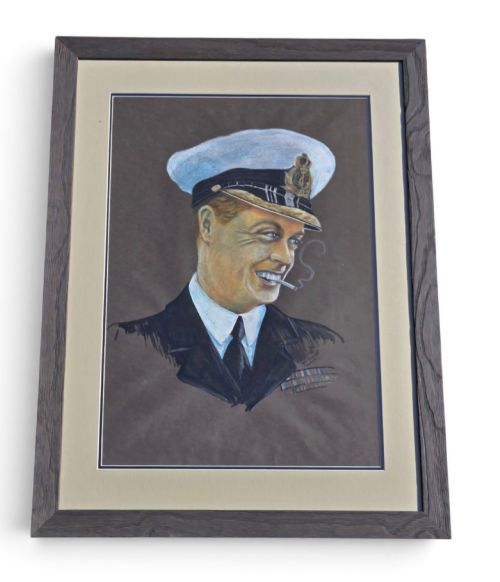
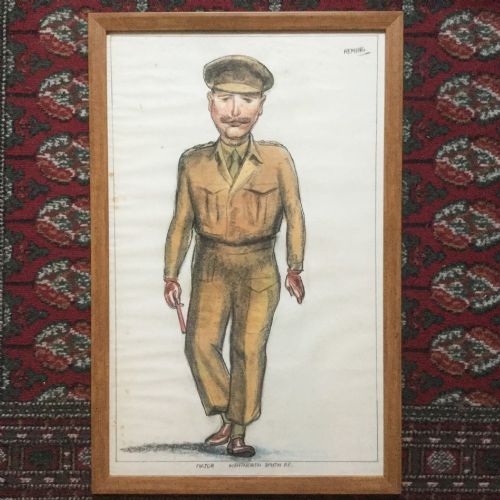
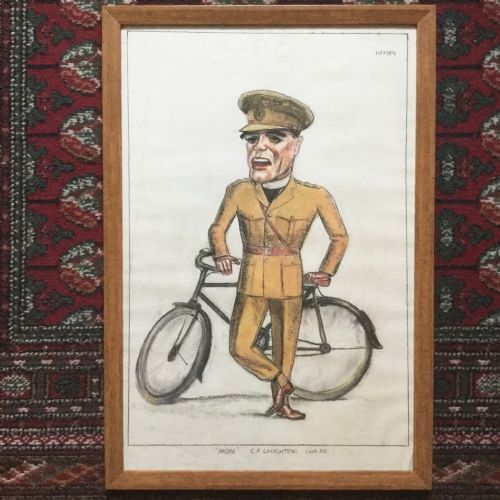
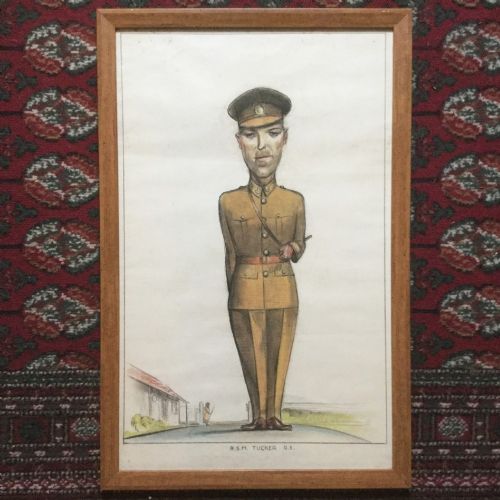
A military officer drawing represents portraits and sketches executed across periods such as the Victorian era, the 1930s, and the 1940s. These works frequently depict named individuals from regiments like the Royal Engineers.
The selection on this page encompasses framed artwork, wall art, and portrait paintings created using mediums like pastel and gouache. Such pieces offer a direct visual record of historical military personnel.
How they were made
Artists utilise paper as the primary base for these portraits, applying pastel and gouache to build up the likeness of the subject. These works are typically mounted within wooden frames, sometimes protected beneath glass.
Related military items such as telescopes and travel trunks incorporate brass, leather, and glass, demonstrating the utilitarian craftsmanship associated with officers of the period.
Listings incorporate paper, pastel, gouache, wood, glass, brass, and leather across periods from the Victorian era to the 1960s.
What varies in quality
The distinction between standard works and superior examples lies in the skill of the draftsmanship and the direct capture of the sitter's likeness. Masterful handling of pastel and gouache yields greater expressive depth in portraiture.
Framing and preservation also influence the overall standard of the piece, with intact paper and period-appropriate mounting contributing to the historical integrity of the work.
Herskind·Van Dyck·Voigtländer and Sohn AG Braunschweig·Drew and Sons·Ross of London·Aubrey Sykes RA
The Military Officer Drawing Glossary
- Pastel
- A dry drawing medium consisting of powdered pigment and a binder, frequently utilised for portrait sketches on paper.
- Gouache
- An opaque water-based paint that provides solid colour and strong highlights in illustrative and portrait works.
- Victorian
- The period spanning the reign of Queen Victoria, associated with specific styles of portraiture and travel equipment.
- Art Deco
- A design style emerging in the early twentieth century, influencing the presentation and framing of artworks from the era.
Military Officer Drawing: Frequently Asked Questions
What periods do these drawings come from?
The listings span from the Victorian era through the early twentieth century, including pieces dated to the 1930s and 1940s.
These dates reflect both nineteenth-century works and wartime illustrative pieces created during periods of active military service.
What materials were used for these portraits?
Artists primarily employed pastel and gouache applied to paper surfaces for these portrait sketches.
Additional items associated with officers incorporate wood, glass, brass, and leather, particularly in campaign equipment and telescopes.
Are the subjects of the drawings identified?
Several pieces name specific individuals, including military captains, majors, and regimental sergeant majors from units like the Royal Engineers.
This documentation provides a direct historical connection to the officers depicted in the artwork.
How should I display framed artwork?
Framed drawings and portrait paintings require placement away from direct sunlight to protect the paper and pastel pigments from fading.
Maintaining stable indoor humidity levels also helps preserve the condition of both the paper and the surrounding wooden frames.