


Vintage Army Portrait
A vintage army portrait captures individual soldiers, officers and regiments through the visual record of past conflicts and military service.
Vintage Army Portrait
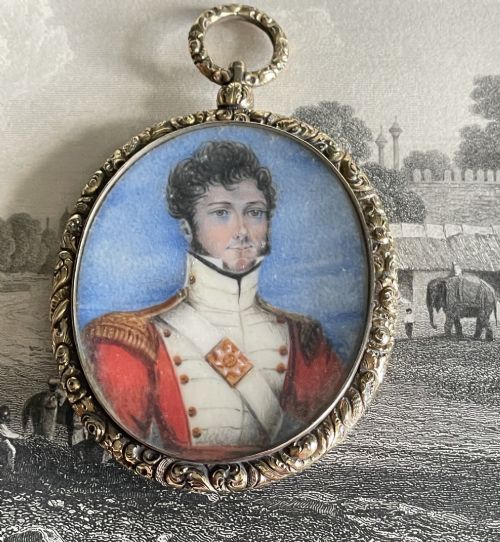
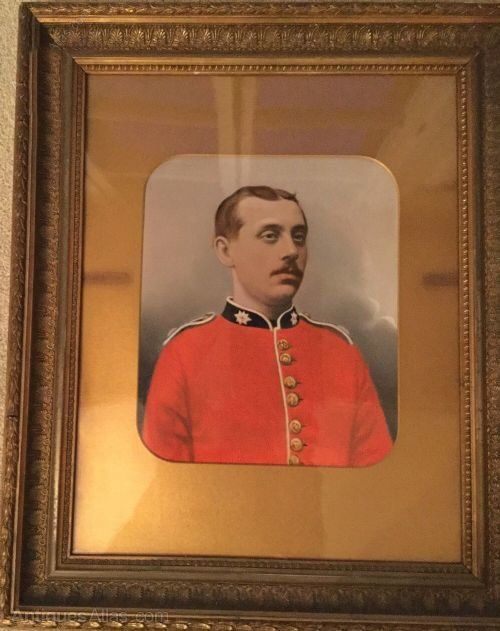
A vintage army portrait encompasses framed artworks, wall art and portrait miniatures depicting soldiers, officers and military figures across various periods. When buyers search for a vintage army portrait, they encounter depictions rendered in multiple mediums from the nineteenth century through the mid-twentieth century.
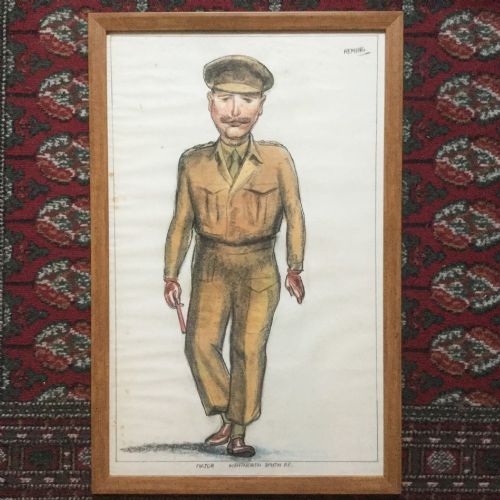
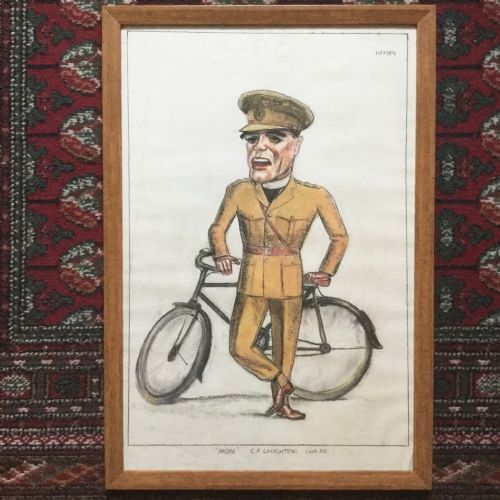
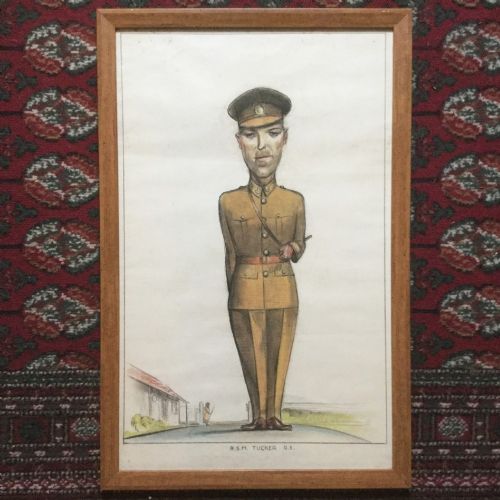
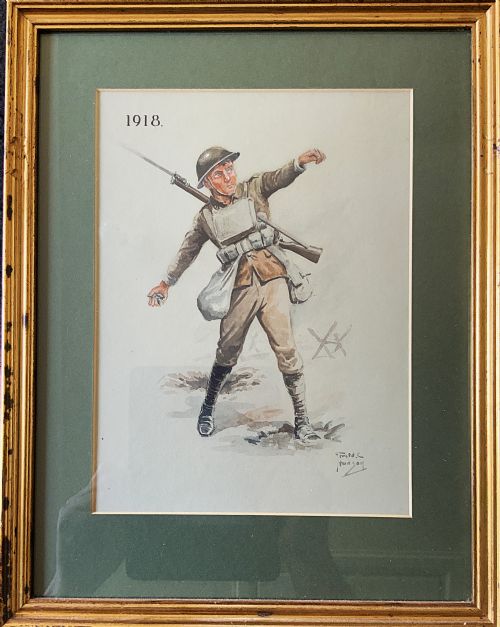
The selections available on this page lean heavily towards wartime illustrative works, watercolours and oil paintings from the Edwardian era up to the nineteen-fifties. Pieces range from detailed portrait sketches of named Royal Engineers to broader military paintings capturing historical campaigns and British soldiers.
Subjects include specific regiments, notable commanders and anonymous servicemen, offering a direct visual link to military history. These works serve as both historical documents and decorative art for collectors of militaria.
Materials and technique
Artists utilised traditional mediums such as watercolour, pastel, gouache and oil paint applied to paper, canvas and wood panels. Many works incorporate delicate wash techniques or black and white photography, frequently housed within glass and gilt wood frames.
Draftsmanship varies from rapid wartime pastel sketches created in the field to formal oil paintings executed in studios. The combination of paper supports with protective glass has helped preserve the pigment integrity of these delicate military likenesses over the decades.
Even a stern nineteenth-century Coldstream Guardsman occasionally had to sit remarkably still while an artist wrestled with his bearskin cap.
Assessing quality
Quality rests upon the skill of the draughtsman or painter in capturing the likeness, uniform details and psychological presence of the subject. Finer works demonstrate confident brushwork and precise anatomical rendering, whereas lesser examples rely on formulaic or stiff portraiture conventions.
The historical significance of the subject, such as named officers, specific regiments or documented campaigns, elevates the desirability of a piece. Original framing, particularly period gilt wood or contemporaneous mounts, contributes substantially to the integrity of the artwork.
Francis Russell Flint·Ruth Cecil Latter·Leslie Moore
The Vintage Army Portrait Glossary
- Gouache
- An opaque watercolour medium used by artists to achieve solid areas of flat colour and sharp detail in military sketches. It provides greater coverage than traditional transparent watercolour.
- Pastel
- A dry drawing medium composed of powdered pigment and a binder, frequently utilised for quick, expressive wartime portrait sketches. These works require careful preservation behind glass to prevent smudging.
- Militaria
- Artefacts and artworks collected for their association with military history, armed forces and warfare. This category includes portrait paintings, medals and uniforms.
- Regiment
- A permanent unit of an army, referenced in military portraiture to identify the specific branch and service history of the depicted officer or soldier.
- Miniature
- A small-scale portrait painting executed with fine detail, often created for personal commemoration or portable display during military campaigns.
Vintage Army Portrait: Frequently Asked Questions
How do I date a vintage army portrait?
Dating relies primarily on the uniform details, cap badges, medals and facial hair styles depicted in the artwork. Comparing these elements with known military dress regulations for specific regiments often narrows the period considerably.
Secondary clues include the framing materials, artist signatures, paper types and stylistic conventions of the era, ranging from Victorian formality to mid-century illustrative work.
Where should I hang a vintage army portrait?
These pieces suit studies, libraries and living spaces where traditional or historical decor predominates. They pair effectively with dark wood furniture, leather armchairs and complementary militaria.
Protect the artwork from direct sunlight to prevent fading of watercolours, pastels and paper supports over time. Maintaining stable indoor humidity also preserves the wood and gilt frames.
Are these portraits of real soldiers?
Many portraits depict named historical figures, specific officers and identified members of regiments such as the Royal Engineers or Coldstream Guards. Inscriptions, signatures and accompanying documentation on the reverse often provide verifiable biographical details.
Other works represent anonymous servicemen captured during wartime, serving as broader memorials to the ordinary soldiers of past conflicts.
What is the difference between watercolour and oil paintings here?
Watercolour and pastel works on paper offer a direct, immediate record, frequently executed as rapid sketches during wartime conditions. They possess a lighter aesthetic and typically require protective glass glazing.
Oil paintings on canvas or wood provide greater depth of colour and durability, representing more formal, studio-based commissions intended for permanent display by regiments or families.