



Antique Male Portraiture
Antique male portraiture offers a direct connection to past figures through traditional painting and works on paper.
Antique Male Portraiture
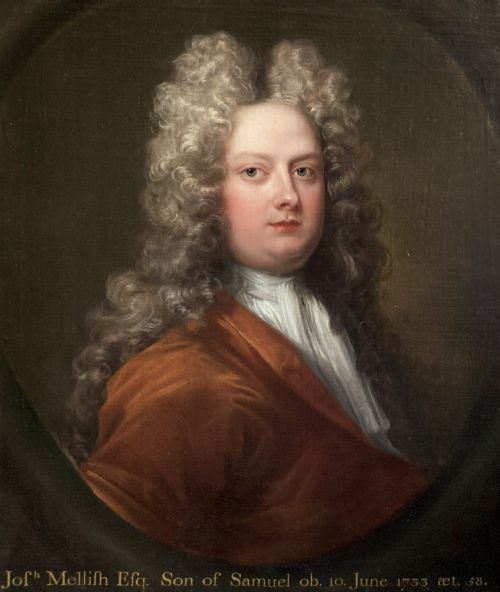
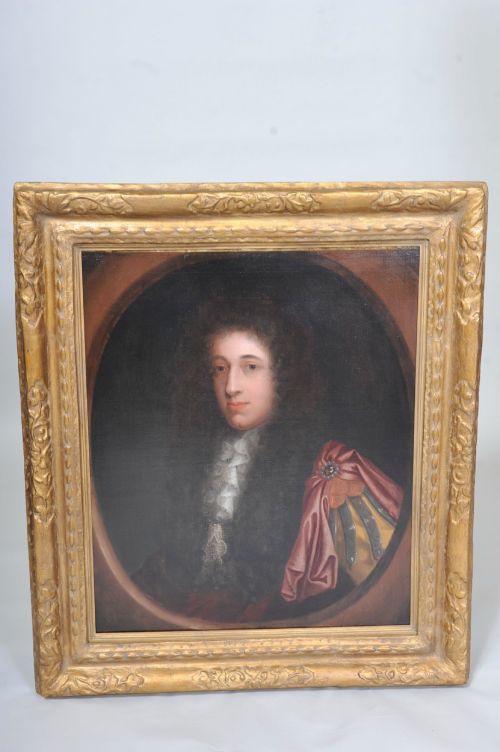
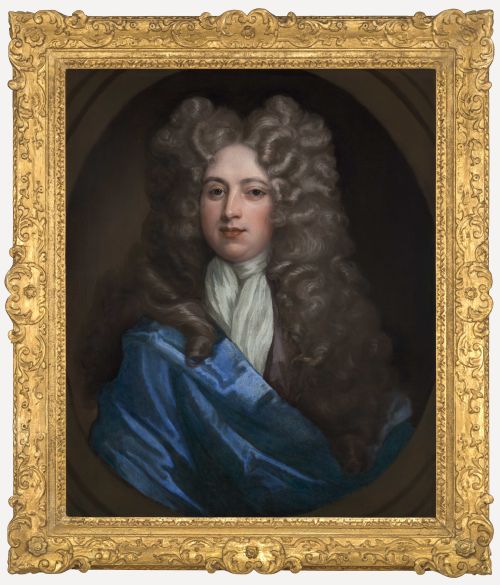
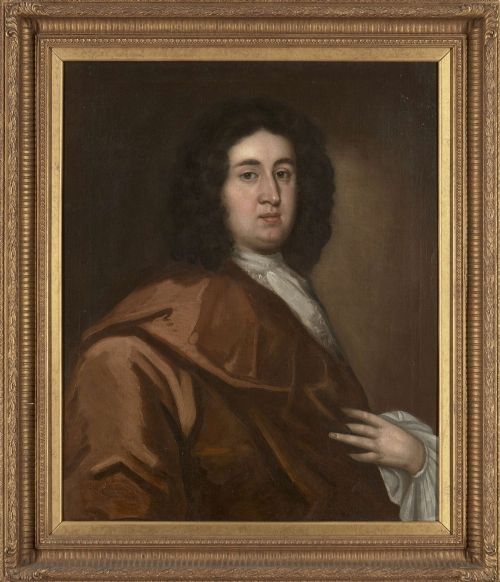
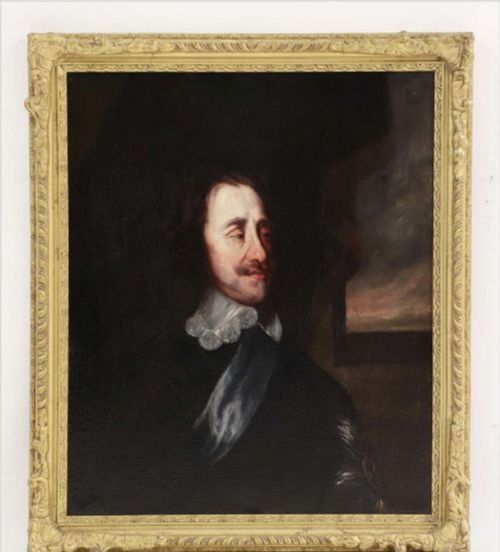
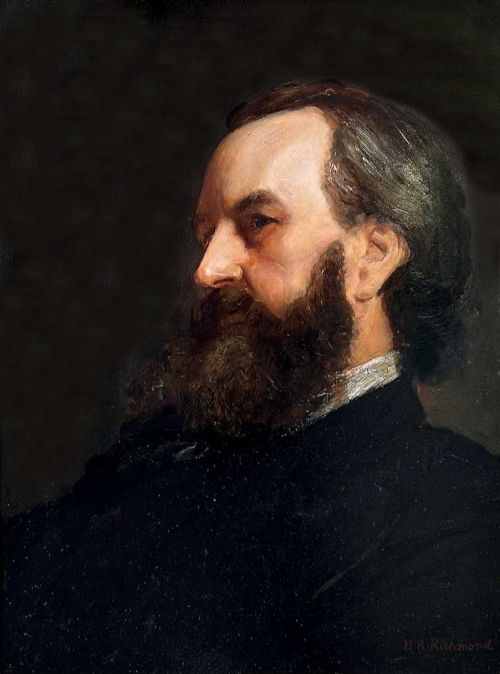
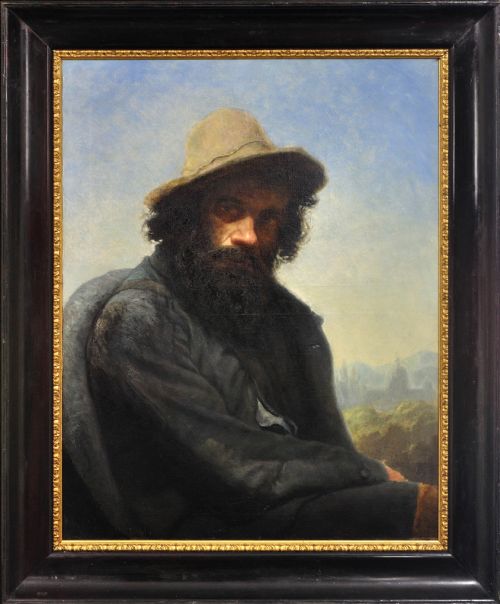
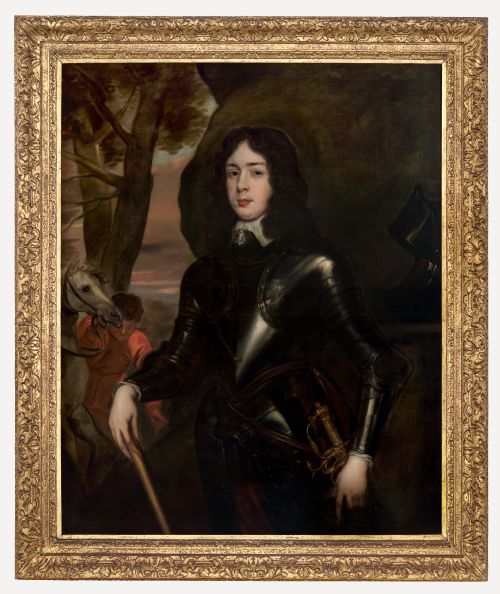
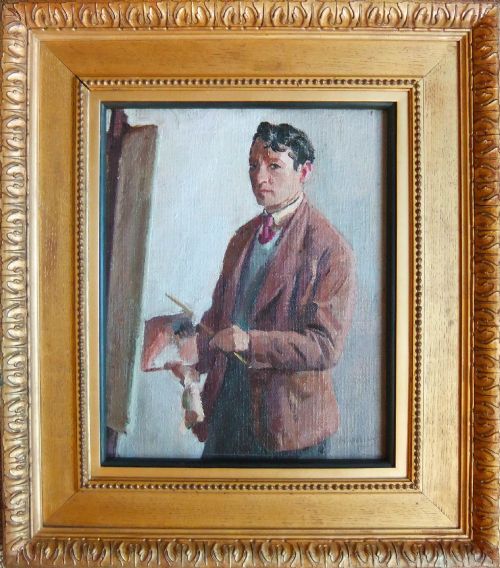
Antique male portraiture captures the likenesses of gentlemen, nobility, and public figures across several centuries of artistic production. Buyers will encounter works ranging from 17th-century Baroque depictions of officers and royals to 19th-century Victorian and Edwardian representations.
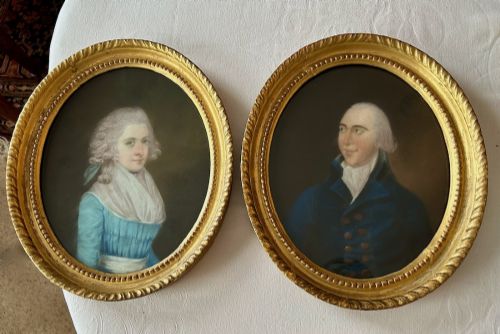
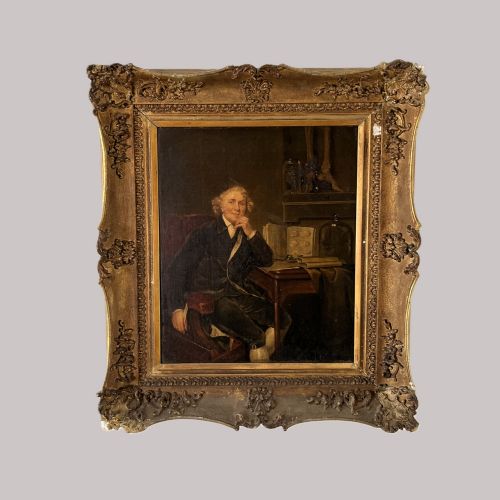
The selections on this page appear primarily as oil paintings on canvas, alongside pastel portraits and watercolours. Framed works dominate the selection, preserving the historical framing styles associated with Georgian, Regency, and Victorian periods.
Materials and Construction
Artists applied oil paint to stretched canvas or utilised watercolour and pastel on paper to capture their subjects. Giltwood frames frequently house these works, providing structural support and period-appropriate ornamentation.
Canvases often show the texture of oil paint layered over preparatory grounds, while works on paper employ media such as pastel and watercolour to achieve finer facial details.
Listings feature works spanning from the seventeenth century to 1950, executed in oil on canvas, watercolour, and pastel.
Factors of Quality
Quality in these works rests upon the precision of facial rendering, the handling of textiles such as armour, periwigs, or robes, and the reputation of the artist or their studio. Works executed by named painters or prominent circles display greater anatomical accuracy and subtlety in light and shadow.
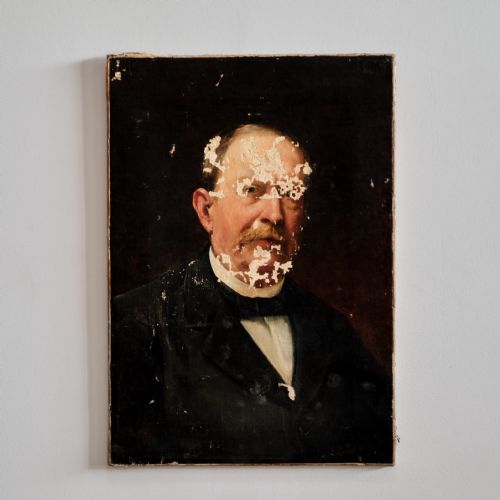
The integrity of the canvas, the preservation of the original pigments, and the presence of period giltwood framing further distinguish exceptional examples from standard works.
Charles Jervas·Thomas Murray·John Closterman·Joseph Highmore·John Hamilton Mortimer·David Scougall·Richard Cosway·Sir Godfrey Kneller·Charlotte Blakeney Ward·Rudolph Lehmann·John Seymour Lucas·John Laviers Wheatley·James Ward·Erwin Eichinger·Sir Oswald Hornby Joseph Birley·Samuel Drummond·Thomas Jones Barker·Henry Wyatt·Francis Alleyne·Johann Kerseboom
The Antique Male Portraiture Glossary
- Baroque
- A style of European art from the 17th and early 18th centuries characterised by drama, rich colour, and deep shadow. This period often produced grand depictions of figures in armour or elaborate robes.
- Oil on canvas
- A traditional painting technique using pigments suspended in a drying oil, applied to a woven fabric support. This combination offers durability and allows for rich tonal gradations.
- Pastel
- A medium consisting of powdered pigment combined with a binder, formed into sticks. It creates velvety textures on paper.
- Giltwood
- Wood that has been coated with a thin layer of gold leaf. Frames made in this manner frequently accompany antique paintings.
Antique Male Portraiture: Frequently Asked Questions
How should I hang antique male portraiture?
Hang these framed works on stable interior walls away from direct sunlight and excessive moisture to protect the canvas or paper supports.
Ensure that picture hooks match the weight of the heavy giltwood frames typically found on these pieces.
What periods do these portraits cover?
The available selection spans from the seventeenth century through the Victorian and Edwardian eras up to the mid-twentieth century.
Earlier examples often feature subjects in armour or periwigs, while later works reflect changing fashions and painting techniques.
How were these portraits used historically?
Historically, families commissioned portraits to document lineage, social standing, and political allegiance within grand homes and civic buildings.
Officers, royals, and lawyers sat for these artists to project authority and record their status for posterity.
How do I identify the era of a portrait?
Examine the clothing, hairstyles, and framing styles, as these elements closely align with the period in which the subject was painted.
Periwigs and armour point to the seventeenth and early eighteenth centuries, while Victorian dress and softer watercolours suggest the nineteenth century.