



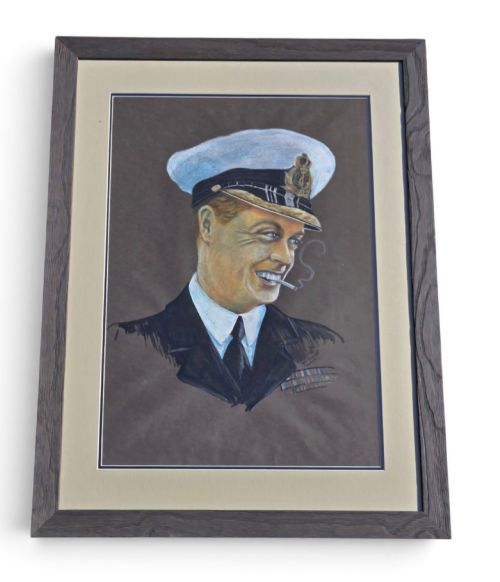
Framed Paper Painting
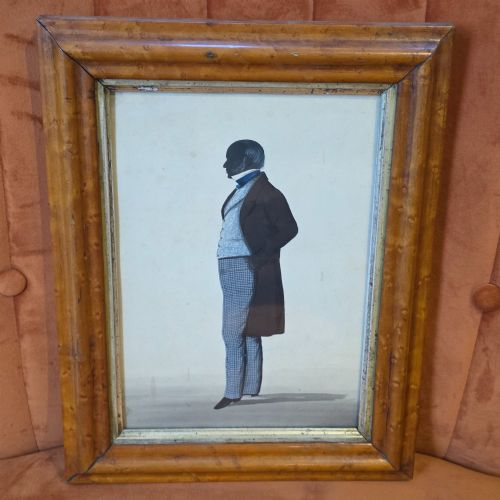
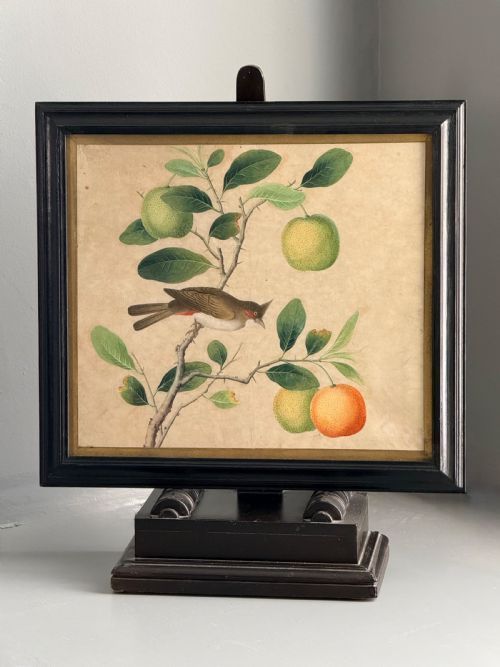
These framed paper painting works bring original watercolour pigments under glass within protective wooden and gilt surrounds.
Framed Paper Painting
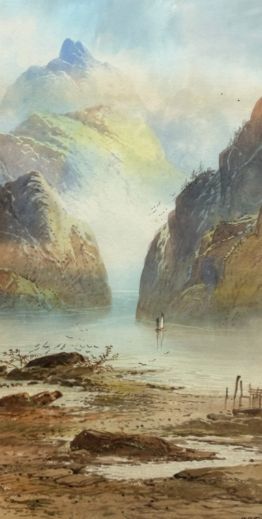
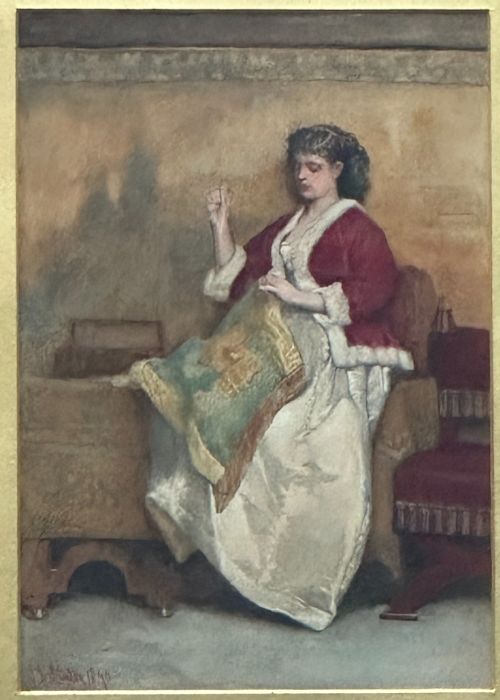
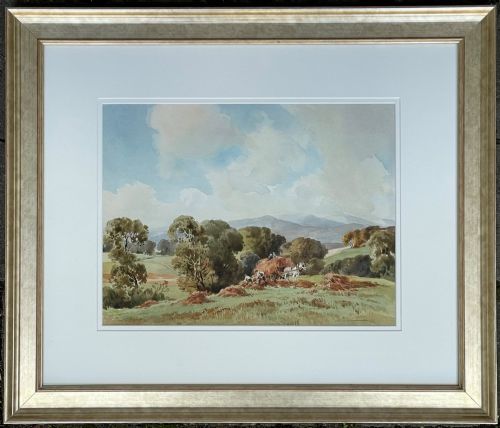
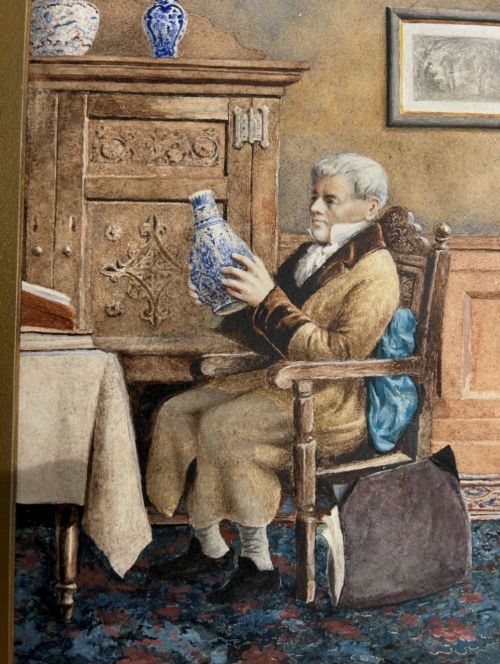
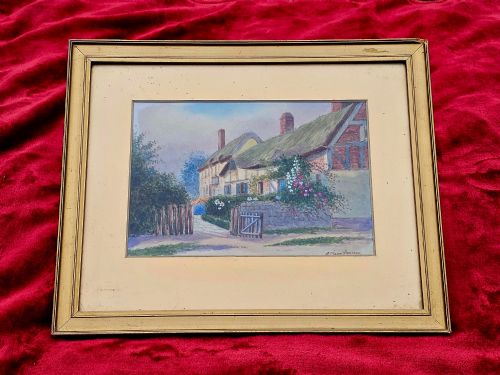
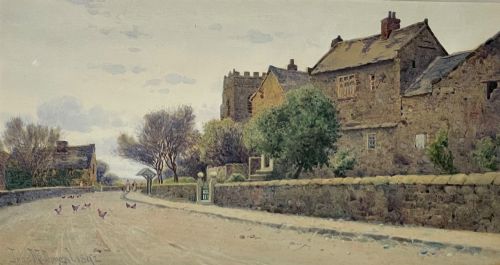
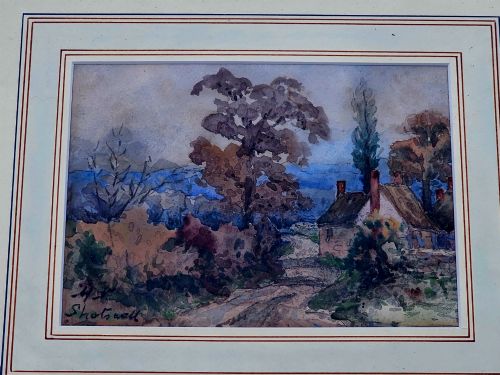
A framed paper painting presents original watercolours on paper surfaces, preserved securely behind glass panes within traditional wooden or gilt frames. These pieces span Victorian, 1900, and 1910 periods, capturing pastoral scenes, rural life, and coastal views.
The buyer meets Victorian pastoral realism, British impressionism, and Edwardian pastoral styles across these listings. Common subjects include landscape watercolours, river meadows, downs, and outdoor figure scenes.
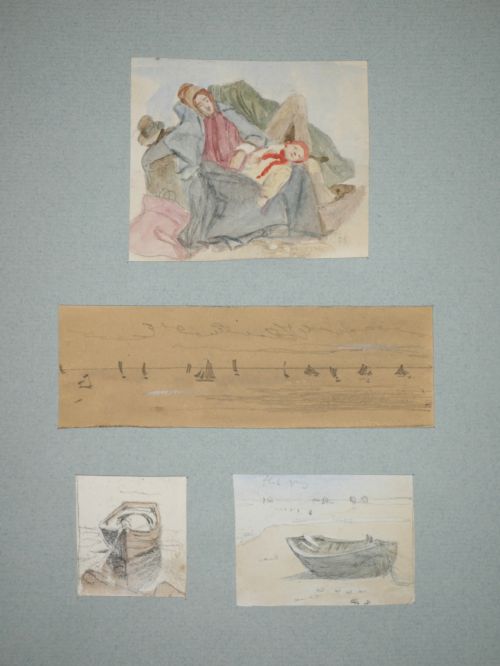
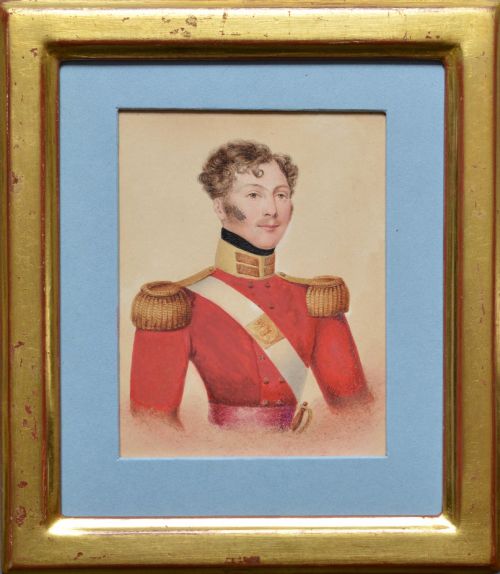
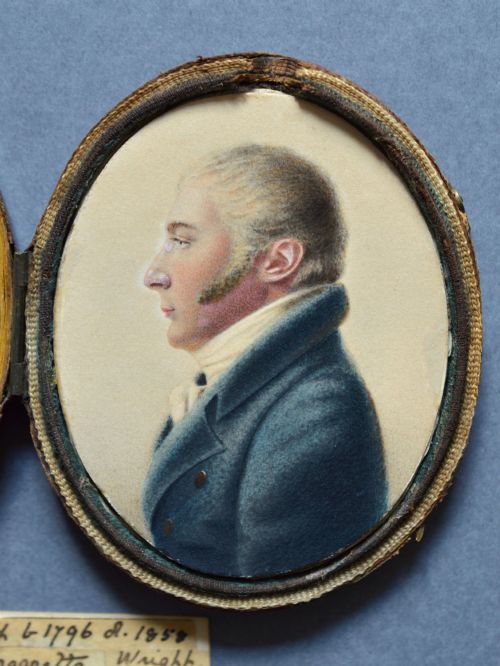
Most examples originate from late 19th-century and early 20th-century British artists working in watercolour pigment on paper. Miniature watercolours and abstract compositions also appear in the broader record.
How they were made
Makers applied watercolour pigment directly onto paper supports, utilising the white of the paper to create luminosity and highlights. These delicate painted sheets were then mounted and secured behind glass to protect the pigment from moisture and atmospheric damage.
Surrounds utilise wood, often embellished with gilt finishes, providing both structural support and aesthetic framing for the artwork. The combination of timber moulding and glass glazing ensures the paper painting remains stable over generations.
Framed Paper Painting Retail Price Guide 2026
Typical asking prices for framed paper painting among the pieces listed under this phrase on Sellingantiques today, from the lower quarter to the upper quarter. They describe what is for sale here now, not the wider market.
The listings on this site feature paper, watercolour pigment, wood, glass, and gilt materials spanning Victorian, 1900, and 1910 periods.
What varies in quality
Quality rests upon the confidence of the brushwork and the clarity of the composition, distinguishing accomplished pastoral realism from more rigid amateur efforts. Stronger examples capture light and atmosphere with immediate economy of pigment.
The integrity of the original framing, including the condition of the gilt and the security of the glass, contributes to the overall standing of the piece. Works that retain their period presentation without unnecessary intervention hold greater visual harmony.
John McDougal·W. Tatton Winter·Thomas Mackay·Jessie Hall·Willie Stephenson·Charles Edward Wilson·John Pedder
The Framed Paper Painting Glossary
- Watercolour pigment
- A finely ground colour mixed with a water-soluble binder, applied to paper surfaces in translucent washes.
- Gilt
- A thin layer of gold leaf or metallic gilt applied to wooden frames to enhance decorative appeal and reflect light.
- Pastoral realism
- An artistic style focusing on authentic, detailed depictions of rural life, agricultural landscapes, and country meadows.
- Glazing
- The fitted glass pane that protects delicate paper paintings from dust, handling, and airborne pollutants.
Framed Paper Painting: Frequently Asked Questions
How should I hang a framed paper painting?
Position the piece away from direct sunlight and damp environments to protect the watercolour pigments and paper support from fading and moisture.
Use sturdy fixings suited to your wall type, ensuring the frame hangs level and secure under its own glass weight.
Can I remove the glass to clean the painting?
Leave the original glazing undisturbed, as opening historical frames can introduce dust, insects, and humidity that damage the fragile paper within.
Professional conservators should handle any necessary intervention regarding the backing boards or paper surface.
What distinguishes Victorian watercolours from Edwardian ones?
Victorian examples often lean towards detailed pastoral realism with deep tonal contrasts, reflecting a narrative interest in the British countryside.
Edwardian works frequently display looser brushwork influenced by British Impressionism, favouring lighter palettes and spontaneous atmospheric effects.
Are these paintings always on paper?
The primary support for these works is paper, utilised specifically for its ability to absorb and hold translucent watercolour washes.
Occasional variations include specialised forms like paper mache structures, but standard watercolours rely entirely on paper sheets.