


Framed Neoclassical Art Print
A framed neoclassical art print brings the symmetrical balance and antiquity of ancient Greece and Rome straight onto your wall.
Framed Neoclassical Art Print
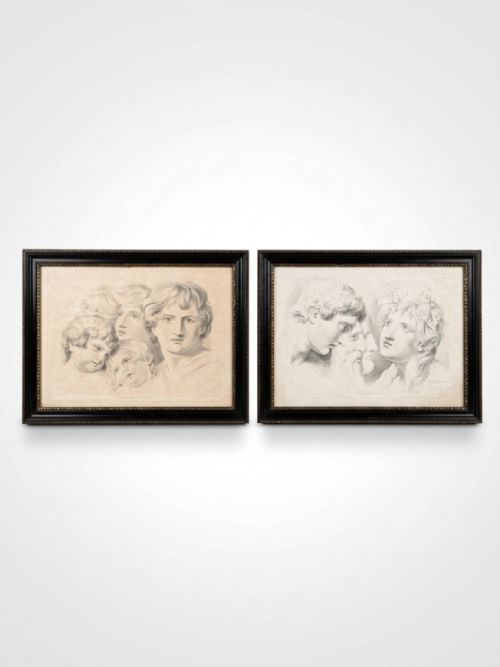
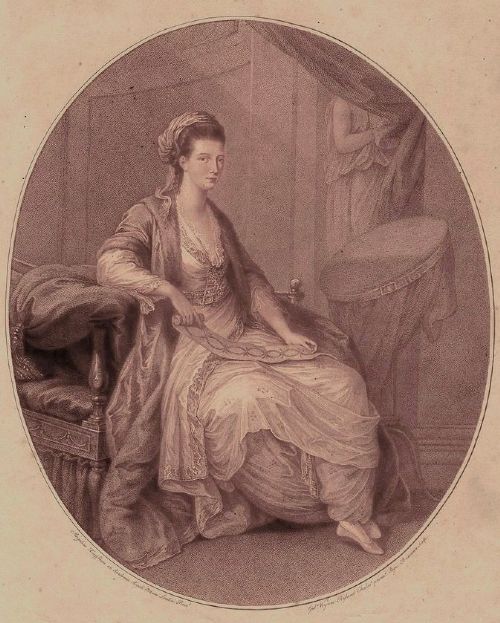
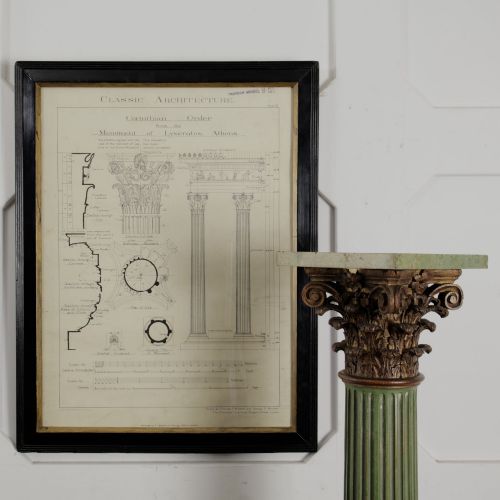
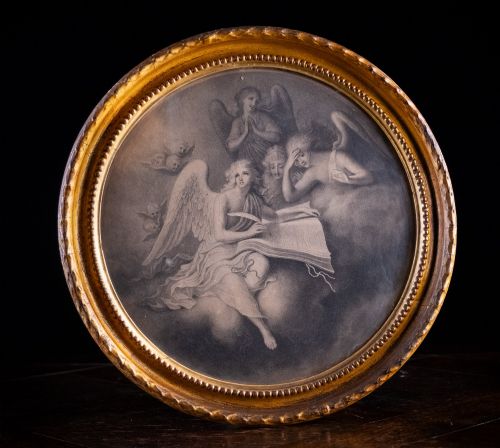
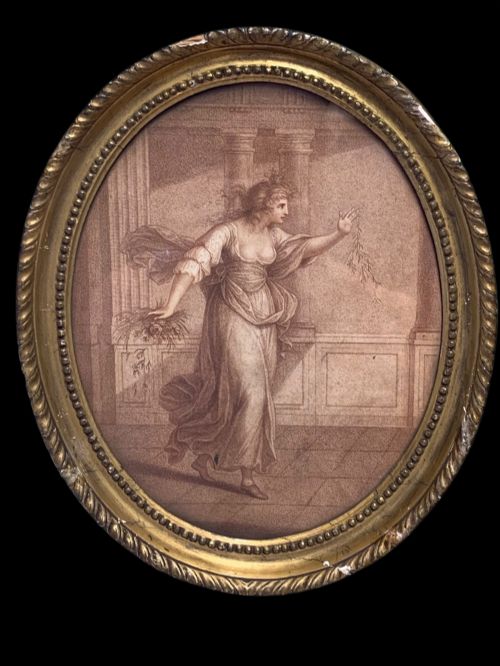
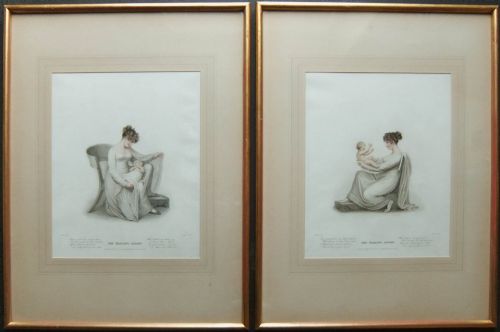
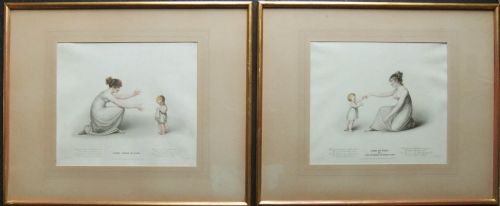
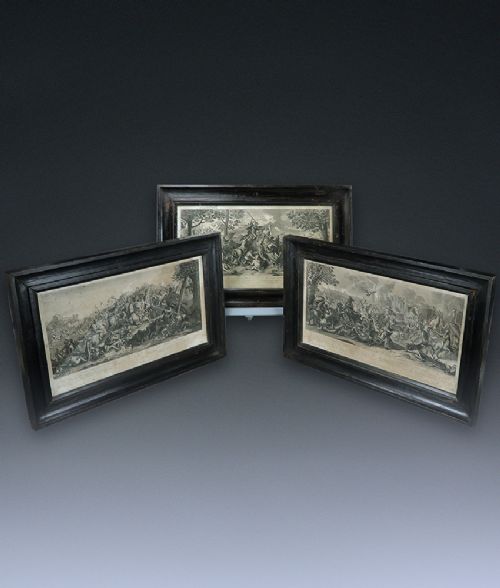
A framed neoclassical art print encompasses a wide variety of works centered around the revival of classical antiquity, drawing heavily from archaeological discoveries and mythological themes. When searching for framed neoclassical art print examples, buyers encounter everything from detailed architectural plates of Roman temples to delicate stipple engravings of mythological figures.
The selection on this page leans heavily toward 18th-century and 19th-century works, alongside early 20th-century plates and mid-century lithographs. Forms range from solitary portrait engravings to expansive sets depicting architectural scenes from the Grand Tour.
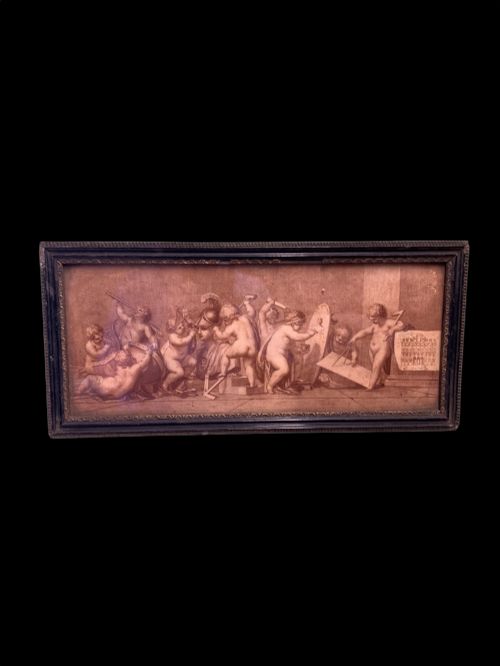
Subjects frequently reference classical authors, archaeological excavations at Herculaneum and Athens, and Renaissance frescoes designed by Raphael. These images served to educate and elevate the observer's interior space through serious, historically grounded visual narratives.
How they were made
These works rely on traditional printmaking techniques executed on paper, utilising copper engraving, etching, lithography, and stipple methods to achieve fine line work and tonal depth. Artists and master engravers transferred complex compositions, sometimes after classical frescoes or oil paintings, using meticulously carved plates and high-quality printing inks.
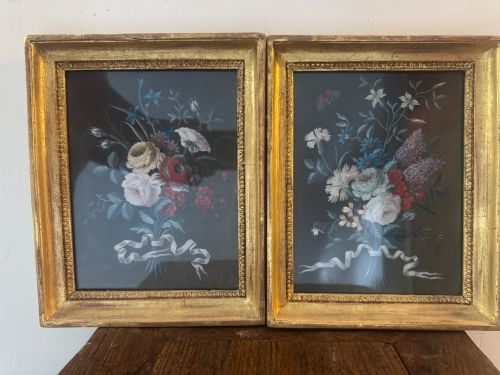
Enclosing frames typically consist of wood enhanced with gold leaf, giltwood, or gilt finishes that complement the classical subject matter. Protective glass fronts preserve the delicate paper surfaces from atmospheric moisture and dust over the centuries.
The listings feature paper, glass, ink, wood, and gold leaf across multiple centuries.
What varies in quality
Quality differences lie in the crispness of the ink impression and the depth of detail retained within the engraved lines or lithographic stones. Early impressions pulled directly from fresh plates exhibit sharp contrast and fine gradients, whereas worn plates yield softer, muddier lines.
The sophistication of the original draftsmanship and the historical significance of the engraver or designer elevate certain pieces above standard decorative prints. Original period framing that matches the age of the paper also contributes significantly to the overall integrity of the piece.
Francesco Piranesi·Simon François Ravenet·Adam Buck
The Framed Neoclassical Art Print Glossary
- Engraving
- A printmaking process where an artist cuts lines directly into a copper plate using a sharp steel tool called a burin. This method produces precise lines capable of holding fine detail.
- Etching
- A technique where acid bites lines into a metal plate that has been covered with a protective wax ground. The artist draws through the ground to expose the metal before the acid bath creates the recesses for ink.
- Stipple engraving
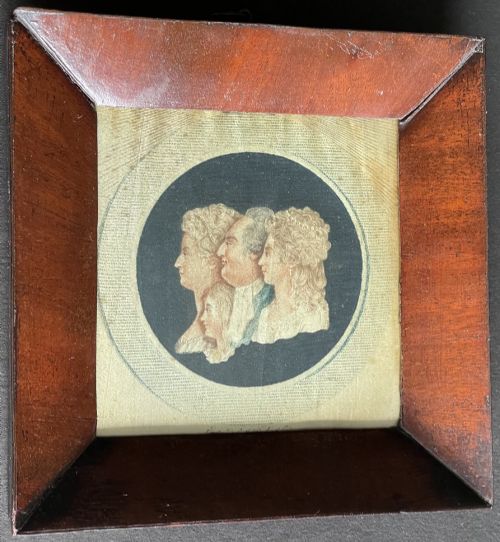
- A method of creating prints using a dense pattern of dots rather than continuous lines to build up subtle tonal variations and flesh tones. It was widely utilised in the late eighteenth century for reproductive portraits.
- Grand Tour
- An extended journey through cultural centres in Europe, particularly Italy, undertaken by young upper-class men to study classical art and architecture. Souvenirs from these travels often formed the basis of these framed prints.
- Lithography
- A planographic printing process based on the chemical repulsion of oil and water, utilising a flat limestone or metal plate. It allowed artists to produce fluid, painterly reproductions.
Framed Neoclassical Art Print: Frequently Asked Questions
What periods do these prints cover?
The inventory spans primarily from the eighteenth and nineteenth centuries, capturing the height of neoclassical revival enthusiasm. Pieces also reach into the early twentieth century and the mid-twentieth century.
Such a broad timeline shows how enduring the classical aesthetic has remained across multiple design eras.
How were architectural plates used originally?
Architectural plates often originated as folios documenting recent archaeological discoveries in locations like Athens, Rome, and the Vatican Loggie. Scholars and travellers collected these engravings to study ancient proportions and ornamentation.
Over time, individual plates were separated and framed to decorate domestic interiors with classical motifs.
Are these prints contemporary copies or originals?
The listings consist of original period pieces dating from their respective centuries, rather than modern commercial reproductions. They utilise vintage paper stocks and traditional print techniques appropriate to their stated dates.
Examining the paper texture, plate marks, and framing materials helps confirm their period origin.
How do I care for framed paper art?
Protect antique paper prints by hanging them away from direct sunlight to prevent fading of the ink and yellowing of the sheet. Maintaining stable room humidity levels keeps the paper and wooden frames from warping.
Dust the glass gently with a soft cloth rather than spraying cleaning fluids directly onto the frame edge.