


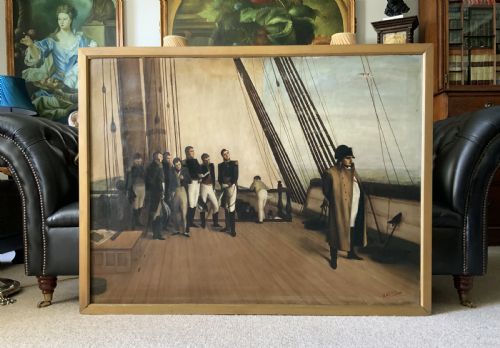


Framed Naval Oil Artwork
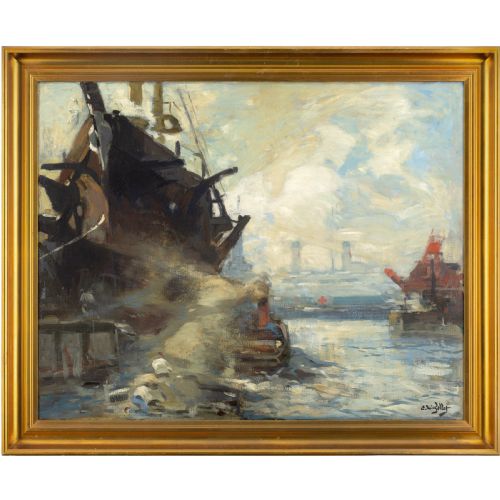
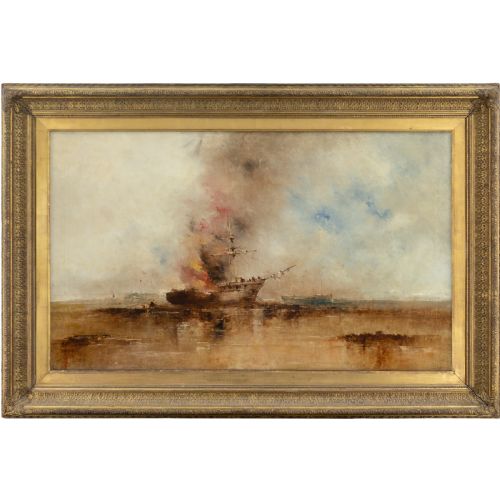
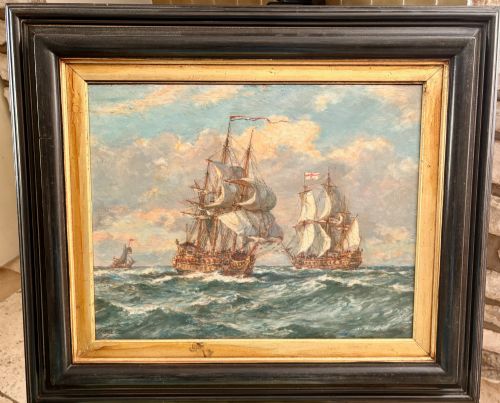
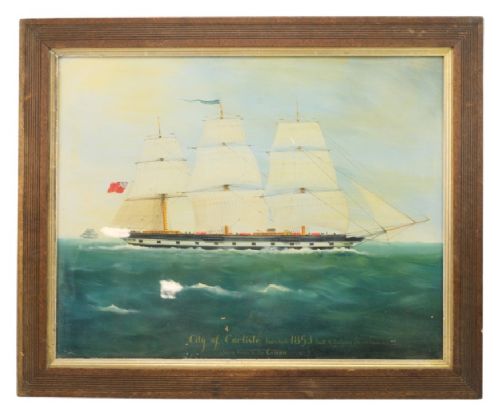
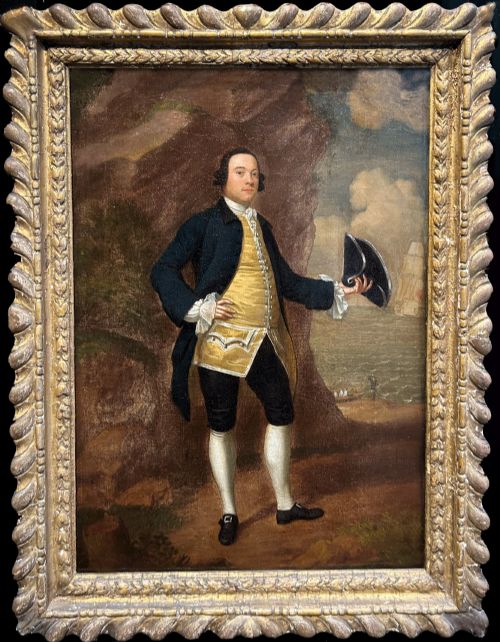
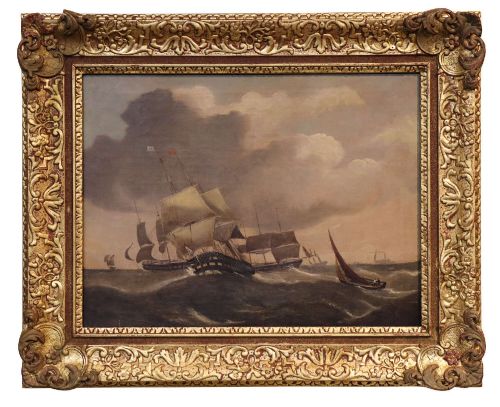
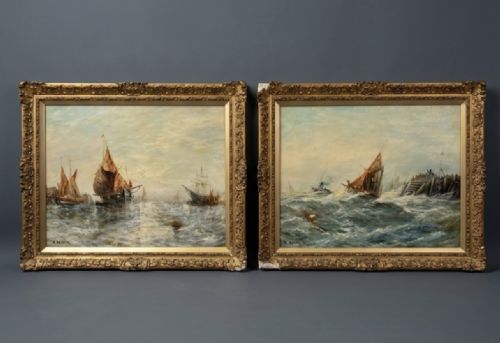
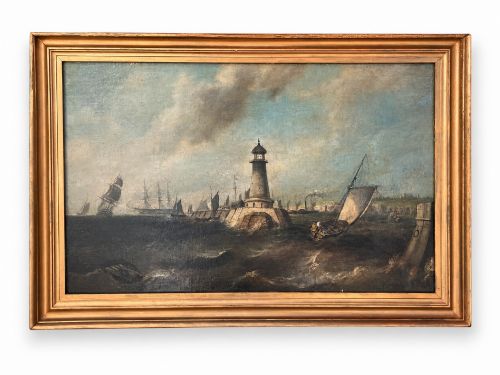
These framed naval oil artwork pieces capture centuries of maritime conflict, royal yachts and historic sailing ships on canvas and panel.
Framed Naval Oil Artwork
A framed naval oil artwork depicts ships, sea battles, and maritime portraits spanning from the seventeenth century through to the mid-twentieth century.
Buyers will encounter Victorian canvas works, eighteenth-century portraits of officers, and Edwardian depictions of cruisers and historic engagements.
These pieces primarily take the form of traditional oil paintings, ranging from expansive sea battles to intimate portraits of naval commanders.
Materials and construction
Painters applied oil paint directly onto stretched canvas or wooden panels to capture the movement of water and the intricate rigging of warships.
Many of these historic canvases and panels sit within period giltwood or gold leaf frames that complement the maritime subject matter.
Several canvases record the rigid starch of high naval collars alongside the turbulent chaos of cannon smoke.
Assessing quality in maritime painting
Quality rests upon the artist's ability to render nautical architecture accurately, from the arrangement of the sails to the precise details of naval uniforms.
The handling of light on choppy waters and the atmospheric depth of the sky distinguish standard maritime records from accomplished works of art.
James Hardy·Eugène-Louis Gillot·William McAlpine·Bernard Gribble·Francis Hayman·Nicholas Condy·Claude Lorrain·John Simmons·Marie-Edouard Adam·Ebeneezer Colls·Richard Brydges Beechey·Charles Dixon·William Langley·George Frederick Clarke·Jacob Knyff·Abraham Storck·John Laviers Wheatley
The Framed Naval Oil Artwork Glossary
- Giltwood
- Wood carved and covered with gold leaf or a gold-coloured finish. These ornate surrounds frequently house period maritime oils.
- Galleon
- A large sailing ship with three or more masts used for war and trade from the sixteenth through the eighteenth centuries.
- Panel
- A flat wooden board used as a rigid support for oil paint instead of stretched canvas.
- Seascape
- A work of art depicting the sea, coastal views, or naval engagements.
- Provenance
- The documented history of ownership that traces a painting from its creation to the present day.
Framed Naval Oil Artwork: Frequently Asked Questions
What periods do these paintings cover?
The works span from the seventeenth century through the Georgian and Victorian eras up to the mid-twentieth century.
Most examples date from the nineteenth and early twentieth centuries, featuring steam ships, clipper ships and historic naval actions.
How should I hang a framed oil painting?
Ensure the wall can support the weight of the canvas and its heavy giltwood or wooden frame securely.
Keep the artwork away from direct sunlight and steady heat sources to protect the oil paint and canvas over time.
Are these paintings signed by the artists?
Some canvases bear signatures or attributions to known marine painters and followers of established artistic circles.
Others represent the work of uncredited English or European school artists documenting historical vessels.
What subjects appear in these artworks?
Common subjects include sea battles, royal yachts, harbour scenes, clipper ships, and portraits of naval officers.
Specific historical vessels and action scenes from conflicts like Trafalgar also form a significant portion of the selection.