




Framed Natural History Prints
These framed natural history prints capture centuries of scientific illustration, offering detailed studies of flora and fauna housed behind glass in traditional wood or gilt frames.
Framed Natural History Prints
When you examine framed natural history prints, you encounter historical book plates, scientific illustrations and original hand-coloured sheets preserved behind glass for wall display.
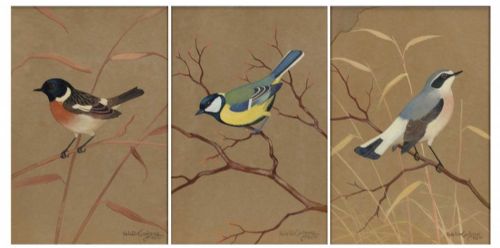
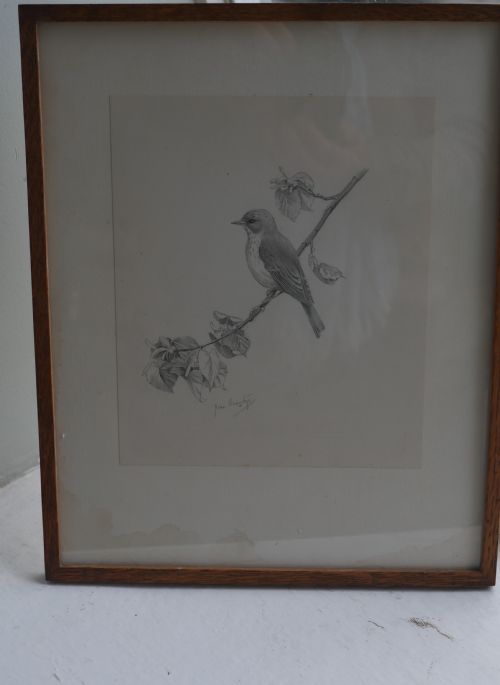
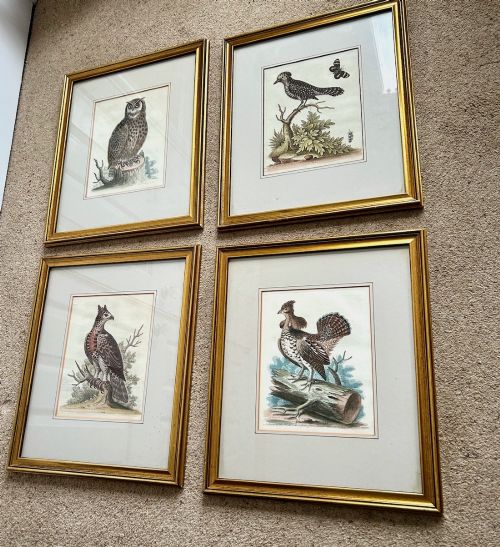
The selections span multiple centuries, ranging from eighteenth-century Georgian ornithological plates to nineteenth-century botanical studies and mid-century bird paintings.
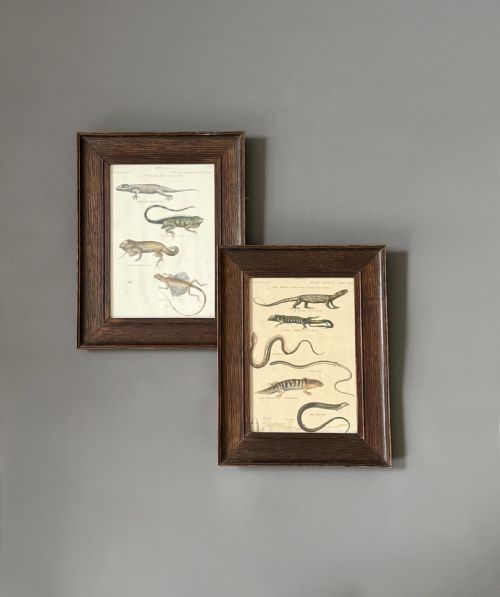
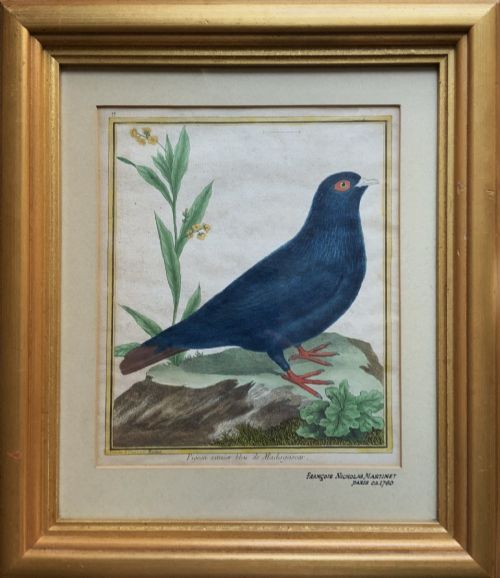
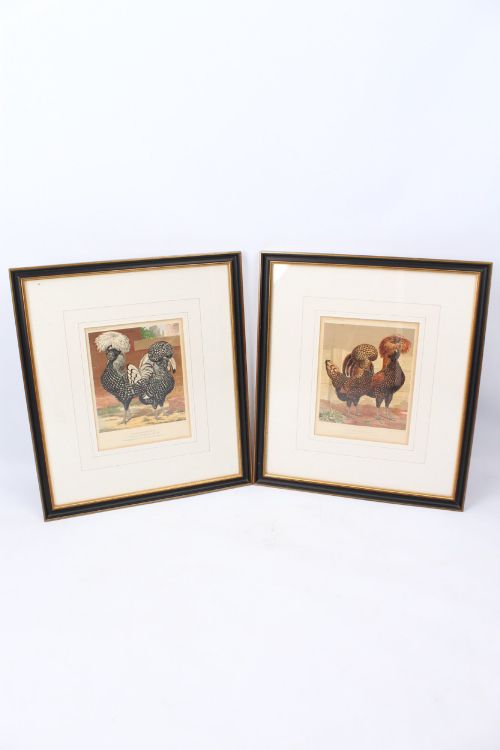
You will frequently find pairs or sets grouped together, depicting subjects such as exotic birds, serpents, fish and botanical specimens rendered by notable illustrators.
Materials and techniques
Makers utilised paper as the primary support, applying ink for engraved lines and watercolour pigments by hand to bring subjects like birds and reptiles to life.
Lithography and engraving served as the main reproductive methods, often enhanced with delicate hand-colouring to record natural specimens accurately.
Framing typically involves wood, ebonised surrounds, gold leaf, and giltwood mounts designed to protect the paper while complementing the artwork.
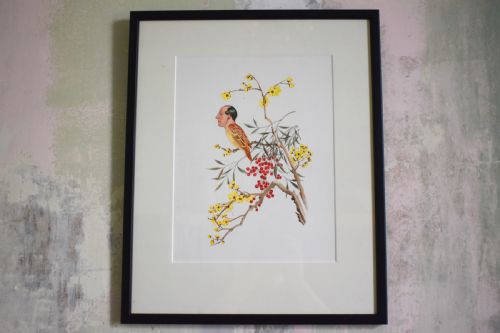
Several plates capture the stern expression of a nineteenth-century frog peering out from the page with unexpected dignity.
Assessing quality in natural history plates
Quality rests upon the precision of the initial engraving or lithographic line work combined with the skill and vibrancy of the hand-applied watercolour washes.
The historical significance of the naturalist or artist involved elevates certain plates, alongside the completeness of matched sets or original framing components.
François-Nicolas Martinet·Oliver Goldsmith·George Edwards·Jonathan Couch·Buffon·John Curtis·Bernhard Siegfried Clara·Georg Wolfgang Knorr·William Swainson·Edward Lear
The Framed Natural History Prints Glossary
- Engraving
- A printmaking technique where an artist cuts lines into a metal plate to hold ink for transfer onto paper. This method produces fine, precise details essential for scientific illustration.
- Lithography
- A planographic printing process based on the repulsion of oil and water. It allowed artists to produce detailed tonal areas and vibrant colour prints.
- Hand-coloured
- A finished monochrome print enhanced with applied watercolour pigments by hand. This process added realism to botanical and zoological plates.
- Ornithological
- Pertaining to the scientific study and depiction of birds. These plates form a significant category within natural history art.
- Giltwood
- Wood carved and coated with gold leaf or a gold-coloured finish. It provides a reflective, ornate border for antique frames.
Framed Natural History Prints: Frequently Asked Questions
How do I date antique natural history prints?
Dating relies on the paper type, printing technique, plate marks, and typography associated with the publication from which the sheet originated. Reference books and known publishing dates for specific naturalists help narrow down the decade.
Paper from the eighteenth and nineteenth centuries exhibits distinct watermarks, chain lines, and weights that differ noticeably from modern machine-made alternatives. Examining these physical traits alongside the recorded active periods of the artist clarifies the age of the piece.
Are these prints original book plates?
Many framed natural history prints originate from dismantled scientific volumes, folios, and periodical publications produced during the eighteenth and nineteenth centuries. Publishers issued these illustrated works to accompany comprehensive surveys of wildlife and botany.
While removed from their original bindings, these plates served as visual records for scientists and collectors of the era. Their transition into framed wall art preserves the detailed illustrations for contemporary display.
How should I display framed prints at home?
Protect antique paper prints by hanging them away from direct sunlight, which can fade watercolours and discolour paper over time. Maintaining stable indoor humidity levels also prevents warping in the wooden and gilt frames.
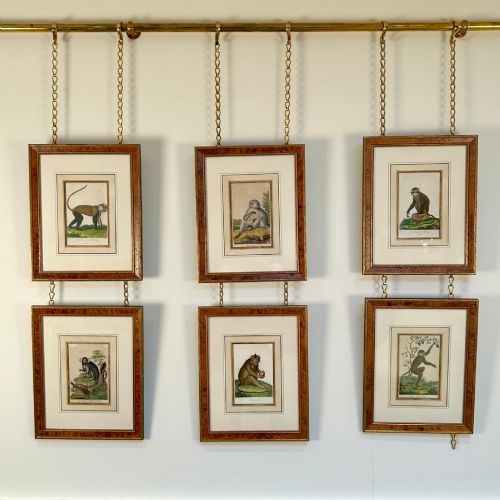
Grouping sets or pairs together creates a balanced visual display that reflects how natural history collections were traditionally studied and appreciated in domestic interiors.
What is the difference between an engraving and a lithograph?
An engraving involves carving lines directly into a hard plate, resulting in crisp, indented lines that hold ink. A lithograph uses a smooth stone or metal surface treated to accept ink in specific areas through chemical processes.
Engravings often present a distinct plate mark impression in the paper surrounding the image. Lithographs typically offer smoother tonal gradations and were widely adopted during the nineteenth century for colour printing.