
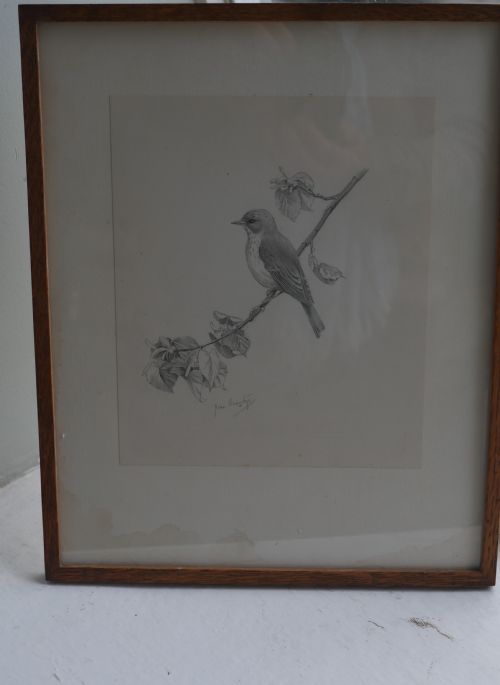


Framed Natural History Illustrations
Framed natural history illustrations bring the meticulous detail of past scientific study directly onto the wall, offering a tangible link to historical observation.
Framed Natural History Illustrations
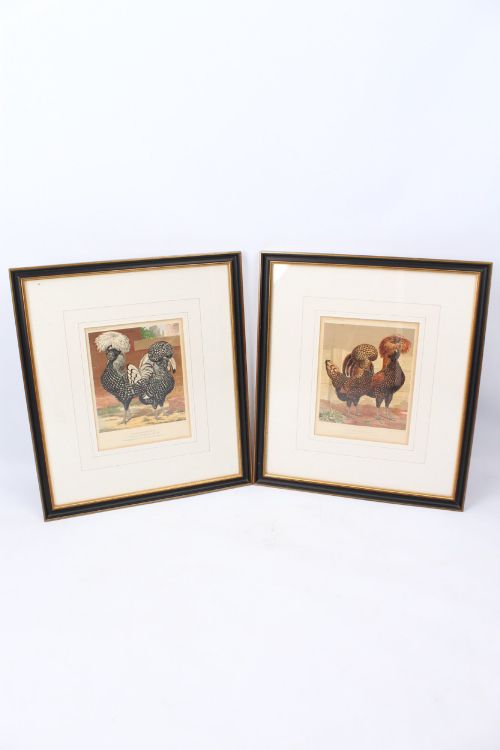
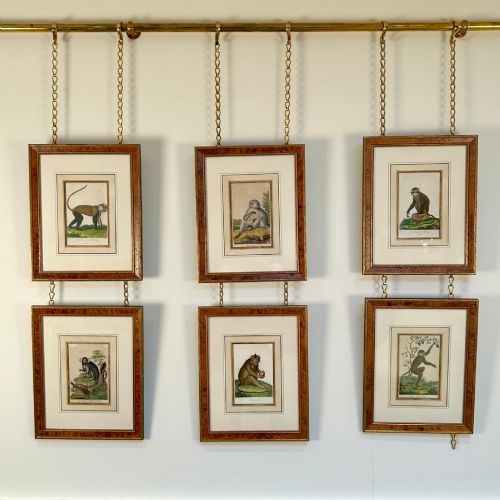
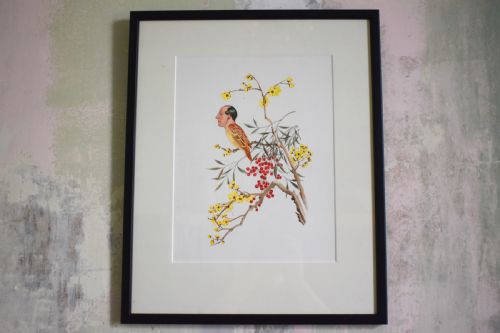
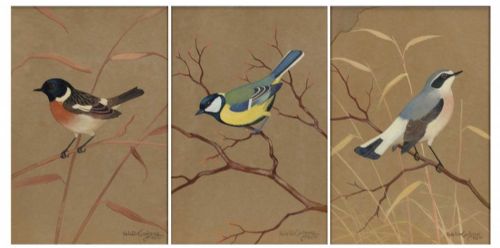
Framed natural history illustrations encompass a diverse range of printed and painted subjects, focusing predominantly on ornithology, botany, and zoology. Buyers searching this phrase encounter works that span several centuries, capturing everything from exotic birds and reptiles to garden birds and botanical studies.
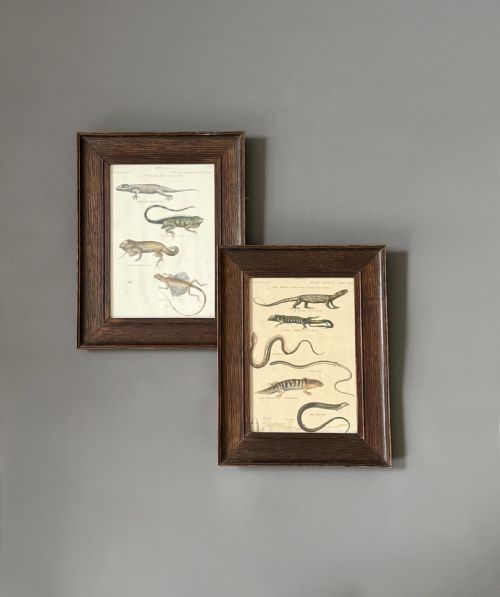
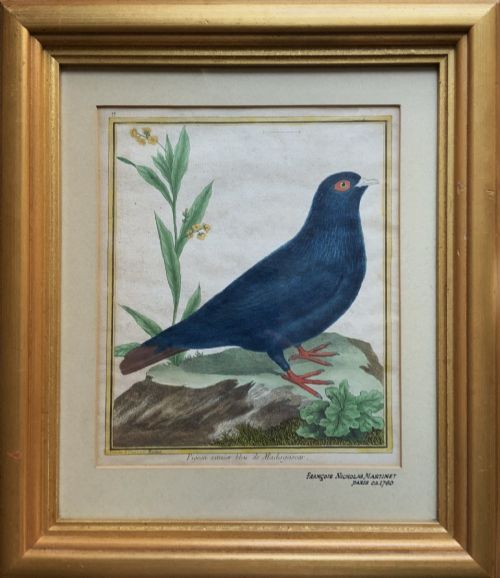
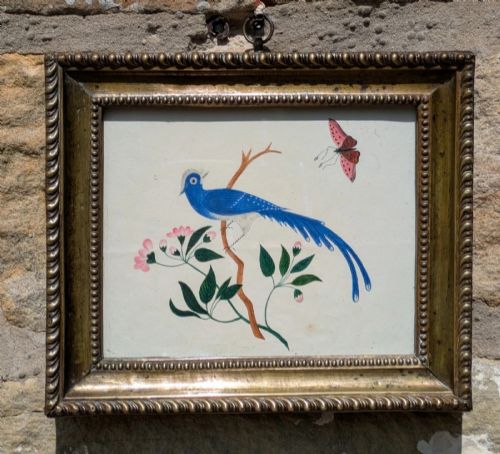
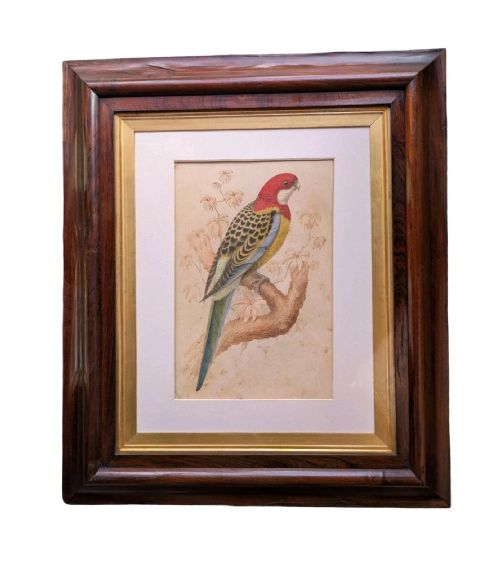
The pieces on this page appear in various formats, including hand-coloured engravings, lithographs, and original watercolours. Many are presented as pairs or sets, featuring subjects like parrots, fish, serpents, and insects housed within period wooden and gilt frames.
How they were made
Makers utilised paper as the primary support for these works, applying ink, pencil, and delicate watercolour washes by hand. Many prints began as copperplate engravings or lithographs before receiving meticulous hand-colouring to bring the biological subjects to life.
Mounting and framing involved wood, glass, and gold leaf, often incorporating gilt wood mounts or ebonised frames to protect the paper and enhance the visual depth of the artwork.
Subject matter ranges from botanical studies with insects to exotic birds, fish, and anatomical animal skeletons.
What varies in quality
The fidelity of the biological drawing and the precision of the engraving work define the upper tier of these pieces. Hand-applied pigment quality and the preservation of the paper tone significantly influence the visual impact of the work.
The craftsmanship of the surrounding frame, particularly the presence of period gilt wood or specialised mounts, contributes to the overall integrity and desirability of the framed piece.
François-Nicolas Martinet·Oliver Goldsmith·Jonathan Couch·William Andrews Nesfield·Harry Bright·John Curtis·Georg Wolfgang Knorr·William Swainson·Edward Lear
The Framed Natural History Illustrations Glossary
- Engraving
- A printmaking technique where an image is incised into a metal plate, holding ink for transfer to paper. This method allowed for fine, precise lines essential for scientific illustration.
- Lithography
- A planographic printing method based on the repulsion of oil and water, enabling the reproduction of subtle tonal variations and colours. It became widely used for mass-producing illustrations in the nineteenth century.
- Ornithology
- The branch of zoology focused on birds, which forms the subject matter for a significant portion of these framed prints and paintings. Ornithological plates often document specific species with scientific accuracy.
- Gilt Wood
- Wood treated with gold leaf or gold paint to create a decorative metallic finish. This material frequently appears in the framing of high-status historical artwork.
Framed Natural History Illustrations: Frequently Asked Questions
How should I hang these framed prints?
Protect the paper and watercolour pigments by positioning them away from direct, harsh sunlight. Consistent indoor temperatures help prevent the paper from warping inside the frame.
Grouping pairs or sets together maintains historical context on the wall. Ensure the hanging wire and wall fixings adequately support the weight of the wooden and glass frames.
Are these works original or reproductions?
The listings consist of period works created during the eighteenth, nineteenth, and twentieth centuries. Many feature original hand-colouring applied over copperplate engravings or lithographs.
Original watercolours and drawings are also represented alongside period prints. Each piece reflects the printing and painting techniques of its specific era.
How do I identify the age of a piece?
Dating relies on the paper characteristics, printing technique, and stylistic markers of the period. Eighteenth-century engravings often display distinct plate marks and handmade laid paper.
Signatures, inscriptions, and framing styles also provide clues to the approximate date of creation. Comparing the subject matter to known historical natural history publications aids verification.
Can I clean the glass on these frames?
Use a soft cloth slightly dampened with water or standard glass cleaner to wipe the exterior glass. Apply the liquid to the cloth rather than spraying directly onto the frame to prevent moisture seeping inside.
Exercise caution around antique wood and gilt surfaces to avoid accidental damage. Leave internal cleaning to professional conservators if dust accumulates behind the glass.