



Pair 19th Century Prints
These pair 19th century prints bring balanced symmetry and historical narrative to a wall, offering matched subjects designed to hang together.
Pair 19th Century Prints
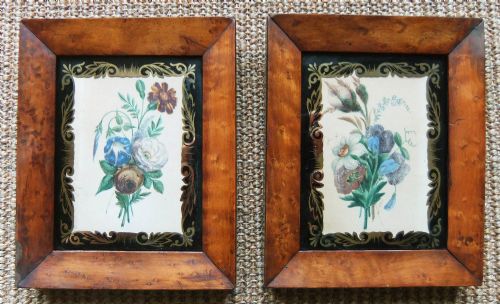
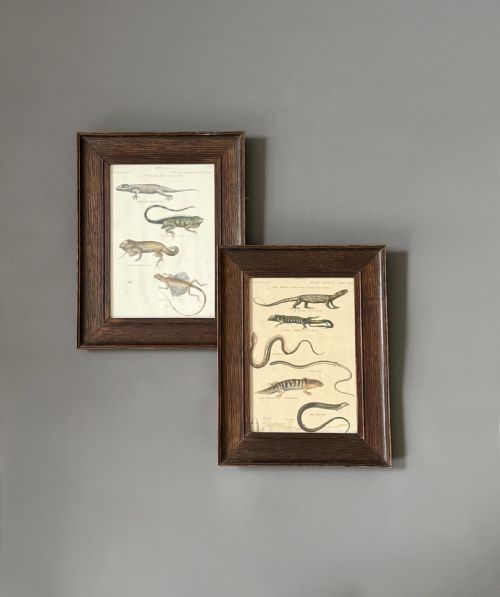
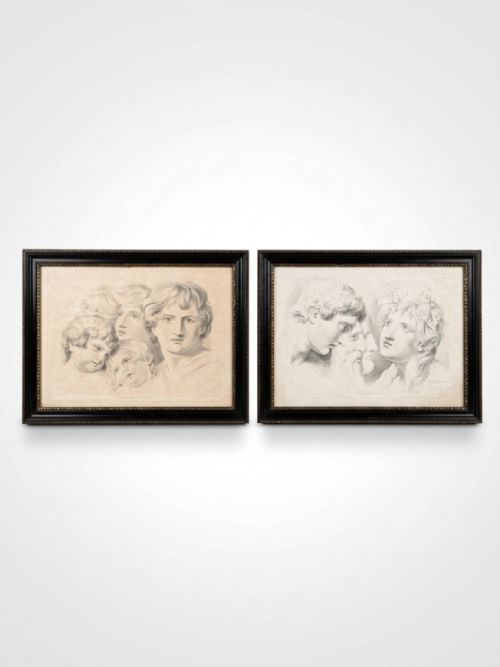
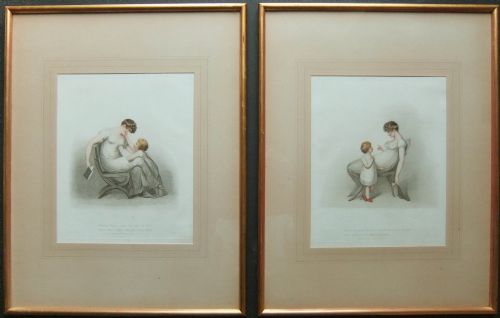
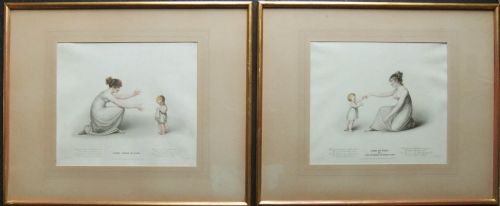
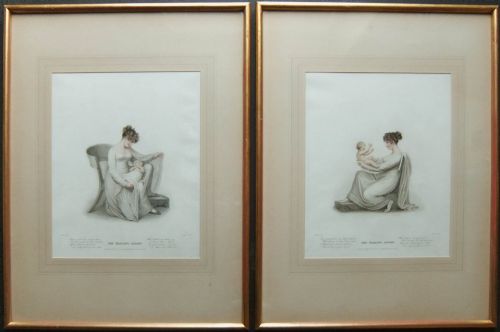
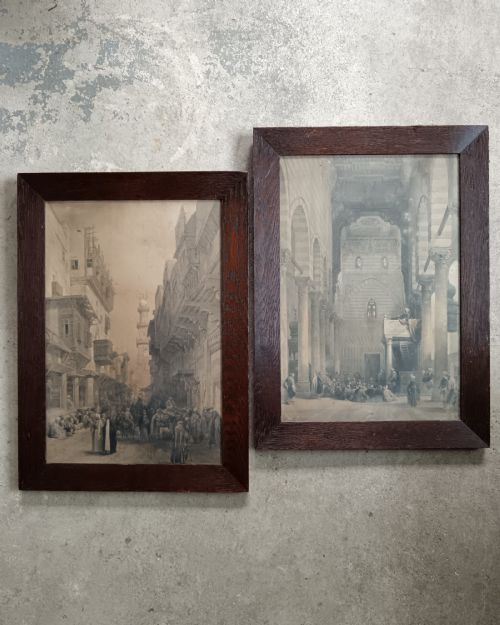
When searching for pair 19th century prints, buyers encounter matched sets spanning botanical studies, natural history, classical subjects, and domestic scenes. The options range from delicate engravings of children and fashion plates to architectural views of the Middle East and ornithological studies of birds.
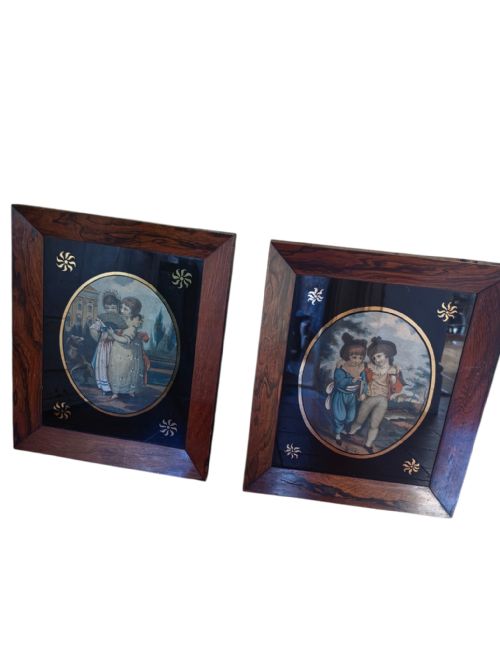
Many of these matched pairs emerge from the Georgian and Victorian periods, often framed in rosewood, giltwood, or original period frames. Alongside standard paper prints, the selection incorporates specialised variants such as lithographs, stipple engravings, mezzotints, and crystoleoms.
The subjects reflect the varied visual interests of the nineteenth century, encompassing Italian still life, military formations, theatrical silkwork pictures, and Grand Tour classical engravings. Buyers frequently find framed artwork where both pieces share a uniform visual theme or narrative arc.
Materials and methods
The creation of these works relies fundamentally on paper, glass, and wood. Printmakers utilised copper plates, lithographic stones, and steel plates to transfer ink onto paper, frequently applying hand colouring afterwards to enhance reptiles, birds, and botanical foliage.
Framing materials play an essential role in preserving these works, utilising oak, rosewood, and gilt wood. Gilt leaf and gold leaf provide traditional decorative borders, while protective glass shields the delicate paper and silkwork from atmospheric damage.
Pair 19th Century Prints Retail Price Guide 2026
Typical asking prices for pair 19th century prints among the pieces listed under this phrase on Sellingantiques today, from the lower quarter to the upper quarter. They describe what is for sale here now, not the wider market.
Listings feature paper, glass, and wood across periods from the Georgian era through the Victorian period and into the early twentieth century.
Judging the range
Quality separates standard decorative items from superior collector pieces through the crispness of the impression and the precision of any hand colouring. Earlier impressions from a plate show sharper detail, whereas worn plates yield softer, muddier lines.
The integrity of the framing contributes significantly to the overall standard. Original period frames, particularly those retaining their original gilding or maker stamps, elevate the context of the paired works compared to later, modern replacements.
William Bird MD FLS·Adam Buck·David Roberts RA·Louis Haghe·Pierre Buillon·Henri Chatillon·Samuel Sidley
The Pair 19th Century Prints Glossary
- Engraving
- A printmaking technique where an artist cuts lines into a metal plate with a burin to hold ink. This method produces precise, clean lines well suited to detailed botanical and animal studies.
- Lithography
- A planographic printing process based on the repulsion of oil and water on a limestone slab or metal plate. It enabled the successful production of multi-coloured pictorial plates during the nineteenth century.
- Crystoleom
- A Victorian technique where a lithograph or print is made transparent, applied to glass, hand painted from the reverse, and backed. This process creates a luminous, three-dimensional painted effect.
- Mezzotint
- A tonal printmaking method where the copper plate is roughened uniformly to produce dark areas, then scraped to create lighter gradations. It yields rich, velvety dark tones ideal for portraits and atmospheric scenes.
- Stipple engraving
- A method of creating prints by dotting the plate rather than cutting continuous lines, generating soft tonal effects. It gained popularity for delicate portraiture and sentimental domestic subjects.
Pair 19th Century Prints: Frequently Asked Questions
How do I hang a pair properly?
Hang the two prints at eye level with a consistent gap between them to maintain visual balance. Align the top edges or the centres precisely so the matched frames read as a single cohesive display.
Ensure they hang away from direct sunlight to protect the paper and any hand-applied watercolour pigments from fading over time.
Are original frames important?
Original frames provide historical context and often complement the aesthetic of the period in which the prints were produced. Rosewood and period giltwood frames particular to the nineteenth century enhance the authenticity of the set.
While prints can be reframed for conservation reasons, retaining the original housing preserves the complete historical object as it was displayed generations ago.
What subjects are most common?
Natural history subjects such as birds, butterflies, and botanical studies frequently appear in pairs. Narrative domestic scenes, classical Grand Tour antiquities, and topographical views of the Middle East also form a large portion of the available selections.
Matching pairs often depict complementary themes, such as morning and evening scenes, or sequential narrative titles intended to tell a short story across the two frames.
How should I care for paper prints?
Keep the prints in rooms with stable humidity and temperature to prevent the paper from cockling or developing foxing spots. Acid-free backing materials inside the frame help prevent chemical degradation of the paper over the decades.
Dust the frames gently with a dry cloth and avoid using liquid cleaners near the exposed edges of the glass where moisture could seep inside.