
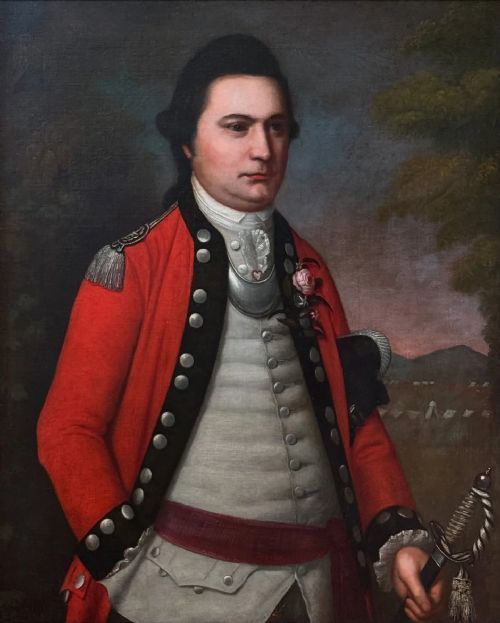
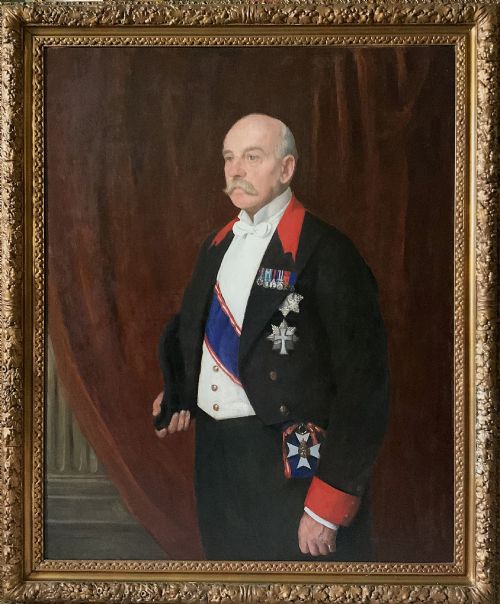
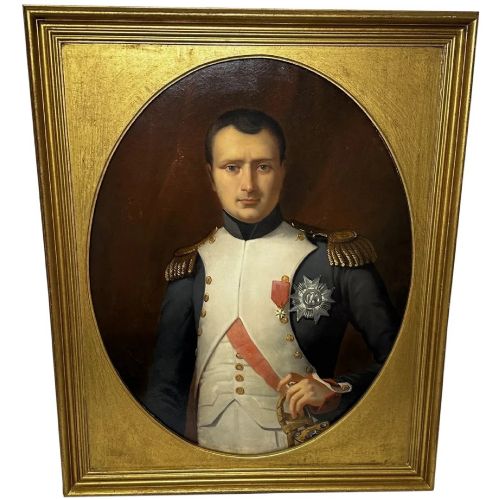
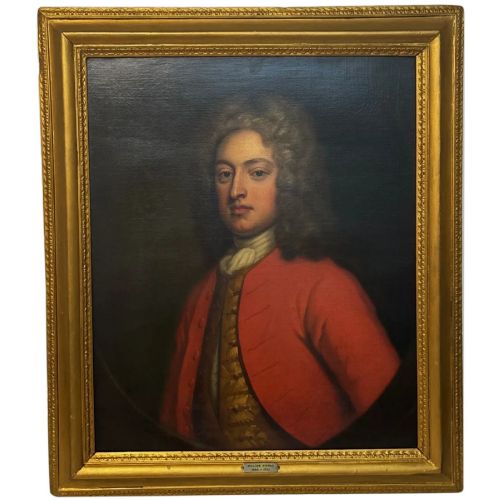

Framed Military Oil Painting
When you search for a framed military oil painting, you are looking at centuries of portraiture and campaign scenes set in heavy wooden surrounds.
Framed Military Oil Painting
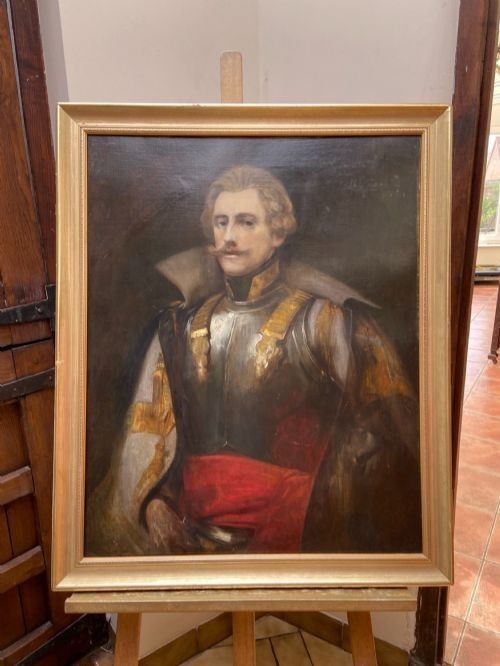
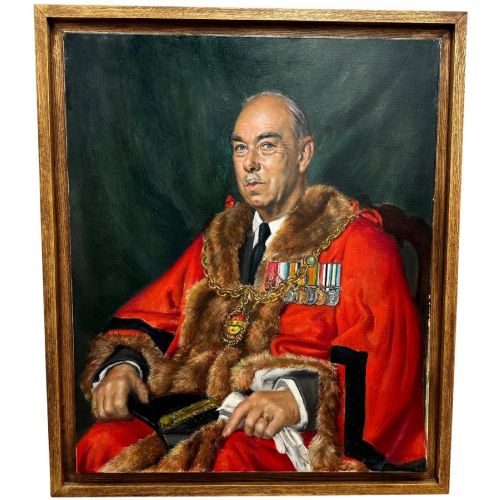
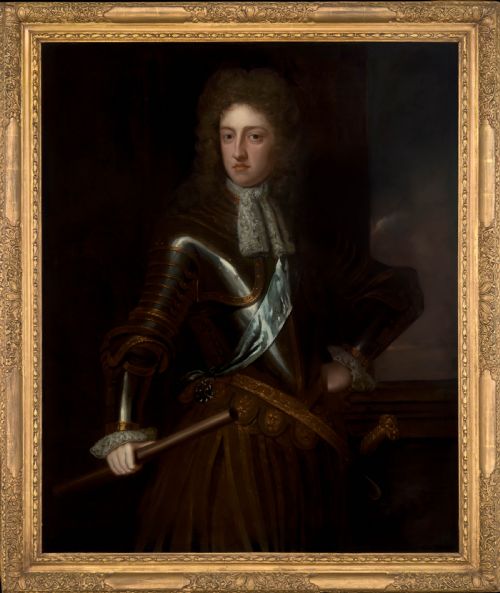
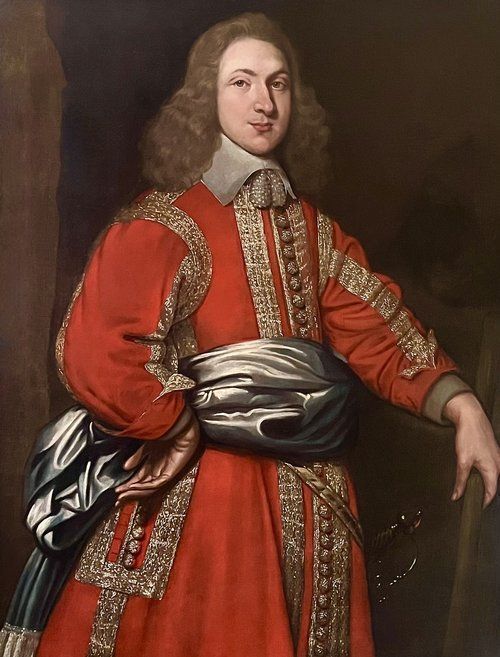
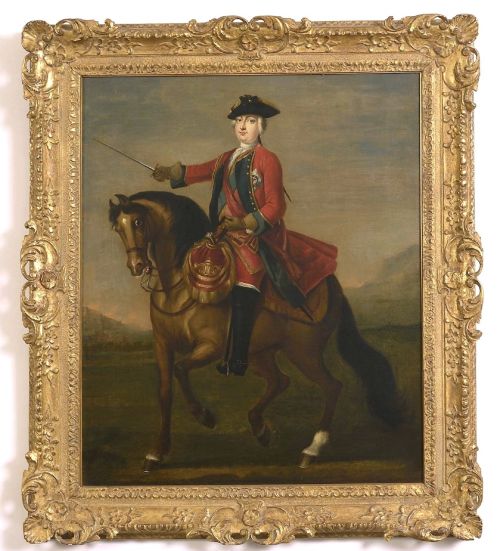
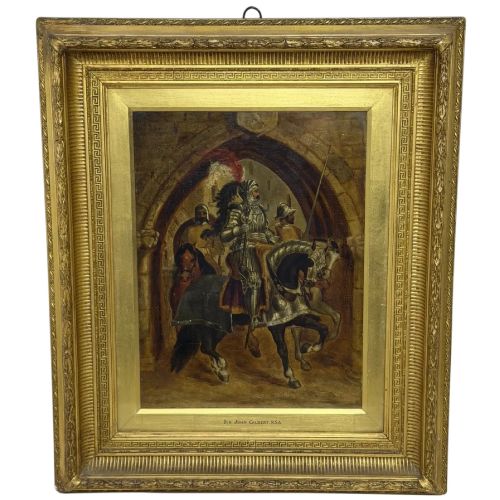
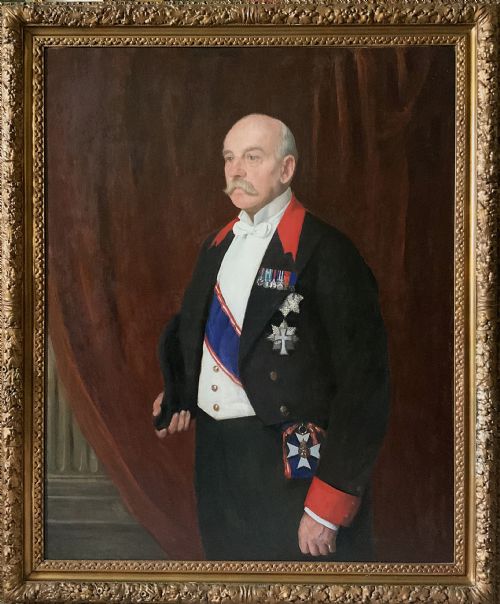
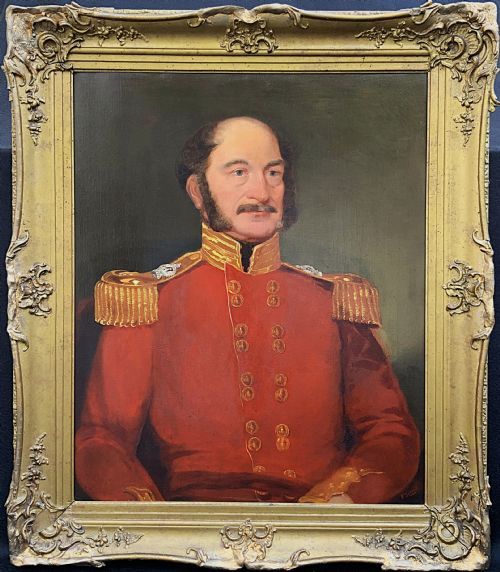
A framed military oil painting depicts officers, generals, and naval commanders from the seventeenth century through to the mid-twentieth century. These works capture subjects in full uniform, red coats, armour, or battle scenes on canvas.
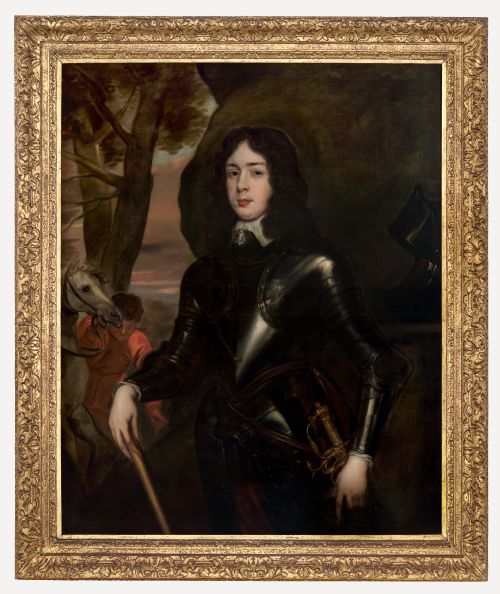
The most common examples on this page date from the nineteenth and eighteenth centuries, often presenting formal officer portraits or large historical militia canvases. Earlier seventeenth-century works depict figures in complete suits of armour or royalist service.
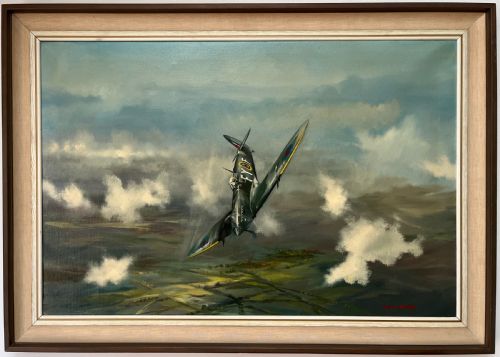
The selection ranges from intimate miniature paintings to monumental works of generals and admirals. Alongside formal portraits, you will find depictions of cavalry skirmishes and aviation subjects.
How they were made
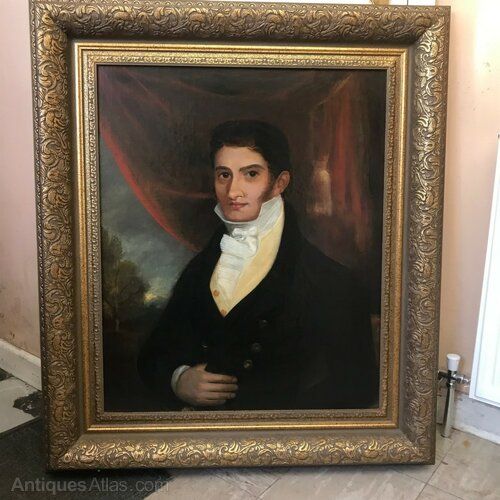
Surrounding the canvases are substantial frames constructed from wood and giltwood, frequently finished with gold leaf. These frames range from simple nineteenth-century moulding to elaborate period surrounds that complement the scale of the portrait.
Framed Military Oil Painting Retail Price Guide 2026
Typical asking prices for framed military oil painting among the pieces listed under this phrase on Sellingantiques today, from the lower quarter to the upper quarter. They describe what is for sale here now, not the wider market.
The listings feature works spanning from the seventeenth century through to the 1950s, executed in oil on canvas with giltwood framing.
What varies in quality
The distinction between ordinary workshop pieces and exceptional works lies in the precision of the facial likeness and the rendering of textiles. Master hands define the heavy wool of a red coat, the intricate detail of an order or medal, and the psychological depth of the sitter.
Quality also rests in the preservation of the original canvas and the matching period frame. Retained stretcher bars, untouched paint layers, and original giltwood surrounds elevate the standing of an individual canvas.
Bernard Hailstone·Sir Godfrey Kneller·Stickland Lowry·John Wootton·Thomas Hudson·Sir Anthony van Dyck·John Simmons·Nicolas De Largillière·Edith Alice Simkins·John A. Houston·David Scougall·Sir John Gilbert·David Nicholson Ingles
The Framed Military Oil Painting Glossary
- Oil on Canvas
- A painting medium where pigments are suspended in a drying oil, applied to a woven fabric support stretched across a wooden frame. This technique allowed artists to achieve rich tones and subtle gradations in military uniforms.
- Giltwood
- Wood that has been treated with a thin layer of gold leaf or metallic powder. It provides the decorative, reflective border typical of fine antique picture frames.
- Armour
- Protective steel body covering worn by commanders and knights in early portraits. Its inclusion denoted high status and martial lineage in seventeenth-century paintings.
- Circle of
- A term used when a painting is by an unidentified artist working closely within the distinct style of a known master. It reflects the broader workshop traditions of past centuries.
- Red Coat
- The standard military tunic worn by British infantrymen and officers for centuries. Its bright pigment dominates many eighteenth and nineteenth-century portraits.
Framed Military Oil Painting: Frequently Asked Questions
What periods do these paintings cover?
The listings span from the seventeenth century through the Georgian and Victorian eras up to the mid-twentieth century. You will find seventeenth-century figures in armour alongside Edwardian and 1950s portraits.
Earlier works often feature Anglo-Dutch or seventeenth-century sitters, while later pieces capture World War figures and twentieth-century realists.
How do I identify a naval officer portrait?
Naval officer portraits generally feature specific uniform details such as historical cocked hats, dark blue jackets, and specific service ribbons or medals. Artists often included maritime backgrounds showing distant shipping or coastal action.
In contrast, army officers typically appear in red coats, tunics, or full plate armour.
Are the frames original to the canvases?
Many works retain their period giltwood or wood frames, which date from the same era as the canvas itself. Elaborate nineteenth-century frames often complement large-scale militia portraits.
Surrounds can vary, with some pieces housed in later or replacement frames that match the historical style of the artwork.
How were these military paintings displayed originally?
These portraits hung in country houses, officers' messes, and regimental headquarters to commemorate service and lineage. Large-scale canvases were designed to project authority and record historical military commands.
Smaller works and miniatures were intended for private family parlours and personal remembrance.