


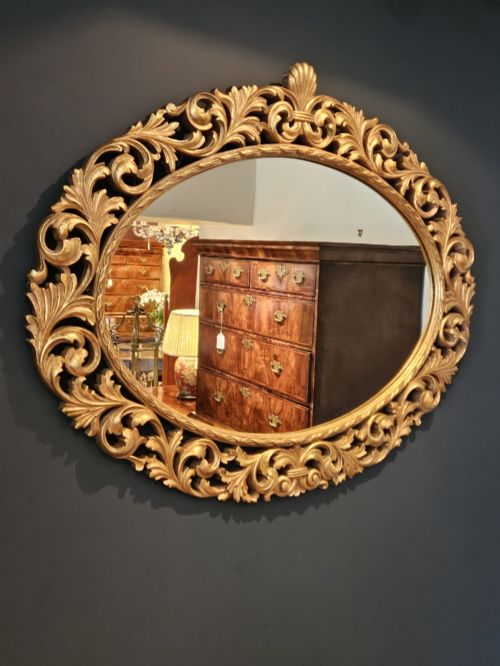
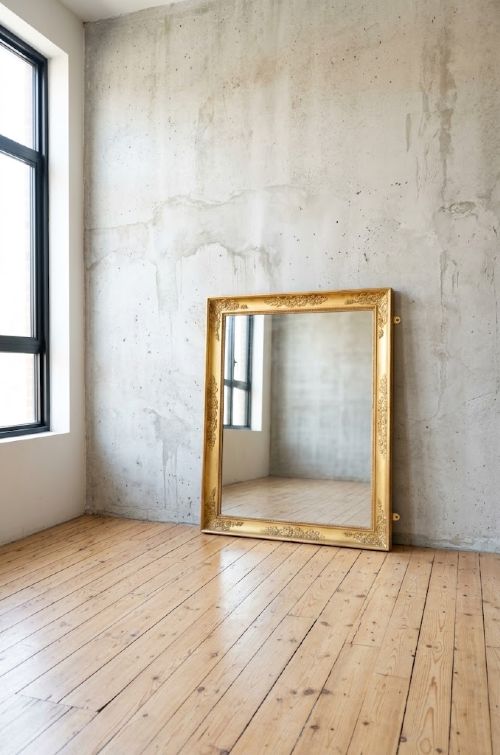
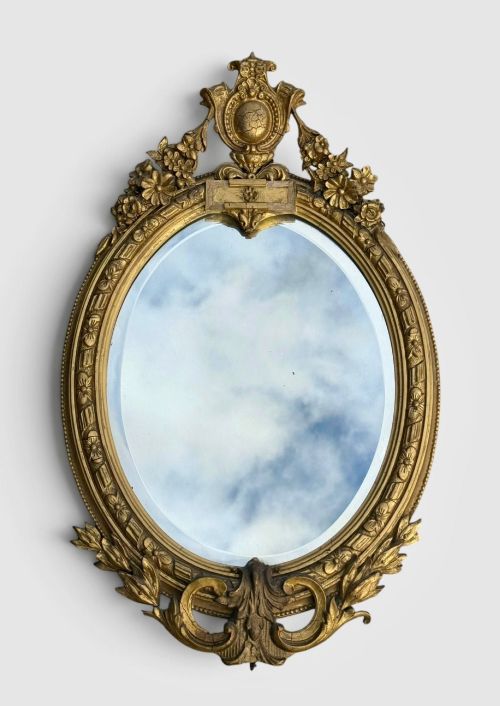
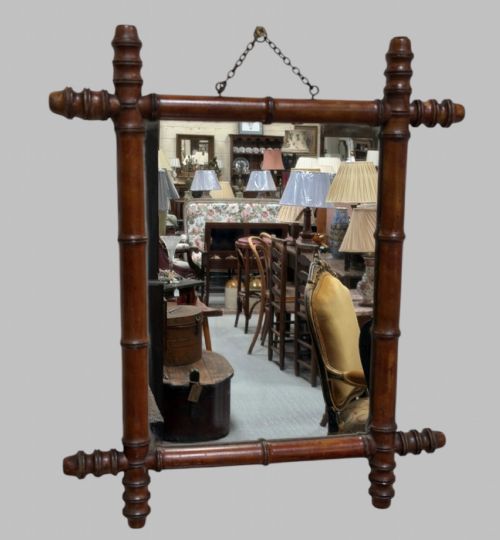
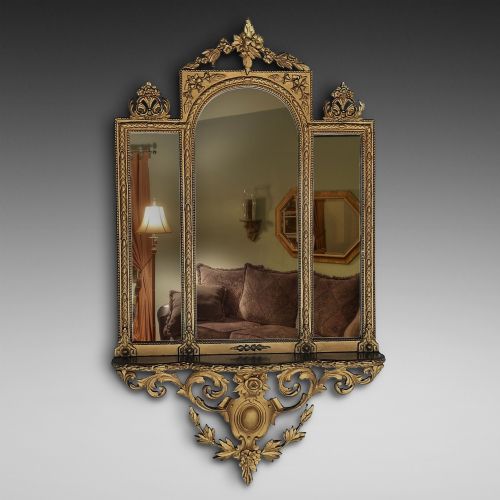
Framed Hanging Mirror
A framed hanging mirror anchors a room, reflecting light and space through centuries of carved wood and giltwork.
Framed Hanging Mirror
A framed hanging mirror is a wall-mounted glass panel set within a constructed boundary, designed to reflect light and expand interior spaces. When exploring this selection, one encounters pieces spanning from the eighteenth century through the Victorian era and into the early twentieth century.
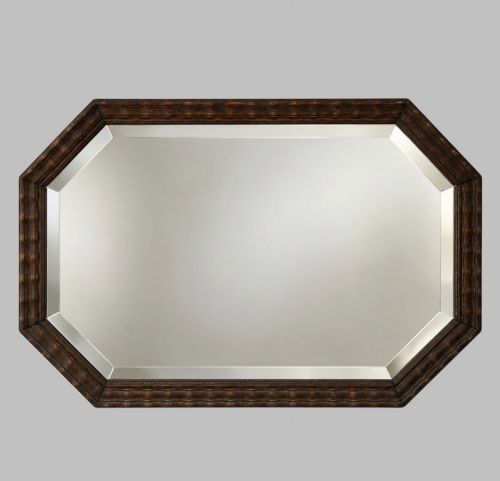
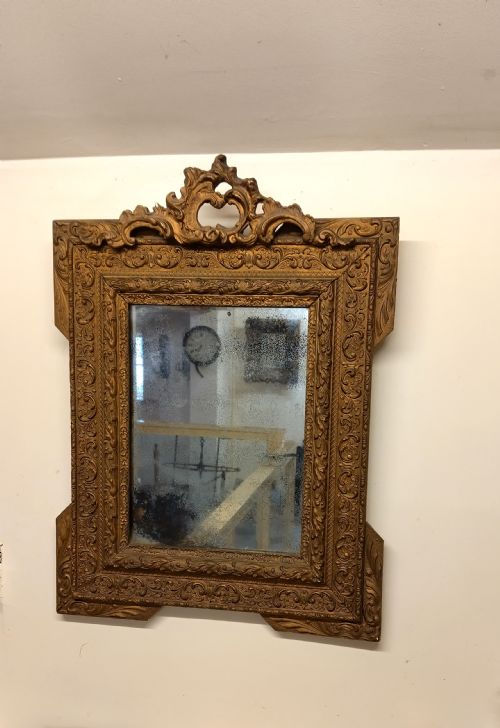
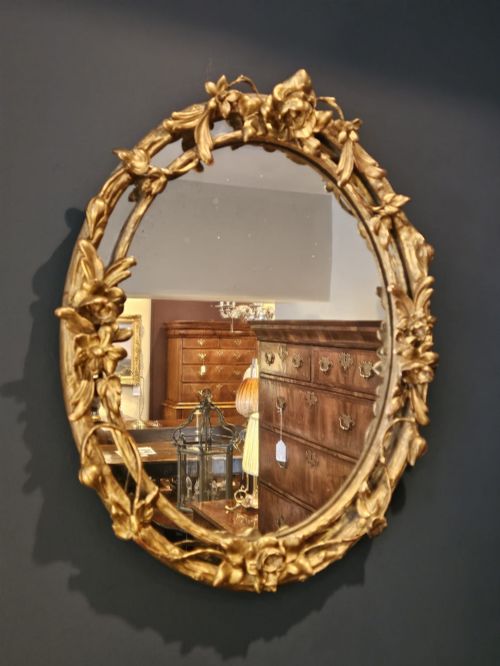
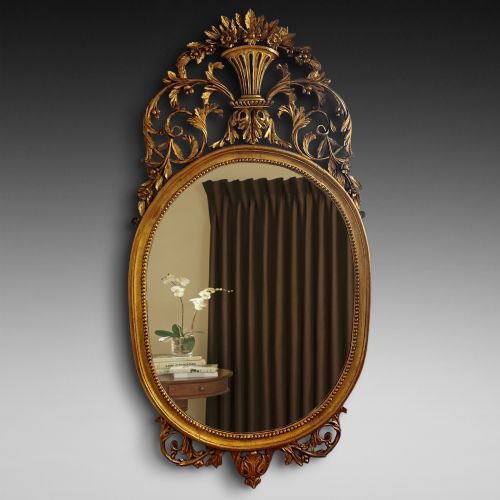
The most common formats on this page include substantial Victorian oak and mahogany wall frames alongside ornate nineteenth-century giltwood and gesso designs. Rectangular and oval silhouettes dominate, often shaped for overmantles, hallways, and principal reception rooms.
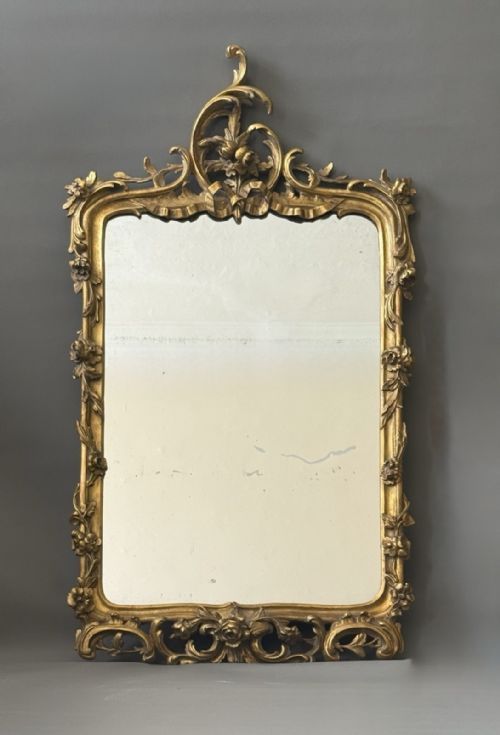
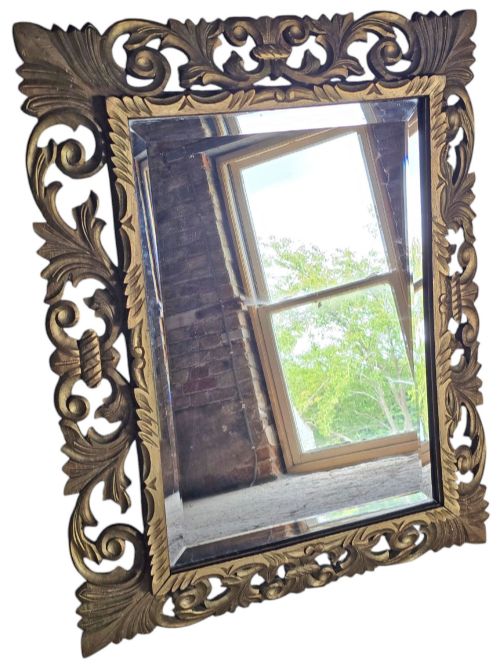
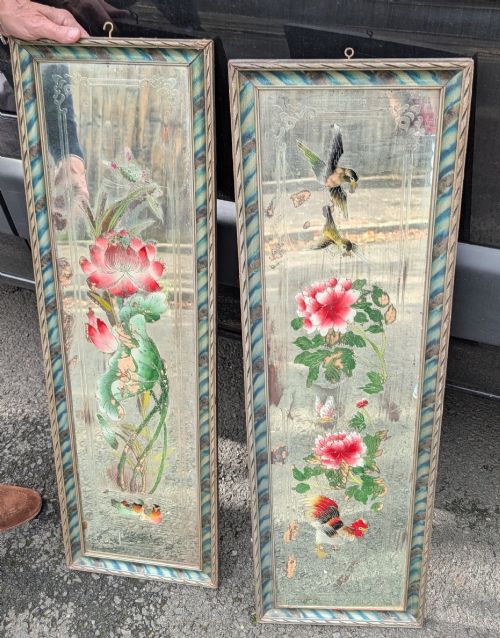
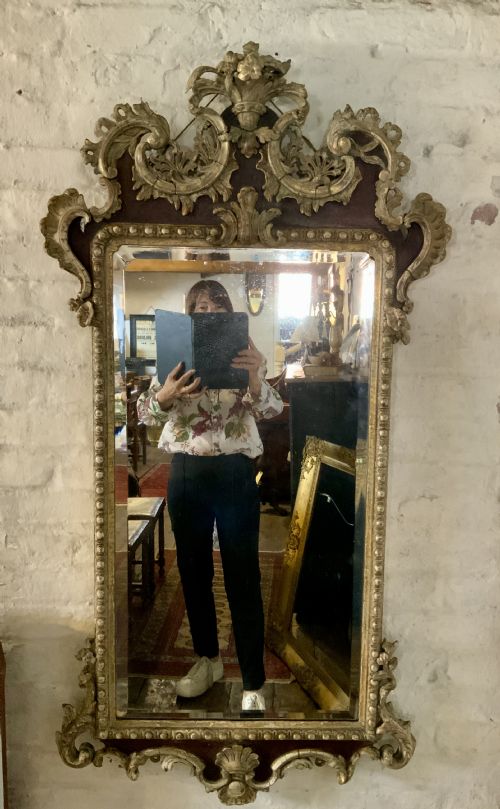
Regional and stylistic variations appear frequently, ranging from restrained Georgian mahogany inlays to exuberant French Rococo revival carvings, Italian Florentine work, and Chinoiserie details. Each piece reflects the decorative priorities of its period, utilising timber and metal frames to suit domestic interiors.
Defining Quality Across the Range
The distinction between ordinary and exceptional pieces lies in the depth and crispness of the hand-carving within the frame. Superior examples display undercut foliage, sharply defined motifs, and harmonious proportions where the weight of the frame complements the glass plate.
Material selection dictates the upper tier of the range, seen in solid walnut, finely figured mahogany, and genuine gold leaf burnished over gesso rather than modern metallic paint. Original mirror plates with period bevels and subtle foxing hold greater integrity than later replacement glass.
Structural honesty and the preservation of original surfaces separate fine workshop output from heavily restored items. The skill of the original gilder or woodcarver remains visible in the fluidity of the scrollwork and the precision of the mitred joints.
Framed Hanging Mirror Retail Price Guide 2026
Typical asking prices for framed hanging mirror among the pieces listed under this phrase on Sellingantiques today, from the lower quarter to the upper quarter. They describe what is for sale here now, not the wider market.
Certain Victorian frames incorporate hidden Masonic symbols and carved cherubs guarding the glass.
Waring & Gillow
The Framed Hanging Mirror Glossary
- Gesso
- A plaster-like mixture applied to wood frames as a smooth base for gilding or painting. Artisans carved intricate decorative details directly into this layered material before applying gold leaf.
- Giltwood
- Timber that has been coated with gold leaf. This technique was widely utilised during the eighteenth and nineteenth centuries to create reflective, luxurious wall furniture.
- Overmantle
- A large mirror specifically designed to hang on the wall directly above a fireplace mantelpiece. These pieces often feature wide rectangular or arched formats to span the hearth.
- Bevel
- An angled edge cut along the perimeter of a mirror plate. This technique creates a prismatic border that catches and refracts light into the room.
- Pier glass
- A tall, narrow mirror traditionally hung on the solid pier of wall space situated between two windows. They reflect natural light back into darker interior spaces.
Framed Hanging Mirror: Frequently Asked Questions
How do I hang a heavy antique mirror safely?
Heavy frames require robust fixings secured directly into wall studs or masonry using appropriate weight-rated brackets. Professional mirror hangers utilise two points of contact to distribute the load evenly.
Older frames often feature original iron rings or fixings on the reverse that must be inspected for strength before installation. Ensure the hanging wire or chain is strong enough to support the substantial weight of timber and glass.
Can I place these mirrors in a bathroom?
High humidity and fluctuating temperatures in bathrooms can damage historic gesso, vulnerable gold leaf, and traditional wood adhesives. Moisture risks clouding the antique silvering behind the glass plate over time.
Dry interior spaces such as hallways, living rooms, and bedrooms provide a more stable environment for preserving these delicate materials. Hallway placements also take advantage of natural light to brighten darker corridors.
How do I tell a Victorian mirror from an 18th-century one?
Eighteenth-century examples frequently exhibit walnut or parcel-gilt veneers, hand-carved Rococo asymmetrical scrolls, and older glass plates with distinct hand-bevelled edges. The timber backing boards and framing joinery on these pieces reflect earlier cabinet-making traditions.
Victorian pieces often utilise denser gesso mouldings, machine-sawn oak or mahogany structures, and heavier symmetrical ornamentation like floral vines or Gothic tracery. Examining the construction of the frame and the backing boards reveals the technological shifts of the nineteenth century.
How should I clean the glass and frame?
Dust the carved frame gently with a soft, dry brush to prevent accumulating dirt within the intricate crevices of the gesso or wood. Avoid chemical sprays or moisture on gilt surfaces, as liquid can dissolve the historic gold leaf.
Clean the mirror plate sparingly using a soft cloth dampened slightly with distilled water, taking care not to let liquid seep behind the edges of the frame. Modern glass cleaners should be kept away from antique frames to protect the surrounding finish.