





Framed Coastal Watercolour Art
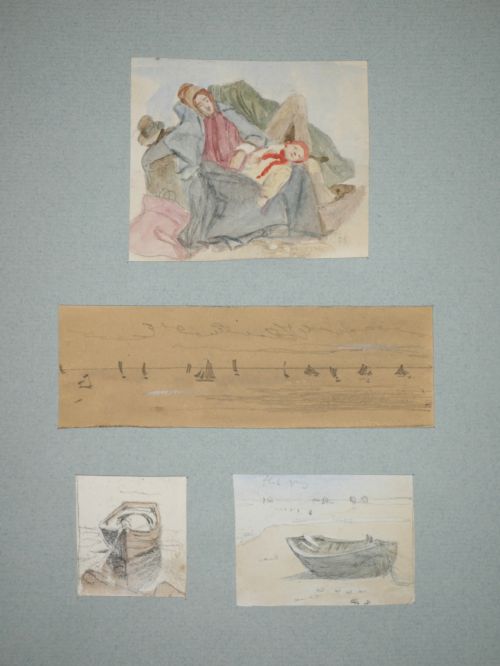
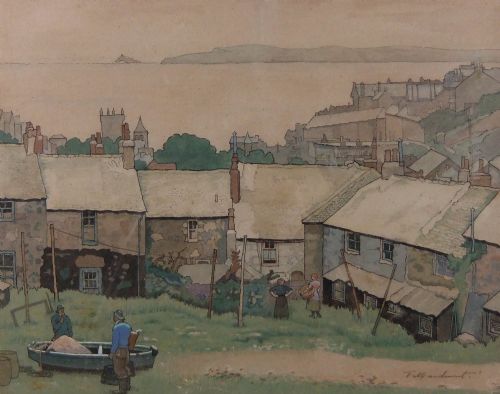
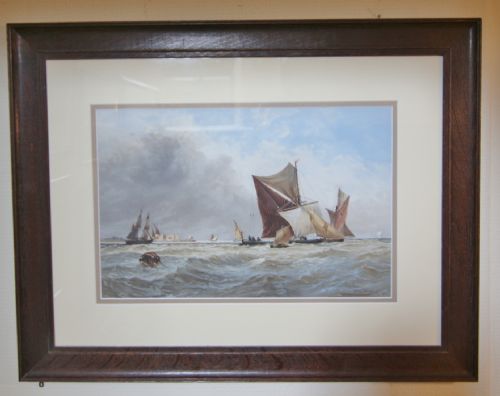
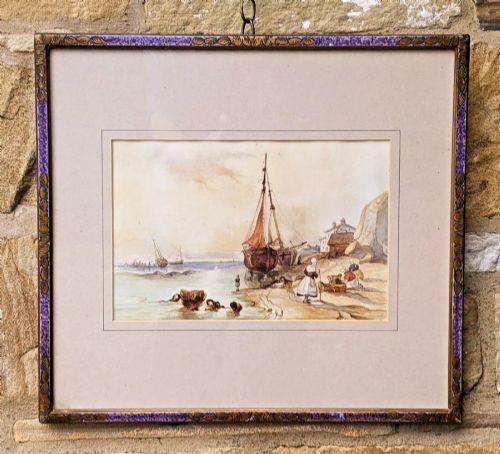
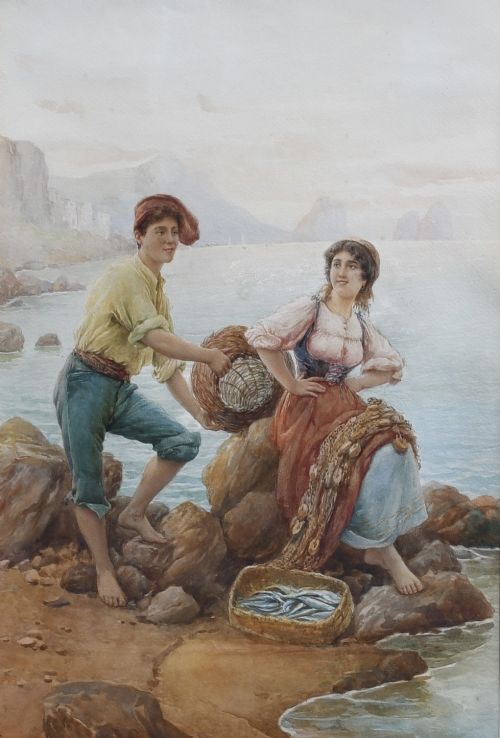
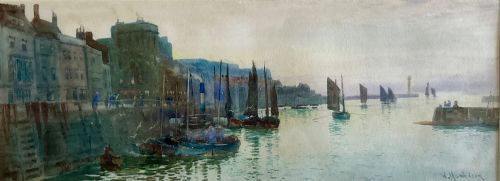
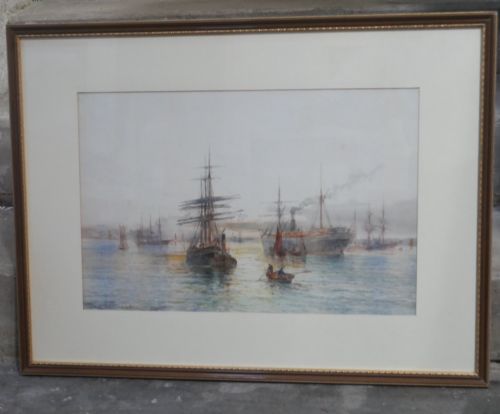
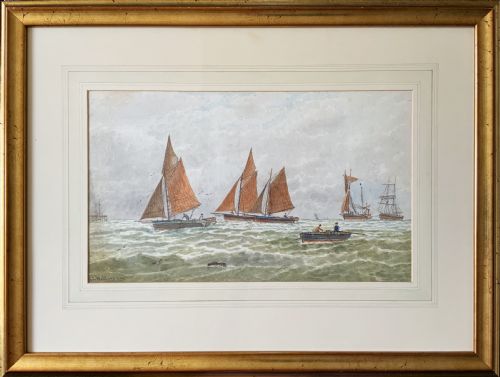
These framed coastal watercolour art pieces capture harbours, fishing boats, and shorelines through delicate washes and traditional framing.
Framed Coastal Watercolour Art
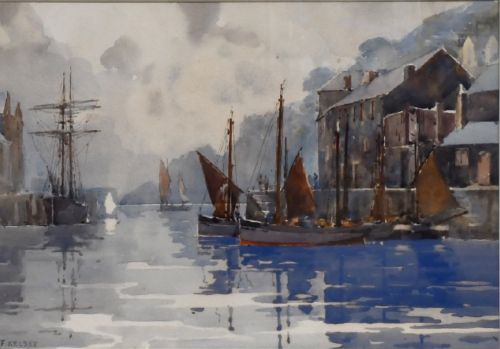
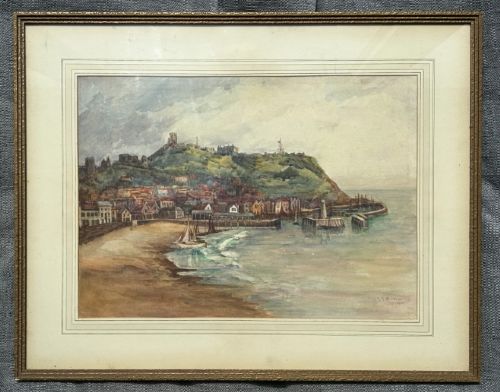
Framed coastal watercolour art captures maritime scenes, fishing harbours, and shorelines using watercolour pigment on paper. You will most frequently encounter 19th-century and early 20th-century British examples depicting familiar ports such as Whitby, St Ives, and Scarborough.
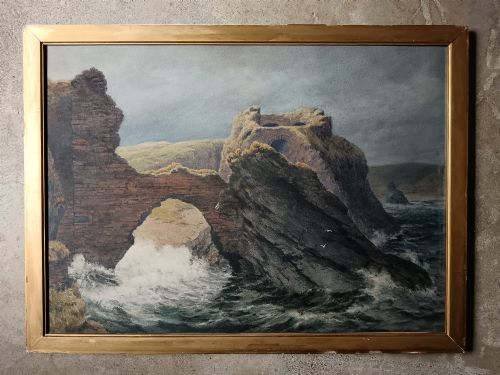
The subjects range widely from busy working harbours with trawling luggers to quiet tidal estuaries and dramatic cliff views. Many works record specific coastal topography along English, Scottish, and foreign shores.
These works typically arrive ready to hang in period wood or gilt frames that complement the paper support and protect the delicate medium beneath glass. The selection spans Victorian maritime illustration through to mid-century coastal painting.
Materials and technique
Artists apply watercolour pigment and bodycolour or gouache onto paper supports using fluid washes to render sea, sky, and coastal light. The translucent nature of the medium allows the white of the paper to shine through as highlights on water and sail.
Finished works sit behind protective glass within wooden or gilt wood frames that preserve the delicate pigments from atmospheric moisture and handling. Many pieces retain period framing that matches the era of the painting.
Framed Coastal Watercolour Art Retail Price Guide 2026
Typical asking prices for framed coastal watercolour art among the pieces listed under this phrase on Sellingantiques today, from the lower quarter to the upper quarter. They describe what is for sale here now, not the wider market.
The listings feature works executed across the Victorian, Edwardian, and mid-century periods using watercolour on paper.
Judging quality and execution
Quality rests upon the artist's ability to control the fluid medium, capturing atmospheric light, movement in water, and architectural detail within harbours with confident brushwork. Stronger compositions balance the expanse of sea and sky with careful rendering of shipping or figures.
The preservation of the paper support and the vibrancy of the watercolour pigments distinguish superior examples from faded or discoloured sheets. Original period frames that suit the scale and date of the artwork add considerably to the integrity of the piece.
James Orrock·Thomas Bush Hardy·George Stanfield Walters·William Russell Flint
The Framed Coastal Watercolour Art Glossary
- Watercolour pigment
- Finely ground colour particles mixed with a water-soluble binder for painting on paper. This medium produces translucent washes that create luminous effects.
- Gilt wood
- Timber framing coated in gold leaf or metallic paint. This finish frequently surrounds Victorian and Edwardian works.
- Works on paper
- A collective term for drawings, watercolours, and prints. These items require protection under glass.
- Bodycolour
- Watercolour paint mixed with a white pigment to make it opaque. Artists utilise this to add solid highlights.
Framed Coastal Watercolour Art: Frequently Asked Questions
Are these watercolours original paintings?
Yes, the pieces listed are hand-painted original works on paper rather than mechanical reproductions or prints. Each brushstroke is unique to the artist's hand.
Close examination under the glass often reveals the texture of the paper and pooling of the watercolour wash.
How do I identify the date of a coastal watercolour?
Look for artist signatures, dates inscribed on the front or reverse, and stylistic clues within the maritime vessels and clothing of any figures. The framing style and backing materials also provide reliable chronological evidence.
Victorian and Edwardian works often feature distinct paper watermarks and specific framing techniques typical of those decades.
Why are most of these watercolours framed?
Framing protects delicate paper and water-soluble pigments from dust, moisture, and physical damage. Glazing is essential for the long-term preservation of works on paper.
Many pieces retain their original period frames, which were chosen to complement the tonal qualities of the maritime scene.