
Framed Classical Engraving
A framed classical engraving brings centuries of graphic art and mythological narrative directly to the domestic wall.
Framed Classical Engraving
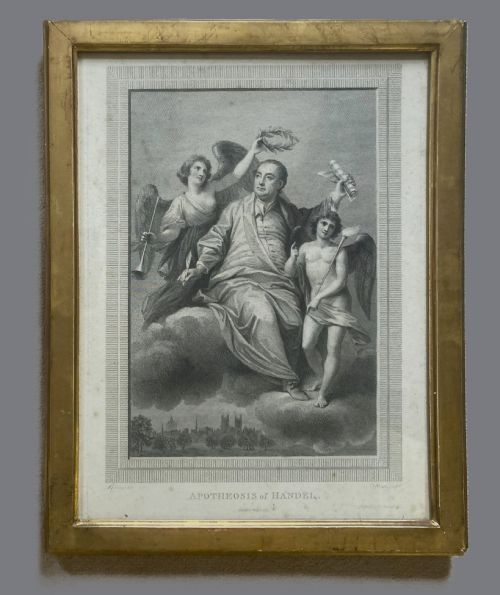
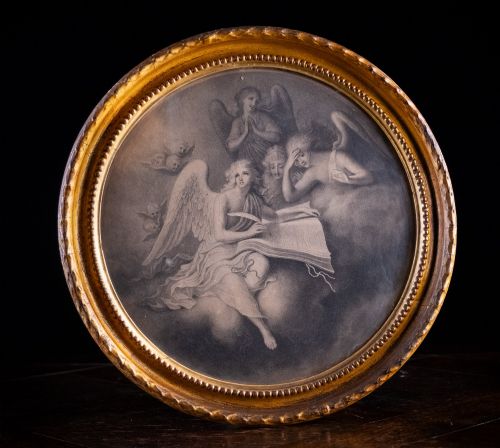
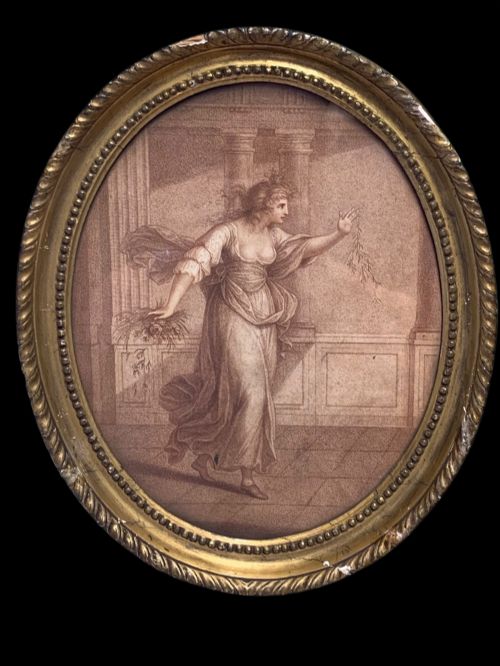
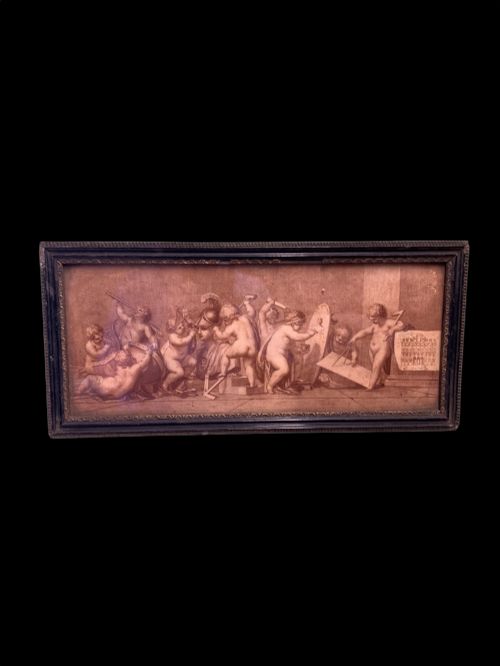
A framed classical engraving comprises printed works on paper, primarily originating from the seventeenth, eighteenth, and nineteenth centuries, set within period or complementary surrounds.
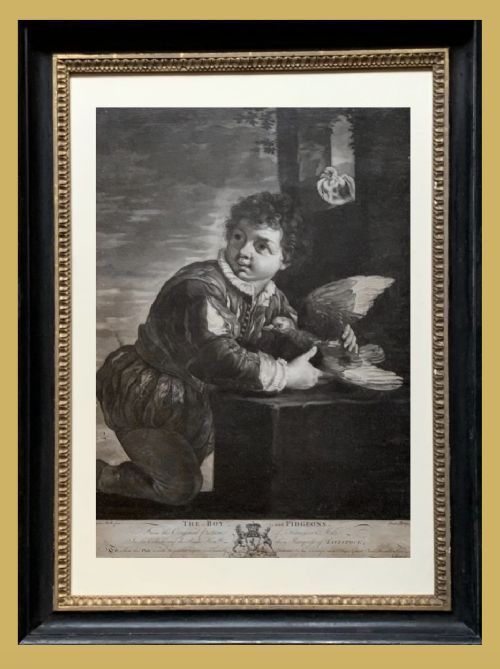
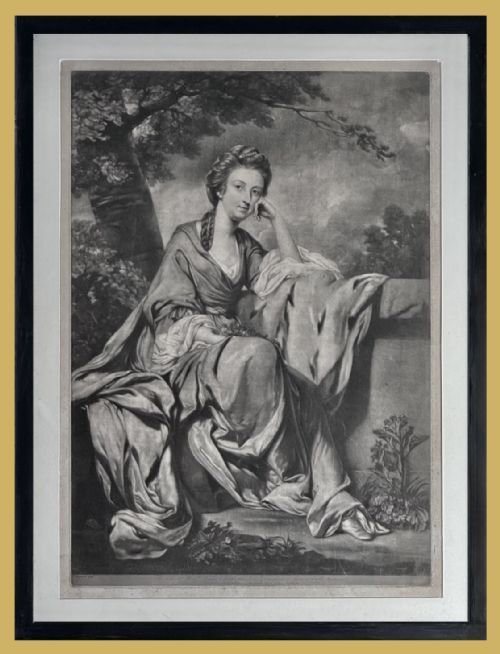
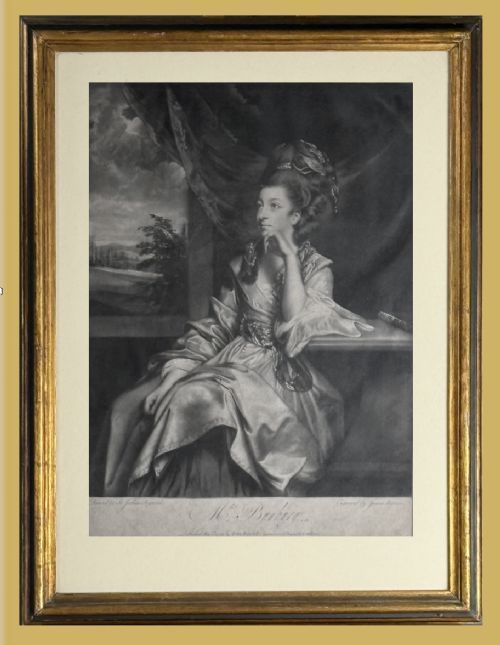
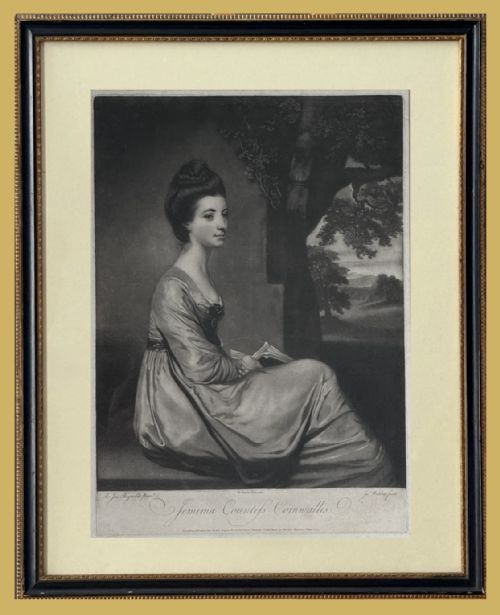
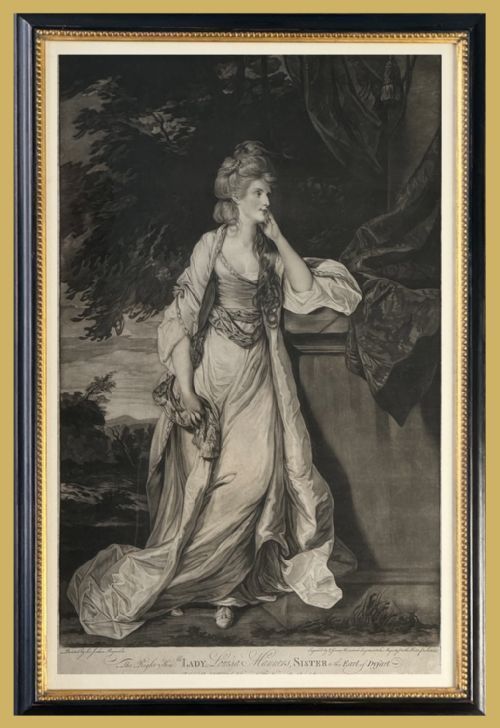
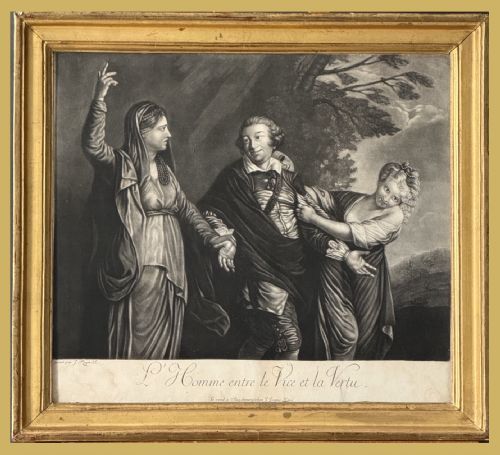
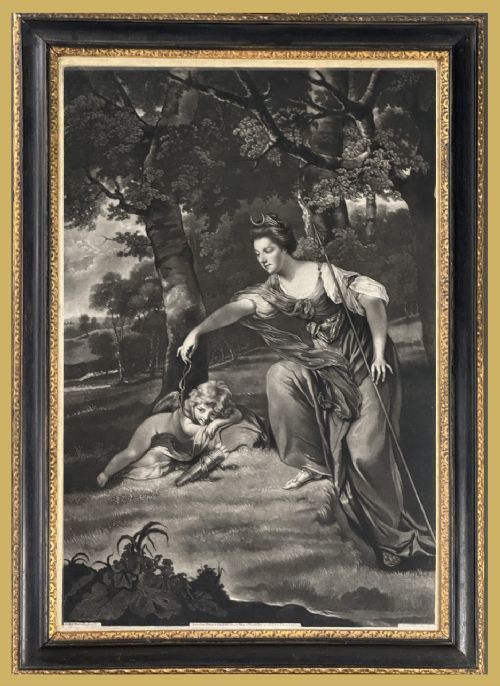
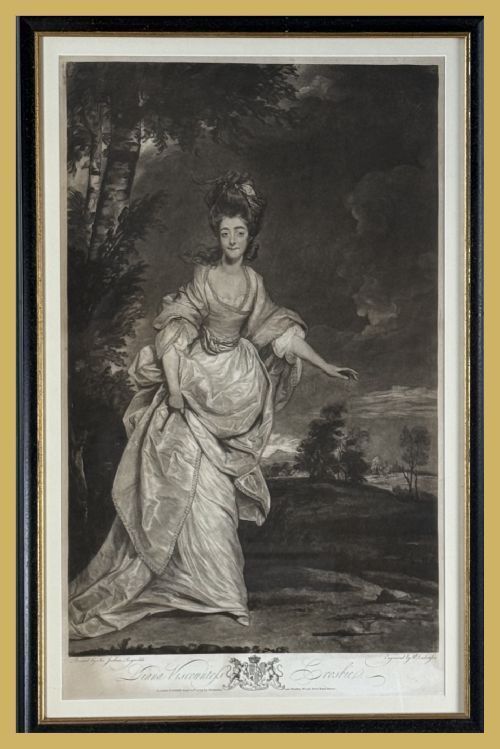
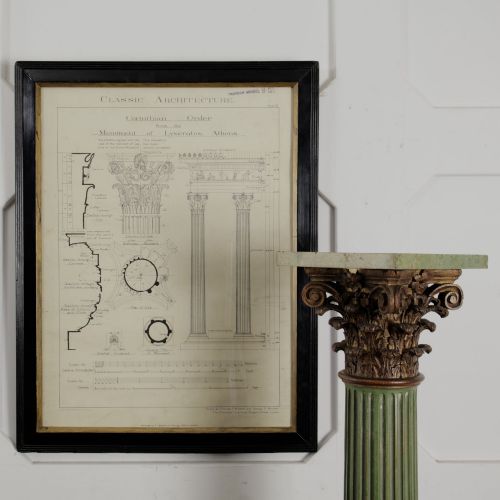
Subjects range from mythological scenes and architectural plates to mezzotint portraits after painters such as Sir Joshua Reynolds, embodying neoclassical and baroque sensibilities.
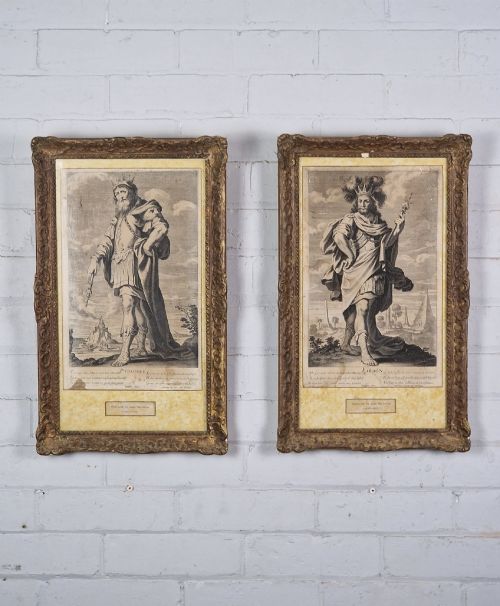
Buyers encounter single sheets, pairs, and sets depicting figures like Diana, classical architectural orders, and allegorical compositions from French and English presses.
Materials and Technique
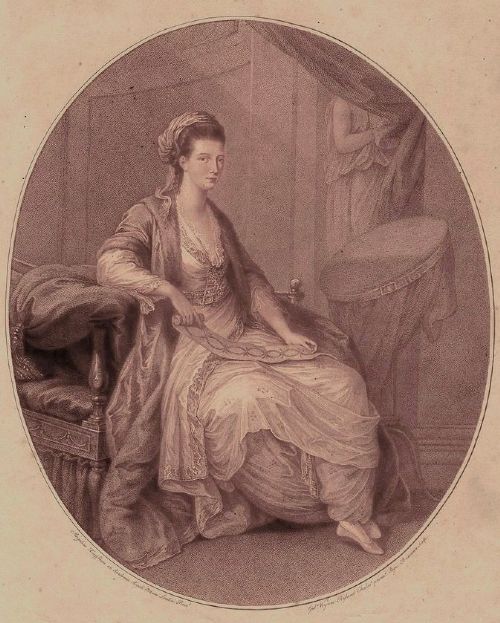
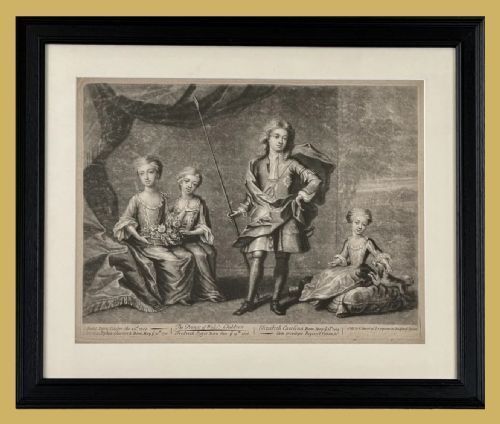
Plates were worked by hand using copper or steel engraving techniques, alongside mezzotint and etching methods, transferring ink onto laid or wove paper.
Framing utilised wood, often gilt or finished with gold leaf, glass, and occasional period surrounds that protect the fragile paper surface within.
Listings span from the seventeenth century through to the 1950s, utilising paper, ink, wood, and gold leaf.
Evaluating the Pieces
Quality rests upon the crispness of the impression pulled from the plate, where early strikes retain fine detail while worn plates yield softer lines.
The integrity of the paper, the presence of original or period framing, and the clarity of the engraver's and painter's credits distinguish superior examples.
John Boydell·Edward Fisher·James Watson·Valentine Green·Étienne Baudet
The Framed Classical Engraving Glossary
- Mezzotint
- A printmaking process where the copper plate is roughened to produce dark tones and smooth areas are scraped for highlights. This method created rich, velvety portraits popular in the eighteenth century.
- Stipple engraving
- A technique using dots rather than lines to form the image, often yielding soft flesh tones and gentle shadows. It was frequently employed for sentimental and classical subjects.
- Giltwood
- Wood carved and coated with gold leaf or metallic paint, commonly found on frames housing eighteenth and nineteenth-century prints. It provides a bright, reflective border to the artwork.
- Neoclassical
- An artistic movement reviving the styles of ancient Greece and Rome, dominant in the eighteenth and nineteenth centuries. The listings show numerous plates and prints adhering to this aesthetic.
Framed Classical Engraving: Frequently Asked Questions
How do I date a framed classical engraving?
Dating relies on the paper type, plate marks, and typography used for the sitter's or artist's name at the bottom margin. Publisher imprints and dates etched directly onto the plate also provide clear chronological markers.
Style provides further evidence, as seventeenth-century works lean toward baroque complexity while eighteenth-century plates often reflect neoclassical restraint. Original frames can also corroborate the era of the piece.
What is the difference between an engraving and a mezzotint?
An engraving uses sharp tools to cut lines directly into a metal plate, resulting in precise and linear detail. Mezzotint works from dark to light by roughening the entire plate to hold ink, producing soft tonal gradations.
Portraits benefit particularly from the velvety darks of mezzotint, whereas architectural plates and classical scenes often employ standard line engraving for clarity.
Are these prints usually found in original frames?
Some pieces retain their original or period wooden and gilt frames, while others have been remounted in later surrounds to suit modern interiors. The presence of an original frame is usually noted in the listing description.
Buyers should examine the backboards and glass to help determine whether the framing dates alongside the paper print.
How should I care for a framed engraving?
Paper prints require protection from direct sunlight to prevent fading of the ink and yellowing of the paper base. Keeping them away from excessive moisture and fluctuating humidity ensures the paper remains stable within the frame.
Glass can be cleaned with standard products applied to a cloth rather than sprayed directly onto the frame, avoiding moisture seepage behind the glazing.