





18th Century Italian Artwork
These pieces of 18th century italian artwork bring decorative warmth and historic depth to any room.
What They Are
When you search for 18th century italian artwork, you encounter a selection of historic visual pieces spanning fine art, oil paintings, framed artwork, and framed prints. These works reflect the periods of the eighteenth and nineteenth centuries, capturing the enduring aesthetic of Italian craftsmanship.
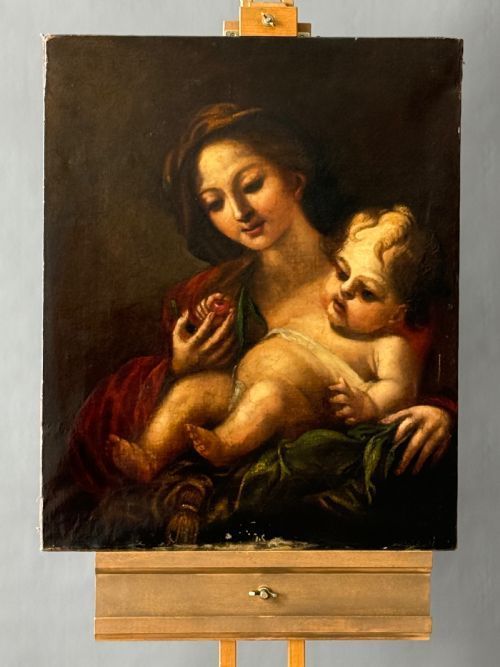
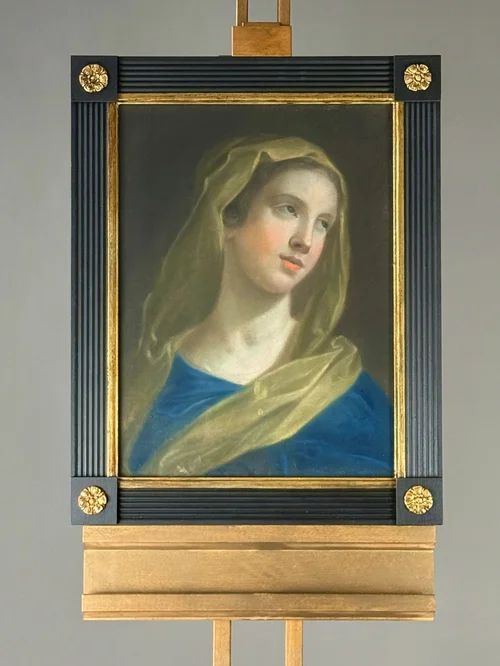
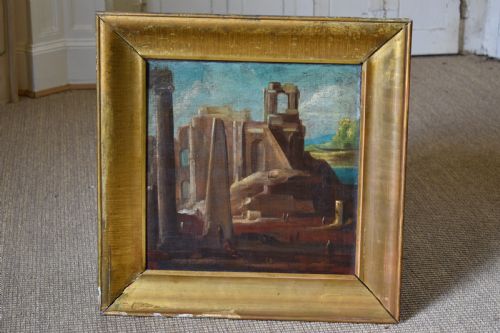
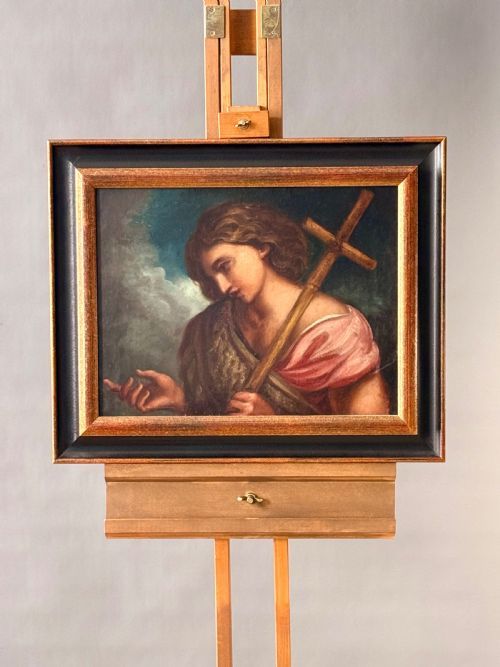
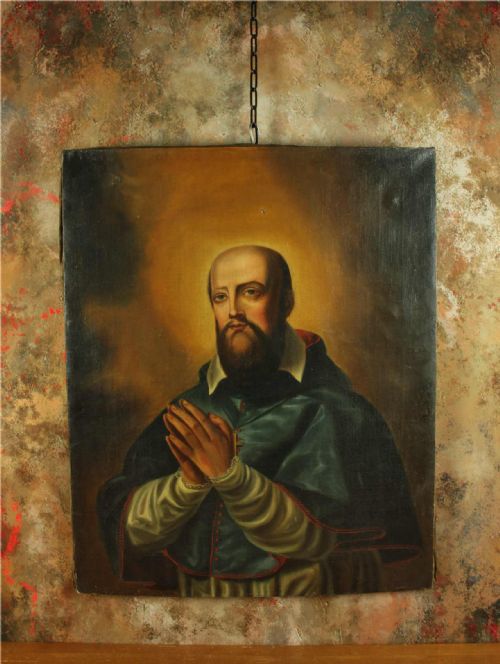
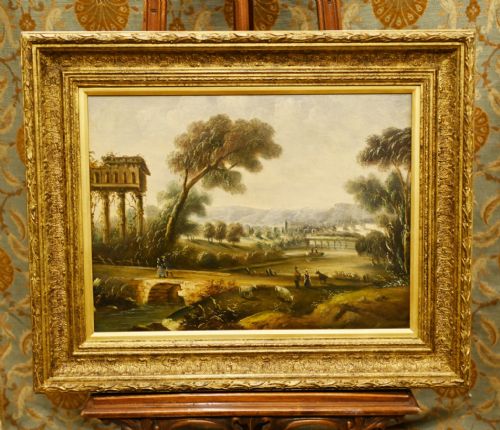
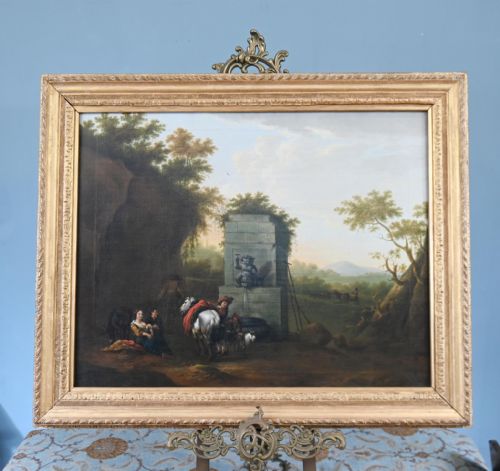
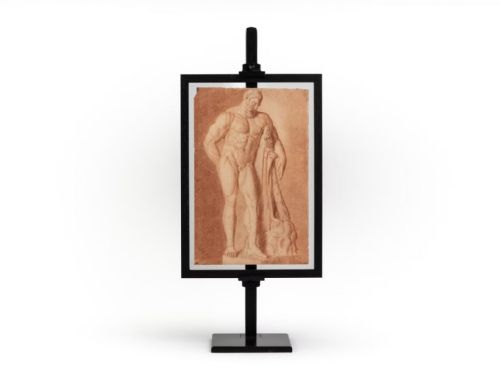
The objects available on this page include oil on canvas, pastel on paper, watercolour, and engraved works after notable fresco designs. Such pieces showcase traditional European portraiture, religious iconography, and architectural compositions originating from Italian workshops and schools.
How They Were Made
Makers utilised traditional mediums such as oil paint, pastel, watercolour, and ink on paper and wood panels. Canvases and panels provided the foundational surface for layered oil pigments, while delicate pastels captured soft facial tones.
Framing often involved carved wood and gold leaf, creating ornate enclosures that complemented the Baroque and Neoclassical visual styles of the period. Engravings reproduced complex fresco designs onto paper substrates using precise printmaking techniques.
Retail Price Guide 2026
Typical UK retail prices for 18th century italian artwork, calculated from the Sellingantiques database of over a million retail prices indexed since 2003. This retail price guide relies exclusively on Sellingantiques data; no external sources or auction records are used, so the figures do not describe the wider market.
What Varies in Quality
The standard of these works depends on the delicacy of the hand application in pastels and watercolours, alongside the preservation of the original paint layer on canvas and wood panels. Finer examples retain their original colour intensity and subtle shading without excessive surface abrasion.
The quality of the accompanying frames, particularly those featuring carved gilt wood, contributes significantly to the overall integrity of the piece. Works attributed to documented academic schools or specific named artists demonstrate higher technical proficiency in composition and anatomical rendering.
Benedetto Luti·Pio Panfili·Ottaviani
The 18th Century Italian Artwork Glossary
- Baroque
- A theatrical and elaborate artistic style characterised by dynamic movement and deep chiaroscuro contrast. This approach dominated much of Italian visual culture before the rise of Neoclassicism.
- Neoclassical
- A revival style drawing inspiration from the classical art and culture of ancient Greece and Rome. It prioritises clarity of form, balanced composition, and restrained dignity.
- Pastel
- A dry painting medium consisting of powdered pigment and a binder rolled into sticks. Artists utilised it on paper to achieve soft textures and luminous skin tones.
- Engraving
- A printmaking technique where an artist cuts lines into a metal plate to hold ink. Impressions are then transferred onto paper to replicate complex mural or fresco designs.
Frequently Asked Questions
What periods do these artworks represent?
The pieces primarily originate from the eighteenth century, with occasional nineteenth century examples following earlier designs.
They capture historic periods including the Italian Baroque and Neoclassical movements.
What materials were used?
Makers worked with oil paint on canvas and wood panels, alongside pastel and watercolour on paper.
Frames were constructed from wood and finished with gold leaf.
How should I display them?
These framed works suit traditional interior settings where historic paintings and prints serve as focal points.
Keep them away from direct sunlight to protect delicate paper, pastels, and pigments.
Are these original pieces?
The selection includes original oil paintings, pastels, watercolours, and period engravings.
Some prints reproduce earlier frescoes designed for notable spaces like the Vatican Loggie.