
Antique Neoclassical Artwork
Antique neoclassical artwork encompasses paintings, engravings, sculptures, and watercolours that reflect the enduring influence of classical antiquity in interior decoration.
Antique Neoclassical Artwork
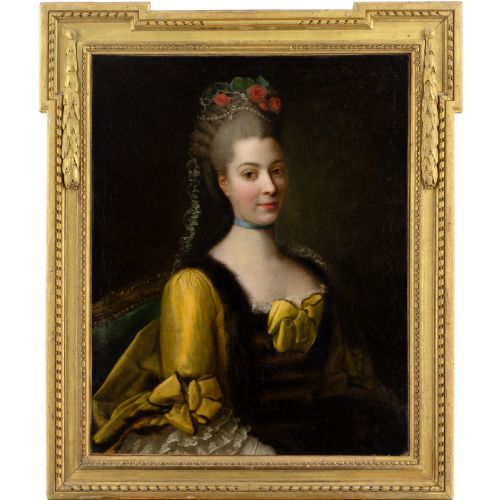
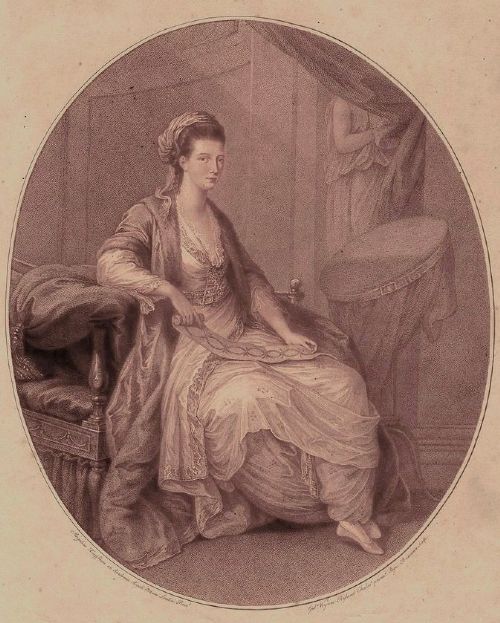
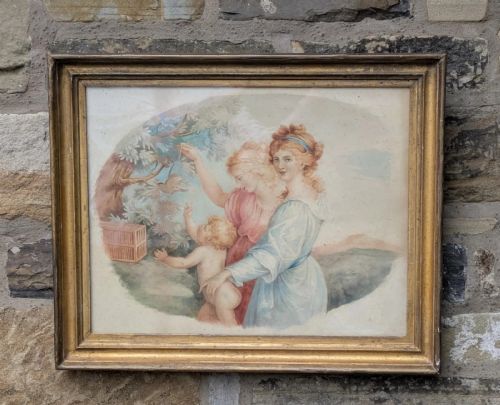
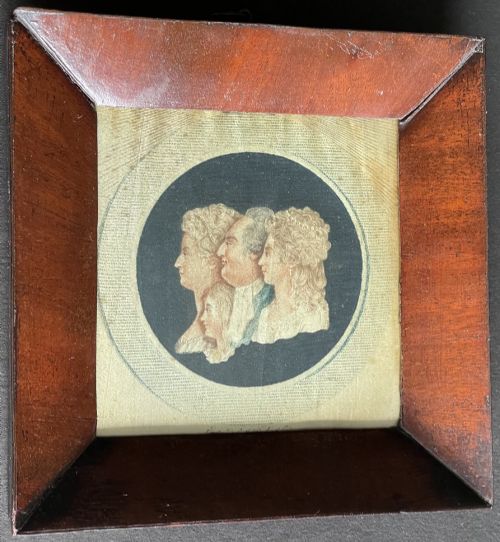
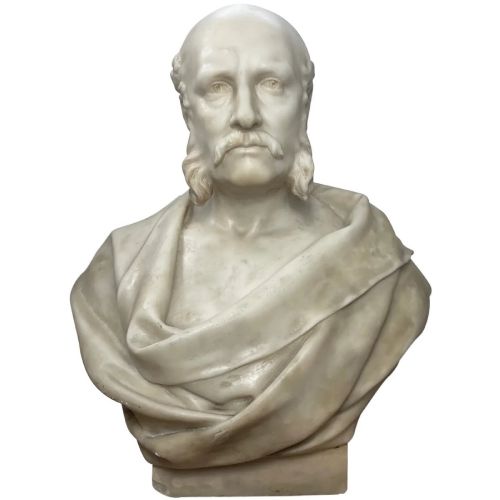
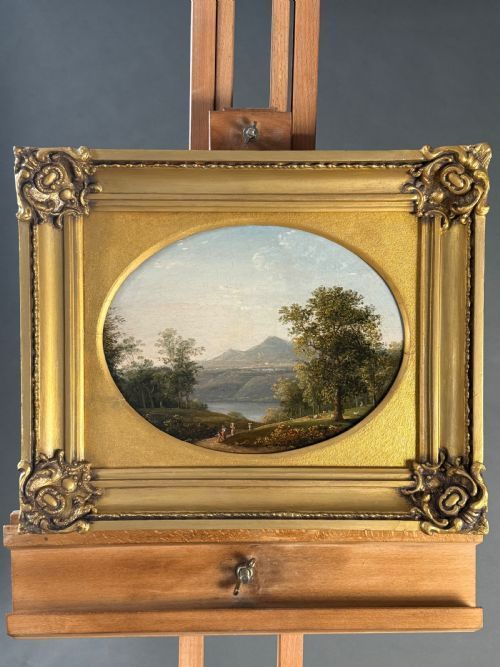
Buyers seeking antique neoclassical artwork find a varied collection of framed prints, oil paintings, watercolours, and marble or bronze sculptures spanning the eighteenth and nineteenth centuries. These pieces record classical motifs, mythological scenes, and architectural views originating from British, French, and Italian schools.
The objects on this page range from intimate portrait engravings and delicate gouache studies to monumental civic marble busts and grand tour bronzes. Works bearing the distinct influence of periods like the Georgian and Victorian eras appear alongside continental French pieces.
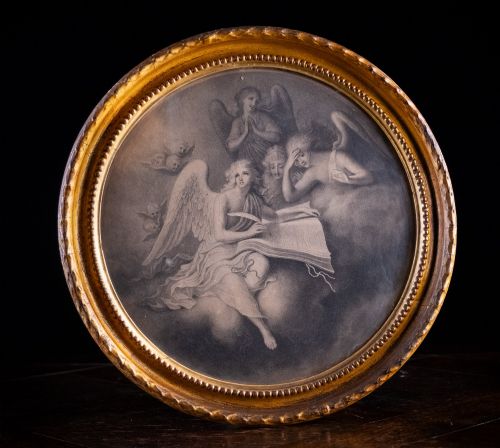
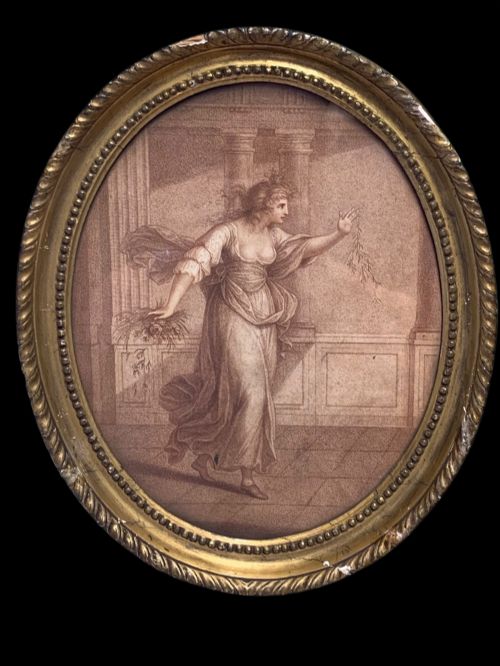
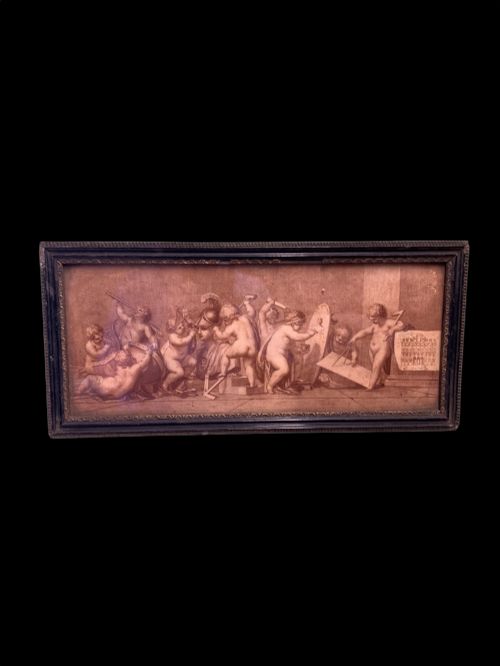
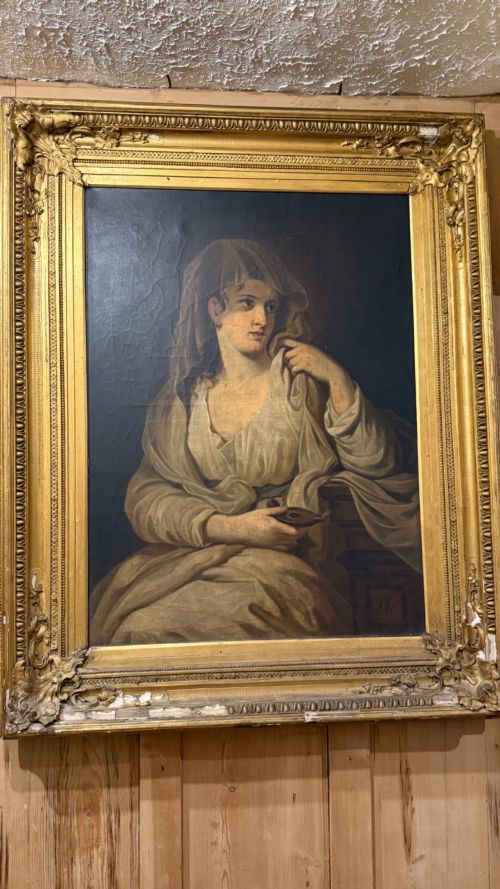
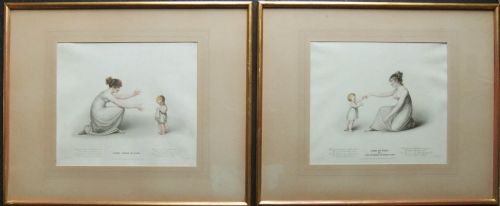
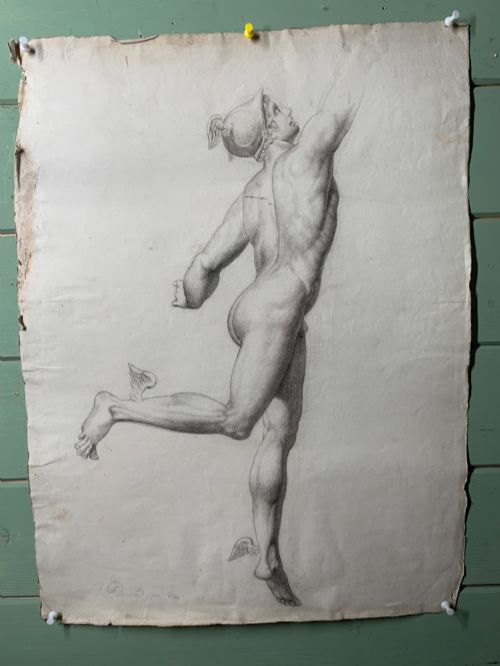
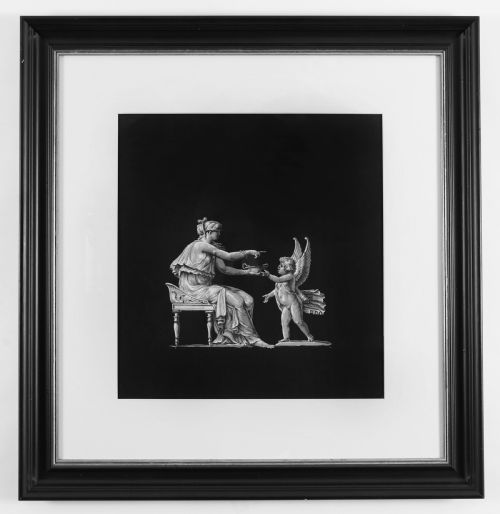
Subjects frequently centre upon mythological figures such as Venus, Cupid, and Hermes, alongside classical ruins, architectural prints, and historical portraits rendered in ink, paper, oil on canvas, and wood.
Materials and techniques of execution
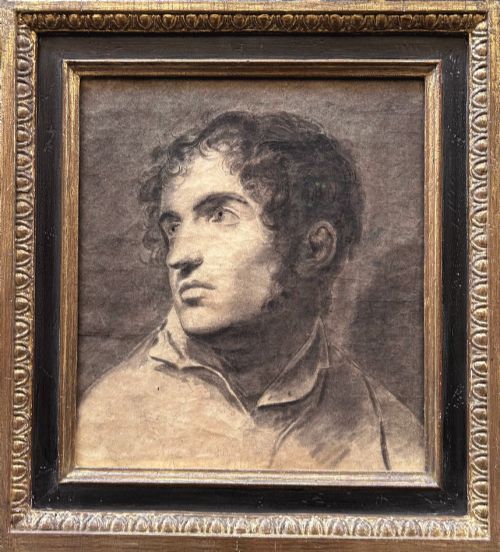
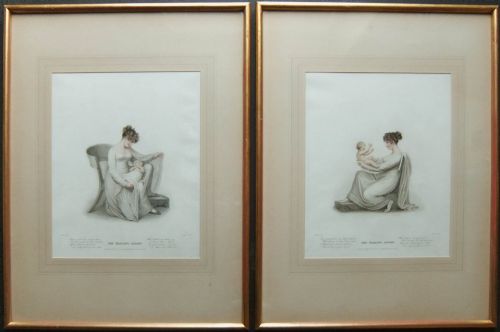
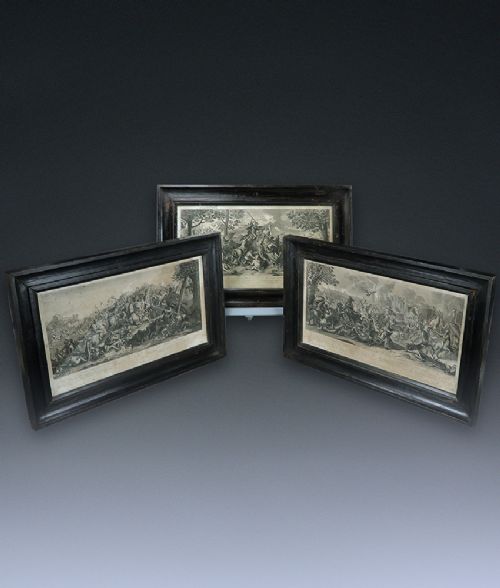
Makers utilised traditional supports such as paper, wood, and canvas, applying mediums that include oil, watercolour, ink, gouache, and pencil to create these classical subjects. Engravings and stipple prints capture fine illustrative detail through meticulous plate work.
Sculptural works demonstrate proficiency in carving and casting, employing Carrara marble, bronze, and giltwood. Gilt wood and gold leaf often frame the canvas paintings and paper prints, providing a decorative border that matches the classical aesthetic.
Cherubs, cupids, and weeping angels frequently populate the classical scenes, reminding us that antiquity had a sense of humour.
Variations in quality and execution
Quality separates academic precision and skilled hand execution from simpler decorative output, evident in the anatomical accuracy of a marble bust or the fine line work of a stipple engraving. Pieces attributed to documented artists or schools display superior draughtsmanship and nuance.
The preservation of the original medium, whether oil on canvas, delicate watercolour, or print on silk, directly influences the integrity of the piece. Superior materials like Carrara marble and quality bronze castings distinguish the more substantial sculptures from standard works.
Jacob Philipp Hackert·Adam Buck·John Flaxman·Jean Baptiste Isabey·Louis Leopold Boilly
The Antique Neoclassical Artwork Glossary
- Grisaille
- A painting executed entirely in shades of grey or neutral monochrome. This technique often mimics the appearance of classical relief sculpture.
- Stipple engraving
- A printmaking method using dots to form image tones and contours. It creates softer shades than traditional line engraving.
- Grand tour
- A cultural journey of Europe undertaken by young upper-class Europeans in the eighteenth and nineteenth centuries. Travellers frequently acquired local art and antiquities as souvenirs.
- Giltwood
- Wood that has been treated with gold leaf or gesso and gold paint. This finish is commonly found on antique frames.
- Camaieu bleu
- A monochromatic painting style executed in shades of blue. It shares similarities with grisaille but utilises blue tones instead of grey.
Antique Neoclassical Artwork: Frequently Asked Questions
What periods do these neoclassical artworks date from?
The pieces span primarily from the eighteenth and nineteenth centuries, encompassing Georgian, Regency, and Victorian periods. Dates range from the late 1700s through to the early 1900s.
Specific production years and stylistic movements like French Neoclassical and 18th Century French schools provide further context for individual paintings, prints, and sculptures.
How were these classical prints and paintings used?
Such artworks served as educated decoration for domestic interiors, reflecting the owner's knowledge of classical antiquity, mythology, and literature. Framed prints and oil paintings adorned drawing rooms and libraries.
Watercolours and drawings brought home from European travels commemorated the grand tour, while portrait engravings recorded prominent figures and actors of the era.
How do I distinguish between an engraving and a painting?
Engravings and prints on paper or silk utilise ink plate impressions to render lines, often showing text or fine stipple dot work beneath the image. Paintings feature applied mediums like oil, watercolour, or gouache on canvas, paper, or wood.
Examining the surface with a magnifier reveals the pigment layer of a painting versus the impressed lines of a print.