


Antique Mythology Paper Print
These antique mythology paper print selections span classical antiquity and neoclassical subjects, offering graphic accounts of gods, myths, and architectural history.
Antique Mythology Paper Print
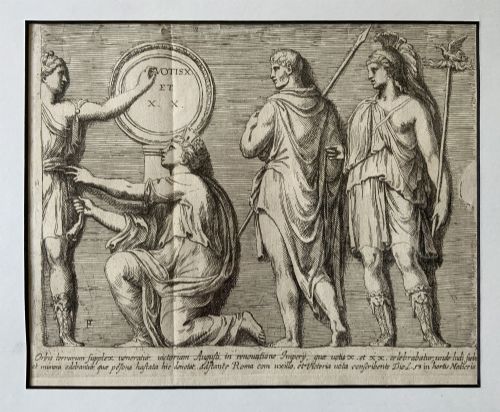
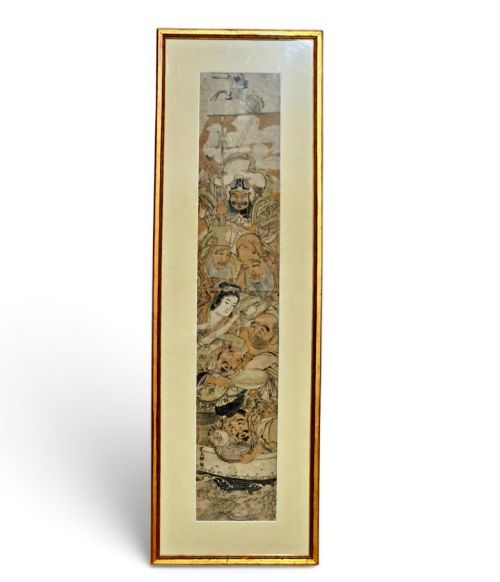
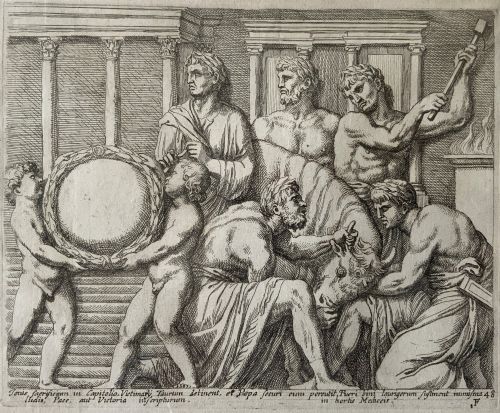
An antique mythology paper print encompasses historical engravings, etchings, and chromolithographs produced across the seventeenth, eighteenth, and early twentieth centuries. These works record classical deities, architectural antiquities, and mythological narratives derived from Greek, Roman, and Renaissance sources.
The material form varies between standalone sheets and book plates, often preserved using card, mountboard, wood, and glass framing elements. The majority stem from architectural surveys and classical publications, capturing divine figures like Zephyros and foundational mythological scenes.
Materials and production
The primary vehicle for these works is paper, utilised alongside ink for detailed intaglio printing methods such as engraving and etching. Master printmakers transferred intricate compositions onto plates, resulting in fine lines that define architectural ruins and divine anatomy.
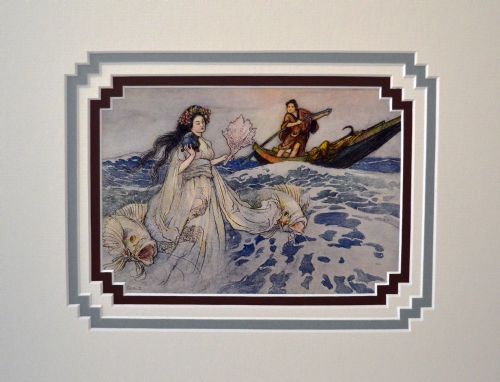
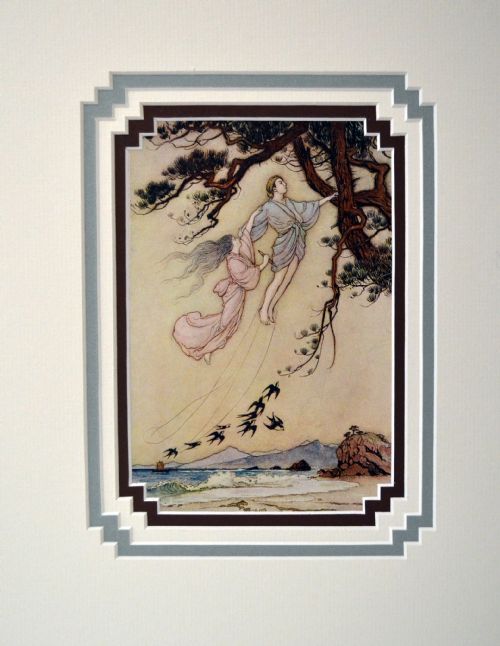
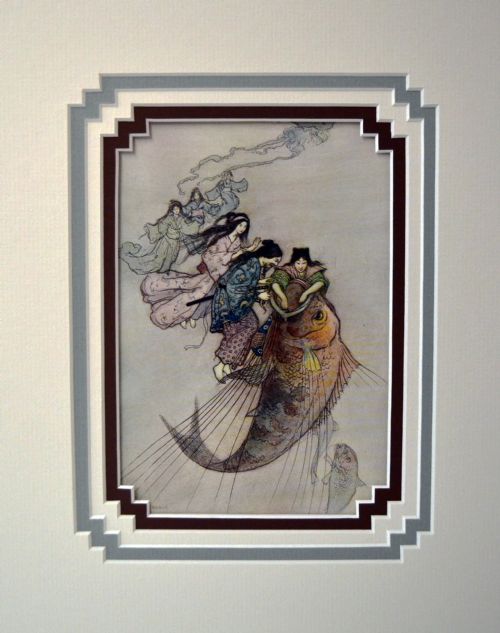
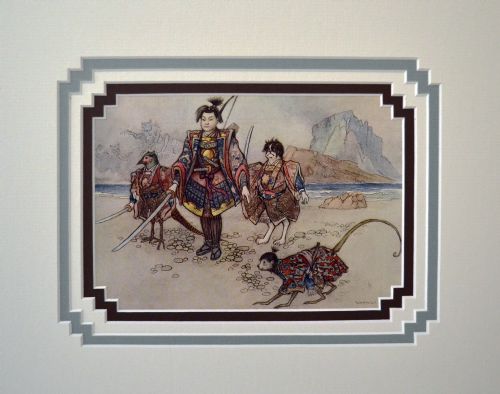
Later examples incorporate chromolithography, employing multiple ink layers on paper or card to render colour compositions like Renaissance revival imagery. Protective mounts and wooden framing historically preserved these delicate sheets from environmental degradation.
The listings span three distinct centuries, featuring works from the seventeenth, eighteenth, and early twentieth periods.
Evaluating craftsmanship
The quality of an antique mythology paper print rests on the precision of the line work and the clarity of the ink impression against the paper. Early strikes from copper or metal plates yield crisp details of facial expressions and architectural elements, whereas worn plates produce softened contours.
Preservation of the original sheet margins and the absence of heavy toning or water staining distinguish superior examples. The fidelity of the composition and the historical importance of the workshop responsible for the printing elevate the standing of the piece.
François Perrier·Warwick Goble·Andrea Mantegna·James Basire·Edward Rooker
The Antique Mythology Paper Print Glossary
- Engraving
- A printmaking technique where an artist cuts lines directly into a metal plate using a burin. This method creates sharp, precise lines that hold up well across numerous impressions.
- Etching
- A process where acid bites into lines drawn through a protective ground on a metal plate. It permits greater freedom of line than direct engraving.
- Chromolithography
- A colour lithographic printing method that uses multiple stones or plates, one for each ink colour. This technique produces vibrant, multi-layered images on paper or card.
- Intaglio
- A printing category where the ink sits below the surface of the plate in incised grooves. Engravings and etchings belong to this family.
Antique Mythology Paper Print: Frequently Asked Questions
How do I care for antique prints?
Keep prints away from direct sunlight to prevent fading of the ink and yellowing of the paper support.
Ensure framing uses acid-free mountboard and UV-filtering glass to protect the fragile paper from humidity and atmospheric pollutants.
What is an architectural engraving?
These are detailed prints recording classical buildings, ruins, and decorative elements from antiquity, often measured and drawn by specialists.
They frequently combine precise structural rendering with mythological figures connected to the specific site or temple.
How are periods identified?
Periods are determined through stylistic indicators, printing techniques, and documentation tied to known artists and publishing dates.
Seventeenth-century works often show heavier ink application and distinct plate marks compared to later eighteenth-century neoclassical plates.
What subjects appear most often?
Greek and Roman gods, architectural antiquities from Athens, and scenes involving satyrs or mythological battles dominate the traditional subjects.
Later works introduce fairy tales and Renaissance revival compositions alongside these classical themes.