
Classical Figure Oil Canvas
A classical figure oil canvas brings centuries of mythological and historical narrative into a room through rich brushwork.
Classical Figure Oil Canvas
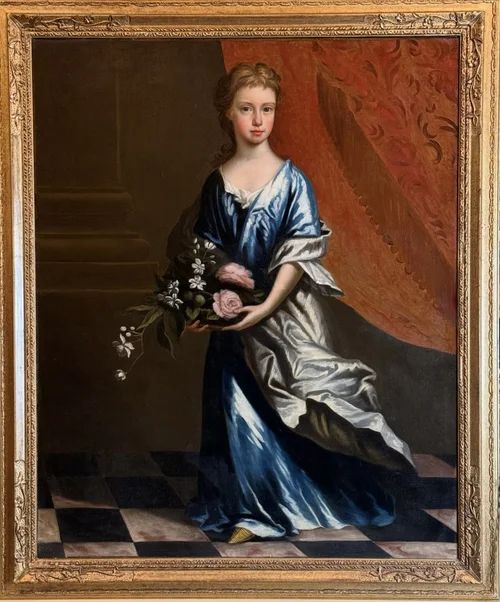
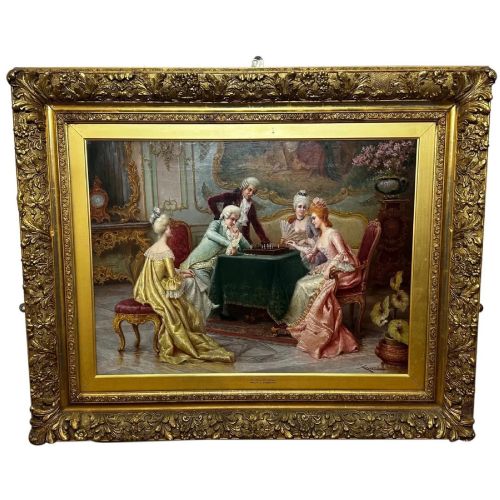
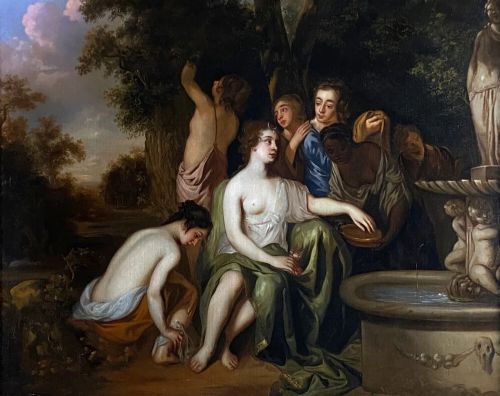
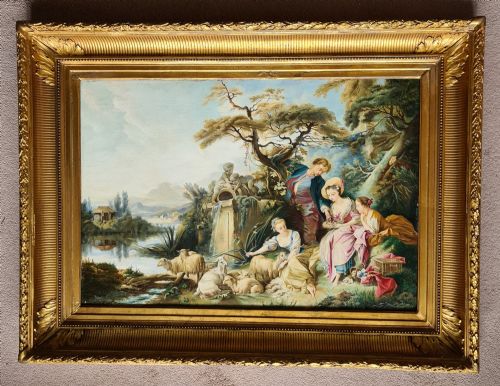
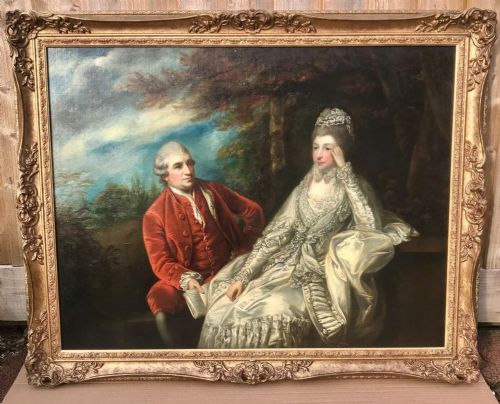
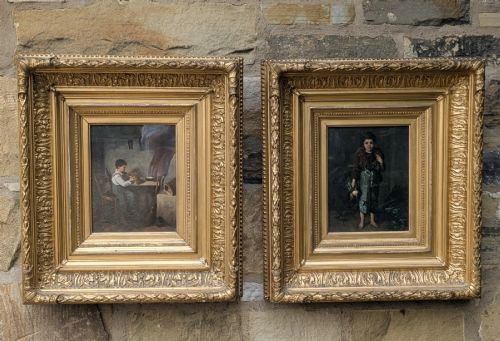
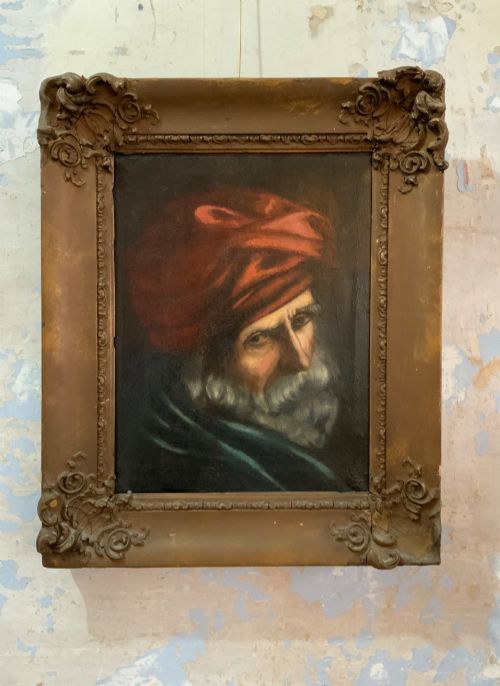
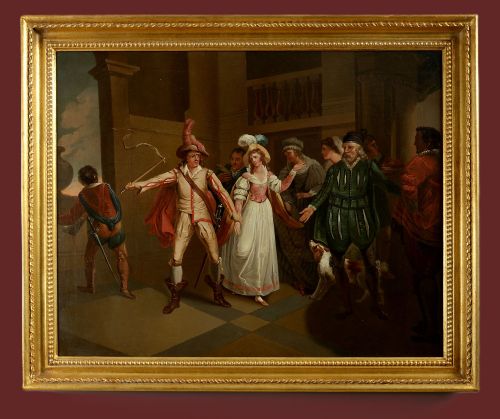
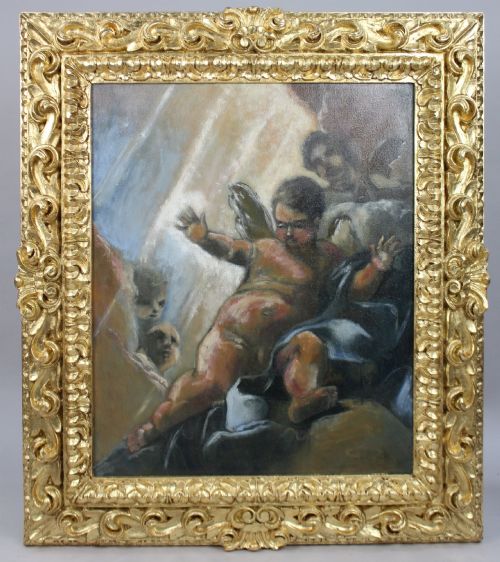
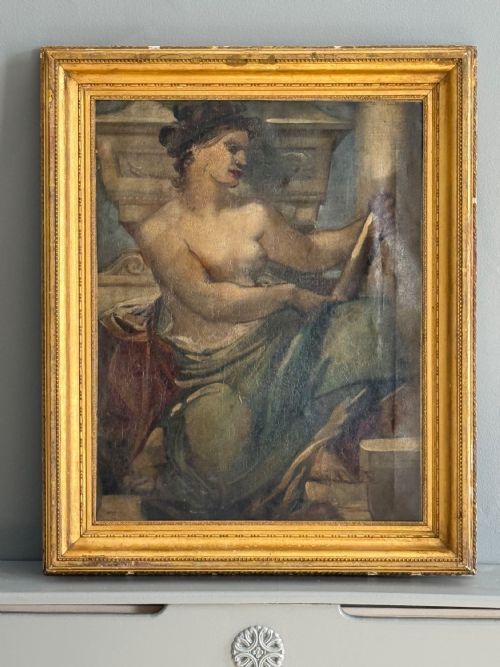
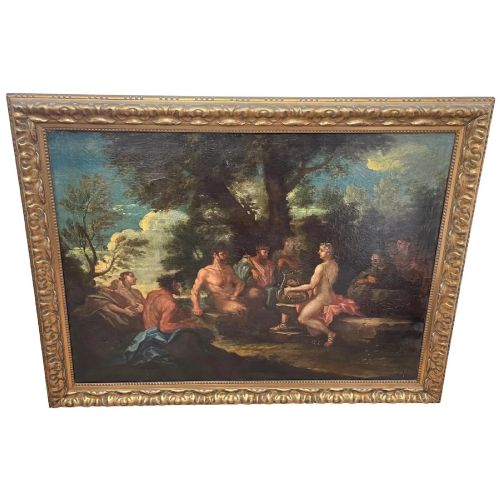
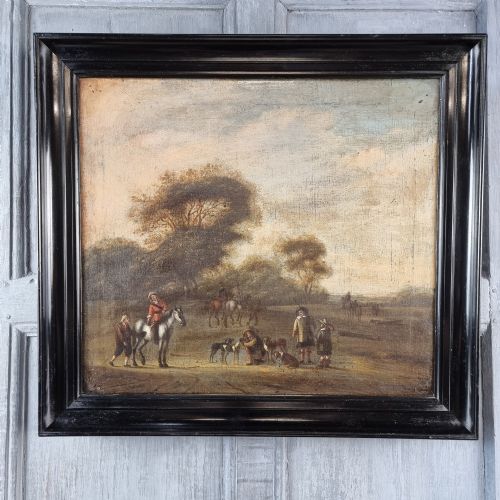
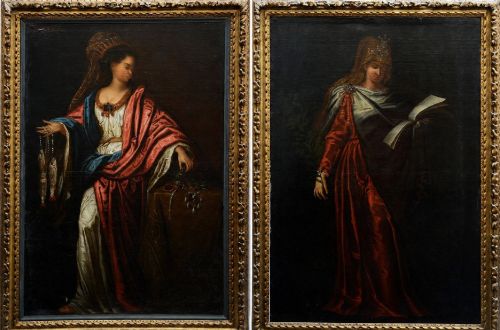
A classical figure oil canvas is an artwork depicting human forms drawn from ancient myth, history, or literature, rendered in oil paint upon woven fabric. Buyers seeking this phrase encounter works ranging from seventeenth-century Italian mythological scenes to later nineteenth-century academic and realist interpretations.
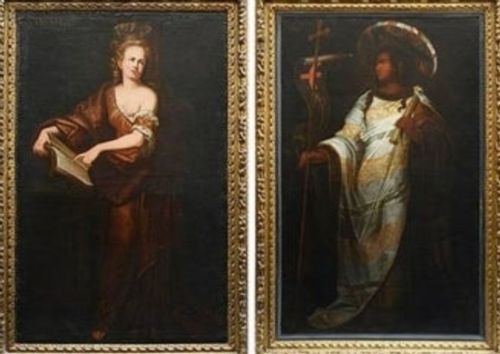
The prevalent formats on this page include vertical and horizontal portraits, grand narrative compositions, and paired depictions of sibyls or musicians. These canvases frequently capture figures in dramatic or contemplative poses, echoing Renaissance and Baroque visual traditions.
Materials and technique
Artists built these compositions using oil paint applied to stretched canvas, allowing for deep tonal gradations and luminous skin tones. The slow-drying nature of oil enabled painters to blend pigments smoothly, capturing the subtle musculature and flowing drapery characteristic of classical subjects.
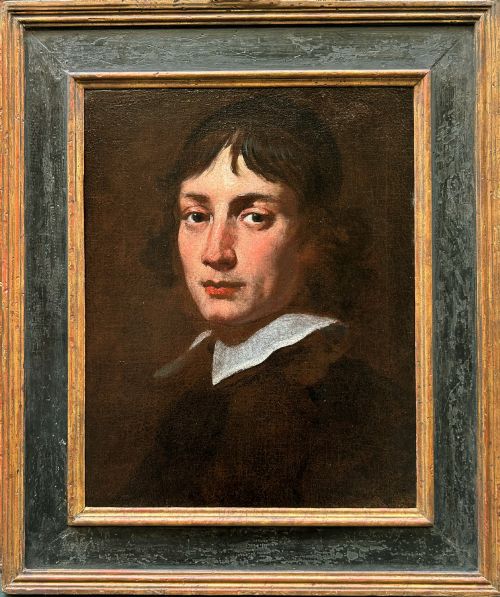
Support frames of solid wood hold the stretched canvas, whilst decorative outer surrounds often feature moulded gesso finished with gold leaf. This combination of timber, ground chalk binders, and metallic leaf provides both structural stability and ornamental depth.
Several canvases capture goats behaving entirely unimpressed while gods and classical poets play panpipes nearby.
Judging the work
Quality rests primarily in the anatomical conviction and psychological depth of the figures rendered upon the canvas. Superior hands handle light and shadow to create convincing volume, whereas lesser works rely on stiff contours and flat planes.
The handling of secondary elements, such as landscape backgrounds, drapery folds, and symbolic attributes, distinguishes studio production from master execution. Original period framing also contributes to the integrity of the piece, matching the aesthetic ambitions of the painted surface.
Sir Peter Lely·Francois Boucher·Joshua Reynolds·Guillaume Courtois·Jean-Baptiste Greuze·Theodore Jensen·John Watkins Chapman·Thomas Edward Roberts·Friedrich von Kaulbach·James Clark·Peter Paul Rubens·Jean-Antoine Watteau
The Classical Figure Oil Canvas Glossary
- Gesso
- A plaster mixture applied to wood frames before gilding, providing a smooth base for intricate carved details. This ground layer can be built up to form crisp relief ornaments.
- Baroque
- An artistic style spanning the seventeenth and eighteenth centuries characterised by dynamic movement, drama, and deep chiaroscuro lighting. Works from this period prioritise emotional intensity over static harmony.
- Sibyl
- A prophetess from ancient mythology, frequently depicted holding a scroll or book in classical art. These figures appear often in pairs within seventeenth and eighteenth-century European painting.
- Circle of
- A designation used when a painting shows the direct influence and typical manner of a named master without being confirmed as their own hand. It indicates a contemporary working closely alongside the principal artist.
Classical Figure Oil Canvas: Frequently Asked Questions
What subjects appear on these canvases?
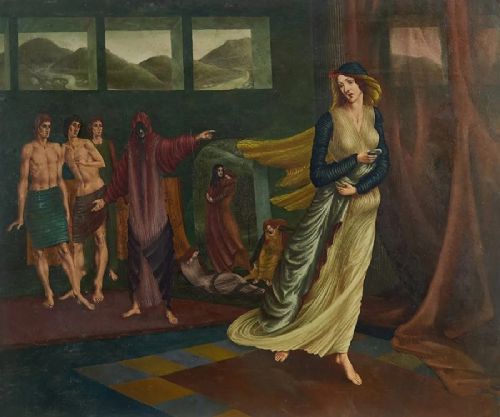
Paintings commonly depict figures from Greek and Roman mythology, including deities, heroes, and mythological scenes such as Diana bathing or Perseus freeing Andromeda. Historical narratives, allegorical portraits, and allegories of the arts also feature prominently.
Many compositions derive from earlier Renaissance and Baroque archetypes, showing subjects like the Madonna and Child or classical sibyls in contemplative landscapes.
How do I date a canvas?
Dating relies on stylistic markers within the painting technique, the preparation of the canvas, and the construction of the wooden stretcher frame behind. Seventeenth and eighteenth-century works often display darker grounds and dramatic lighting, whilst nineteenth-century pieces lean towards academic realism or revival styles.
Examining nail types, canvas weave, and any inscribed signatures or archival labels on the reverse provides further chronological context.
Where should I hang these paintings?
These works suit traditional reception rooms, libraries, or dining spaces where their narrative depth and rich palette can be appreciated at leisure. Placing them away from direct sunlight protects the oil pigments and sensitive giltwood frames from fading.
Pairing a canvas with appropriate period lighting enhances the luminosity of the oil medium and draws out subtle details in the background landscape.
Are these works original or copies?
The selection includes original compositions by listed artists alongside period copies after masters such as Raphael or Boucher, created as part of artistic training or patron commissions. Studio samples and works by followers or circles of major painters are also represented.
Each designation reflects the relationship between the executing hand and the primary artistic tradition of the period.