

Framed Bird Painting
A framed bird painting captures avian subjects across centuries of shifting artistic styles, from delicate watercolours to robust oils.
Framed Bird Painting
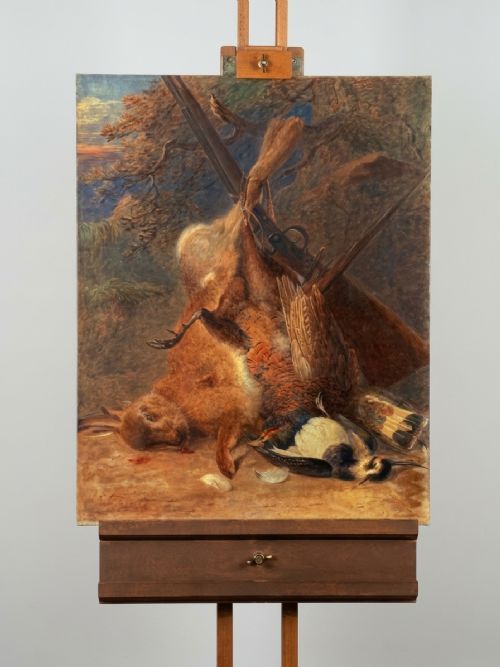
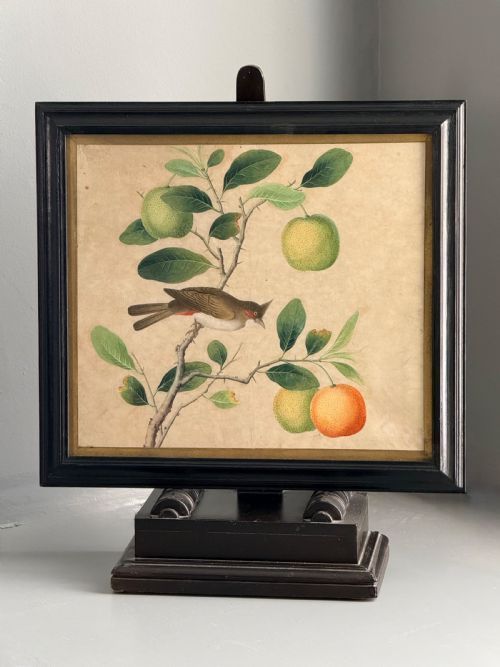
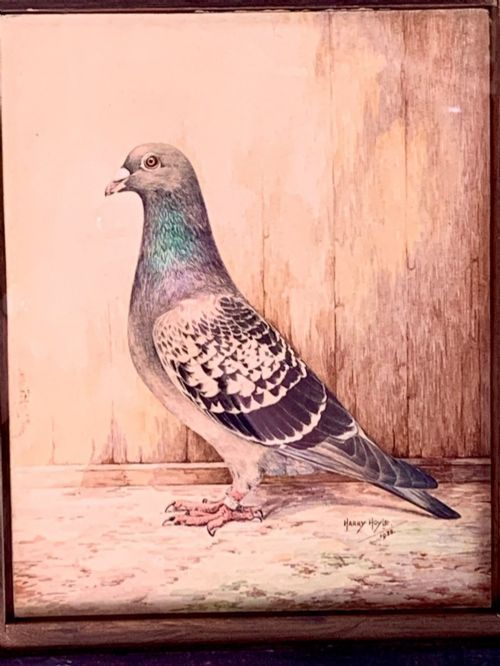
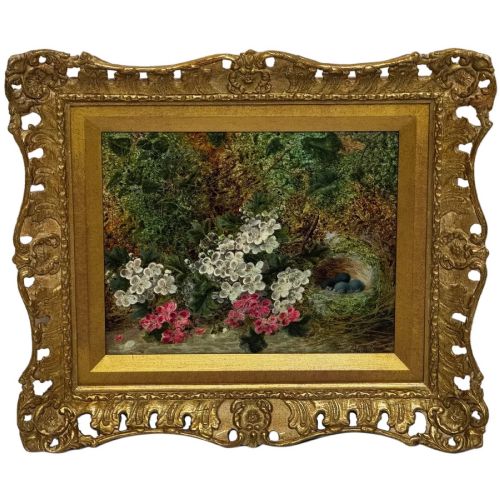
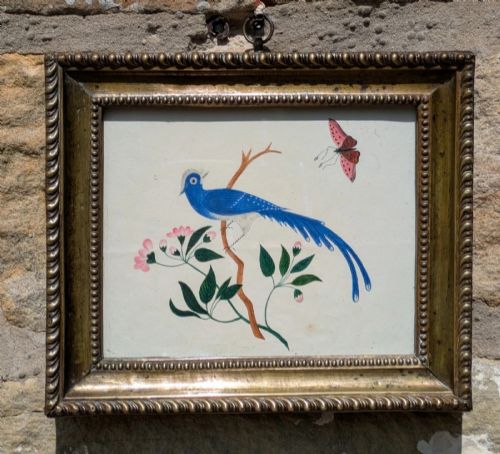
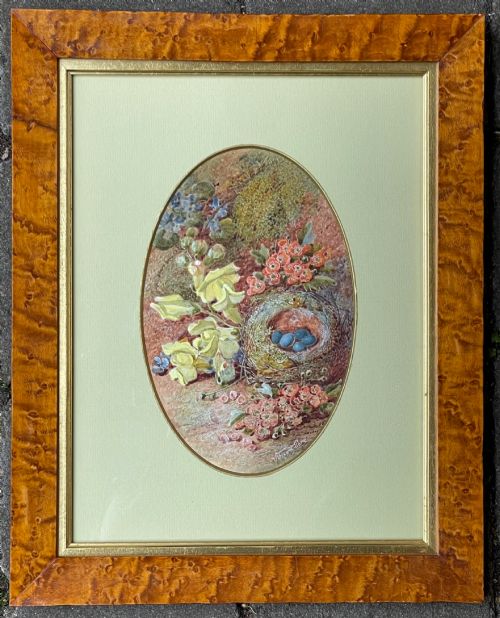
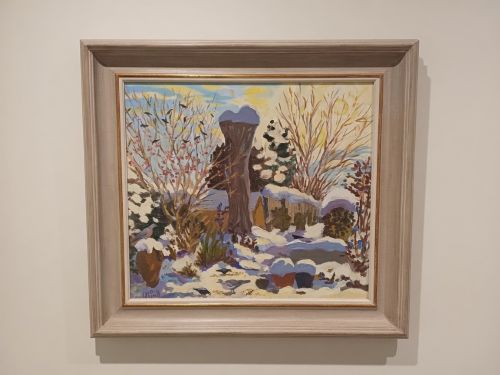
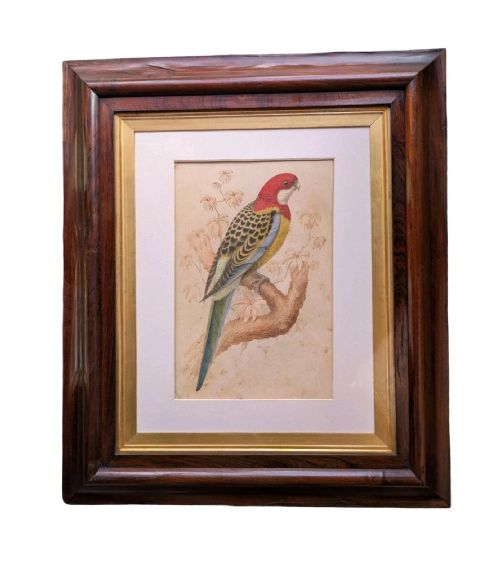
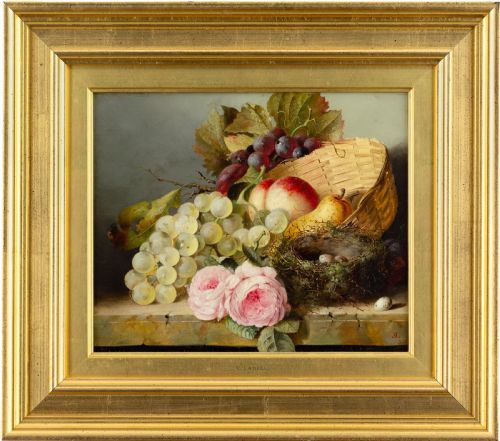
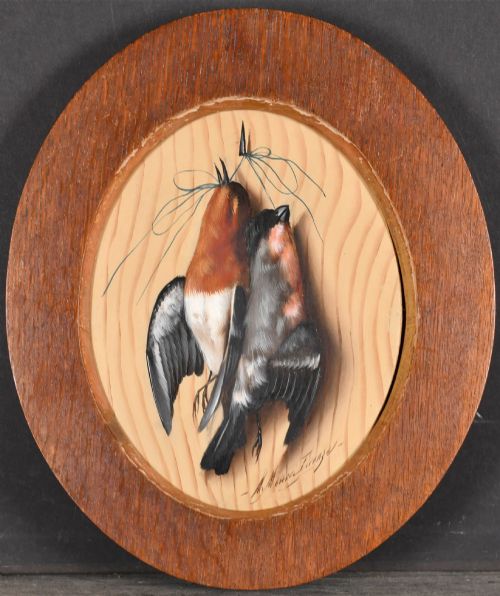
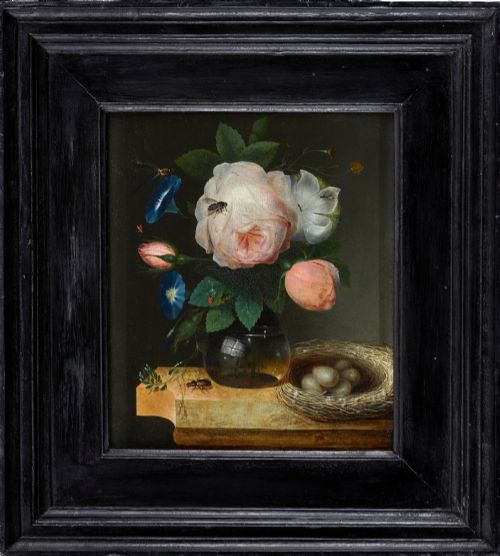
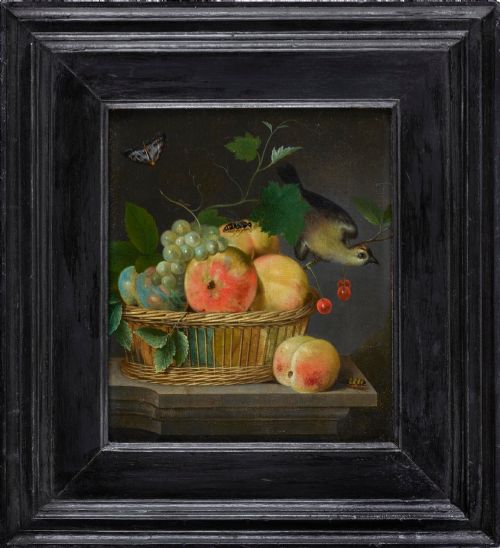
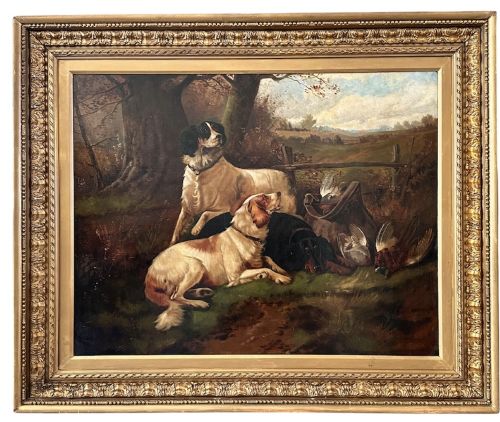
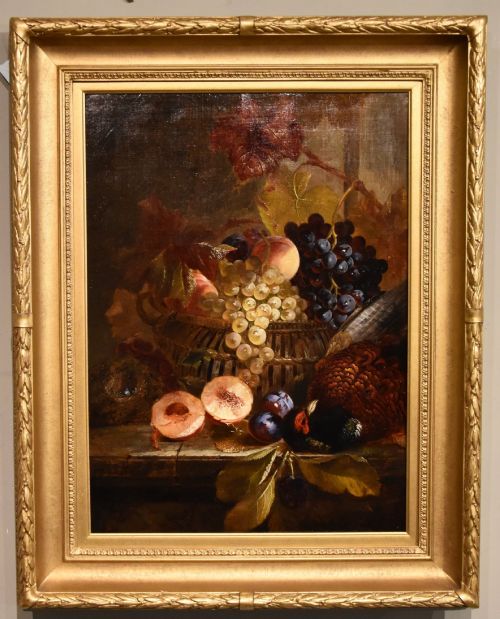
A framed bird painting encompasses diverse depictions of avian life, ranging from precise natural history watercolours to dramatic baroque still lifes and mid-century studies. When exploring this phrase, collectors frequently encounter Victorian nest scenes, exotic parrots, and game bird compositions housed in period timber or gilded surrounds.
The material supports vary widely across the selection, featuring traditional canvas, paper, pith paper, and wood panels. Artists of different eras utilised these surfaces to render feathered subjects with varying degrees of illustrative scientific detail or painterly atmosphere.
Materials and Construction
The foundational technique relies on traditional painting media such as oil and watercolour applied to prepared canvas, paper, or wooden boards, often highlighted with bodycolour or gouache. These pigments were carefully layered to capture the intricate textures of plumage and the subtle shifts of natural light.
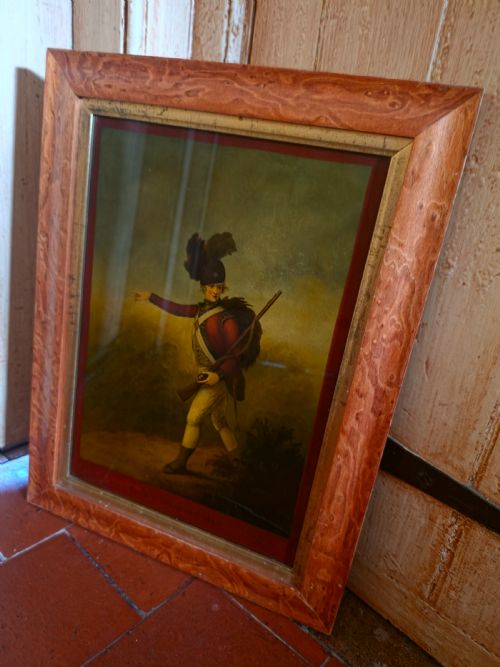
Framing forms an integral part of the physical object, utilising moulded wood, glass protection, and occasionally water-gilded surfaces to preserve and present the artwork. Some examples incorporate reverse glass painting techniques or specialised diorama cases for taxidermy displays.
Factors of Distinction
The degree of anatomical precision and the expressive handling of brushwork largely differentiate standard decorative works from accomplished artistic achievements. Masterful compositions demonstrate a keen observation of light on feathers and botanical accuracy in surrounding elements such as nests or foliage.
The integrity of the original framing, the stability of the support material, and the prominence of the artist or school significantly influence the character and standing of each piece within the tradition.
George Sydney Shepherd·Oliver Clare·Vincent Clare·Edward Ladell·Michelangelo Meucci·Gaspar Peeter Verbruggen·Sir Peter Markham Scott·George Rankin·David Orr Kerr·Ralston Gudgeon·Michael Dahl·Dame Elisabeth Frink·E H Windred·Philipp Ferdinand de Hamilton·Henri Joseph Pauwels·Charles F Tunnicliffe·Paul Lelong
The Framed Bird Painting Glossary
- Gouache
- An opaque watercolour paint that dries to a matte finish, frequently utilised for detailed botanical and avian illustrations on paper or pith.
- Bodycolour
- Watercolour mixed with a white pigment to create opacity, adding dense highlights to feathers and foliage in nineteenth-century works.
- Trompe l'Oeil
- An art technique involving extreme optical illusion to depict three-dimensional objects on a flat surface, often seen in avian and larder still lifes.
- Reverse Glass Painting
- An uncommon method where the image is painted directly onto the back of a glass panel so that the final composition is viewed through the front.
- Natural History
- A traditional genre dedicated to the accurate scientific or aesthetic recording of animals and plants, heavily favoured by nineteenth-century collectors.
Framed Bird Painting: Frequently Asked Questions
What periods do these paintings come from?
The available inventory spans several centuries, ranging from seventeenth-century baroque canvases to mid-twentieth-century watercolours and modernist interpretations.
Victorian and eighteenth-century examples feature prominently, reflecting changing aesthetic approaches to wildlife and domestic natural history.
How were these artworks traditionally displayed?
Most pieces are secured within period wooden frames, occasionally protected by glass or presented as part of specialised natural history display cases.
Their domestic use historically ranged from formal dining room still lifes depicting game birds to parlor watercolours celebrating exotic species.
How can I tell different painting mediums apart?
Watercolours and gouache typically appear on paper or pith surfaces behind glass, showing a flat, matte application of pigment.
Oil paintings utilise canvas or wooden panels, displaying textured brushwork and a greater depth of layered colour.
What subjects accompany the birds in these works?
Avian subjects frequently appear alongside botanical elements such as blossom, wicker baskets, fruit, or detailed bird's nests.
Other compositions place the birds within game arrangements, larder views, or natural woodland settings alongside other wildlife.