


Original Sporting Artwork
Original sporting artwork captures the energy of field sports and racing through the hands of period painters and illustrators.
Original Sporting Artwork
When you search for original sporting artwork, you encounter depictions of horses, hounds, racing, and field pursuits executed across various media. The pieces on this page span from the nineteenth century through the mid-twentieth century, encompassing Victorian and Edwardian interpretations alongside modern British works.
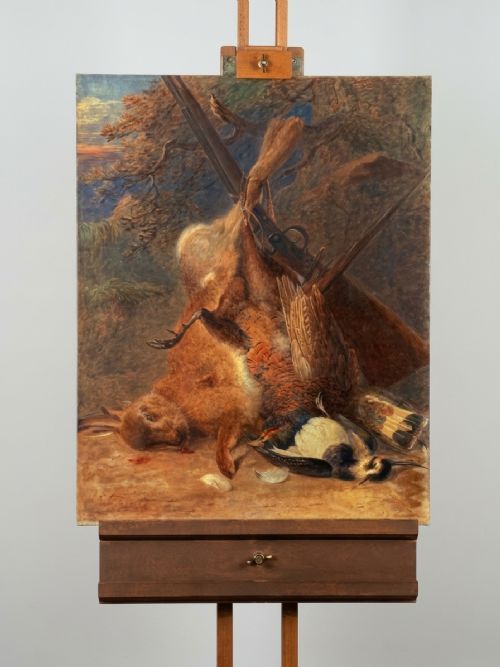
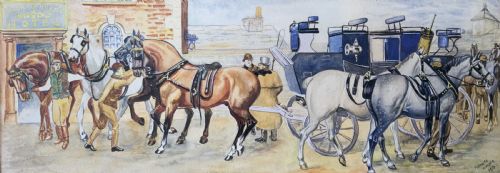
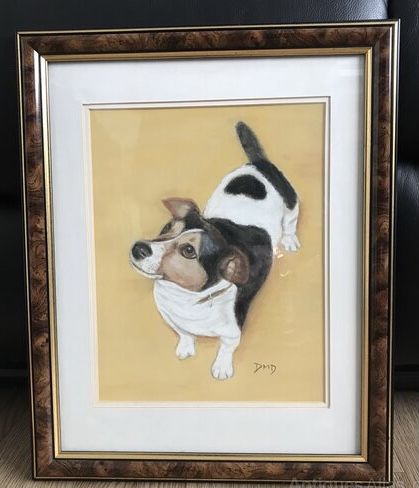
You are most likely to meet watercolour paintings, oil on canvas, and framed prints produced by established artists and illustrators. These works range from intimate pastel drawings of dogs to large exhibition watercolours of hares and game.
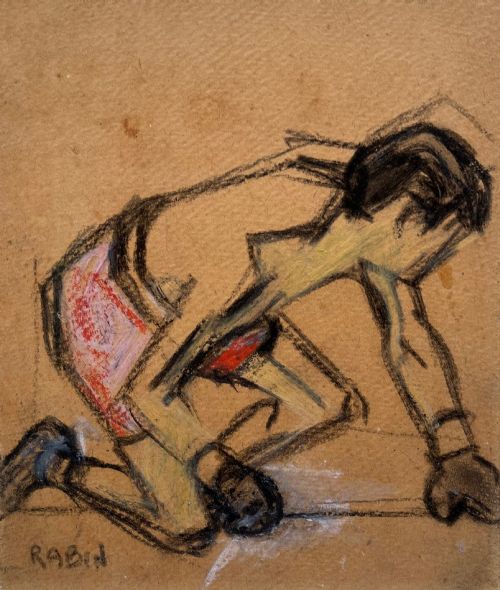
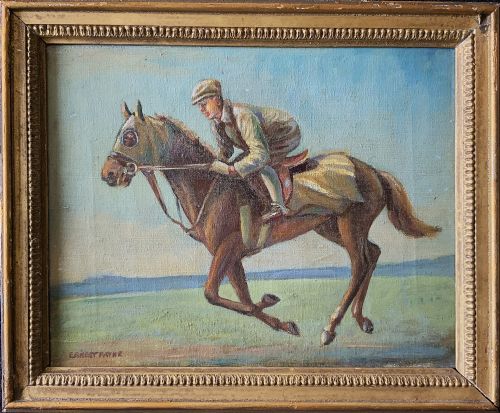
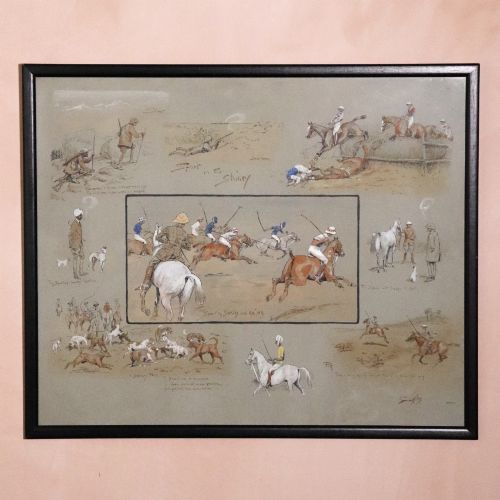
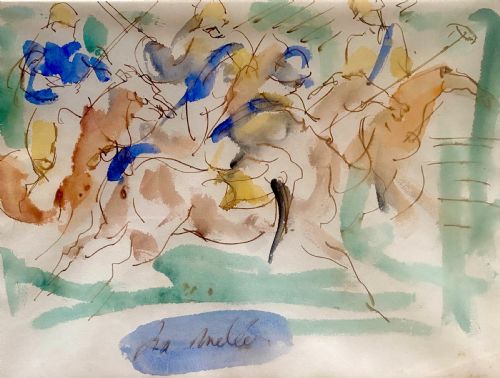
The subjects reflect traditional British pastimes, including hunting scenes, polo matches, and horse portraits set in landscapes or stables. Each piece records a specific moment in sporting history through the distinct technique of its maker.
Materials and techniques
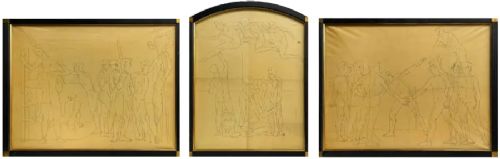
Artists relied primarily on paper, canvas, and wood panels as supports for their compositions. Watercolours, bodycolour, oils, and gouache provided the pigment, often applied alongside ink, pencil, and chalk for fine detail.
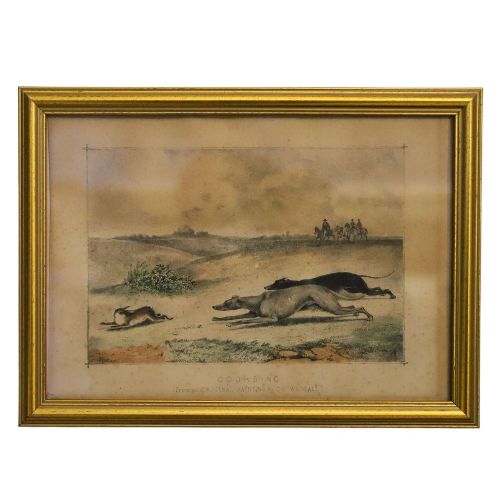
Framing frequently incorporates wood, walnut, or oak, occasionally protecting works under glass with gold leaf accents. Lithographs and etchings represent the printed methods utilised to reproduce drawn compositions.
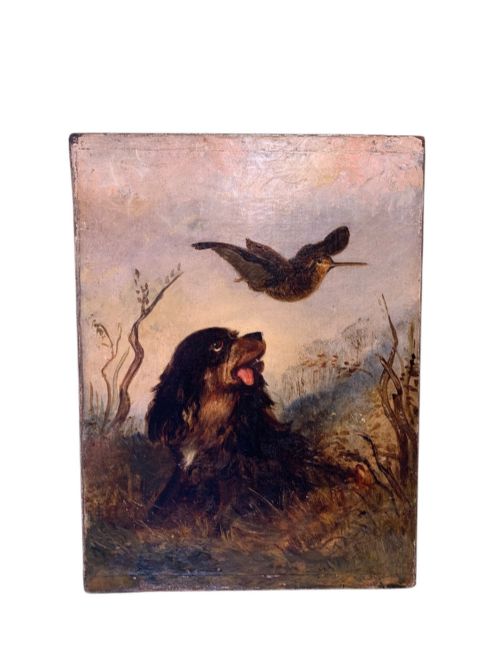
Several dogs gaze out from these frames, having patiently sat for their portraits alongside champion racehorses.
Assessing quality
Quality rests upon the artist's command of anatomy and movement, particularly in the depiction of horses and hounds. A successful piece conveys the dynamic tension of a race or hunt rather than a static pose.
The handling of light and medium distinguishes finer watercolours and oils from simpler decorative prints. The preservation of the paper or canvas and the clarity of the signature also influence the standing of a work.
George Sydney Shepherd·James Stroudley·Samuel Rabin·Ernest Payne·John Rattenbury Skeaping·Cecil Charles Windsor Aldin·Arthur Wardle·Herbert Dicksee·Michael Lyne·Samuel Spode·Alfred Grenfell Haigh·Henri Schouten
The Original Sporting Artwork Glossary
- Watercolour
- A paint consisting of pigment suspended in a water-based solution. It is typically applied to paper to achieve translucent layers of colour.
- Bodycolour
- Watercolour mixed with a white pigment to make it opaque. This technique adds solid highlights and dense areas of tone to a work on paper.
- Etching
- A printmaking process where lines are bitten into a metal plate with acid. The resulting plate holds ink for transfer onto paper.
- Gouache
- A heavy, opaque water-based paint. It dries to a matte finish and provides strong blocks of colour in mixed media pieces.
Original Sporting Artwork: Frequently Asked Questions
What subjects appear in sporting art?
These works focus primarily on horses, hounds, game, and field sports such as hunting, shooting, and polo. Scenes range from quiet stable portraits to dynamic racing moments.
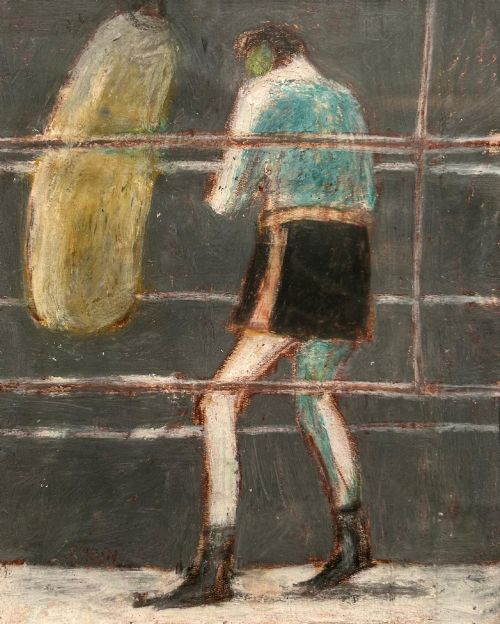
Artists also recorded leisure pastimes like golf and boxing matches, reflecting the broader sporting interests of the nineteenth and twentieth centuries.
How do I date a sporting painting?
Dating relies on stylistic clues, clothing fashions, artist signatures, and framing materials. Victorian and Edwardian pieces often feature detailed realism, while mid-century works show modernist tendencies.
Inscribed dates and gallery labels on the reverse of the canvas or frame frequently provide exact confirmation of the year of creation.
Are these pieces hand-painted?
The selection includes both unique hand-painted works and original prints. Watercolours, oils, gouaches, and pastels are executed directly by the artist's hand.
Print formats such as etchings and lithographs are also original works produced by the artist using traditional printmaking methods rather than modern reproductions.
How should I display sporting artwork?
Original works on paper require protection from direct sunlight to prevent fading of watercolours and inks. Proper framing behind glass preserves the paper and the integrity of the drawing.
Oil paintings on canvas benefit from stable room temperatures and occasional dusting with a soft, dry cloth to maintain the surface.