



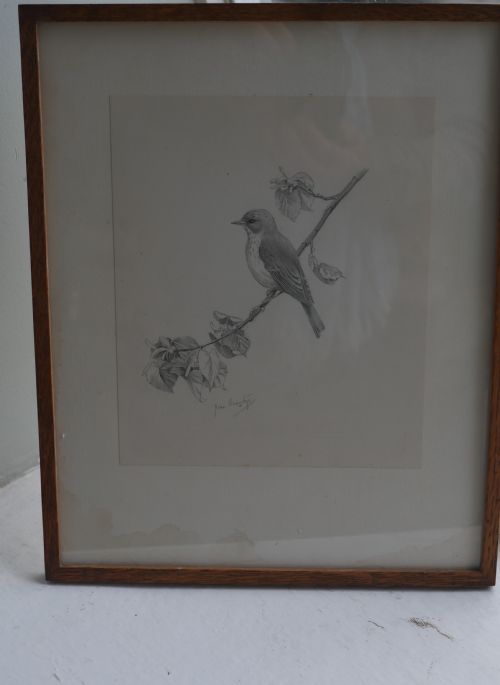

Antique Bird Study
An antique bird study captures the natural world through delicate brushwork and sculpture, offering lasting charm for the home.
Antique Bird Study
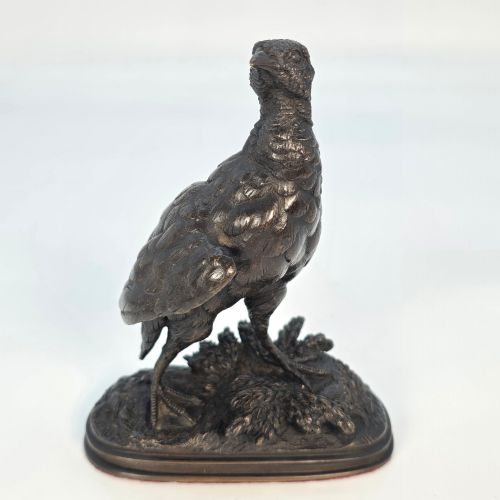
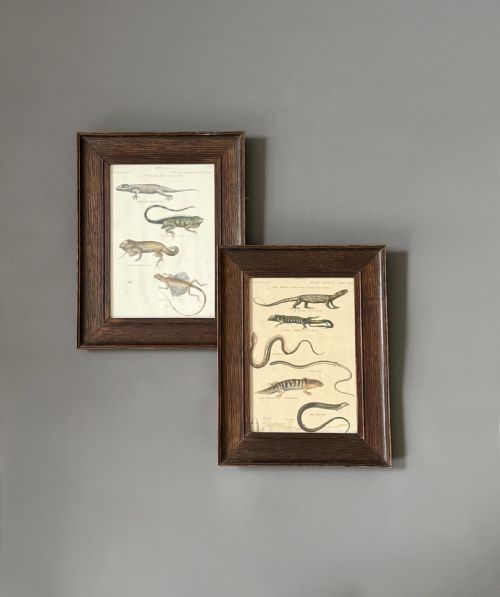
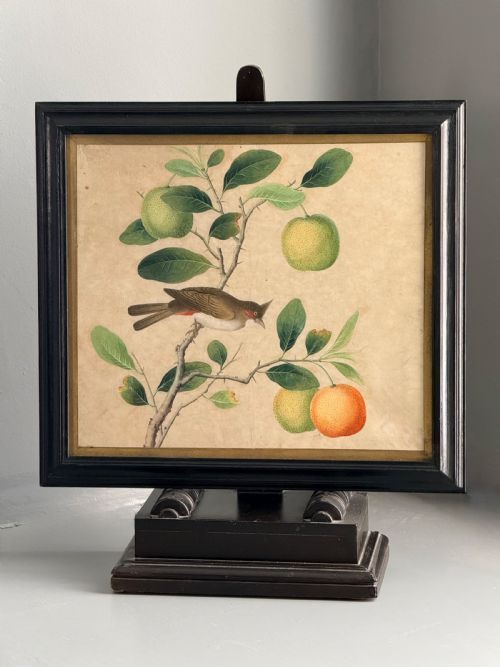
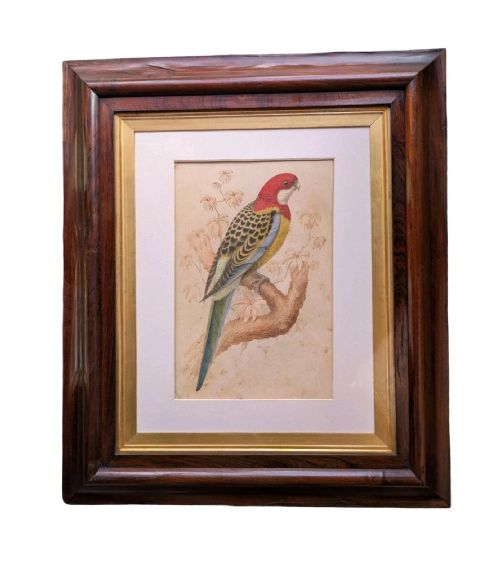
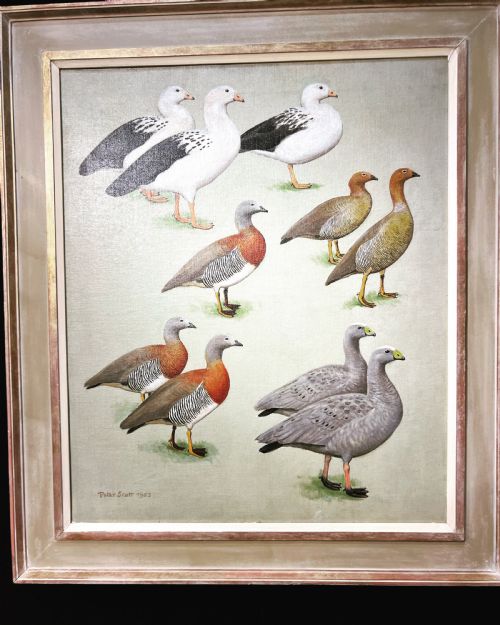
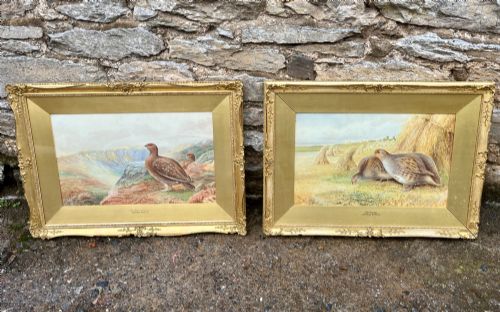
An antique bird study comprises framed watercolours, gouache paintings, engravings, and bronze sculptures depicting avian subjects. These works span the nineteenth century, the Edwardian era, and the art deco period, reflecting changing tastes in natural history representation. Buyers encounter everything from detailed botanical watercolours to cast metal figures mounted on marble plinths.
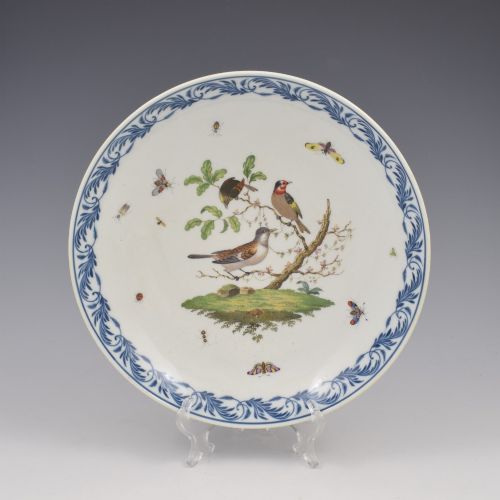
Watercolours and framed prints dominate the selection, often signed by listed artists or attributed to specific schools. Pieces range from intimate cabinet plates and porcelain dishes to large wall art and hanging scrolls. The focus remains on ornithological accuracy combined with decorative appeal.
Materials and construction
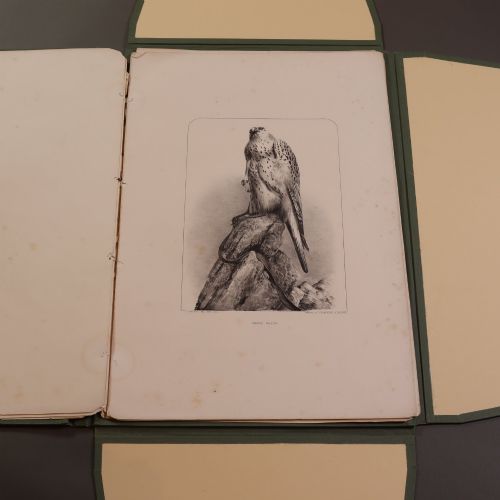
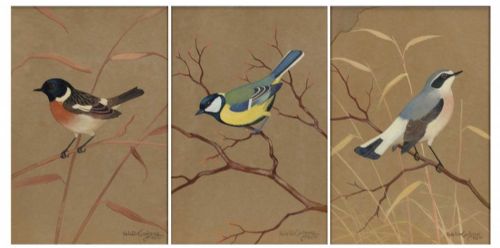
Paper and watercolour form the backbone of these works, frequently paired with gouache and ink to build fine feather detail. Engravings offer printed precision, sometimes hand-coloured to enhance the plumage.
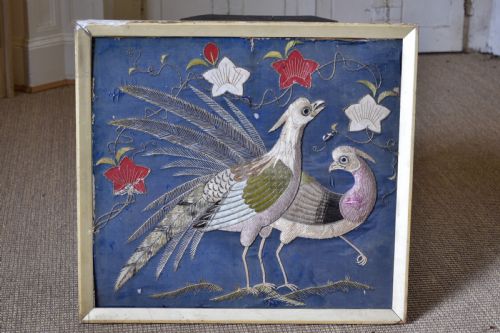
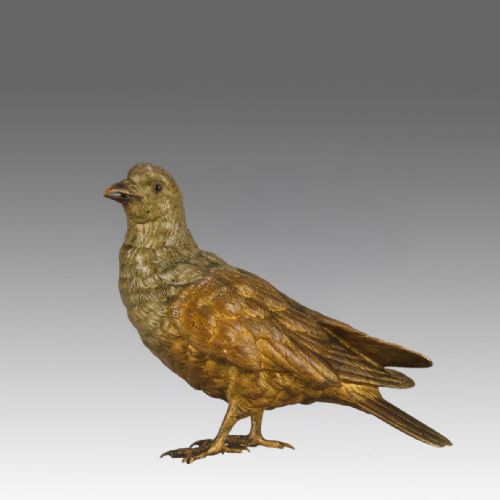
Three-dimensional pieces utilise cold-painted bronze, spelter, and porcelain, often mounted on onyx or marble plinths. Artists also employed pith paper, silk embroidery, and papier-mâché to create varied textures.
Antique Bird Study Retail Price Guide 2026
Typical asking prices for bird study among the pieces listed under this phrase on Sellingantiques today, from the lower quarter to the upper quarter. They describe what is for sale here now, not the wider market.
Even a humble duckling made from papier-mâché and straw commands attention when modelled with genuine avian charm.
Assessing quality
Quality rests in the precision of the draughtsmanship and the naturalism of the posture. Master hands capture the alertness and bone structure of the subject rather than a stiff template.
The choice of materials and the preservation of the surface pigment dictate the lasting visual impact. Original framing, clear signatures, and undamaged patination elevate the standing of any study.
Franz Bergman·P J Mêne·George Rankin·Arthur Wardle
The Antique Bird Study Glossary
- Gouache
- An opaque water-based paint that provides solid areas of bright colour and fine detail in works on paper.
- Cold-painted bronze
- A technique where bronze figures are painted with oil or enamel and left unheated, requiring careful preservation.
- Ornithological
- Pertaining to the scientific study and artistic depiction of birds.
- Spelter
- An alloy of zinc and copper used as a cost-effective alternative to bronze in nineteenth and twentieth-century sculptures.
Antique Bird Study: Frequently Asked Questions
How do I hang watercolours safely?
Keep watercolours away from direct sunlight to prevent the pigments from fading over time. Ensure rooms maintain a stable humidity level to protect both the paper and the original frame.
Use professional framing services with acid-free mounts to separate the paper from the glass. This prevents moisture damage and preserves the delicate brushwork.
What is cold-painted bronze?
Cold-painted bronze refers to metal sculptures coated in cold enamel paints rather than fired in a kiln. This technique allows for fine, realistic feather details on animalier figures.
Because the paint sits on the surface without high-heat bonding, these pieces require gentle dusting with a soft brush rather than liquid cleaning.
How are nineteenth-century studies different?
Nineteenth-century studies often focus on scientific observation and classification, reflecting the era's passion for natural history. Artists worked closely with specimens to record exact plumage and proportions.
Later Edwardian and art deco pieces leaned further into decorative design and stylised forms, placing greater emphasis on interior aesthetics.
Can I polish bronze sculptures?
Polishing antique bronze removes the natural patination that develops over decades of ageing. It is best to leave the surface undisturbed to maintain historical integrity and value.
Light dusting is sufficient for regular maintenance, avoiding any chemical polishes or abrasive cloths that strip the original finish.