





18th Century Natural History
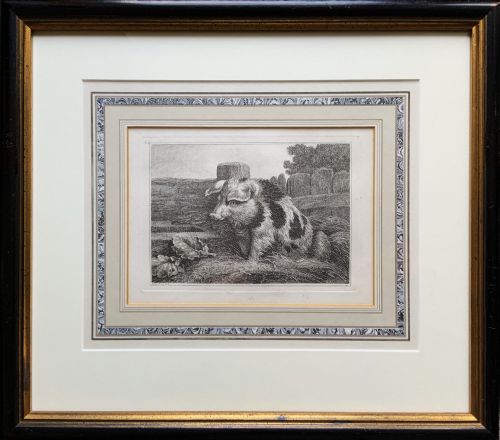
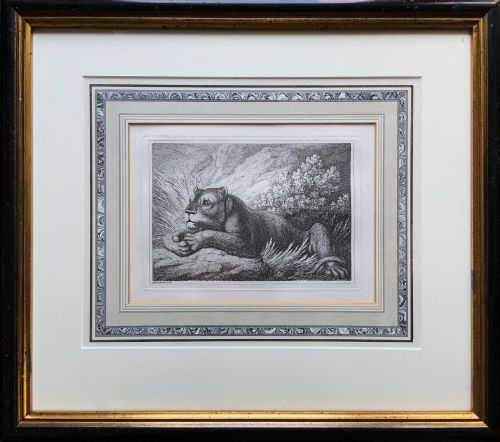
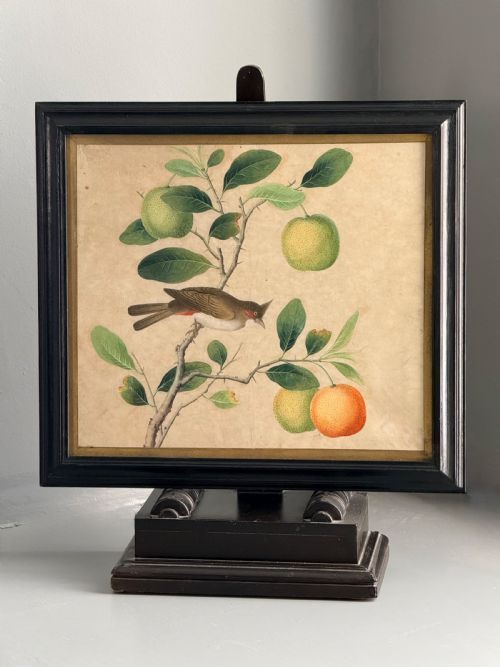
These 18th century natural history works bring together hand-coloured engravings, watercolours and oil paintings of birds, animals and plants.
18th Century Natural History
When you search for 18th century natural history, you encounter framed prints, wall art, decorative books and oil paintings capturing wildlife, birds, fish, reptiles and botanical subjects. The selection spans Georgian works and European productions from the seventeen-fifties onwards into the early nineteenth century.
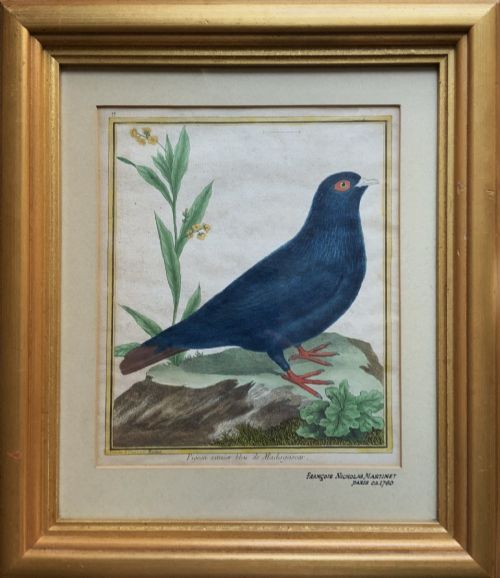
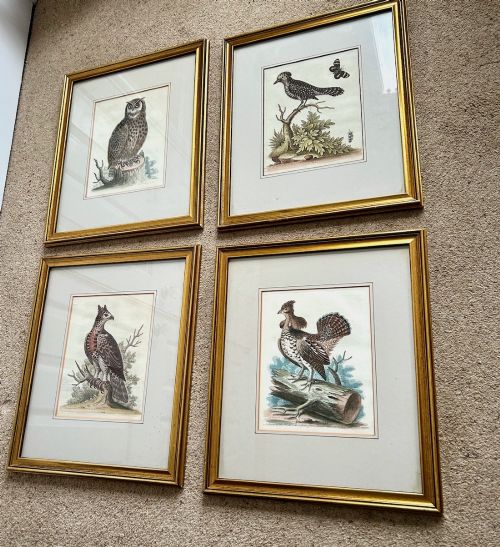
Framed prints dominate the selection, frequently featuring hand colouring applied over engraved lines representing pigeons, serpents, rhinoceros skeletons, monkeys and botanical specimens. These works derive from structured plates produced by prominent naturalists and artists of the period.
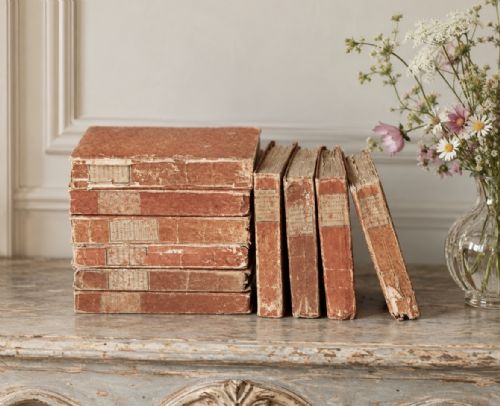
Oil paintings and watercolours also appear, offering larger depictions of ducks, wildlife and birds set within landscapes. Decorative books provide another format, gathering multiple pages of period illustration within bound volumes.
What Varies in Quality
The precision of the original engraving and the finesse of the subsequent hand colouring determine the visual impact of each plate. Finer examples retain vibrant, stable pigments on clean paper stocks without heavy fading or excessive foxing.
Framing choices also differentiate pieces, with period giltwood frames enhancing the presentation of both prints and oil paintings compared to later replacements. The prominence of the artist or naturalist responsible for the initial study adds another layer of distinction.
18th Century Natural History Retail Price Guide 2026
Typical asking prices for 18th century natural history among the pieces listed under this phrase on Sellingantiques today, from the lower quarter to the upper quarter. They describe what is for sale here now, not the wider market.
Materials across these listings include paper, glass, wood, watercolour, ink, gilt wood, oil on canvas and giltwood frames.
François-Nicolas Martinet·George Edwards·Philipp Ferdinand de Hamilton·Buffon·Bernhard Siegfried Albinus·Georg Wolfgang Knorr·Georg Dionysius Ehret
The 18th Century Natural History Glossary
- Engraving
- A printmaking technique where an artist cuts lines into a metal plate to hold ink for transfer onto paper. This method allowed the precise reproduction of detailed animal and plant anatomy.
- Hand Coloured
- The manual application of watercolour or tint to a printed monochrome image. Artisans painted these details by hand to approximate natural shades.
- Botanical
- Pertaining to the scientific study and illustration of plants. These works focus accurately on floral structures, leaves and roots.
- Georgian
- The period spanning the reigns of the British monarchs named George from seventeen fourteen to eighteen thirty. Works from this era display distinct neoclassical and natural science influences.
- Ornithological
- Relating to the scientific branch focusing on birds. Plates of this classification depict avian species with anatomical attention.
18th Century Natural History: Frequently Asked Questions
How should I hang these prints?
Keep these works away from direct sunlight to prevent the hand-applied watercolours and paper supports from fading over time.
Pair matching sets of prints or botanical plates together on neutral walls to maintain visual balance.
Are these prints original to the eighteenth century?
The paper and plate impressions date from the period indicated in the titles, produced during the active years of the naturalists and engravers.
Hand colouring was typically applied at the time of publication to enhance the scientific utility and decorative appeal of the illustrations.
What is the difference between an engraving and a painting?
Engravings are printed multiples created from inked metal plates and subsequently finished with watercolour by hand.
Oil paintings are unique works painted directly onto canvas by an artist's hand.
How do I care for antique paper art?
Ensure the framing uses acid-free backing materials and protective glazing to shield the paper from environmental moisture and pollutants.
Maintain stable room temperatures and avoid hanging pieces in damp environments like unheated spaces.