
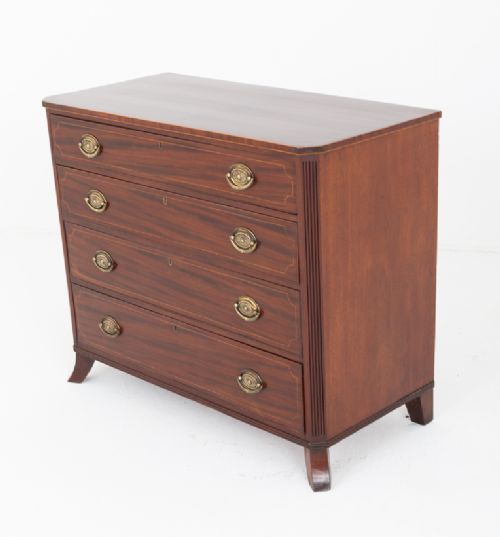
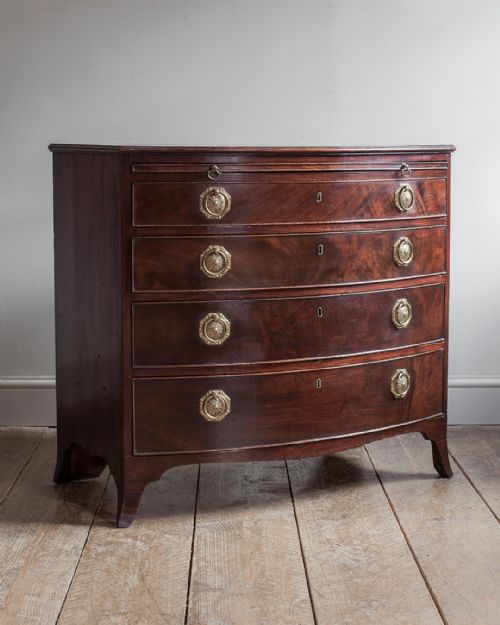
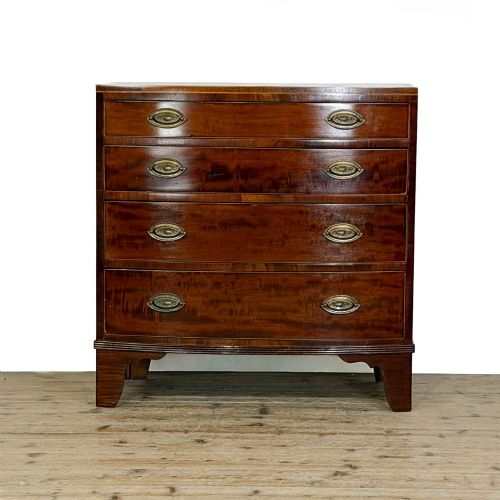
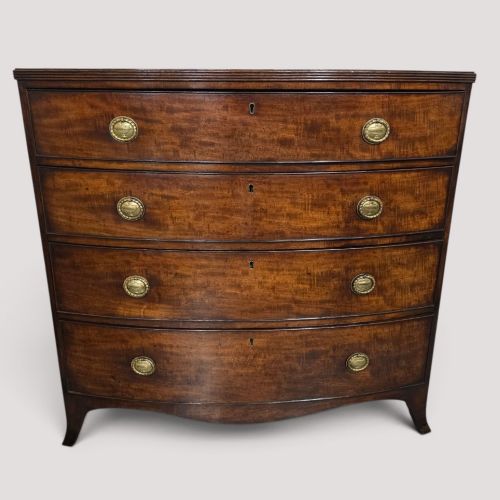

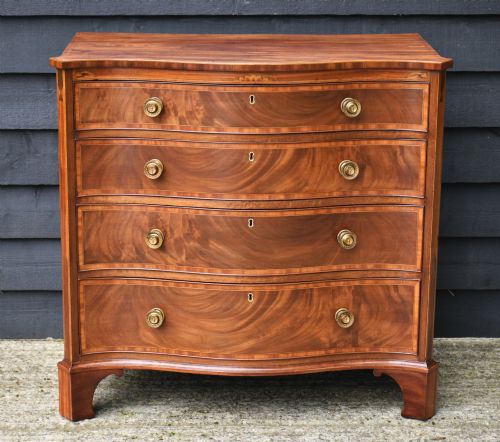
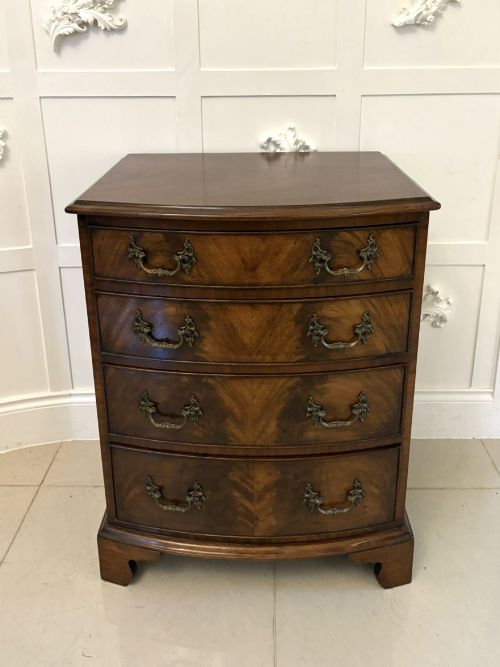
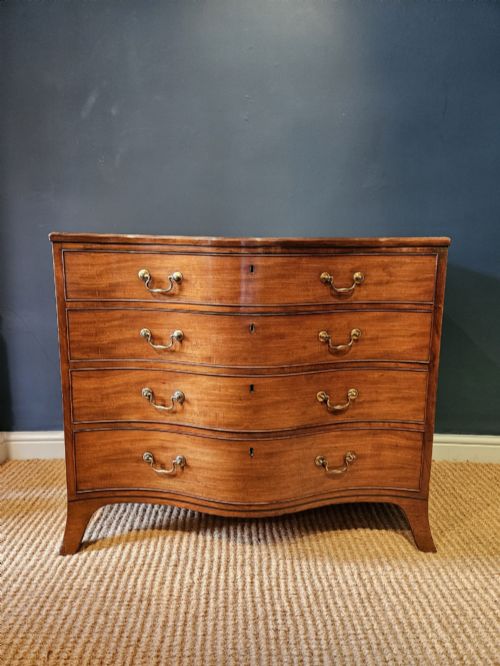
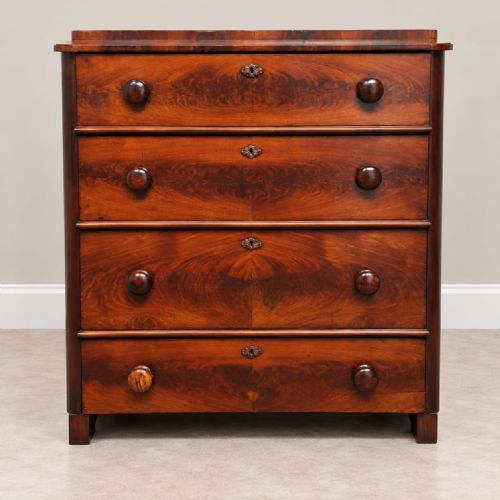
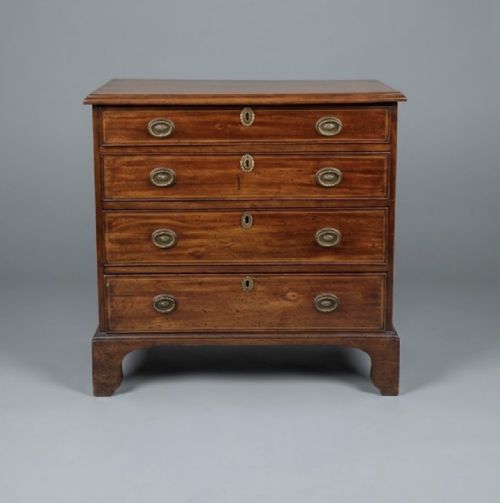
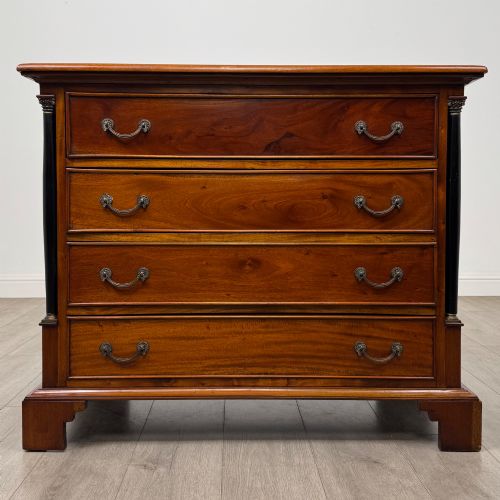
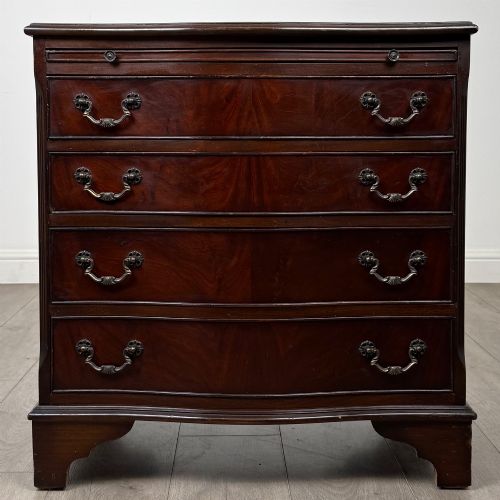
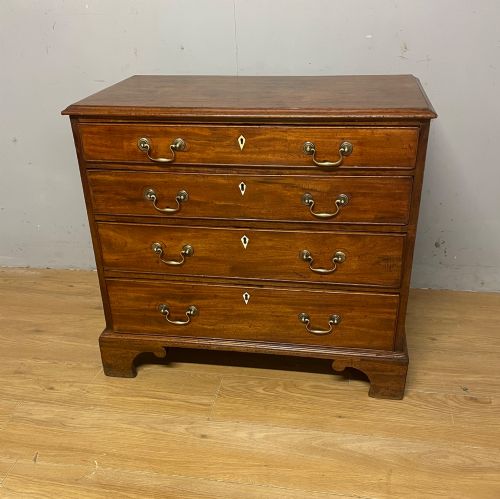
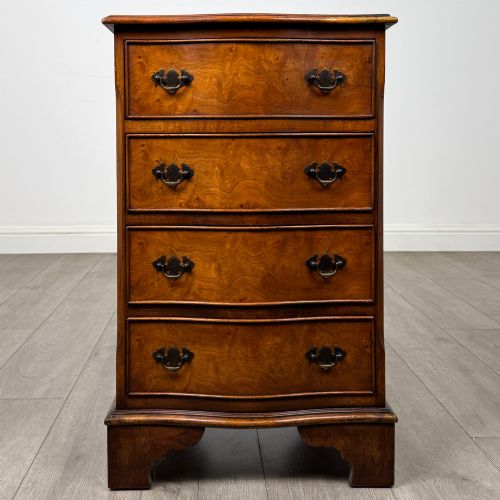
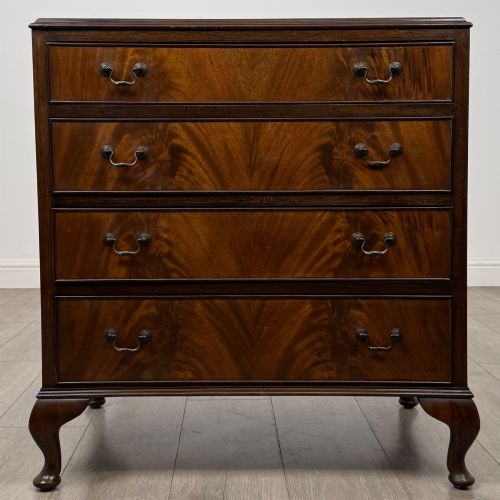
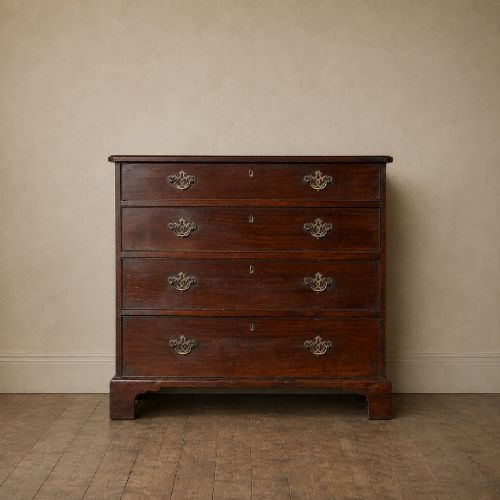
Four Drawer Mahogany Commode
A four drawer mahogany commode provides timeless storage in solid timber, combining deep grain with practical proportions for any room.
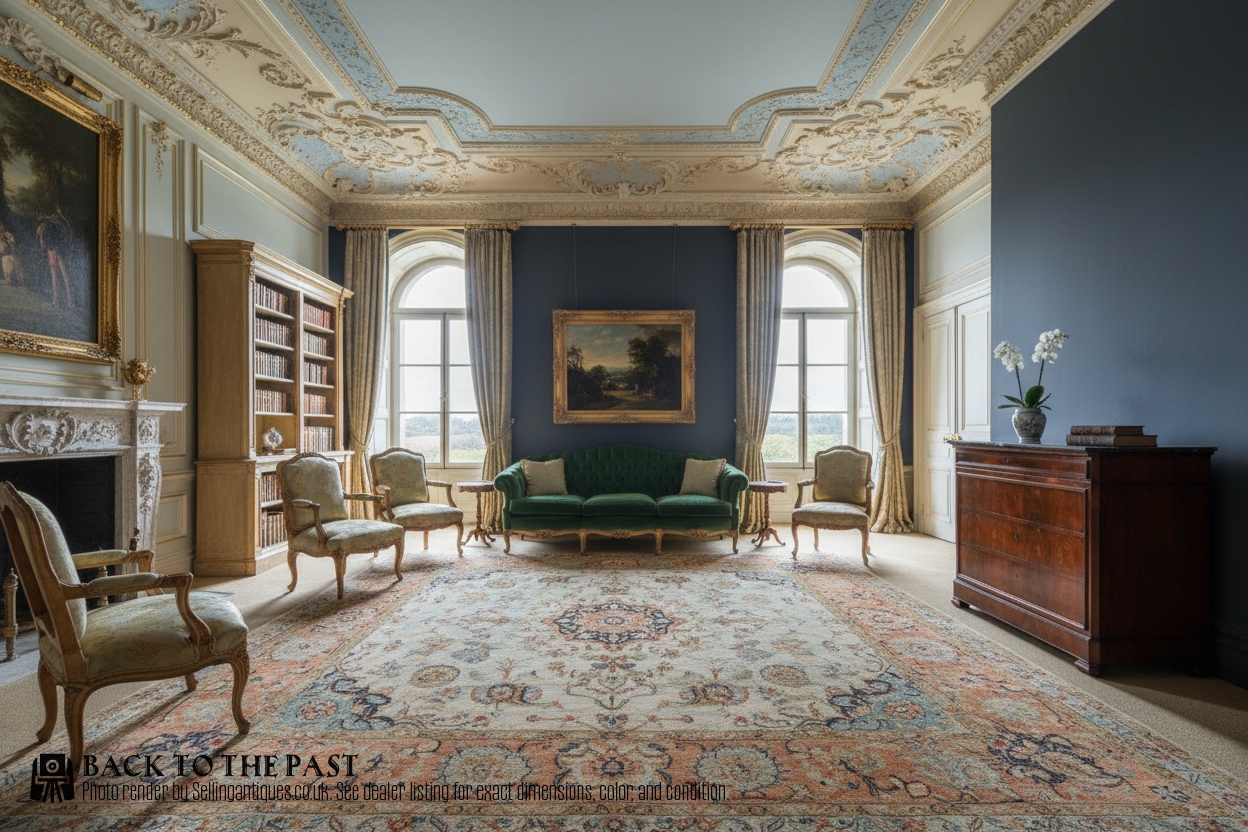
Four Drawer Mahogany Commode
A four drawer mahogany commode is a case piece designed for domestic storage, commonly encountered in straight, bow front, and serpentine forms. The pieces span periods from the eighteenth century through the nineteenth and twentieth centuries, including Georgian, Regency, and Victorian iterations.
The layout typically arranges four graduated horizontal drawers within a rectangular or shaped timber carcass. Variations include miniature examples, pieces fitted with a pull-out brushing slide, and continental oxbow formats.
How they were made
Cabinet makers utilised solid mahogany alongside flame veneers, supported by secondary timbers such as oak for drawer linings. Surfaces often incorporated boxwood inlay, satinwood banding, and ebonised details to accentuate the timber grain.
Hardware construction typically involved cast brass pulls and drop handles secured through drawer fronts. Structural joinery relied on traditional hand-cut dovetails for the drawer boxes and carcass frames.
What varies in quality
The grade of timber selection dictates visual depth, where highly figured flame mahogany or dense grain patterns elevate the piece above plain stock. Crisp execution of boxwood inlay and sharply defined serpentine or bow fronts separate standard joinery from superior craftsmanship.
Proportion and surface patina define the finish of the piece. Retained original brass hardware and untouched wax surfaces demonstrate greater integrity than later replacements or stripped timber.
Druce & Co
The Four Drawer Mahogany Commode Glossary
- Commode
- A low chest of drawers or cabinet designed for domestic use. The term often describes decorative English and continental case furniture from the Georgian period.
- Serpentine front
- A furniture front curved with a convex centre flanked by concave ends. This undulating shape requires skilled carpentry to execute clean drawer joints.
- Bow front
- A convex curved front that swells outward from the corners. It became a popular feature on late eighteenth and nineteenth century case pieces.
- Brushing slide
- A pull-out shelf integrated above the top drawer. It served as a writing surface or a place to brush clothes.
- Patina
- The surface sheen and mellowing developed by wood over decades of handling and polishing. It indicates age and proper maintenance.
Four Drawer Mahogany Commode: Frequently Asked Questions
How do I use a commode?
A four drawer mahogany commode functions primarily as a bedroom chest for folded clothing and linens. Its surface also accommodates decorative lamps or mirrors.
In living areas or hallways, the piece serves as a focal point for displaying objects while offering concealed storage for household items.
How do I style mahogany furniture?
Mahogany pairs well with both neutral wall colours and rich traditional palettes, allowing the dark timber grain to stand out. Brass hardware complements metallic accents in lighting and picture frames.
Placing the chest against plain walls highlights the curved lines of bow front and serpentine forms without visual competition.
How do I date a chest?
Dating relies on architectural styling, drawer construction methods, and timber choice. Georgian pieces often feature hand-cut dovetails and oak drawer linings, whereas later nineteenth century items show machine-sawn elements.
Inlaid satinwood stringing and shaped aprons also point to specific stylistic periods such as the late eighteenth century.
What is a brushing slide?
A brushing slide is a pull-out wooden shelf positioned directly beneath the top surface and above the uppermost drawer. It was originally used for grooming tasks or folding garments.
Many Georgian and Regency examples include this feature as a sign of high quality cabinet making.