


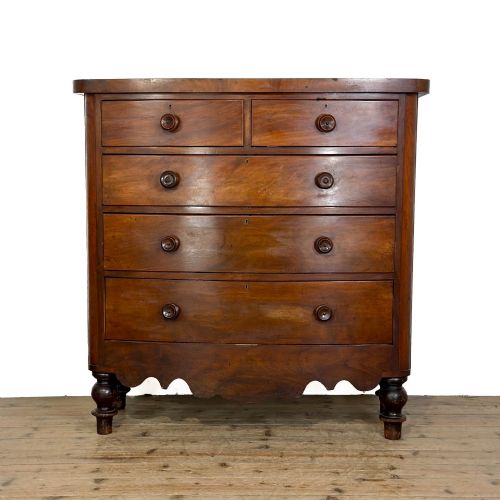
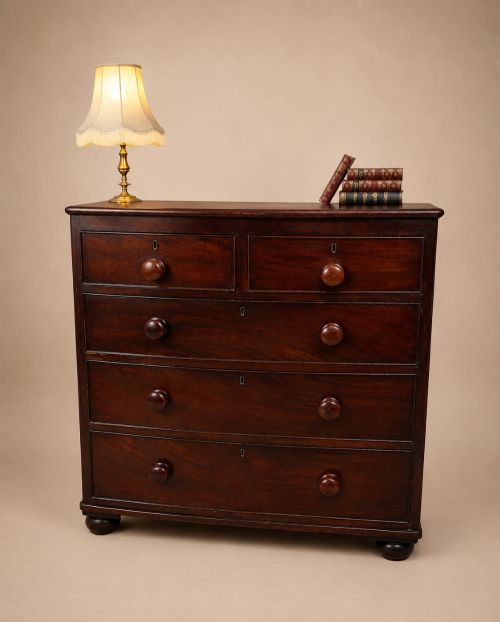
19th Century Bedroom Commode
A 19th century bedroom commode provides generous bedside storage through sturdy timber drawer construction and polished hardwood surfaces.
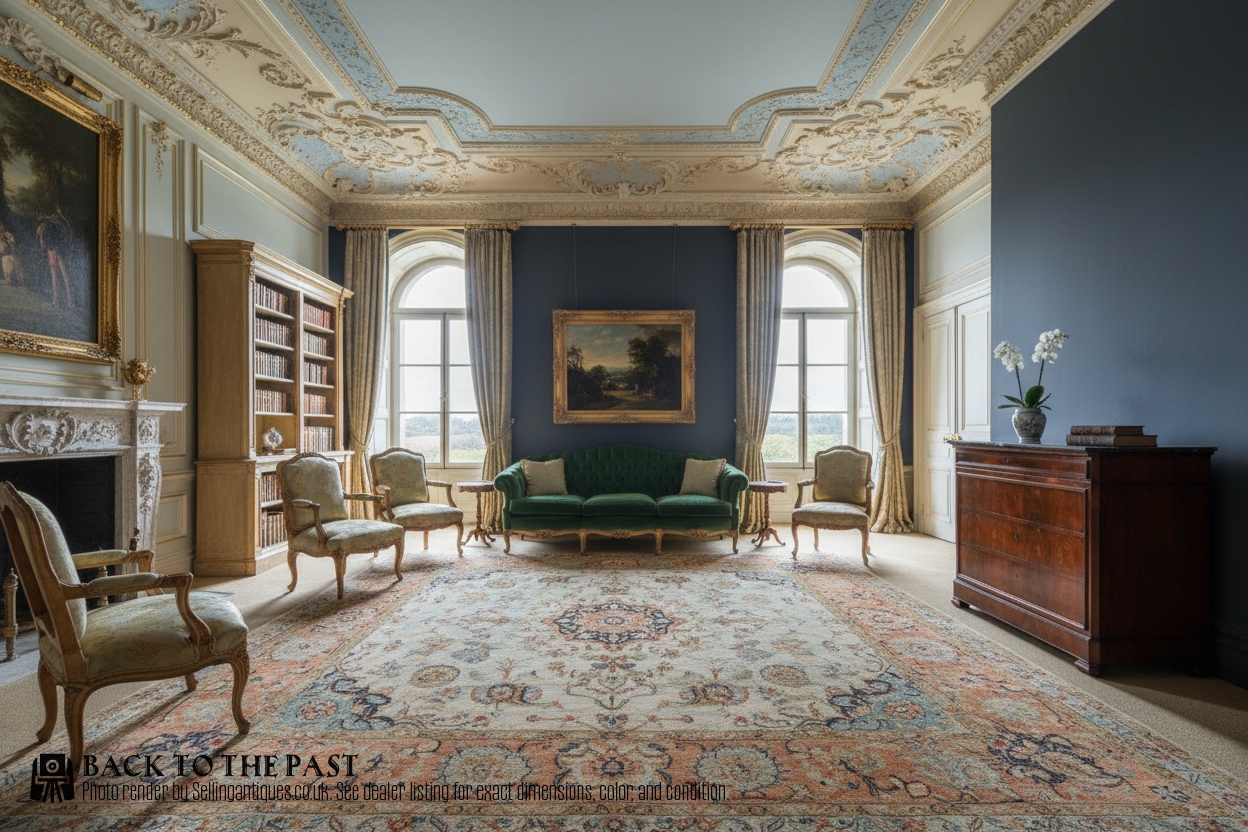
19th Century Bedroom Commode
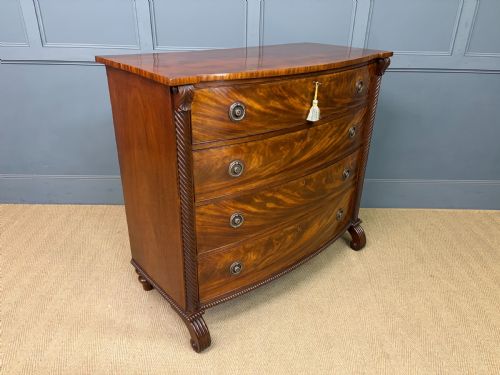
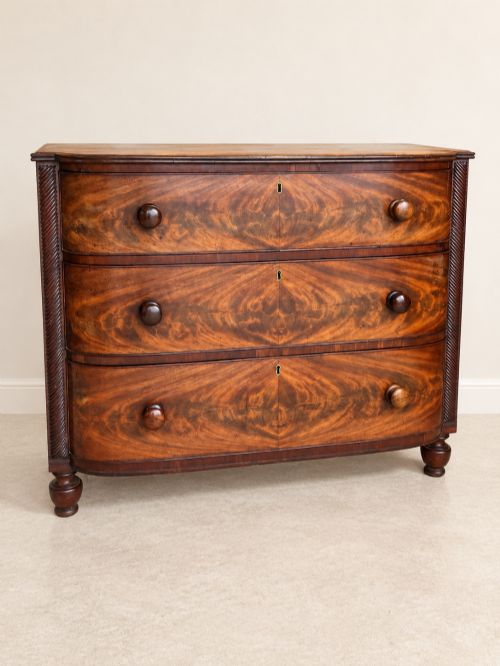
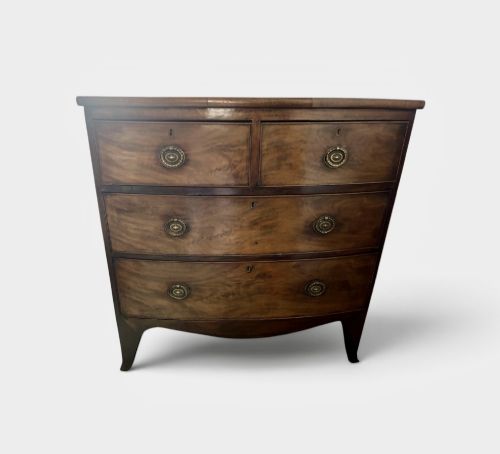
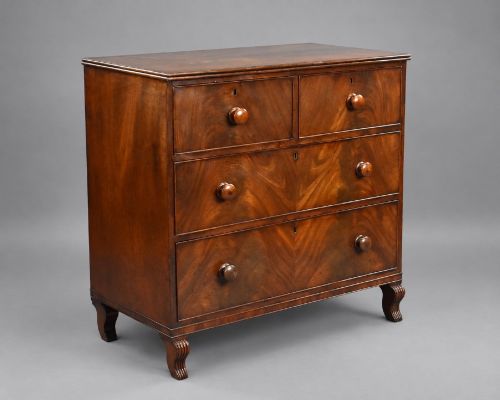
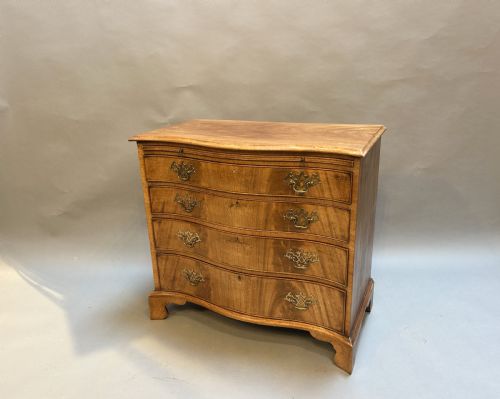
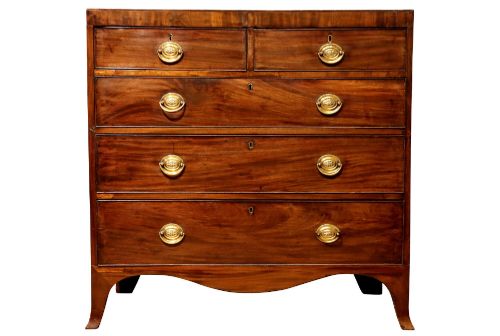
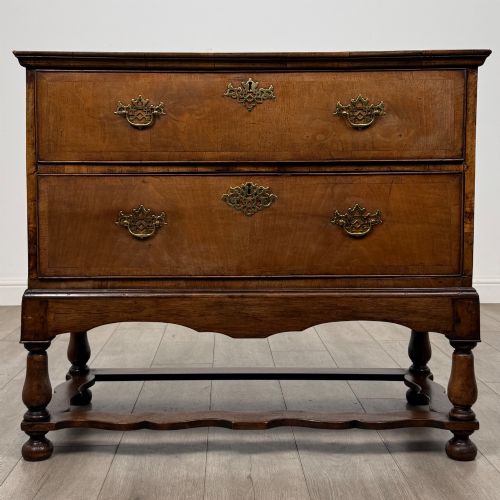
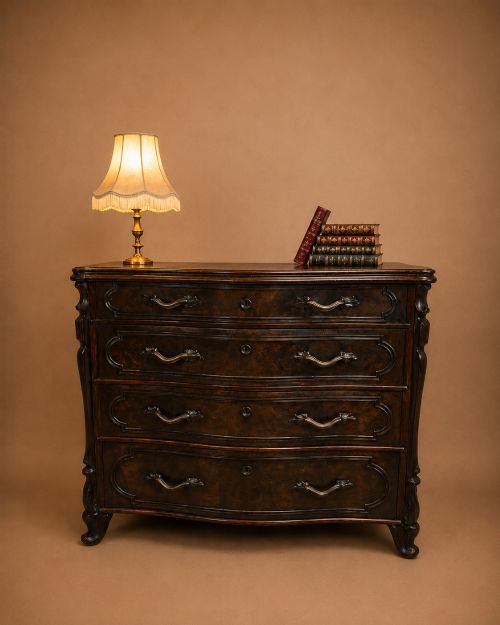
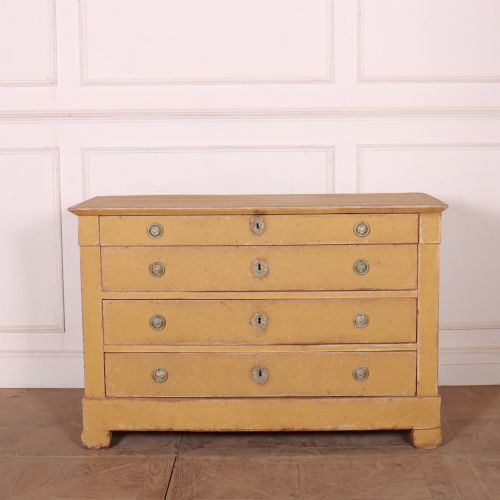
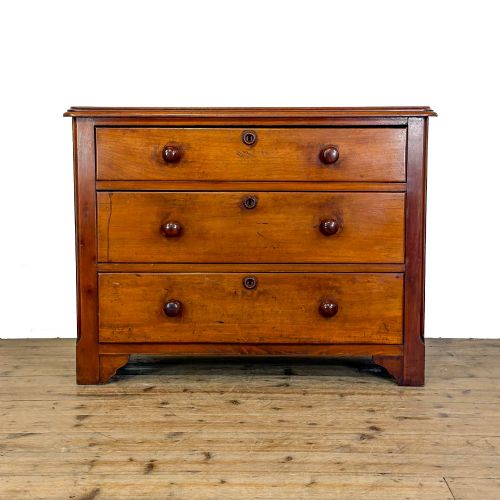
A 19th century bedroom commode typically manifests as a chest of drawers or a washstand chest, designed to hold linens and personal items within sleeping quarters. These pieces range from substantial mahogany chests to painted pine country furniture and continental commodes.
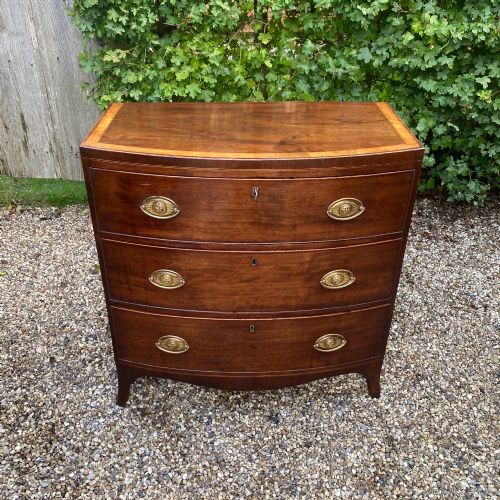
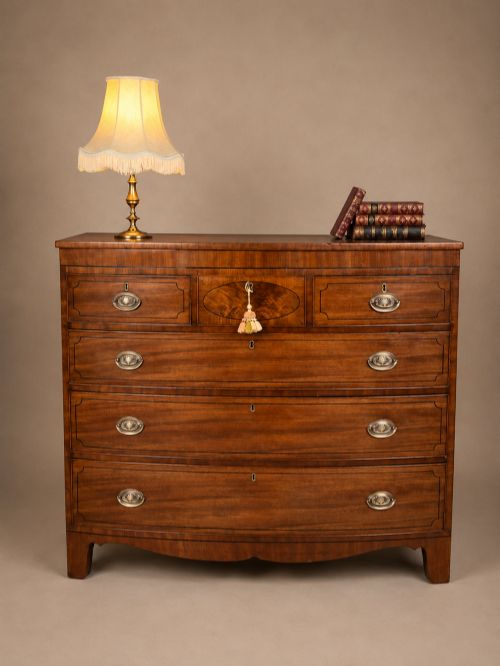
The versions most frequently encountered here span the Regency, Victorian, and Georgian eras, often featuring standard rectangular or shaped bow front profiles. Walnut, oak, and pine also appear alongside the dominant mahogany timber.
Formations include pieces with three, four, or five drawer heights, sometimes incorporating specialised tops such as a caddy top or scrubbed pine surface. Regional variations stretch from English country workshops to French provincial designs.
Factors determining quality
The selection of timber grade dictates the visual depth of a piece, with figured and flame mahogany veneers sitting at the upper end of refinement compared to standard pine. Grain alignment and matching across drawer fronts show the maker's hand.
Subtlety of form separates standard utilitarian items from finer examples, such as serpentine outlines, bow fronts, or delicate satinwood stringing. Hardware originality and the crispness of turned elements also define the tier.
Structural integrity rests on the precision of the joinery and the survival of original surface finishes, whether polished wood or early paint. Pieces retaining their original brasses and unwarped drawer runners represent better craftsmanship.
Listings feature mahogany as the predominant timber, accompanied by pine, oak, walnut, and marble.
Druce & Co
The 19th Century Bedroom Commode Glossary
- Bow front
- A convex curved front profile that projects outward in the centre. This shape gained popularity during the Regency and Georgian periods to soften room angles.
- Caddy top
- A raised, moulded tabletop style with a stepped edge resembling the lid of a tea caddy. It provides a distinct finished rim to early chests.
- Serpentine outline
- A curving front edge that undulates inward and outward in a continuous flowing wave. This sophisticated shape requires advanced cabinet-making skill.
- Faux bamboo
- Wood carved and painted to imitate the segmented stalks of bamboo. This decorative technique appeared on continental and English furniture.
- Flame mahogany veneer
- A sliced timber veneer displaying a swirling, flame-like grain pattern. Cabinet makers applied this to primary drawer fronts for visual impact.
19th Century Bedroom Commode: Frequently Asked Questions
What is a 19th century bedroom commode?
A 19th century bedroom commode is essentially a chest of drawers or washstand utilised for storing clothing and personal items in sleeping quarters.
These pieces were constructed in various woods such as mahogany, oak, and pine, reflecting the dominant styles of the Georgian, Regency, and Victorian eras.
How do I identify a Regency commode?
Regency pieces often feature clean architectural lines, flame mahogany veneers, and sometimes bow-fronted drawer configurations.
They frequently display restrained brass hardware and distinct proportions that set them apart from heavier later Victorian designs.
Where were these commodes used?
These pieces served primarily in domestic bedrooms and dressing rooms for the storage of linens, undergarments, and daily apparel.
Washstand variants also accommodated washing basins and grooming equipment on top surfaces protected by marble or scrubbed pine.
How do I care for antique wood furniture?
Maintain these wooden surfaces by keeping them away from direct heat sources and sudden humidity changes to prevent timber splitting.
Apply traditional wax polish sparingly and buff with a soft cloth to preserve the natural lustre of the antique finish.