
Victorian Flame Mahogany Commode
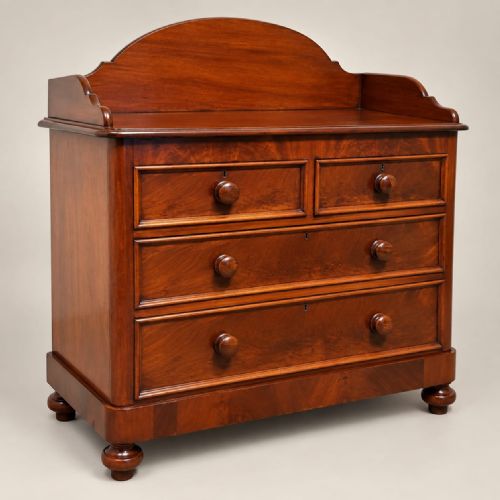
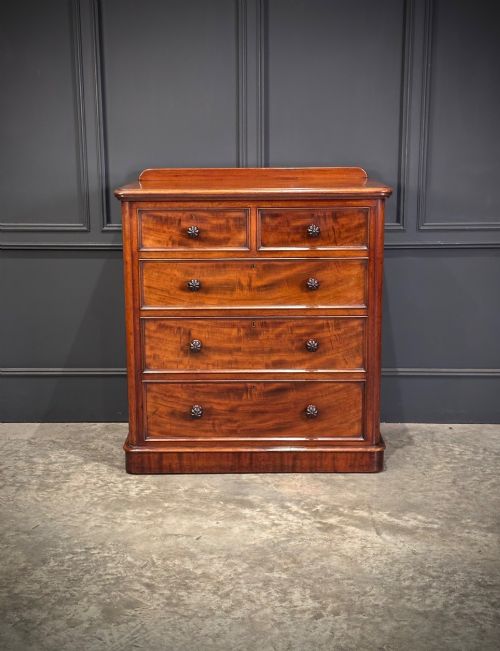
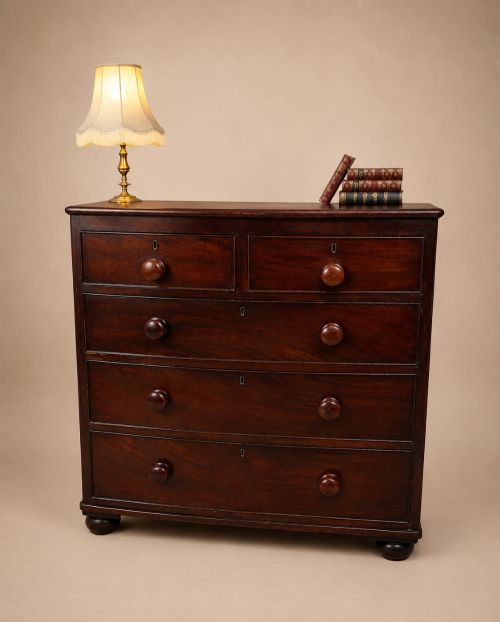
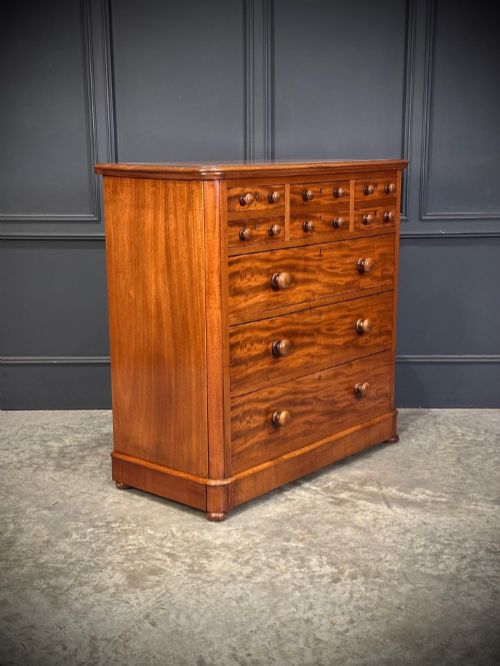
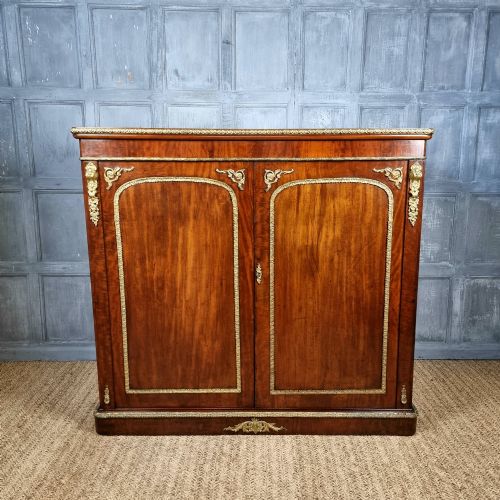
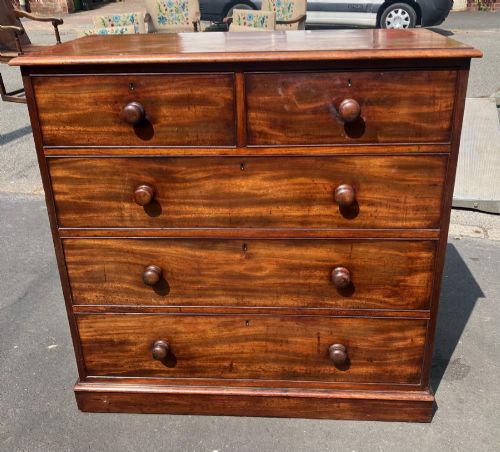
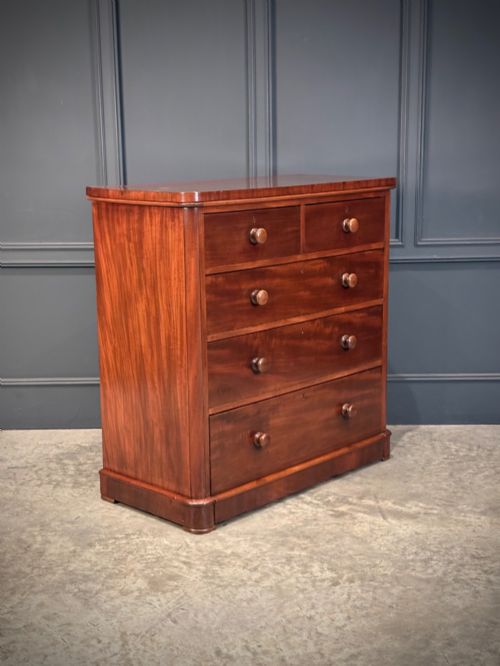
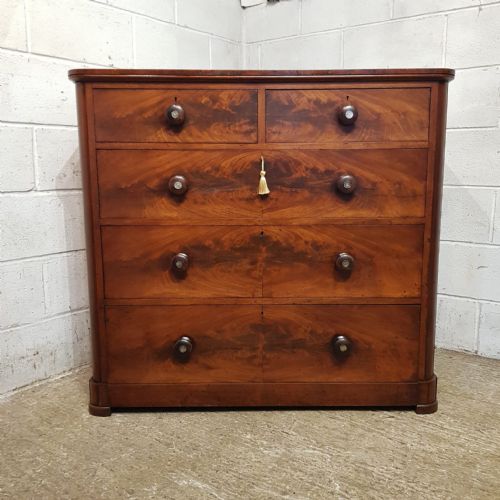
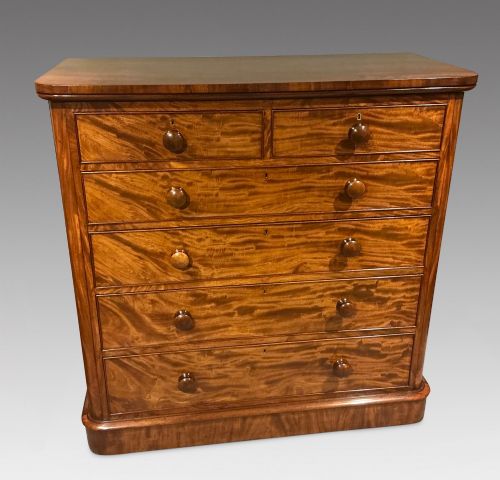
A victorian flame mahogany commode is a substantial storage piece built from deeply figured timber that brings warmth and presence to a bedroom.
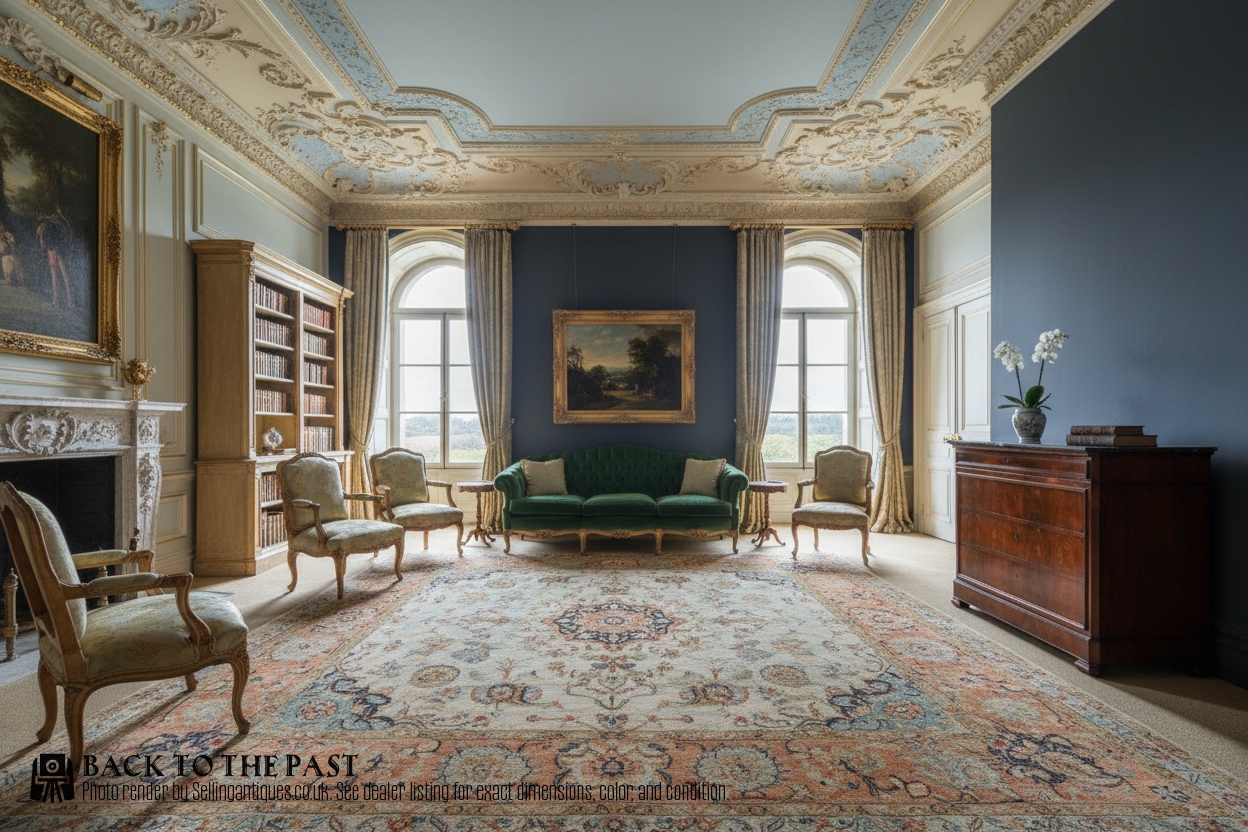
Victorian Flame Mahogany Commode
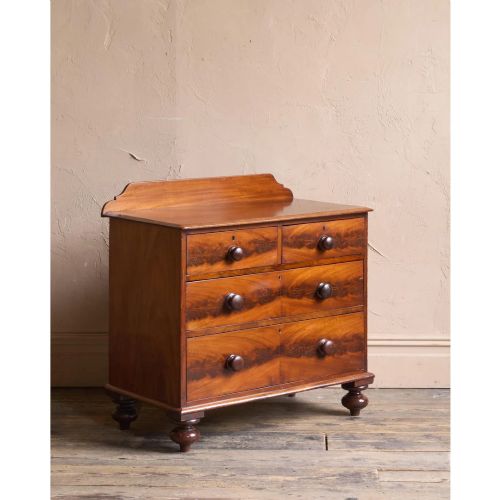
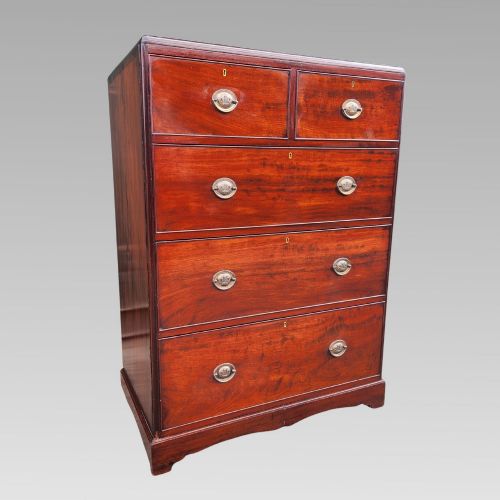
A victorian flame mahogany commode typically takes the form of a chest of drawers or a bedside table, engineered to provide practical bedroom storage. The pieces span the nineteenth century, including specific decades from eighteen fifty to nineteen hundred, alongside items influenced by earlier Regency and Georgian designs.
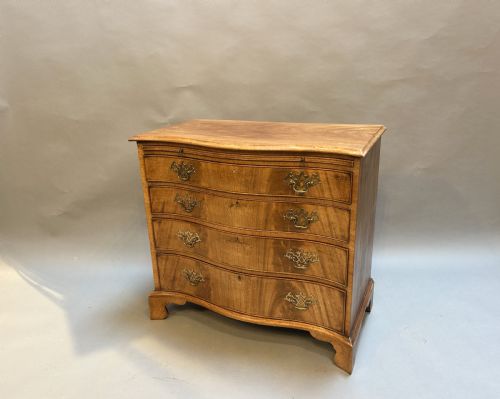
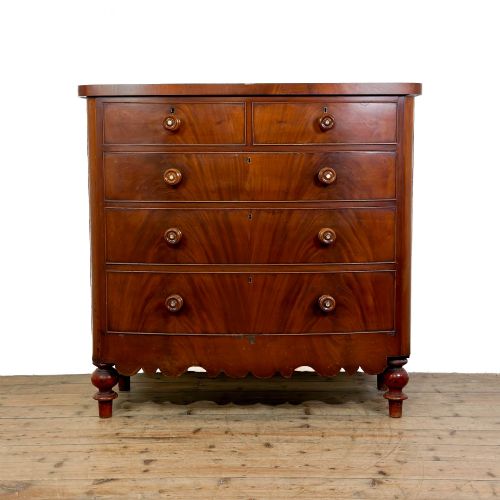
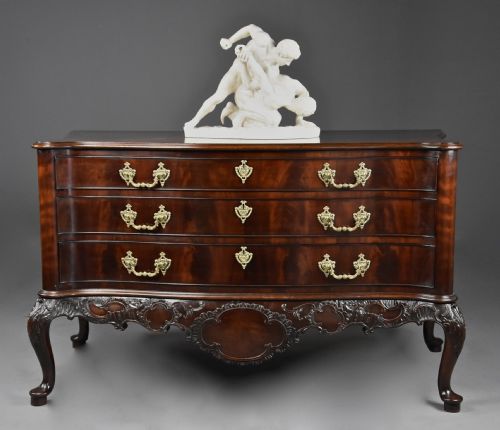
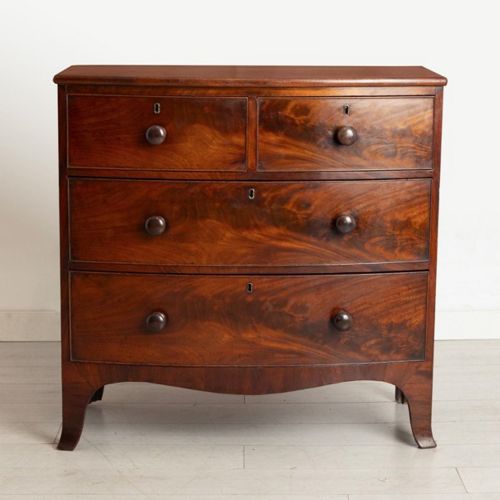
Buyers will most frequently encounter large chests of drawers with bow fronts or serpentine outlines, constructed primarily during the Victorian period. Alongside standard chests, the selection includes bedside tables, dressing chests, and occasional side cabinets sharing the characteristic timber vocabulary.
How they were made
Cabinet makers utilised dense secondary timbers like pine and oak for internal drawer carcasses and framing, providing structural stability. Over these sturdy carcases, they applied finely sliced flame mahogany veneer to the visible exterior surfaces to create dramatic grain patterns.
Many examples incorporate brass handles and escutcheons, occasionally paired with subtle details like mother of pearl inlay. Construction techniques rely on traditional joinery methods suited to heavy nineteenth century furniture production.
Cabinet makers occasionally hid secret compartments behind decorative mouldings to secure small valuables.
What varies in quality
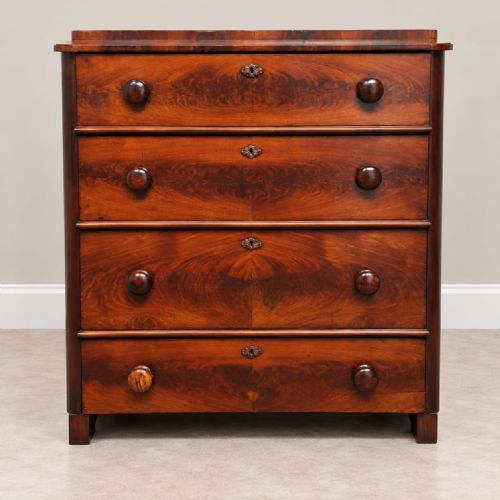
The visual impact of a piece rests heavily on the selection and bookmatching of the flame mahogany veneer across the drawer fronts. Superior examples display symmetrical, fiery grain patterns that catch the light effectively, whereas lesser pieces show plain or interrupted figuring.
Proportion and silhouette distinguish the finer items, particularly where makers shaped the wood into confident bow fronts or sweeping serpentine outlines. The integration of secondary woods, the crispness of applied mouldings, and the retention of original brass hardware further separate standard production from exceptional work.
Gillows
The Victorian Flame Mahogany Commode Glossary
- Flame mahogany veneer
- A thin slice of wood cut from timber where the branch meets the trunk, producing a distinctive, flickering grain pattern. Cabinet makers laid this prized material across the primary visible surfaces of high status furniture.
- Bowfront
- A curved cabinet front where the central section projects outward in a convex arc. This shape softens the profile of large storage furniture and requires precise joinery.
- Serpentine outline
- A cabinet front featuring a central convex curve flanked by two concave curves, forming a continuous wave. This intricate shaping indicates high quality nineteenth century craftsmanship.
- Biedermeier
- A Central European style dating from the first half of the nineteenth century characterised by utilitarian comfort and clean lines. Pieces in this aesthetic rely on rich wood grains rather than heavy ornamentation.
Victorian Flame Mahogany Commode: Frequently Asked Questions
What is a flame mahogany commode?
A flame mahogany commode is a nineteenth century storage chest or cabinet veneered in timber with a distinctive, flickering grain pattern.
These pieces were traditionally placed in bedrooms and principal rooms to provide deep drawer capacity while displaying wealthy materials.
How do I date a Victorian chest?
Dating relies on observing structural characteristics, handle styles, and secondary timbers used inside the drawers. Nineteenth century pieces often display specific proportions and veneer treatments characteristic of decades between eighteen fifty and nineteen hundred.
Changes in hardware, such as the shift from wooden knobs to brass drop handles, help narrow down the period of manufacture.
Where should I place a commode?
These substantial chests suit bedrooms, hallways, or living spaces where their generous proportions and warm timber tones can anchor the room. Their flat tops also provide a practical surface for lamps, mirrors, or decorative objects.
Ensure placement avoids direct sunlight and sudden temperature changes to protect the delicate veneer.