
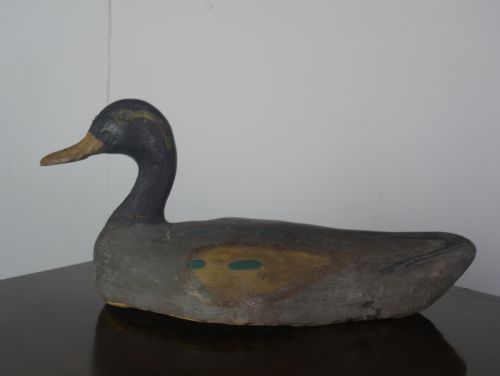


Folk Art Bird Sculpture
Folk art bird sculpture captures the honest hand of the maker, offering decorative carvings and weathervanes that bring character to any room.
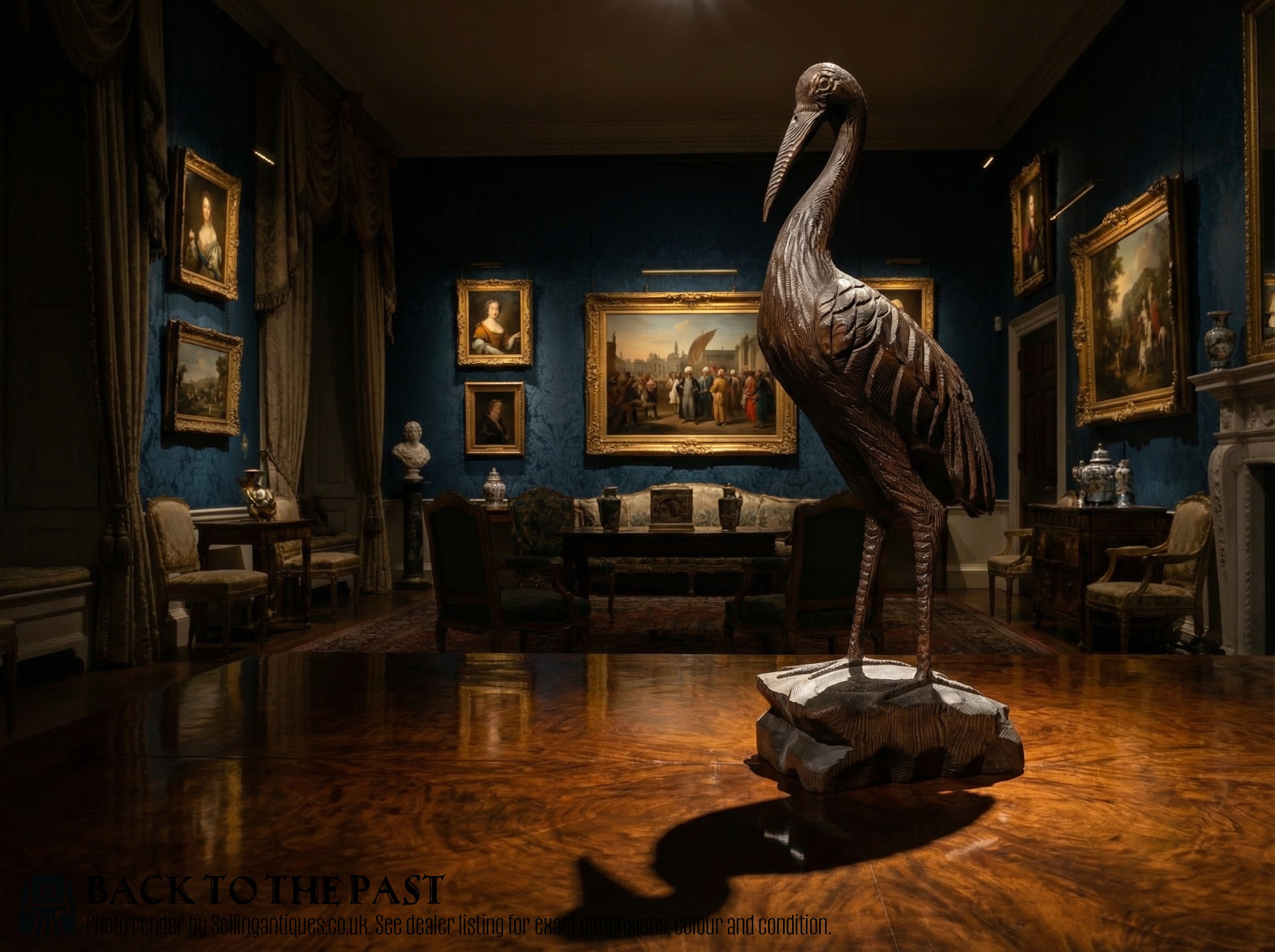
Folk Art Bird Sculpture
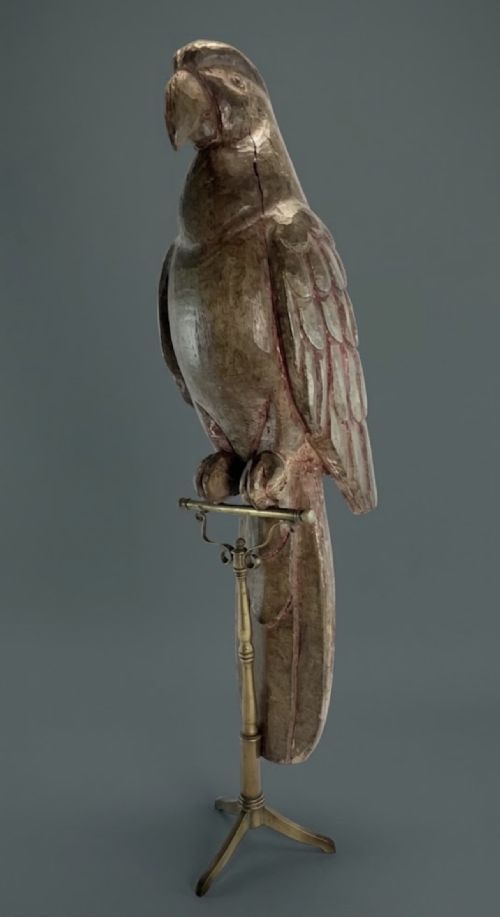
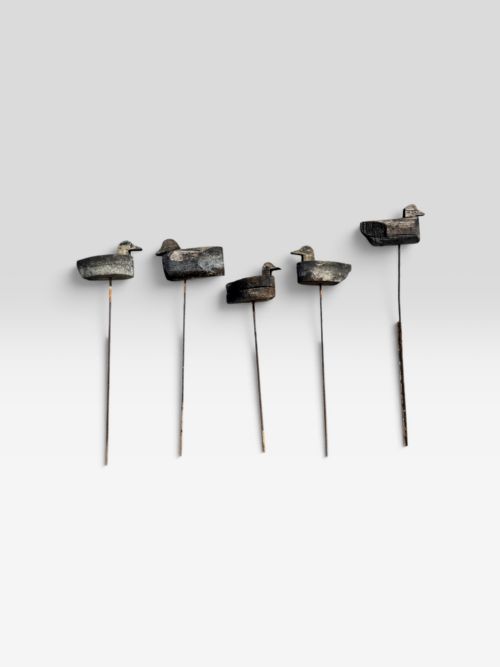
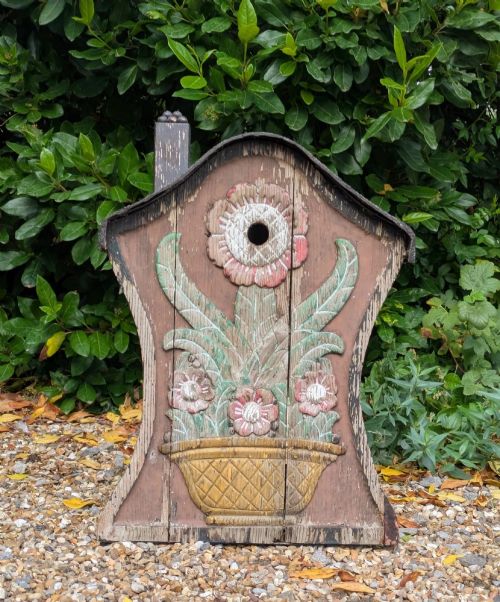
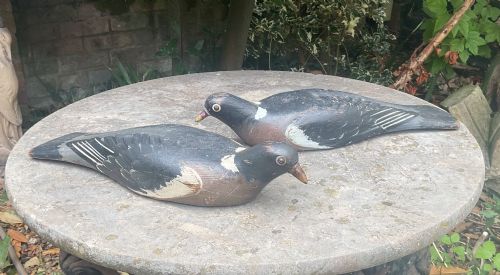
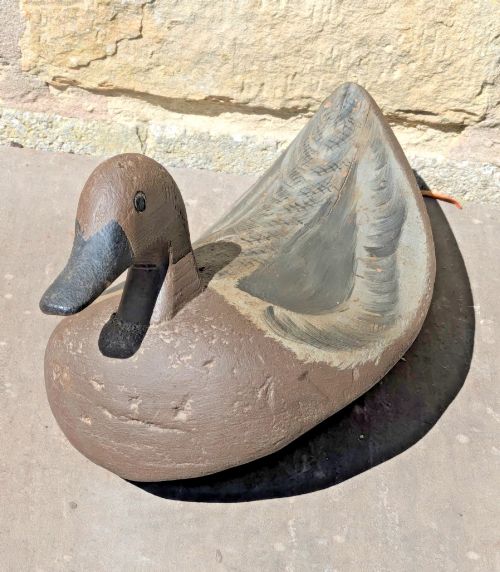
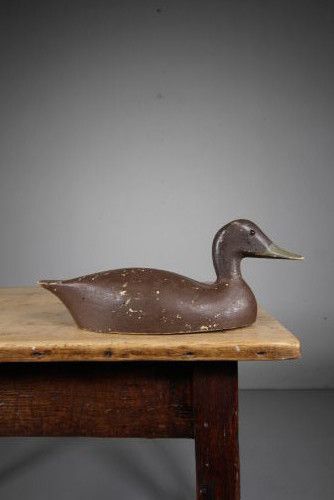
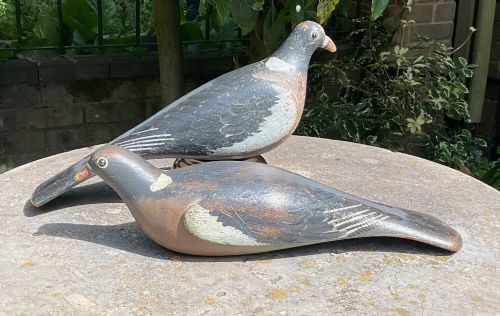
Folk art bird sculpture encompasses a charming selection of hand-worked figures, ranging from carved wooden decoys to architectural metal weathervanes. When you search for folk art bird sculpture, you encounter rustic interpretations of avian life shaped by utilitarian need and creative impulse.
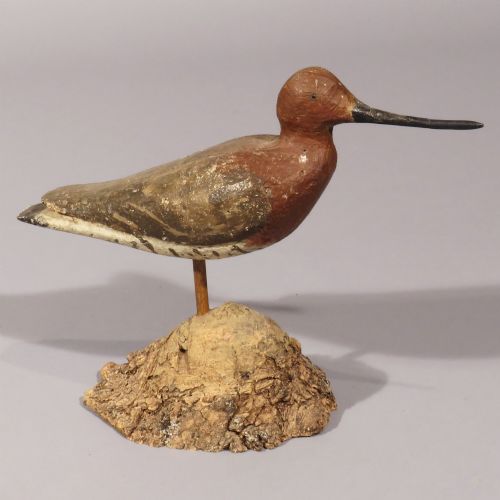
The pieces appearing on this page span the nineteenth century and the Edwardian era, featuring distinct British examples. You meet carved pine herons alongside black-tailed godwit decoys and sheet metal silhouettes.
Makers working in these earlier periods produced vernacular objects without the strict uniformity of mass production. Each sculpture carries the individual marks of its creator, whether through tool marks on timber or weathered paint on iron.
How they were made
Artisans constructed these sculptures using available materials such as pine, bark, sheet metal, and iron. Wood carvers shaped bodies from blocks of timber, often adding applied details or surface paint to suggest plumage.
Metalworkers cut and shaped sheet iron for outdoor placement, creating silhouettes designed to weather the elements. Pigments and paint finishes were applied directly to the base materials, acquiring a natural patina over time.
What varies in quality
The distinction between standard examples and superior pieces rests largely on the vigour of the carving and the integrity of the surface. Strong sculptural presence and confident tool work elevate certain figures above simpler utility items.
Surface preservation also plays a significant role in how a piece is judged. Original paint surfaces that have aged naturally without heavy restoration command greater appreciation from collectors of vernacular art.
The Folk Art Bird Sculpture Glossary
- Decoy
- A carved or moulded figure placed to attract wild birds, often later valued purely for its sculptural form. These objects bridge the gap between working equipment and decorative art.
- Weathervane
- An architectural instrument mounted on a roof to show the direction of the wind, frequently fashioned into animal or bird shapes. Metal examples combine blacksmithing skill with functional design.
- Vernacular
- Artefacts made by self-taught or local craftsmen to serve everyday purposes rather than high artistic convention. This category defines much of traditional British folk sculpture.
- Patina
- The surface appearance altered by age, wear, and exposure to light over many decades. A genuine patina tells the history of how a piece has lived.
Folk Art Bird Sculpture: Frequently Asked Questions
What is a folk art bird sculpture?
These are handmade decorative objects shaped to represent birds, created by local craftsmen using traditional materials.
They include carved wooden decoys and metal weathervanes made during the nineteenth and early twentieth centuries.
How were these sculptures used originally?
Many of these pieces served practical functions in rural environments, such as luring wild fowl or indicating wind direction on buildings.
Over time, their sculptural qualities led to them being kept purely for decorative display.
How do I date an old bird sculpture?
Dating relies on examining the tool marks, construction methods, and the natural ageing of materials like pine and iron.
Comparative study of nineteenth-century and Edwardian styles helps establish the likely period of manufacture.
How should I care for wooden folk art?
Keep wooden sculptures away from direct heat sources and strong sunlight to prevent the timber from drying out or cracking.
Dust them gently with a dry cloth and avoid harsh cleaning products that might disturb the surface finish.