

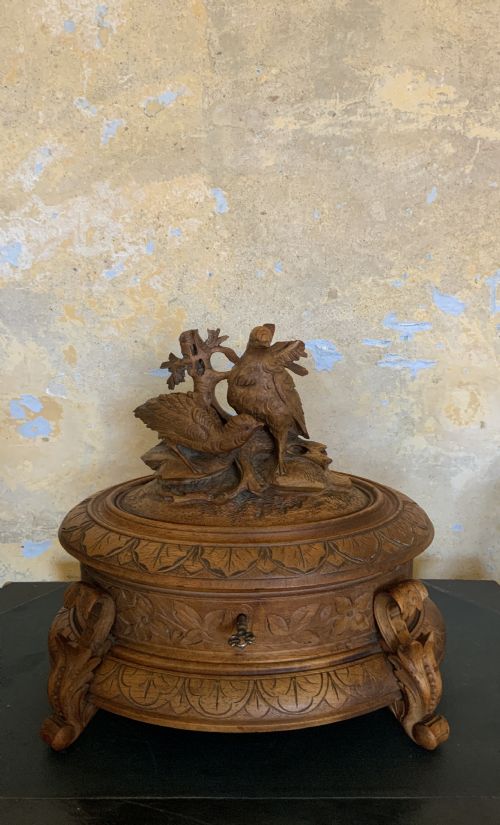


Brown Carved Bird Carving
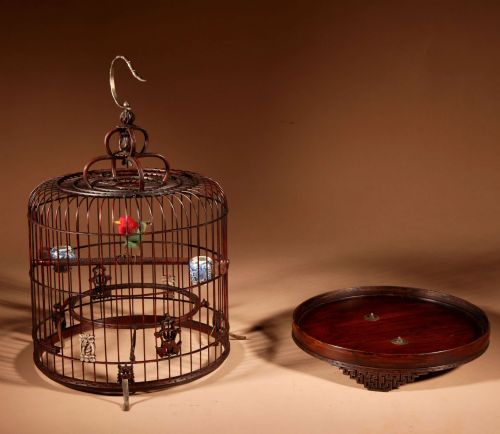
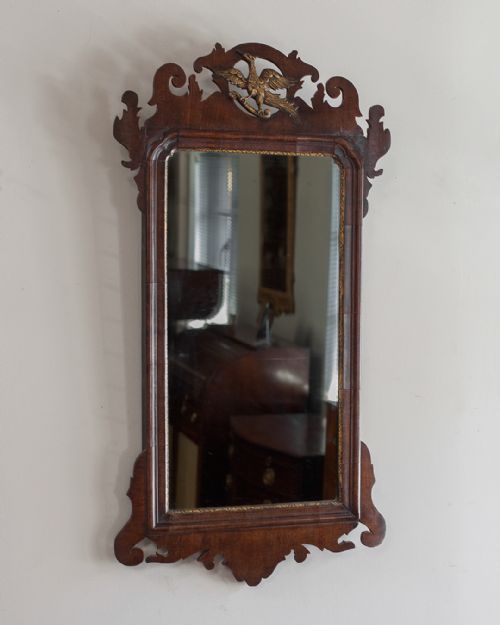
Brown carved bird carving brings together wooden wildlife figures and decorative items from the nineteenth century and the Edwardian period.
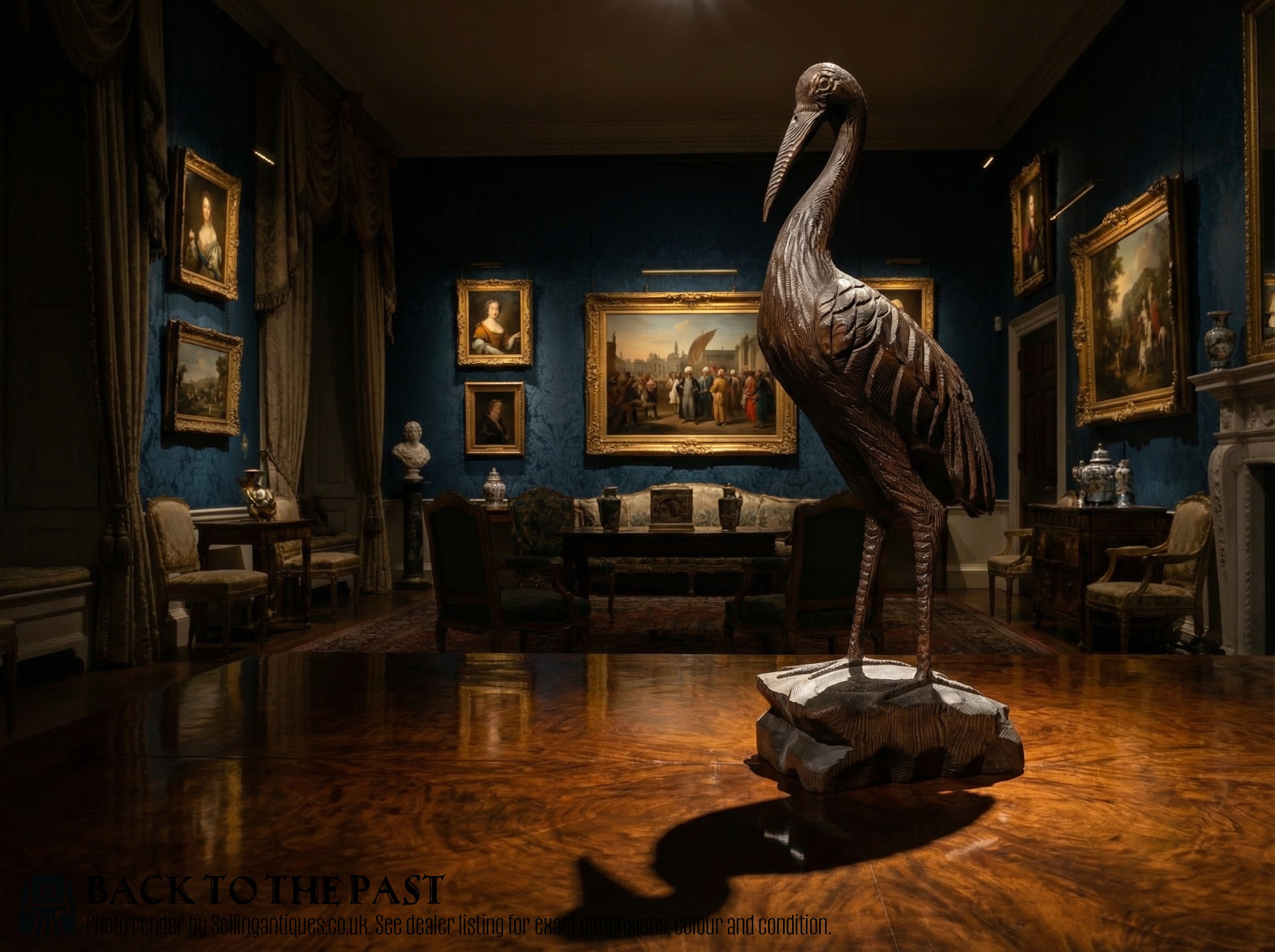
Brown Carved Bird Carving
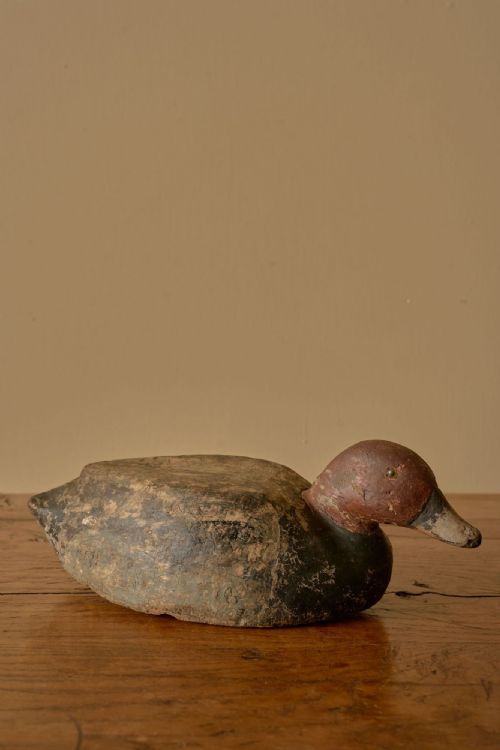
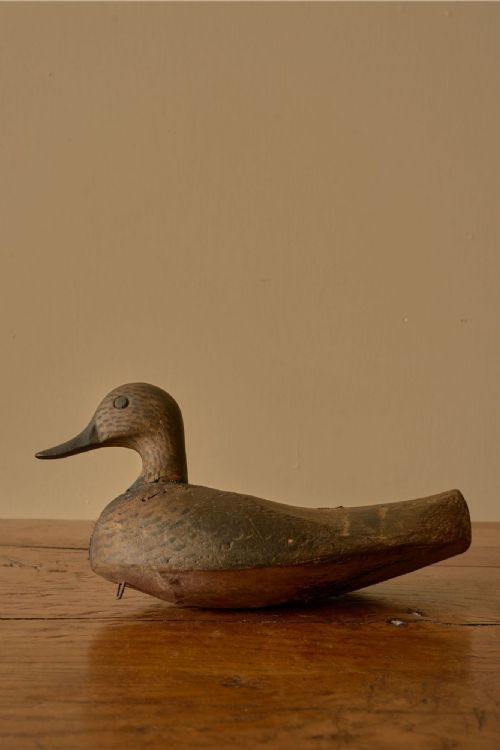
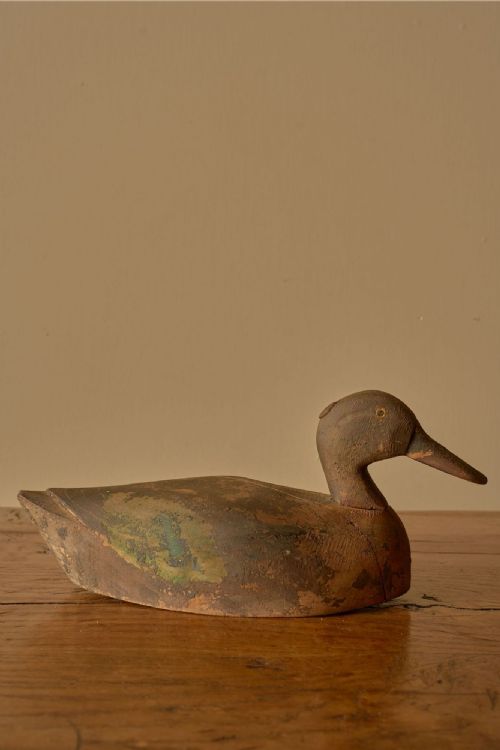
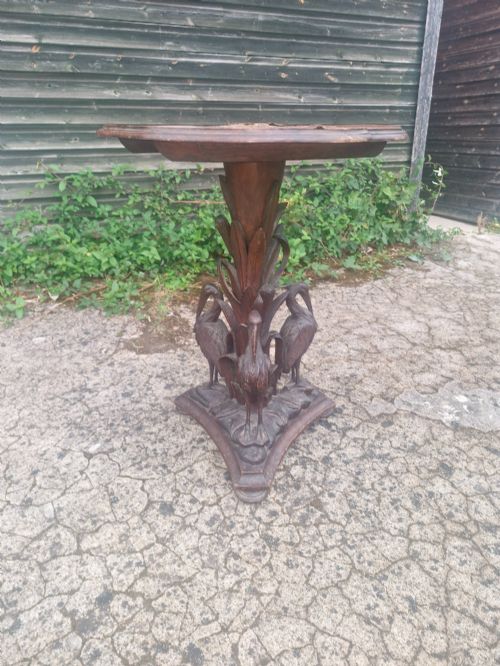
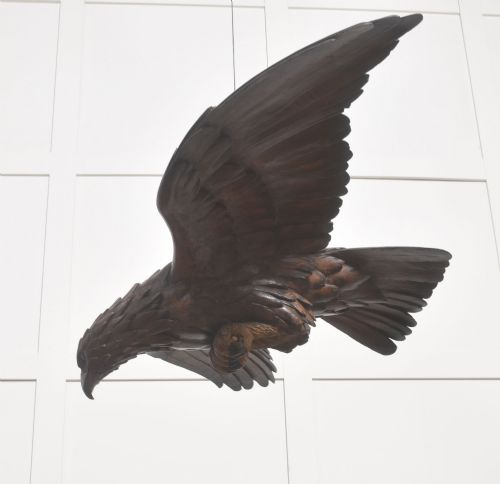
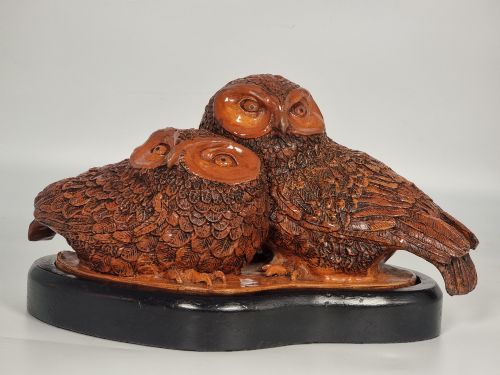
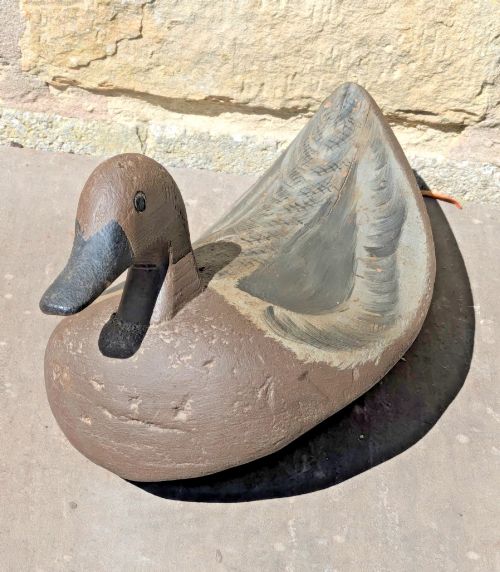
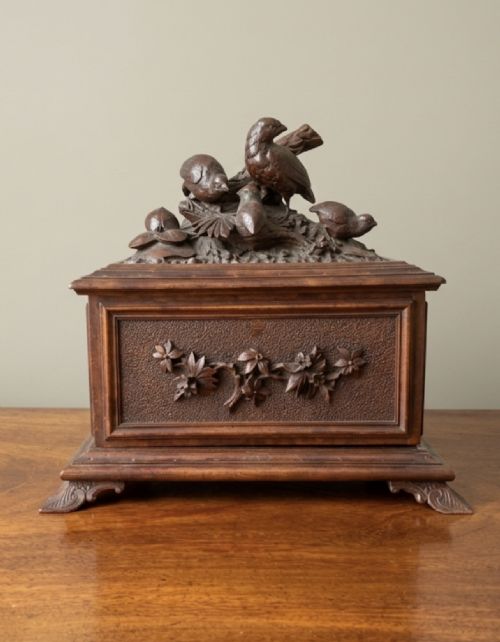
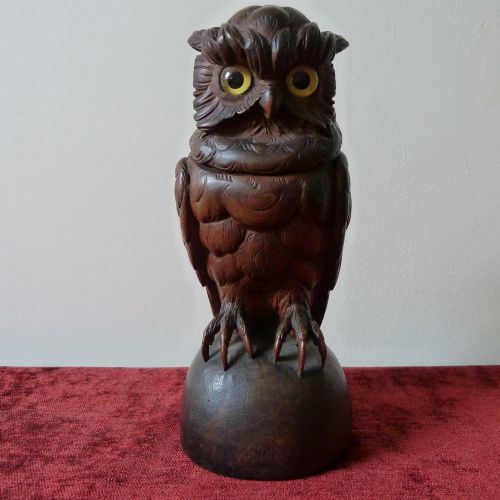
A brown carved bird carving typically takes the form of wooden decoys, eagles, hawks, owls, and wall mirrors created during the nineteenth century and the Edwardian period. These pieces emerge from styles such as Black Forest, folk art, and the Meiji period, reflecting diverse regional woodcarving traditions.
Materials and methods
Carvers shaped these objects using dense timbers like walnut, hardwood, and yew, often finishing the surfaces with hand paint or natural polishes to emphasise the grain and form. Black Forest pieces utilise deep relief carving techniques to render feathers, talons, and natural textures in wood.
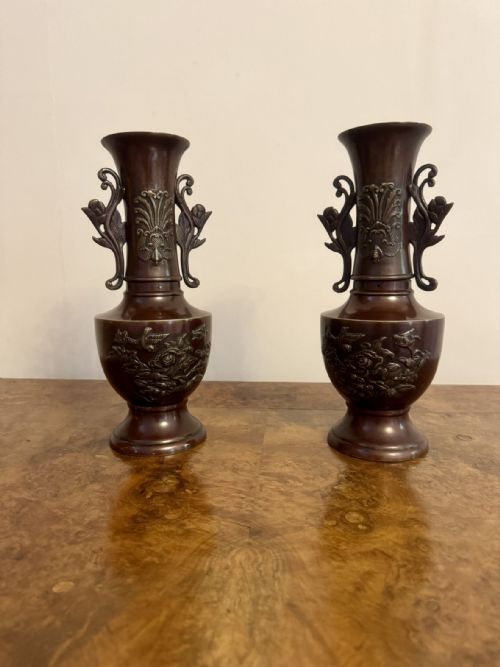
Bronze casting appears in pieces originating from the Meiji period, where makers worked molten metal into detailed eagles and vases mounted on root wood bases. Artisans also combined carved wooden elements with glass mirrors, metal hinges, and ceramic components.
Listings feature items spanning the eighteenth century through the Edwardian period, executed in carved wood, bronze, and glass.
Assessing quality
Depth and precision in the hand carving distinguish finer examples, particularly in the rendering of plumage and anatomical details on Black Forest birds of prey and wooden decoys. Sharp tool marks and balanced proportions show the skill of the original carver.
The integrity of the timber and the preservation of original paint surfaces or surface finishes determine the condition standing of each piece. Integrated items such as inkwells and caskets retain greater interest when their internal fittings remain intact.
The Brown Carved Bird Carving Glossary
- Black Forest
- A style of woodcarving originating in Switzerland and Germany during the nineteenth century, known for realistic depictions of animals and foliage carved from walnut and lime wood.
- Decoy
- A carved and painted wooden bird utilised by hunters to attract waterfowl, appreciated today for its folk art aesthetic and original surface patina.
- Meiji Period
- A period of Japanese history spanning from 1868 to 1912, characterised by sophisticated metalwork, bronze casting, and intricate wood carving.
- Treen
- Small handmade wooden household objects produced before the widespread use of plastics, encompassing boxes, snuff containers, and small decorative carvings.
- Humidor
- A specially designed box or caddy intended to keep cigars at a proper humidity, frequently decorated with carved wildlife motifs in nineteenth century pieces.
Brown Carved Bird Carving: Frequently Asked Questions
What are Black Forest bird carvings?
Black Forest bird carvings are nineteenth-century wooden sculptures and functional items like inkwells and mirrors produced in central Europe. They depict eagles, hawks, owls, and other birds with detailed feathered textures.
Carvers utilised local timbers such as walnut and hardwood to create these three-dimensional decorative objects. Many pieces incorporated practical elements like lidded compartments or glass mirror plates.
How were wooden decoy ducks used?
Wooden decoy ducks served as functional tools for hunters during the nineteenth and early twentieth centuries, placed on bodies of water to lure wild fowl. Artisans carved and hand painted these wooden birds to match the natural plumage of live ducks.
Over time, collectors shifted their focus toward these working decoys as examples of folk art. Their appeal lies in the weathered paint surfaces and the simplicity of the regional carving styles.
What is the Meiji period in Japanese metalwork?
The Meiji period spans from the late nineteenth into the early twentieth century, marking an era of extraordinary technical achievement in Japanese craftsmanship. Metalworkers produced accomplished bronze vases and bird sculptures during this time.
These bronze pieces often feature fine surface patination and are sometimes mounted on carved root wood bases. Artists signed certain high-status works, marking them with specific studio names.
How do I care for antique carved wood?
Antique carved wood requires stable indoor humidity and protection from direct sunlight to prevent the timber from drying out or splitting. Gentle dusting with a dry cloth keeps the surface clean without damaging delicate carved details.
Avoid using modern liquid polishes or silicone sprays on historic wooden carvings. Natural wax applied sparingly helps preserve the dry patina and finish of nineteenth-century surfaces.