


Decorative Wooden Bird Carving
These decorative wooden bird carving pieces bring natural form and rich texture into a room, offering the exact character a serious collector seeks.
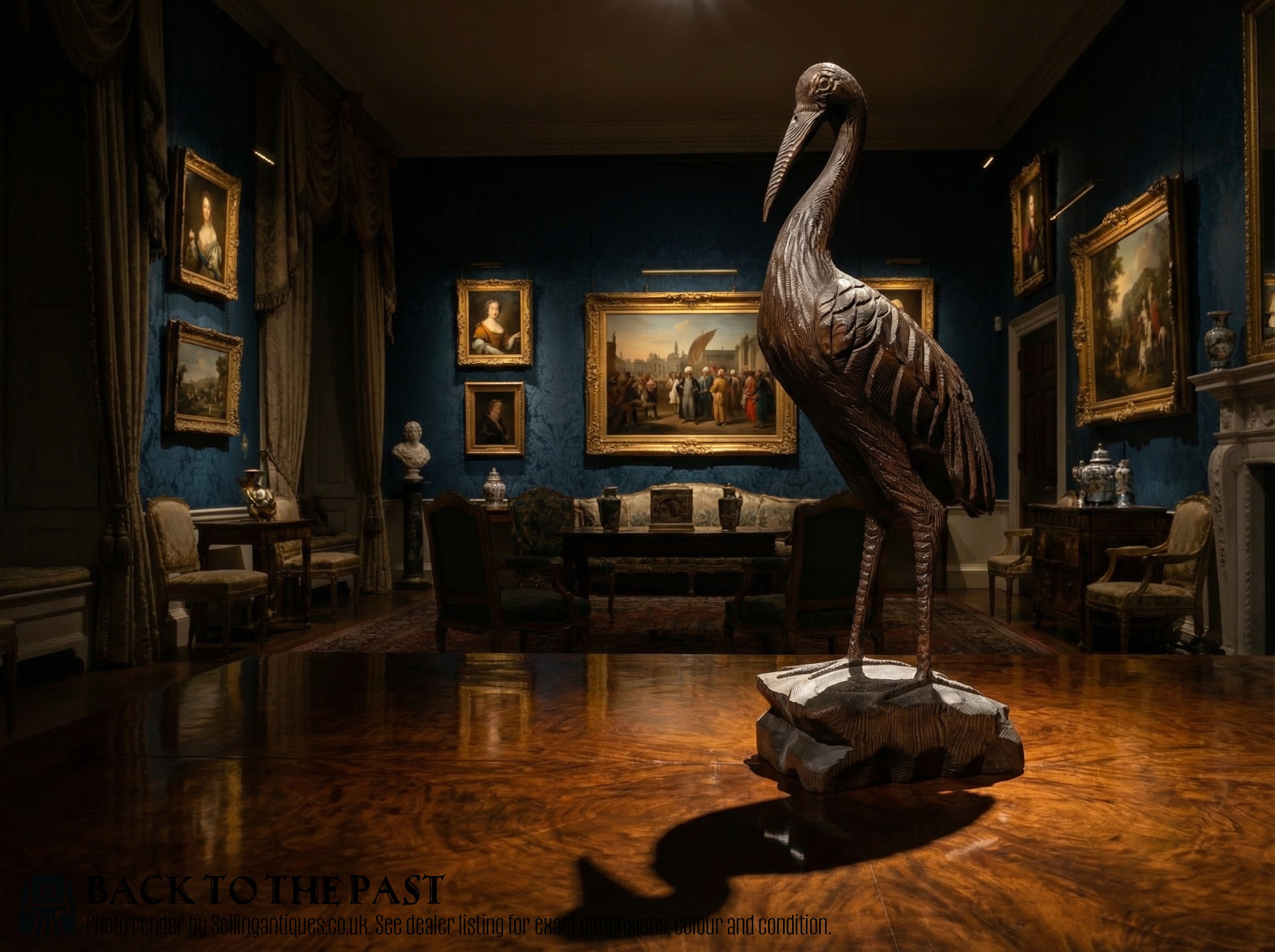
Decorative Wooden Bird Carving
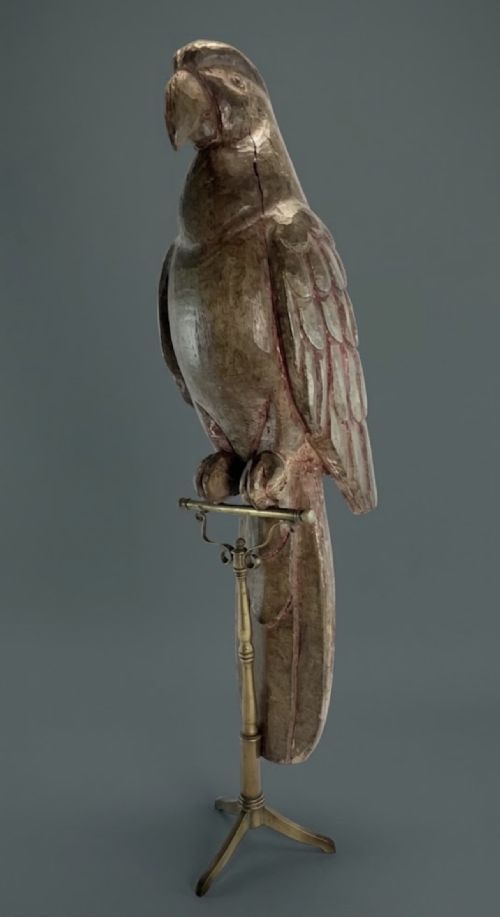
A decorative wooden bird carving encompasses various sculpted avian figures produced across the nineteenth and twentieth centuries, spanning distinct regional traditions from European folk art to Asian craftsmanship. When you explore decorative wooden bird carving on this page, you will encounter diverse forms including parrots on brass stands, decoy ducks, herons, and eagles.
The selections range from Black Forest jewellery boxes and French rustic water birds to English pieces executed in the chinoiserie style. These items serve primarily as ornamental sculptures and display objects, utilising natural subject matter to introduce dynamic silhouette and sculptural presence into domestic interiors.
Materials and construction methods
Makers utilised various timber species including pine, mahogany, and dense hardwoods, often combining carved wood with secondary elements such as brass stands, bone inlay, and bronze details. Tool marks and surface preparation reveal traditional hand-carving techniques, where artisans shaped the solid material to capture realistic plumage and anatomical movement.
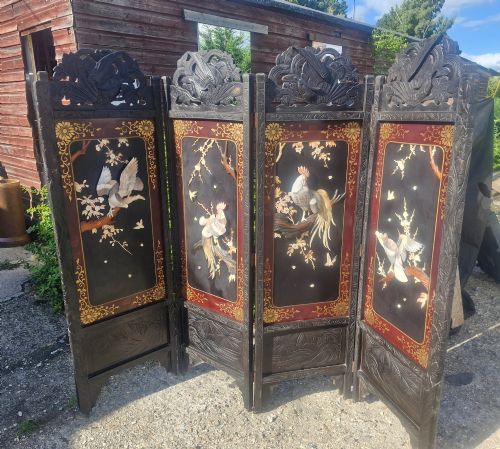
Surface decoration frequently involves penwork, gilding, and lacquer work to enhance the visual depth of the carved feathers and foliage. The integration of mixed media, such as porcelain and shell inlay found in related decorative panels, demonstrates the diverse artisan skills employed during these periods.
Listings feature items spanning the nineteenth and twentieth centuries, utilising wood, bronze, brass, and bone.
Distinguishing quality in carving
Quality rests upon the naturalism of the carving and the precision with which the artisan renders the bird's anatomy and feather texture. Superior examples display confident, deep cutting that creates genuine three-dimensional form rather than flat, stiff surface decoration.
The integrity of the timber and the preservation of original surface finishes, whether unpainted hardwood, giltwood, or penwork, dictate the desirability of the piece. Consideration also extends to integrated mounts and stands, where the quality of subsidiary materials like brass or bronze matches the primary carving.
The Decorative Wooden Bird Carving Glossary
- Folk Art
- Objects created by self-taught or traditional craftsmen, often serving utilitarian or decorative roles within rural communities. These pieces prioritize expressive character over formal academic training.
- Black Forest
- A style of wood carving originating from the mountainous region of Germany and Switzerland during the nineteenth century. It is known for highly realistic representations of animals and foliage.
- Chinoiserie
- European artistic style reflecting Chinese artistic influences, popular during the eighteenth and nineteenth centuries. It incorporates asymmetrical motifs and exotic bird and plant imagery.
- Decoy Duck
- A carved or moulded water bird historically utilised by hunters to attract real waterfowl. In an antique context, these working objects are valued for their rustic sculptural qualities.
Decorative Wooden Bird Carving: Frequently Asked Questions
What materials are used?
The pieces utilise various woods such as pine, mahogany, and hardwood, frequently paired with materials like brass, bronze, and bone.
Surface decoration often incorporates lacquer, giltwood, and fine penwork to accentuate the carved details.
How were they displayed?
Many items function as freestanding sculptures designed for placement on desks, shelves, or tables, sometimes supported on brass stands.
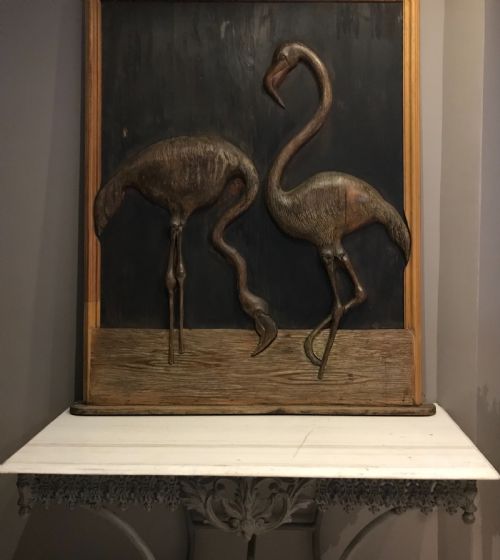
Other examples take the form of wall brackets, decorative boxes, or architectural panels integrated into interior schemes.
How do I identify periods?
Dating relies on stylistic markers, tool marks, and regional traditions associated with specific decades spanning the nineteenth and twentieth centuries.
Details such as the integration of Meiji, Ming, or folk art styles help contextualise the origin and date of manufacture.
Are these working decoys?
Certain items, such as French decoy ducks, originated as functional objects utilised for hunting waterfowl in rural settings.
Over time, their primary role shifted to decorative display due to their striking rustic forms.