



English Country Folk Art
English country folk art represents the unpretentious hand-made objects and naive paintings that collectors prize for their direct charm and regional character.
English Country Folk Art
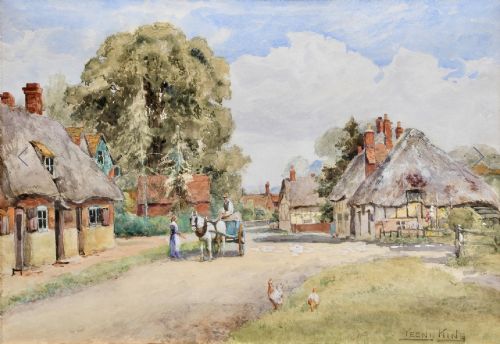
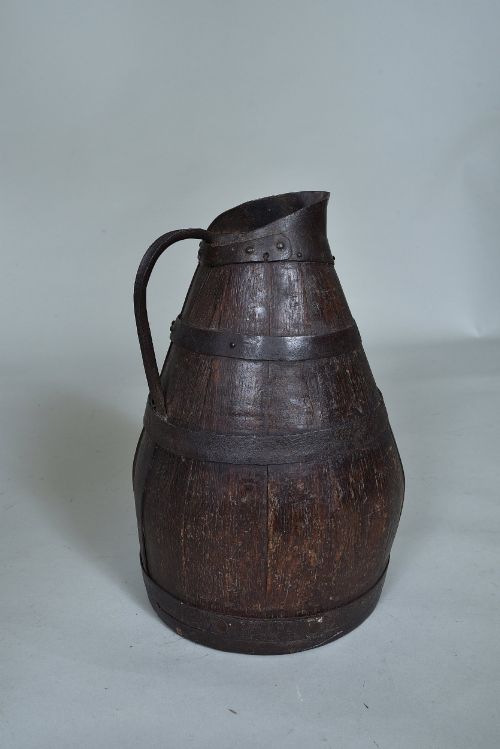
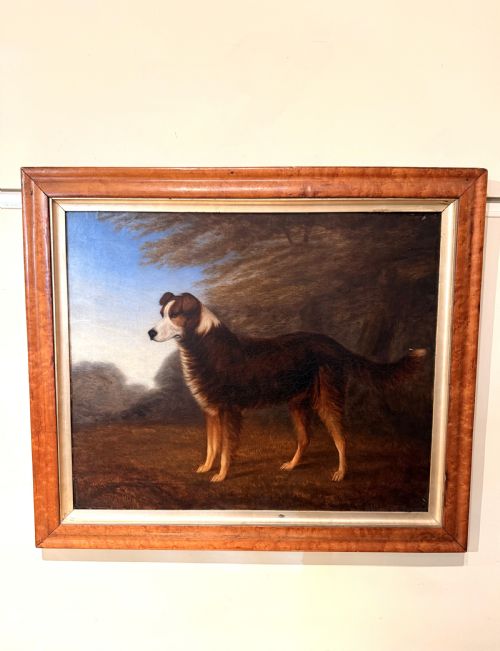
English country folk art encompasses a varied selection of domestic items, garden furniture, animal figures, and naive paintings produced across rural districts. When exploring this grouping, expect to encounter everything from utilitarian earthenware money boxes and dairy maid's shoulder yokes to oil paintings of animals and rural street scenes.
The objects span multiple centuries, with nineteenth-century pieces appearing frequently alongside eighteenth-century works and Edwardian examples. Forms range from practical items like linen cupboards and garden benches to decorative weathervanes and scale models made by local hands.
How they were made
Makers utilised readily available local materials, shaping timber and terracotta into functional forms for everyday rural life. Woodworking and pottery traditions dominated production, resulting in sturdy chairs, benches, and slipware vessels built to last.
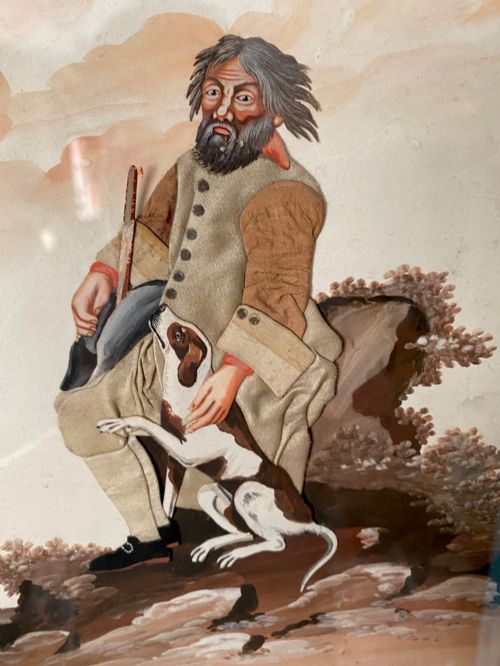
Surfaces often retain their original paint or oil finishes, applied by amateur or provincial artists working outside academic traditions. Canvases and wooden panels received oil paint, capturing portraits of animals, gentlemen, and coastal workers with straightforward perspective.
English Country Folk Art Retail Price Guide 2026
Typical asking prices for english country folk art among the pieces listed under this phrase on Sellingantiques today, from the lower quarter to the upper quarter. They describe what is for sale here now, not the wider market.
Listings feature oil on canvas paintings, earthenware pottery, and wooden objects spanning from the seventeenth century to the Edwardian period.
What varies in quality
Quality rests upon the strength of the visual design and the integrity of the surface finish. Pieces that retain their original unblemished paint or rich patination stand apart from those with later interventions.
The directness of the naive execution dictates the character of each piece. Works displaying confident proportions and spirited brushwork in paintings, or robust carpentry in furniture, command greater attention from collectors.
Thomas James Lloyd·William Shayer·Verwood Pottery
The English Country Folk Art Glossary
- Naïve
- Executed by an artist without formal academic training, often characterised by a charming disregard for conventional perspective and proportion. This style gives folk art its direct and honest visual appeal.
- Slipware
- Pottery decorated with a liquid clay mixture known as slip, trailed or brushed onto the body before firing. It frequently appears on tavern jugs and utilitarian vessels.
- Weathervane
- A mechanical device mounted on a roof to show wind direction, often fashioned into decorative animal or human silhouettes from metal or wood. These serve as sculptural outdoor folk art.
- Verwood Pottery
- Earthenware produced in Dorset known for its traditional country forms and glazes. Such regional potteries supplied everyday domestic money boxes and vessels.
- Patina
- The surface sheen and coloration developed through years of handling, use, and exposure to light. A good patina indicates genuine age and careful preservation.
English Country Folk Art: Frequently Asked Questions
What defines English country folk art?
English country folk art comprises utilitarian objects, decorative items, and naive paintings created by self-taught or provincial makers for everyday rural life.
These pieces reflect local traditions, materials, and regional aesthetics rather than academic or metropolitan tastes.
How do I date folk art pieces?
Dating relies on construction methods, material analysis, historical costume in paintings, and the specific wear patterns developed over generations.
Stylistic clues and recorded origins help place items within periods ranging from the seventeenth century through to the Edwardian era.
Where were these items used?
These objects originated in rural communities, operating within farms, country estates, local taverns, and coastal villages across England.
Garden benches, dairy equipment, and weather vanes served practical outdoor functions, while paintings and models decorated domestic interiors.
Are painted surfaces original?
Many items retain their old or original paint layers, which contribute significantly to their character and collector appeal.
Examining the pigment adhesion and underlying wear helps distinguish authentic early paint surfaces from later overpainting.