

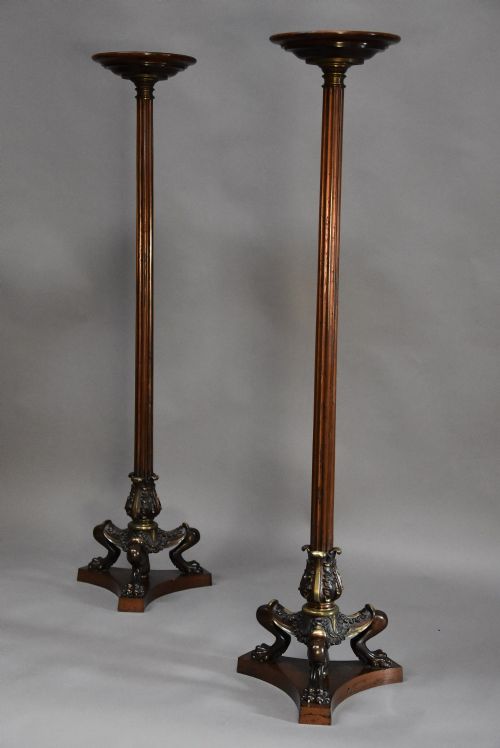
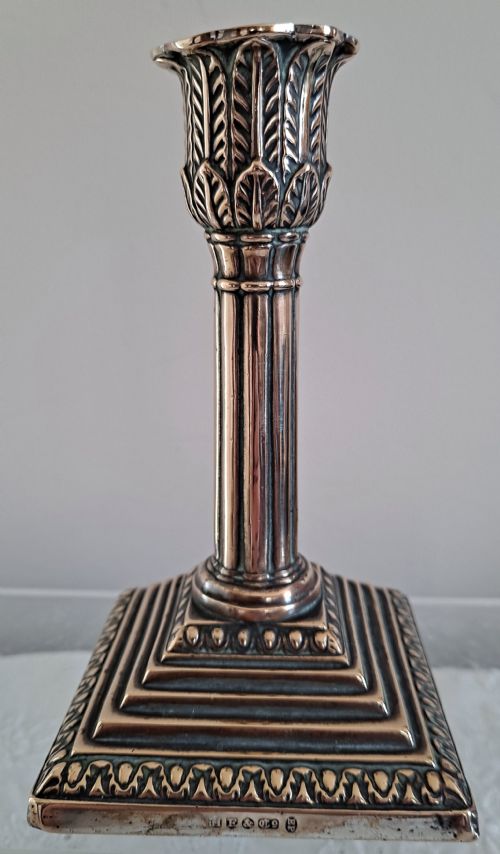
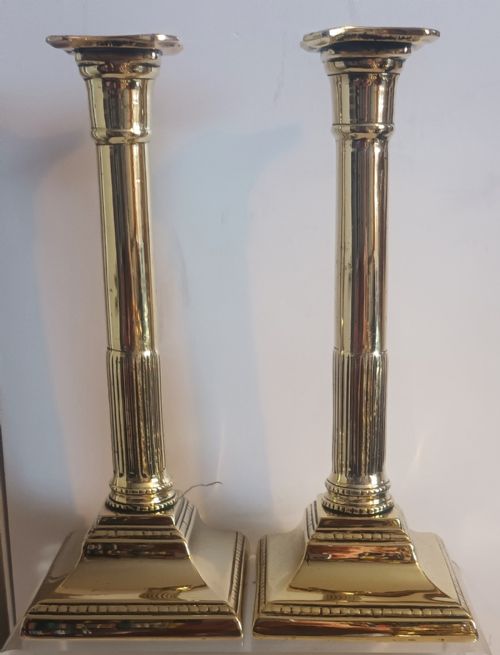
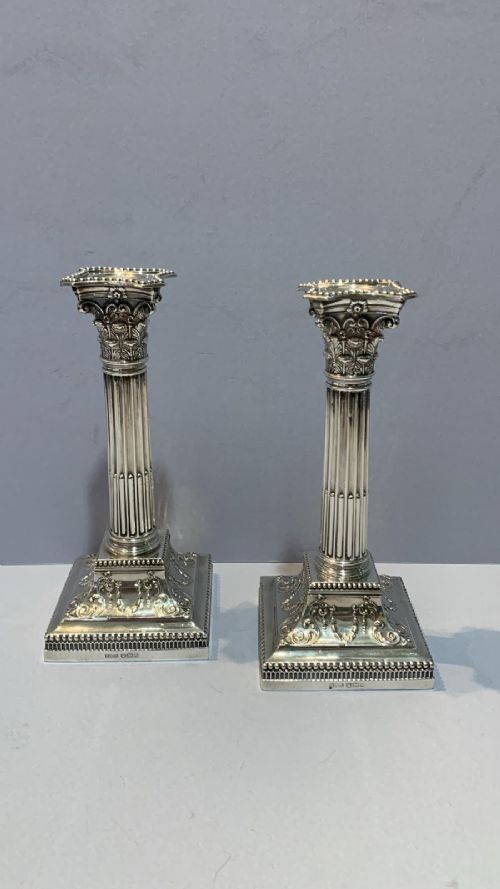
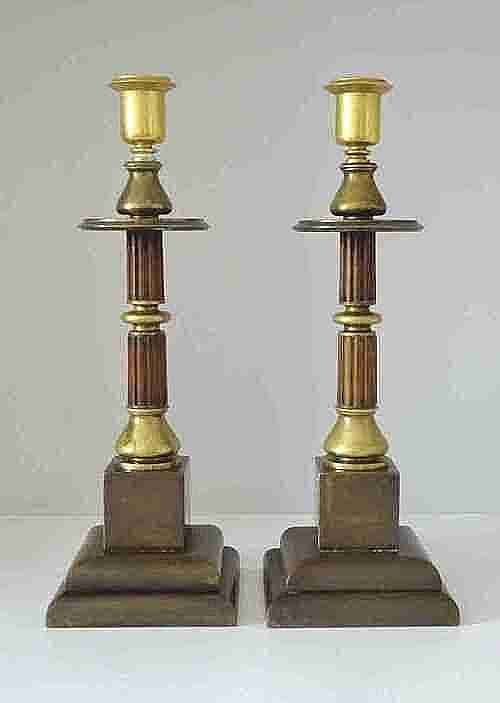


Fluted Column Candle Stand
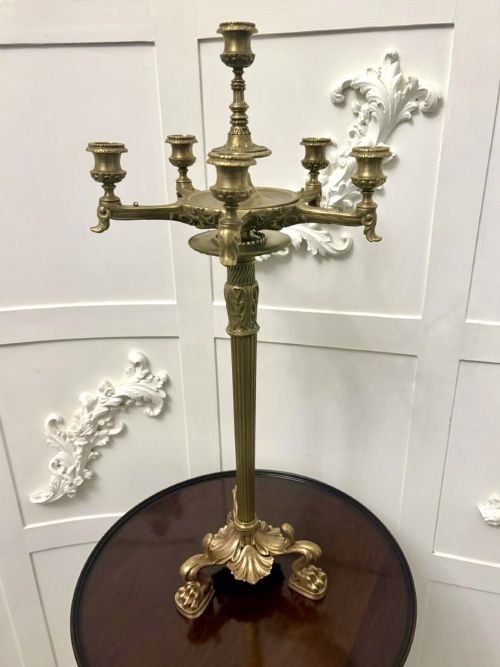
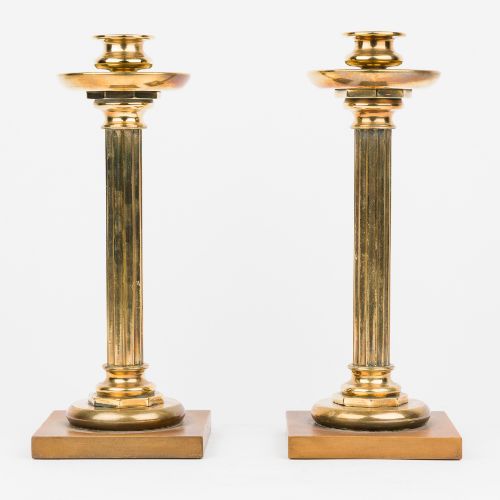
These fluted column candle stand pieces bring architectural elegance and practical height to a room, holding a light or displaying an object.
Fluted Column Candle Stand
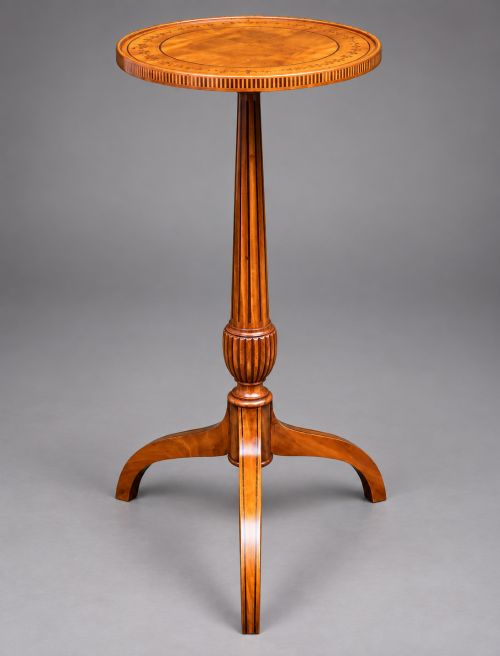
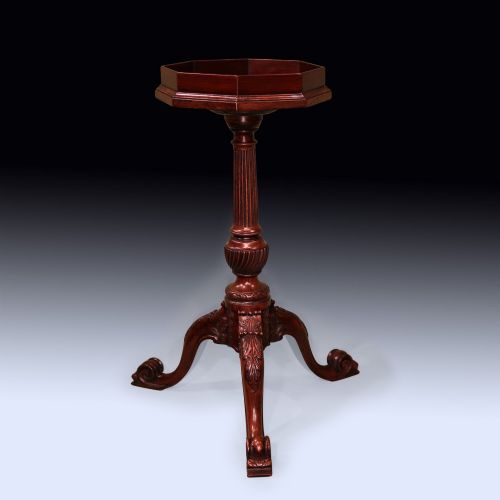
A fluted column candle stand takes many forms across the inventory, appearing as tall torcheres, occasional wine tables, and classic candlesticks designed to elevate light or objects.
The pieces span several centuries, with examples originating in the eighteenth century, the Victorian era, and the Edwardian period, often reflecting Neoclassical, Georgian, and Regency styles.
Makers shaped these stands from woods like mahogany and satinwood, as well as metals including brass, bronze, and silver plate, creating versatile supports for domestic interiors.
Materials and construction methods
Woodwork relied heavily on dense timbers like mahogany and satinwood, shaped into slender columns with hand-carved or inlaid details.
Metal examples combined brass, bronze, and silver plate, often cast in sections and threaded together to form rigid classical columns.
One towering Georgian mahogany torchere arrived with a 'Country House' provenance, ready to hold a light long after the candles went out.
Distinguishing levels of quality
Quality rests upon the crispness of the column fluting and the integrity of the joints, where tighter joins and sharper carving distinguish finer workshops.
Material selection dictates much of the standing power, as dense mahogany gains stability from heavy bases while cast metals rely on balanced weight distribution.
George Smith·Thomas Hope·Humphrey Hopper
The Fluted Column Candle Stand Glossary
- Torchere
- A tall stand designed specifically to support a lamp, candle, or decorative object. These slender pieces often feature elevated columns and decorative bases.
- Fluting
- Vertical parallel grooves carved into the shaft of a column or candlestick. This classical detail adds texture and visual height.
- Satinwood
- A durable hardwood with a natural golden sheen utilised for fine cabinetmaking and decorative inlay. It creates a bright, reflective surface on tables and stands.
- Old Sheffield Plate
- An early method of fusing a thin layer of silver onto a copper base before rolling. This technique produces distinct metallic patination found on older candlesticks.
Fluted Column Candle Stand: Frequently Asked Questions
Where should I place a torchere?
These tall stands suit corners of reception rooms or empty wall spaces where height breaks up flat expanses. They provide an ideal perch for a small lamp or a decorative bronze.
Ensure the location avoids heavy foot traffic to protect the slender columns and elevated bases from accidental knocks.
How do I care for mahogany stands?
Dust the timber regularly with a soft, dry cloth to prevent grit accumulation in the carved flutes. Avoid modern silicone polishes that build up a cloudy residue over time.
Keep the wood away from direct heat sources and strong sunlight to prevent the finish from drying out or fading.
What is the difference between a torchere and a wine table?
Torcheres typically feature taller, slender shafts designed primarily for display rather than close interaction. Wine tables stand lower, offering a surface meant for holding cups or small items near seating.
Both forms utilise column supports, but their proportions reflect distinct functional origins in period rooms.
How do I identify a Neoclassical style stand?
Neoclassical pieces draw inspiration from classical Greek and Roman architecture, displaying strict symmetry and orderly proportions. Look for straight shafts featuring regular fluting and restrained decorative motifs.
Brass columns and mahogany stands from the Georgian and Regency periods frequently exhibit these architectural characteristics.