
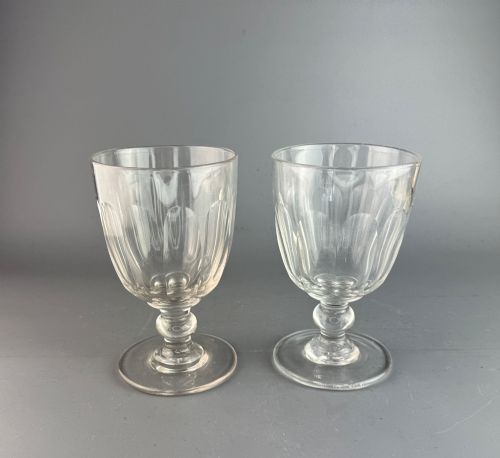


Flute Cut Glass
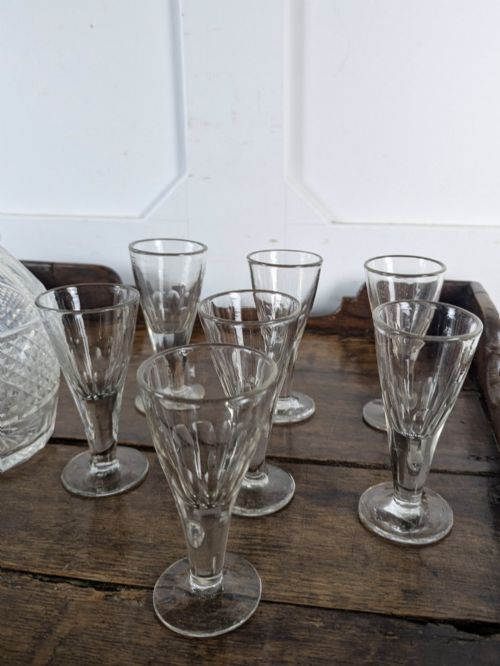
When you search for flute cut glass, you uncover a lineage of heavy lead crystal and clear glass drinking vessels shaped by wheel cutting.
Flute Cut Glass
When you search for flute cut glass, you encounter objects spanning the Georgian, Victorian, Edwardian, and Art Deco periods, created in Britain and continental Europe.
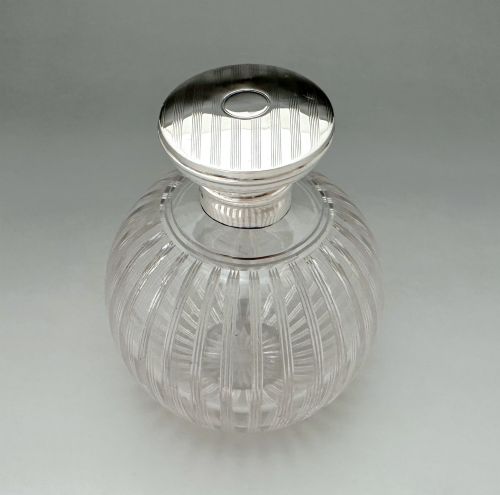
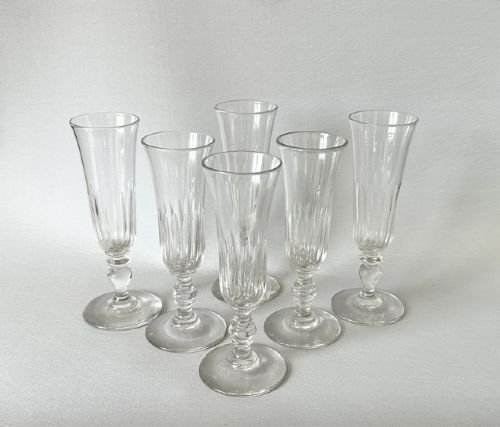
The most common forms on this page are champagne flutes, rummers, and decanters, alongside table lamps, scent bottles, and vases.
Makers shaped these items from lead glass and crystal, sometimes mounting them in brass, sterling silver, or silver plate.
How they were made
Artisans formed these pieces from lead crystal and clear glass, utilising wheel-cutting techniques to carve vertical flutes, facets, and thumb-cuts into the surface.
Many items incorporate mounts and collars of sterling silver, silver plate, or brass, combining glassblowing with metalworking.
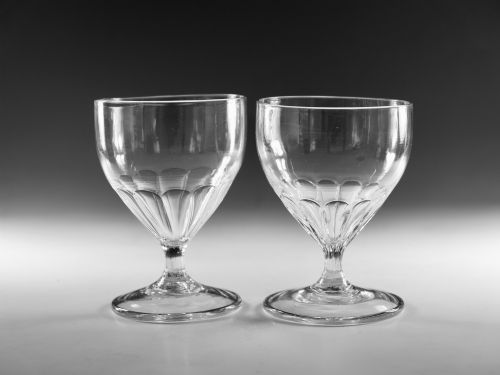
Georgian drinkers required heavy rummers because toasts were frequent and toasts involved banging the glass on the table.
What varies in quality
The distinction between standard examples and the finest pieces lies in the crispness of the wheel-cut flutes and the clarity of the lead glass.
Weight and balance indicate the skill of the blower, while silver mounts bearing clear hallmarks elevate the standing of a decanter or scent bottle.
Hukin & Heath·Moser Crystal·Wiener Werkstätte·Otto Prutscher·Stevens & Williams·Sampson Mordan & Co·St. Louis Crystal
The Flute Cut Glass Glossary
- Flute cut
- A pattern of parallel, concave vertical grooves ground into the surface of glassware. This technique creates a series of optical panels that catch the light.
- Rummer
- A heavy, short-stemmed drinking glass popular in the eighteenth and nineteenth centuries. These vessels often feature cut glass bowls used for ale, wine, or spirits.
- Air tear
- An elongated bubble trapped inside the stem of a glass during manufacture. Makers sometimes incorporated these intentionally in Georgian pieces.
- Thumb-cut
- Shallow, rounded depressions ground into the body of glassware to improve grip. The maker applied these cuts with a small wheel.
Flute Cut Glass: Frequently Asked Questions
How do I date a cut glass decanter?
Examine the base for a polished pontil mark, the neck rings, and the shape of the stopper, which often indicate Georgian or Victorian manufacture. Silver collars with hallmarks provide precise year and maker information.
Compare the depth of the cutting and the weight of the metal, as earlier Georgian pieces tend to show different proportions compared to Edwardian examples.
Were champagne flutes used only for wine?
While designated as champagne flutes in historical records, these tall vessels also served for sparkling wines, ales, and mixed drinks during grand dinners. Their narrow bowls preserved the effervescence of the beverage.
Victorian and Edwardian households utilised matching sets for formal entertaining, displaying them on sideboards and tables.
What is lead crystal?
Lead crystal is a type of glass containing lead oxide, which increases the weight, refractive index, and working time of the material. This composition allows artisans to cut deep, sharp facets.
Objects made from this material ring longer when struck and scatter light more brilliantly than standard soda-lime glass.