




Florentine Style Mirror
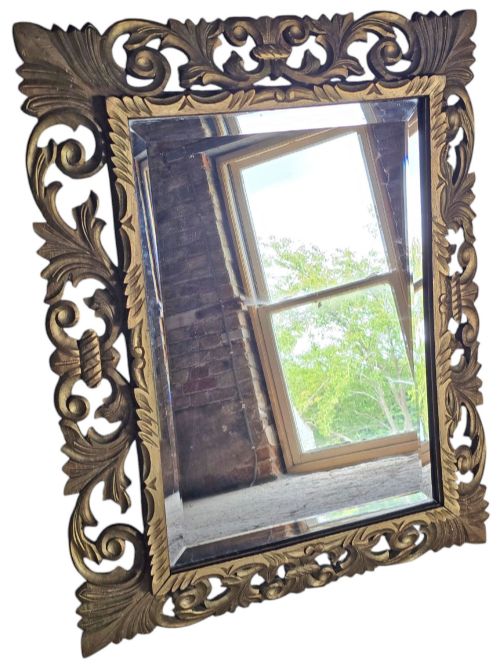
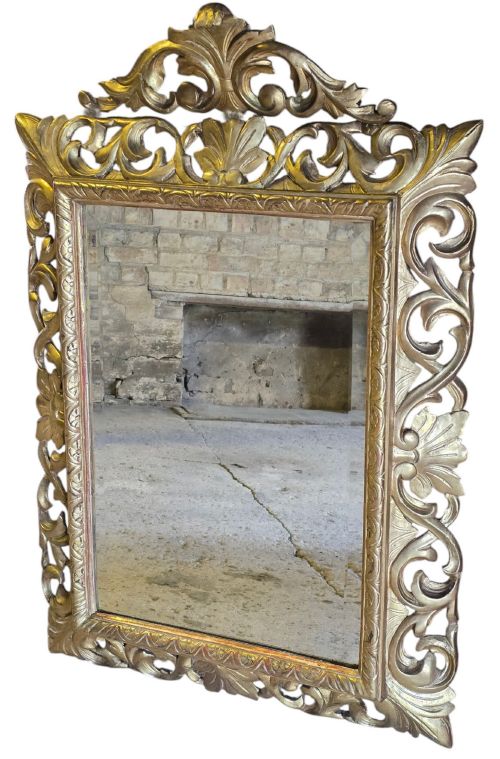
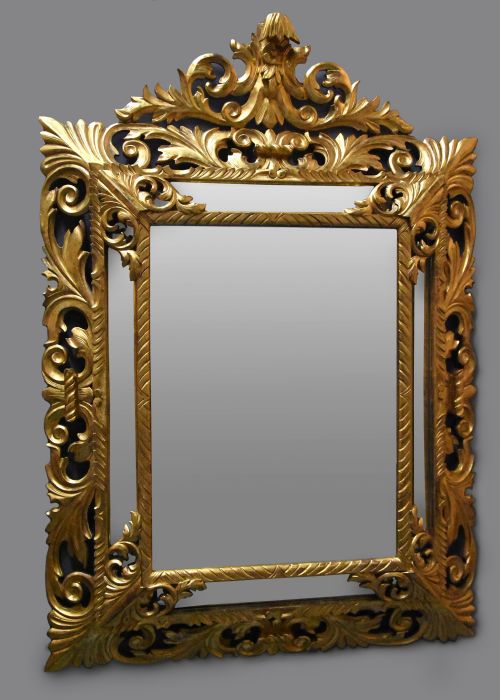
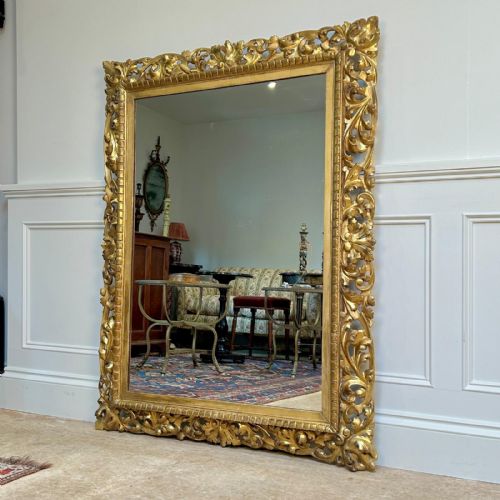
A florentine style mirror brings intense Italian architectural carved ornament and brilliant reflective glass into a room.
Florentine Style Mirror
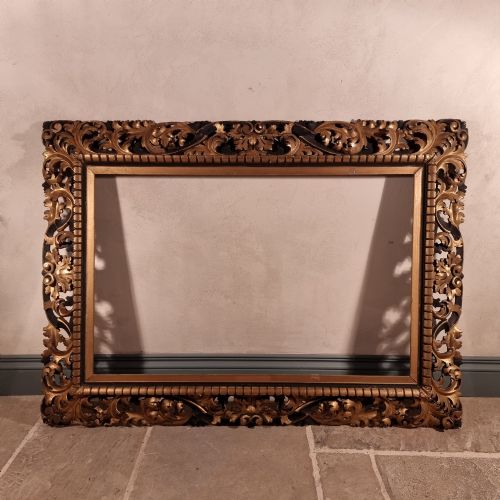
A florentine style mirror represents a distinct tradition of Italian decorative woodwork, appearing primarily as wall mirrors, overmantles, picture frames, and girandoles. Buyers searching this phrase encounter pieces dating from the eighteenth century through to the nineteen thirties, with nineteenth century items forming the core of the selection.
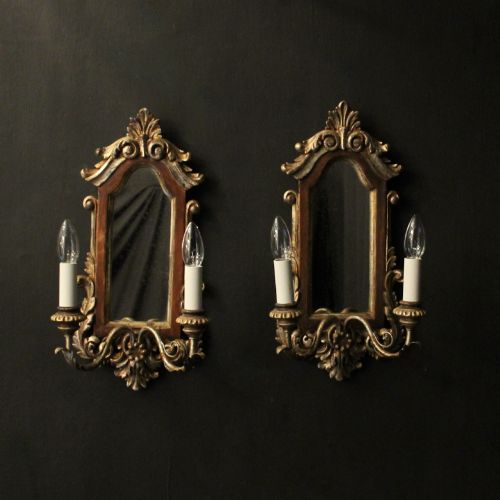
The physical forms range from small rectangular wall pieces and oval formats to large overmantle mirrors and matched pairs of twin arm girandoles. Stylistic variations span Florentine Rococo, Florentine Baroque, and Italian Renaissance Revival, drawing heavily on historical Italian workshop designs.
How they were made
These pieces rely fundamentally on wood, carved wood, and mirror glass as primary structural and reflective components. Artisans shaped these wooden foundations into elaborate scrollwork, leaf motifs, and architectural mouldings.
Surfaces were prepared using gesso before the application of gold leaf and gilding to create the characteristic metallic sheen. Hand painting also appears on specific decorative pier glass variants within the tradition.
Florentine Style Mirror Retail Price Guide 2026
Typical asking prices for florentine style mirror among the pieces listed under this phrase on Sellingantiques today, from the lower quarter to the upper quarter. They describe what is for sale here now, not the wider market.
What varies in quality
The distinction between standard examples and the finest pieces rests upon the depth and precision of the carved detail in the wood and gesso. Superior items exhibit crisp, deeply undercut foliage and ornamentation rather than soft or shallow moulding.
The richness and integrity of the original gilt surface also determine the calibre of a piece. Skilled application of gold leaf over carefully prepared gesso creates a luminous quality that distinguishes master workshop production from simpler decorative items.
The Florentine Style Mirror Glossary
- Giltwood
- Wood that has been coated with gold leaf or a gold-coloured finish. This material defines the bright, reflective appearance characteristic of these Italian mirrors.
- Gesso
- A plaster-like mixture applied to wood surfaces to create a smooth base for gilding. It allows artisans to model fine decorative reliefs before applying gold leaf.
- Girandole
- A branched wall mirror designed to hold candles. These fixtures combine reflective glass with functional light arms.
- Overmantle mirror
- A large mirror designed to hang specifically above a fireplace mantel. They often feature extended horizontal proportions to anchor the room's central hearth.
Florentine Style Mirror: Frequently Asked Questions
Where should I hang a florentine style mirror?
These mirrors work exceptionally well above a fireplace mantel as an overmantle piece or as a focal point on a principal living room wall. Their ornate frames draw the eye and reflect ambient light across the space.
Ensure the wall structure can support the substantial weight of carved wood and glass, particularly for larger nineteenth century examples.
How do I identify a nineteenth century piece?
Nineteenth century examples typically exhibit hand carved wooden frames finished with traditional gesso and gold leaf applications. Look closely at the joinery on the reverse and the weight of the timber frame.
Older mirror glass may also show subtle signs of age, such as light foxing or uneven reflection, distinguishing it from modern replacements.
What is the difference between baroque and rococo styles?
Baroque designs tend to be heavier, more symmetrical, and monumental, emphasising grand architectural presence. Rococo styles introduce asymmetrical scrollwork, C-scrolls, and more fluid, organic floral motifs.
Both aesthetic traditions originated in Italy and heavily influenced the Florentine mirror makers of the eighteenth and nineteenth centuries.
How do I care for giltwood frames?
Dust the carved wooden surface gently with a soft, dry brush to prevent dirt accumulation in the intricate recesses of the gesso. Avoid using liquid cleaners or polishing agents on the gilded areas.
Keep the mirror away from direct sources of extreme heat or dampness to protect the delicate wood and metal leaf layers.