
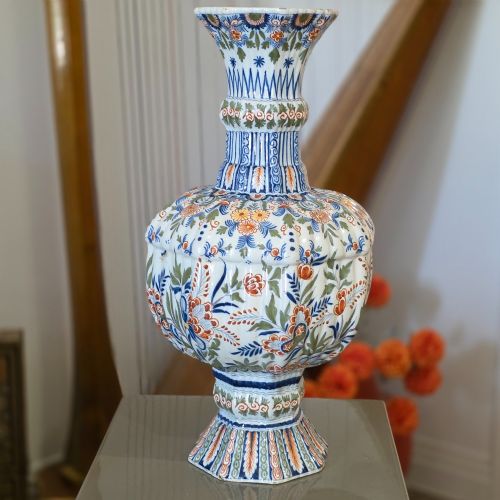
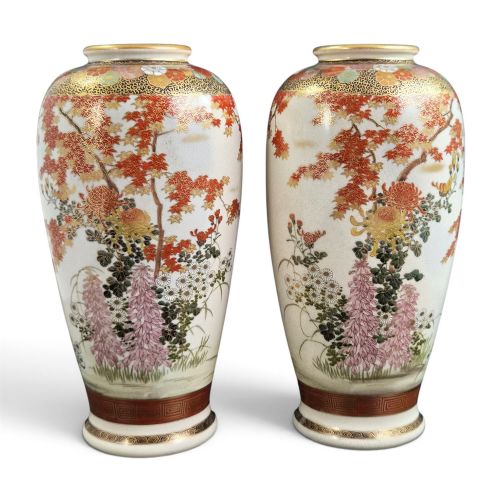
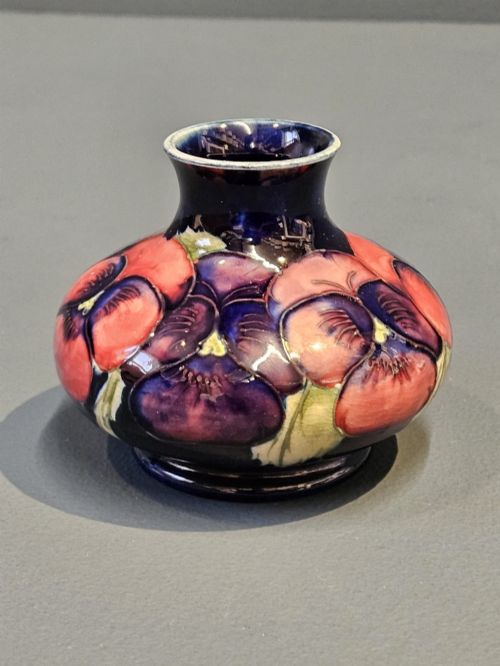
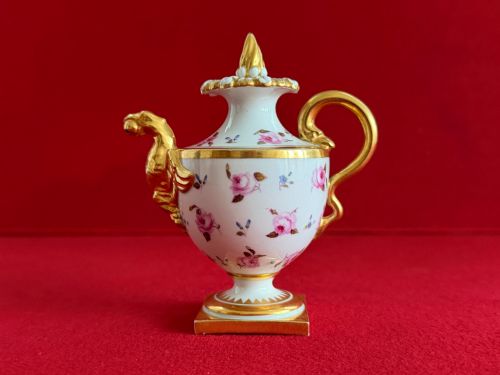
Floral Painted Ceramic Vase
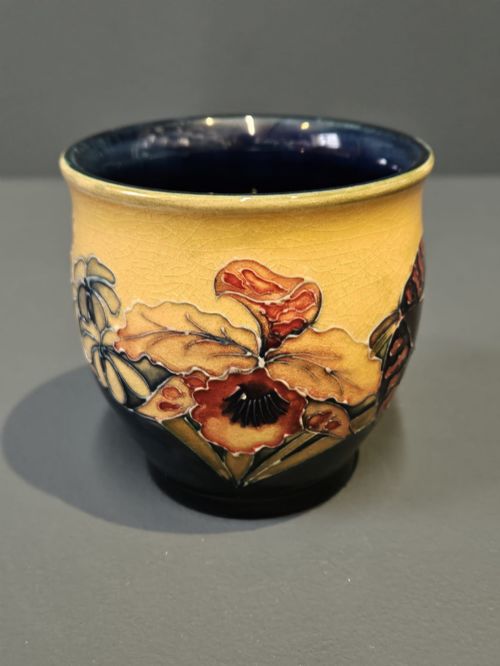
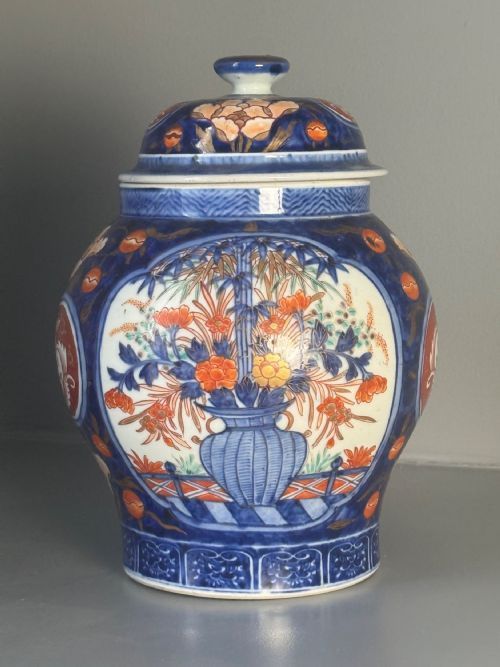
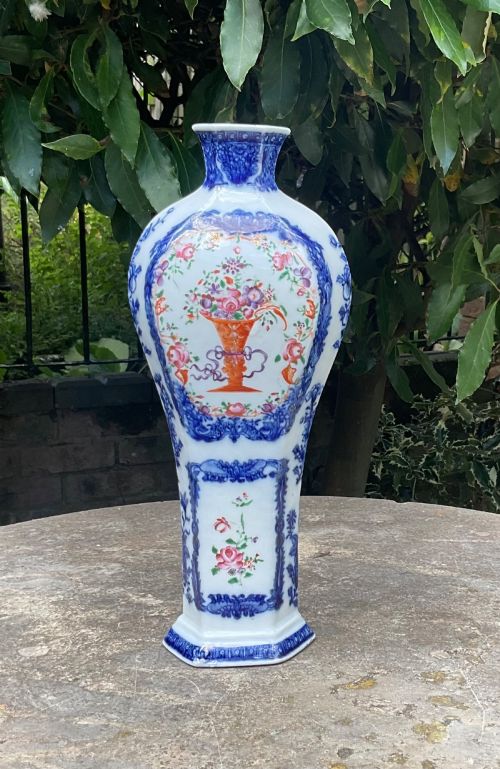
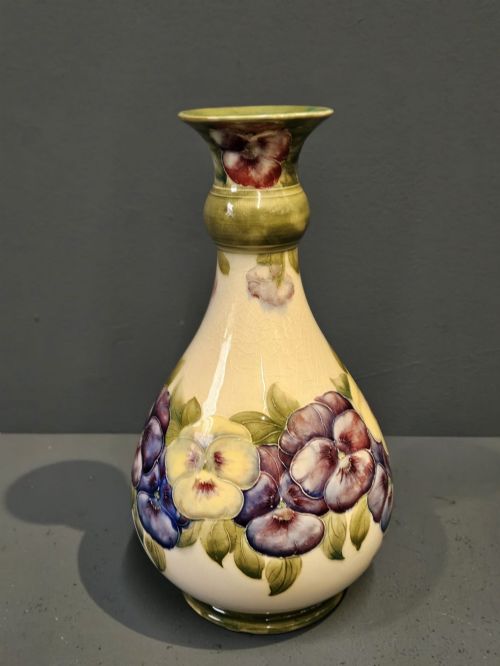
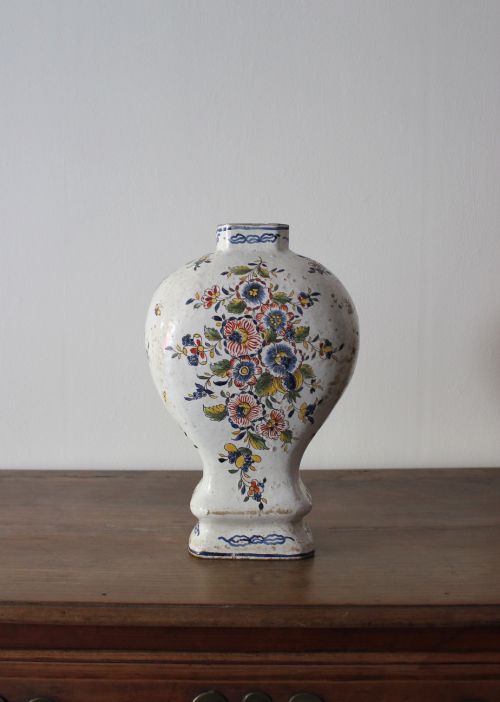
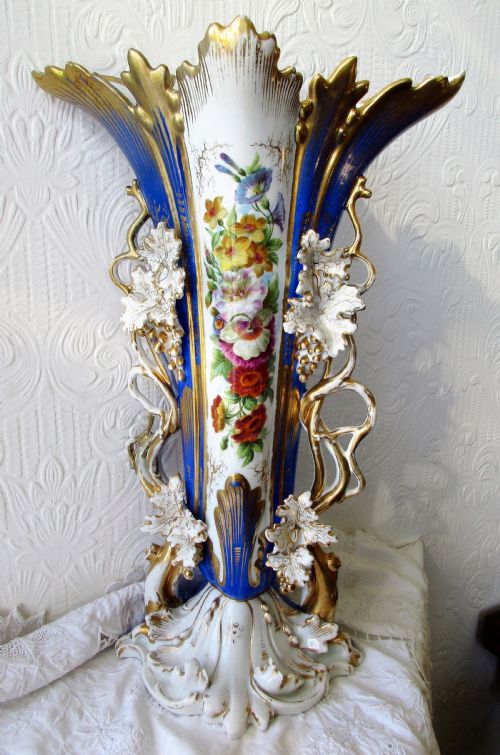
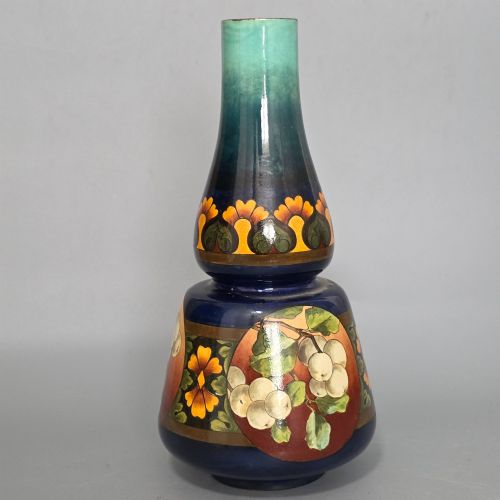
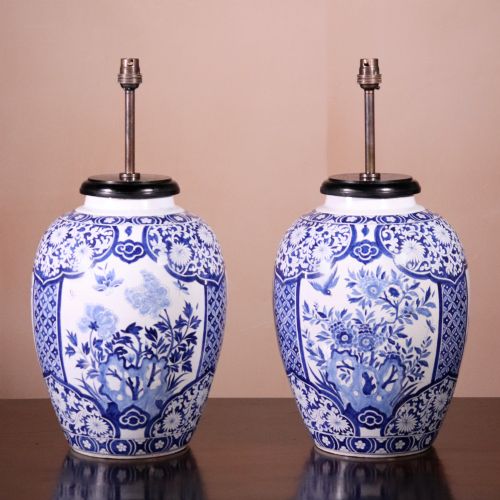
A floral painted ceramic vase brings hand-painted blooms into a room, spanning periods from the eighteenth century to the twentieth.
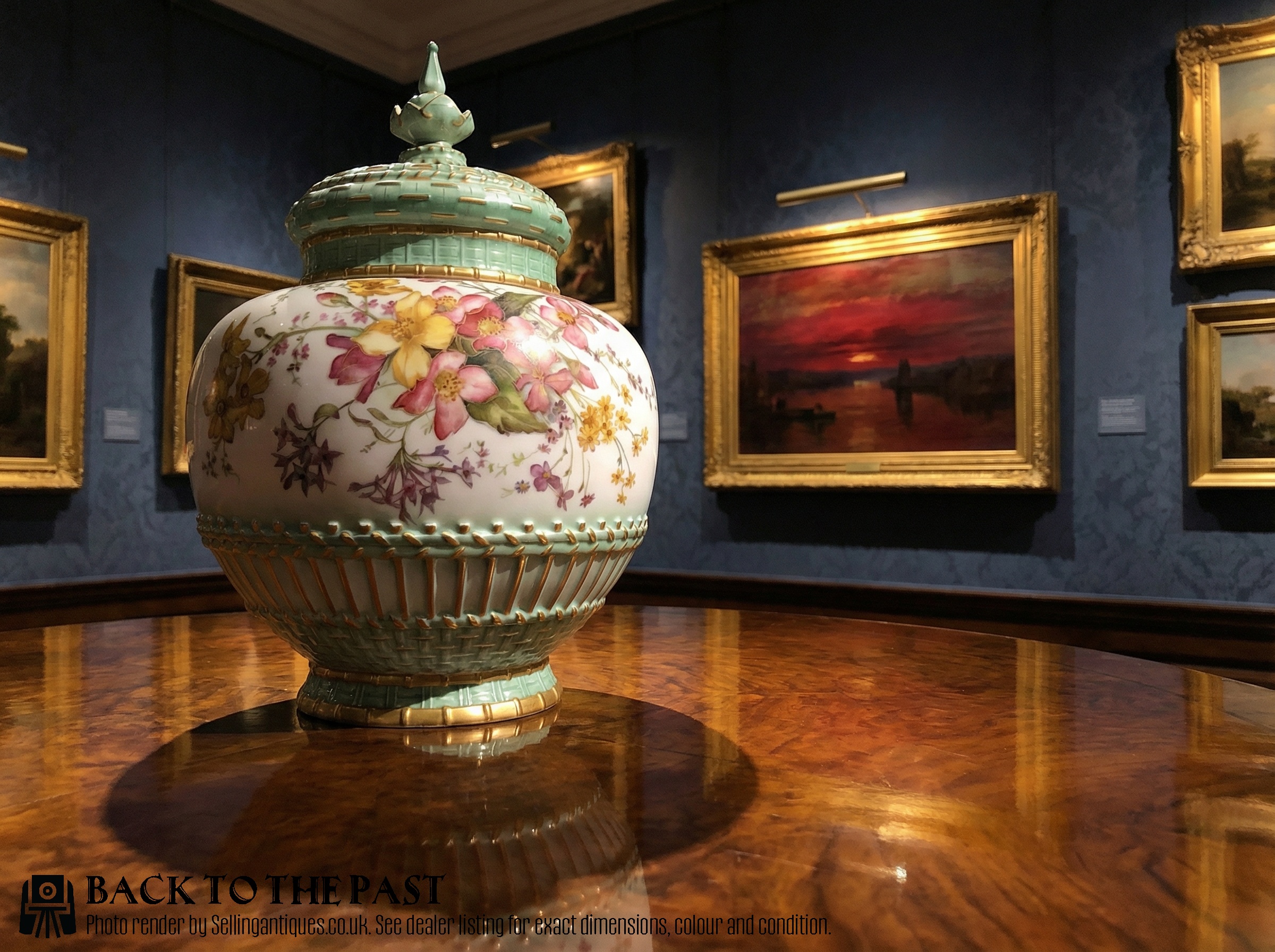
Floral Painted Ceramic Vase
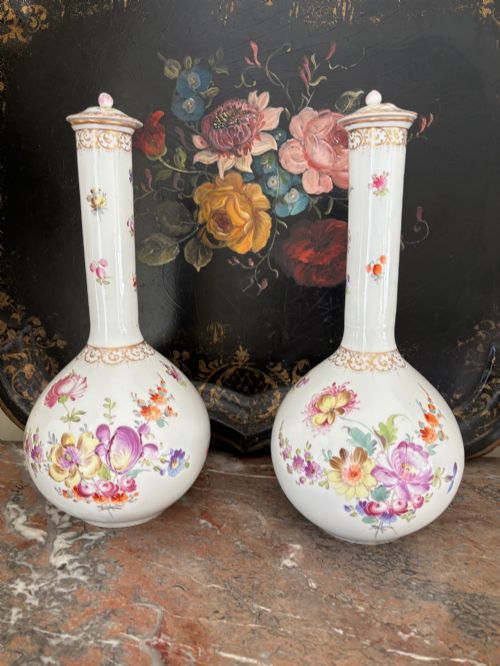
A floral painted ceramic vase is a vessel intended to hold flowers or stand alone as a decorative piece, taking forms from simple baluster shapes to lidded potpourri jars and campagna urns. When searching this phrase, a buyer encounters domestic and decorative ceramics spanning the eighteenth, nineteenth, and early twentieth centuries.
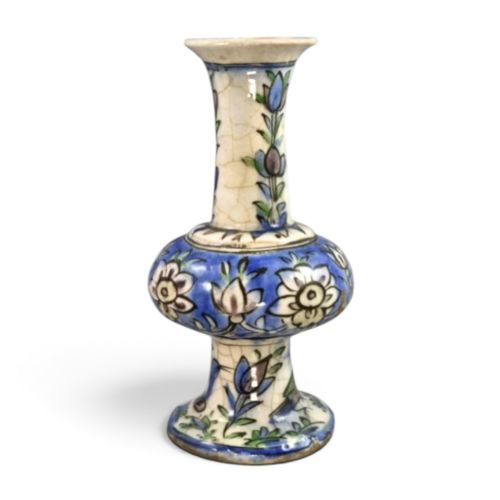
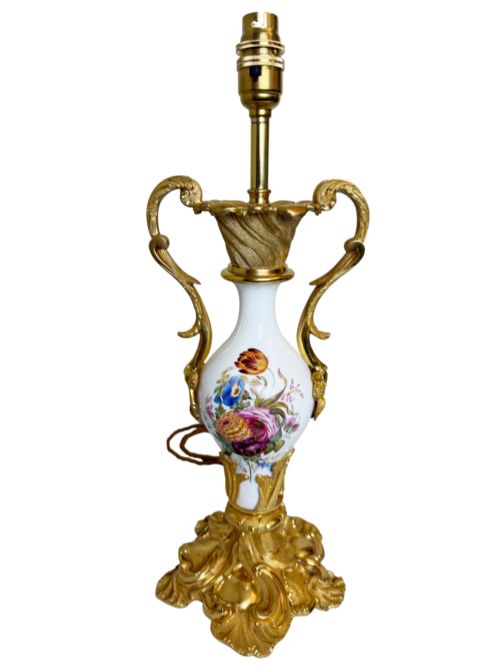
The selections on this page draw from diverse origins, including English porcelain factories, Japanese Satsuma and Imari kilns, continental European manufactories, and Persian workshops. Bulbous vessels, double gourd shapes, and table lamps adapted from earlier pots appear frequently across the periods.
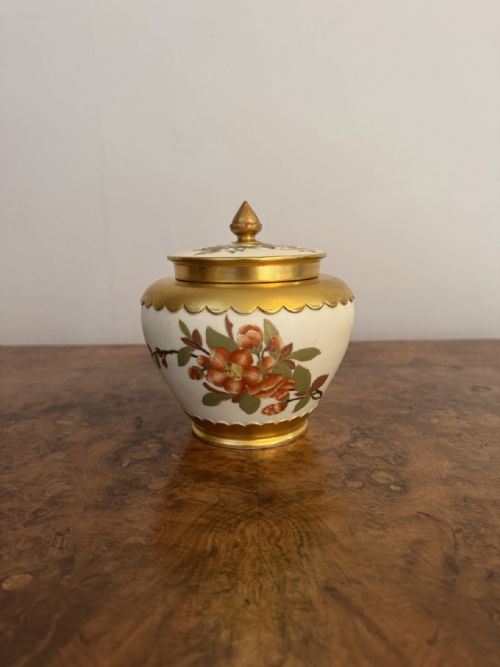
Victorian and Edwardian blush ivory pieces sit alongside earlier Georgian porcelain and Japanese Meiji period works. Each object relies on painted floral motifs as its primary decorative scheme, rendered in earthenware, faience, or porcelain.
How they were made
Potters shaped ceramic and porcelain bodies by hand or on the wheel, applying glazes before firing the clay in kilns. Earthenware, faience, and fine porcelain served as the foundational materials for these vessels.
Makers applied hand-painted floral decoration using enamels, polychrome glazes, and cobalt blue pigments. Gilding, gold leaf, and gilt bronze mounts frequently complemented the painted botanical scenes.
Dolphin handles occasionally support nineteenth-century ivory-toned vessels, letting marine life assist with botanical display.
What varies in quality
The standard of painting on a floral painted ceramic vase dictates its position in the range, separating swift commercial production from meticulous studio work. Skilled brushwork defines the depth and detail of the painted blossoms and foliage.
The precision of the ceramic form, the richness of the glaze, and the application of gold leaf or gilding contribute to the distinction of the piece. Factory marks from established makers often indicate a higher tier of manufacture.
Flight Barr And Barr·Royal Worcester·Sitzendorf·Moorcroft McIntyre·Doulton Lambeth·Royal Vienna·Samson Of Paris·Coalport·Meissen
The Floral Painted Ceramic Vase Glossary
- Baluster
- A tall vase form with a rounded body that tapers toward the base and swells near the middle. This traditional shape supports extensive painted surface decoration.
- Blush ivory
- A matte cream-coloured ceramic ground developed by manufacturers such as Royal Worcester to imitate ivory. It provides a soft background for delicate floral painting.
- Faience
- Tin-glazed earthenware produced across Europe, particularly associated with late nineteenth-century studio pottery. The porous body accepts opaque glazes well.
- Imari
- A Japanese style of porcelain decorated in underglaze blue and overglaze red, green, and gold. These pieces feature dense patterns incorporating floral and natural elements.
- Potpourri
- A mixture of dried petals and spices held in a lidded ceramic jar designed with pierced openings. The vessel diffuses fragrance while displaying decorative painting.
Floral Painted Ceramic Vase: Frequently Asked Questions
How do I date a ceramic vase?
Examination of the base often reveals maker marks, registration numbers, or factory ciphers that point to a specific period of production.
Style, glaze characteristics, and manufacturing techniques also provide clear indicators of whether a piece originates from the eighteenth, nineteenth, or early twentieth century.
Where should I display my vase?
These decorative vessels suit placement on mantelpieces, side tables, or within dedicated display cabinets where adequate light reaches the painted surfaces.
Stability remains the primary consideration for larger pieces, ensuring they rest safely away from high-traffic household areas.
Were these vases used for water?
Some pieces served primarily as ornamental items or lidded jars for potpourri rather than functional vessels for cut flowers.
Porcelain and glazed earthenware can hold water safely, though older porous bodies require careful handling to prevent moisture damage.
What is blush ivory porcelain?
Blush ivory is a specialised ceramic finish introduced in the Victorian period that creates a warm, matte surface resembling elephant ivory.
This pale ground became a popular canvas for hand-painted floral decoration, particularly among English manufactories.