




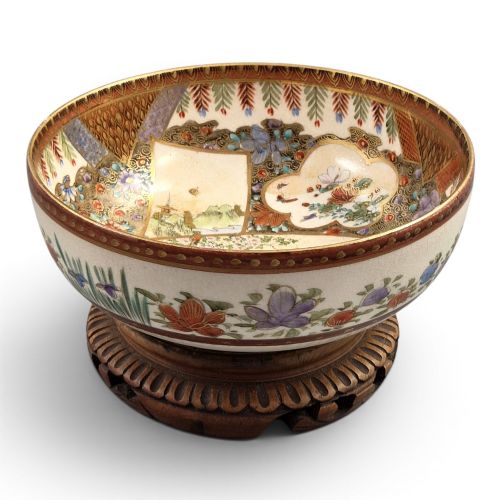

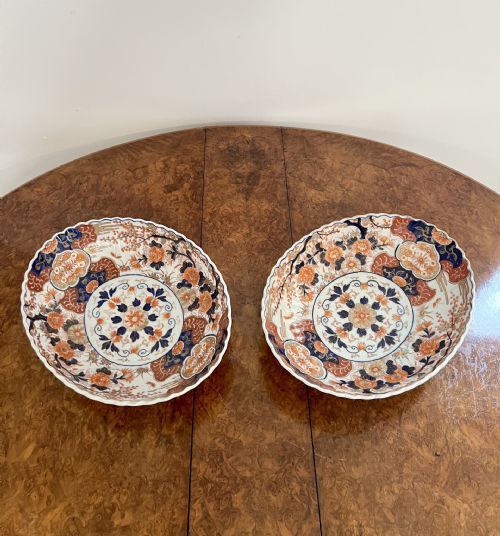


Floral Japanese Porcelain Bowl
A floral japanese porcelain bowl brings vibrant colour and intricate hand-painted decoration straight from historic kiln towns into a modern room.
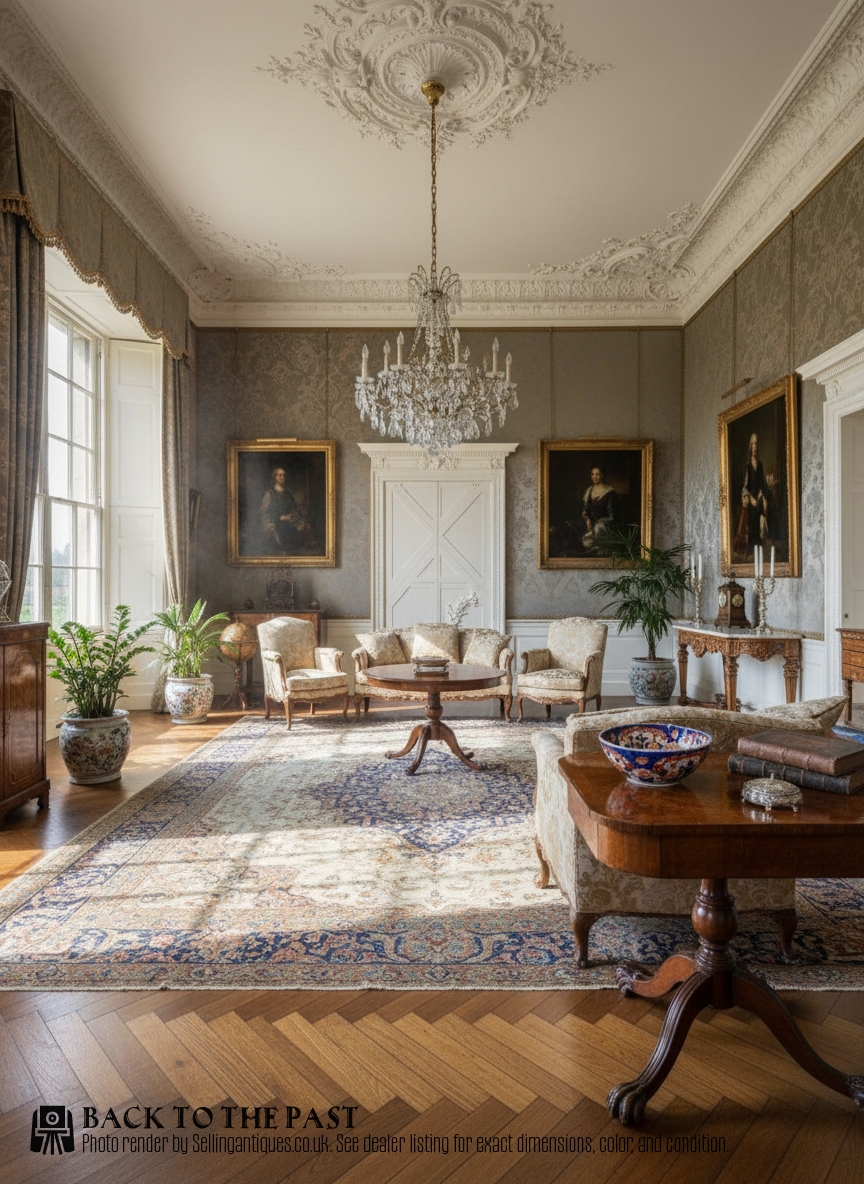
Floral Japanese Porcelain Bowl
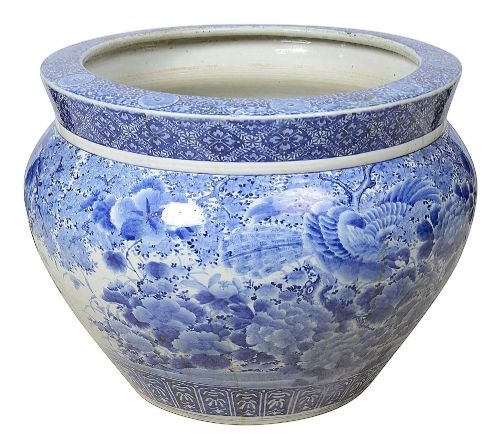
A floral japanese porcelain bowl encompasses deep serving vessels, decorative display dishes, and large garden planters originating from distinct periods of production. The examples found here span from eighteenth-century wares to pieces made during the Meiji period and Edwardian era.
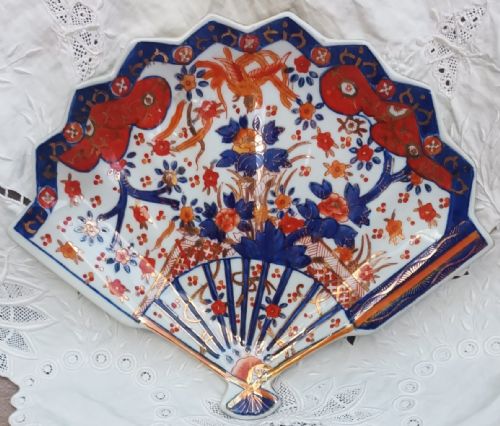
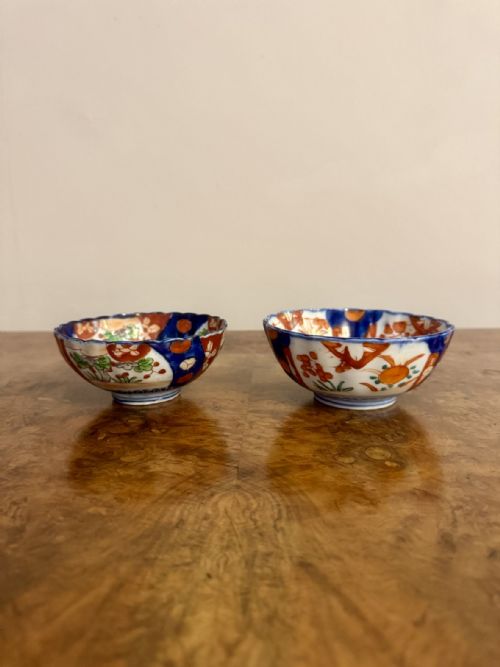
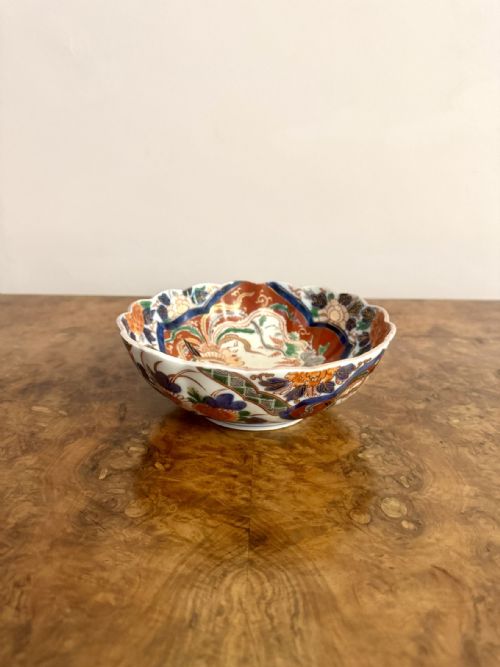
Imari and Satsuma styles dominate the selection, often featuring scalloped edges, fluted rims, or heavy gilding alongside dense botanical motifs. Buyers frequently encounter large decorative bowls, miniature vessels, and pairs designed for prominent display.
How they were made
Potters shaped fine ceramic and porcelain bodies before applying vibrant enamel colours, underglaze blue, and rich gold leaf details. Many surfaces receive meticulous hand painting that incorporates intricate floral patterns and traditional crests.
Firing techniques allowed glazes to fuse smoothly with the earthenware or porcelain base, creating durable vessels that often feature metallic gilding to highlight raised edges and motifs.
Wares originate from centuries spanning the 1700s through the Edwardian era.
What varies in quality
The precision of the hand-painted brushwork distinguishes standard production pieces from exceptional works signed by master artists or specific potteries. Finer vessels display sharper enamel registration and more lavish applications of gold leaf.
Structural complexity also alters the standing of a bowl, with unusual hexagonal shapes, tripod feet, and deeply scalloped or fluted rims requiring advanced forming skills in the kiln.
Kozan·Ryuzan·Nikko·Shozo
The Floral Japanese Porcelain Bowl Glossary
- Imari
- A traditional style of Japanese porcelain featuring a distinct palette of underglaze blue, iron red, and gilt highlights. These wares were heavily exported to Europe from the port of Imari.
- Satsuma
- A type of Japanese earthenware characterised by a pale, ivory-coloured cracked glaze and dense overglaze enamel painting. Satsuma pieces frequently incorporate abundant gold leaf and floral decoration.
- Kutani
- A style of Japanese porcelain known for bold pictorial designs and rich polychrome enamels. Kutani bowls often showcase detailed figural or botanical scenes.
- Meiji
- The historical period in Japan spanning from 1868 to 1912, noted for a massive surge in decorative arts produced for international export. Pieces from this era show high technical proficiency in enamel work.
- Jardiniere
- A large ornamental pot or bowl designed to hold growing plants or cut flowers. These vessels often sit on heavy ceramic bases and feature expansive floral motifs.
Floral Japanese Porcelain Bowl: Frequently Asked Questions
How are Japanese Imari bowls identified?
Imari bowls are recognised by their traditional palette combining cobalt blue underglaze with iron red and gilt overglaze decoration. The patterns frequently incorporate floral panels and intricate geometric borders.
Most examples date from the nineteenth or early twentieth centuries, displaying crisp hand-painted details across a sturdy porcelain body.
What is the difference between Satsuma and Imari?
Satsuma ware uses an earthenware body covered in a finely crackled ivory glaze, painted with soft enamels and heavy gold leaf. Imari relies on a harder porcelain base with a brighter palette of blues and reds.
While both styles feature abundant floral decoration, their material composition and surface textures remain distinct.
Can these bowls be used for food?
Antique bowls featuring delicate overglaze enamels and gold leaf are primarily intended for decorative display rather than daily culinary use. Friction or acidic foods can wear away the fine surface pigments over time.
Gentle dusting is recommended to preserve the hand-painted floral details and metallic gilding.
How do I date a Meiji period bowl?
The Meiji period spans from 1868 to 1912, encompassing late nineteenth-century and Edwardian production dates. Pieces from this era often carry artist signatures, workshop stamps, or specific export marks on the base.
Comparing the complexity of the enamel work and the weight of the porcelain helps narrow the production window.