
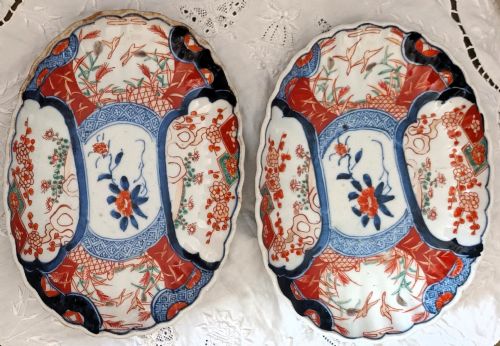


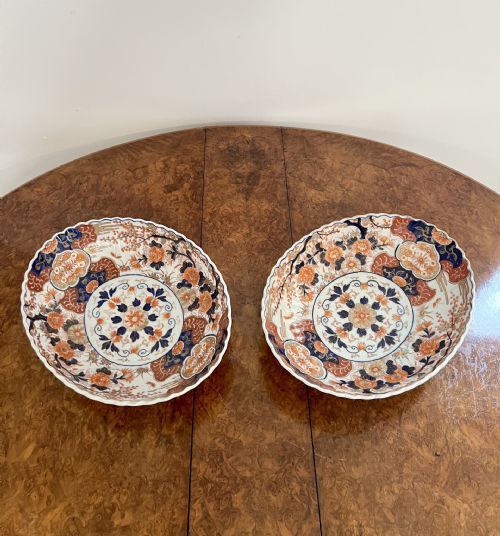


Floral Imari Serving Dish
These floral imari serving dish examples bring rich blue, iron red, and gilt porcelain into your home for display or dining.
Floral Imari Serving Dish
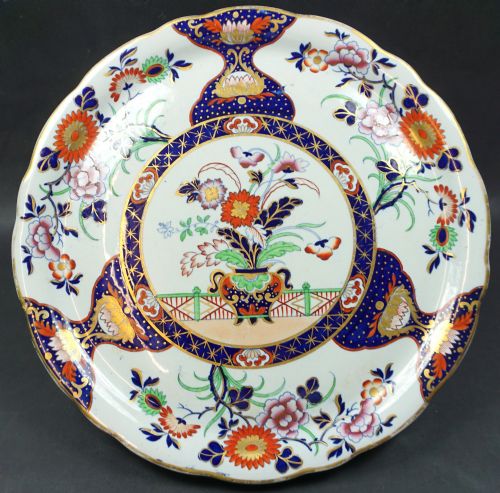
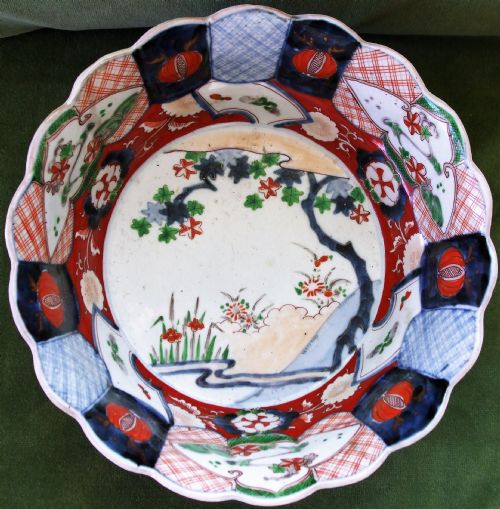
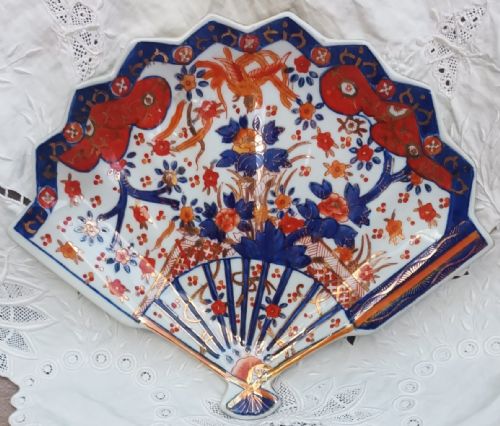
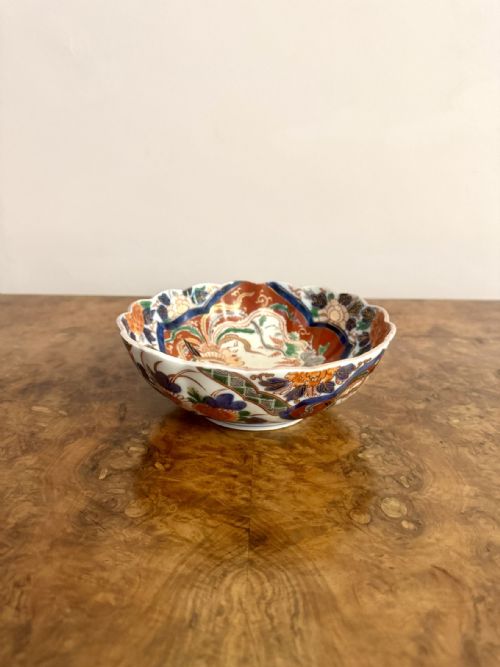
A floral imari serving dish represents a distinct fusion of Eastern decoration and utilitarian form, often spanning Japanese export porcelain and English ironstone interpretations. When you examine a floral imari serving dish today, you encounter bowls, chargers, plates, and platters shaped with scalloped edges or square profiles.
The objects originate from periods ranging from the eighteenth century through the Victorian era and the Japanese Meiji period. Most pieces you meet on this page lean heavily towards Japanese Meiji production and nineteenth century English ironstone decorated in the Imari palette.
These items were originally made for presentation and service at the table, functioning as tureens, ashets, chargers, and vegetable dishes. Collectors today value them for their striking colour contrast and historical breadth.
What varies in quality
The crispness and density of the hand painted floral and bird motifs separate standard items from superior examples. Master painters achieved finer lines and richer iron reds and blues, whereas lesser pieces show rushed or simplified brushwork.
The preservation of the gilding and enamel highlights significantly affects the overall standard of each vessel. Pieces that retain their original gold leaf and bright glaze without excessive rubbing command greater appreciation among collectors.
Listings span the eighteenth century to the early twentieth century, incorporating English ironstone and Japanese Meiji period porcelain.
Hicks & Meigh·Masons·Coalbrookdale
The Floral Imari Serving Dish Glossary
- Imari
- A style of Japanese porcelain originating from Arita, characterised by a palette of underglaze blue, iron red, and gold. The name derives from the port from which these wares were shipped to Europe.
- Ironstone
- A heavy, durable type of earthenware patented in the nineteenth century by English potters as a robust alternative to porcelain. It frequently bore transfer printed or hand coloured Oriental inspired patterns.
- Charger
- A large decorative plate or platter intended primarily for display on a sideboard or wall rather than for individual dining use. These items often feature intricate painted borders and central motifs.
- Ashet
- A Scottish and Northern English term for a large meat platter or serving dish placed in the centre of the table. The word originates as a phonetic spelling of assiette.
- Tureen
- A deep covered bowl designed for serving soups, vegetables, or sauces at the dining table. They frequently stand upon matching bases or platters.
Floral Imari Serving Dish: Frequently Asked Questions
What is a floral imari serving dish?
A floral imari serving dish is a ceramic or porcelain vessel decorated in the traditional Japanese Imari palette of cobalt blue, iron red, and gold. These pieces include bowls, plates, chargers, and platters created for both practical dining and display.
They bridge Eastern export traditions and nineteenth century European interpretations, offering vibrant floral and bird designs.
How do I care for antique ceramic dishes?
Antique ceramic and ironstone dishes require gentle hand washing in warm water with mild soap. Avoid modern dishwashers, as the harsh detergents and high heat will damage delicate overglaze enamels and gilding.
Store them securely on stable surfaces, using felt separators between stacked plates to protect the glazed edges.
Were these dishes used for daily dining?
Many ironstone tureens, platters, and ashets saw regular service on nineteenth century dining tables for meat, vegetables, and soups. Their durable ceramic bodies made them practical for heavy household use.
Larger chargers and delicate porcelain bowls were more frequently reserved for display or special presentation purposes.
How do I distinguish Japanese from English imari?
Japanese Imari pieces typically utilise a fine porcelain body with hand painted underglaze blue and vibrant overglaze enamels originating from the Arita region. English versions often employ heavy ironstone or earthenware bodies produced by factories mimicking the popular oriental style.
Examining the foot ring, weight, and paste beneath the glaze helps clarify the origin of each piece.