


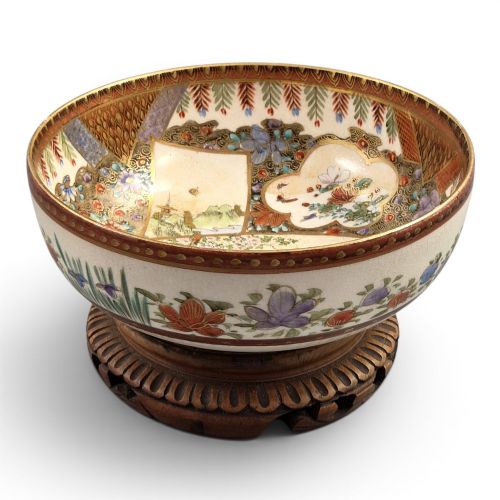


Floral Enamelled Porcelain Dish
A floral enamelled porcelain dish brings vibrant botanical decoration and careful polychrome work into any room, spanning centuries of Asian and European export production.
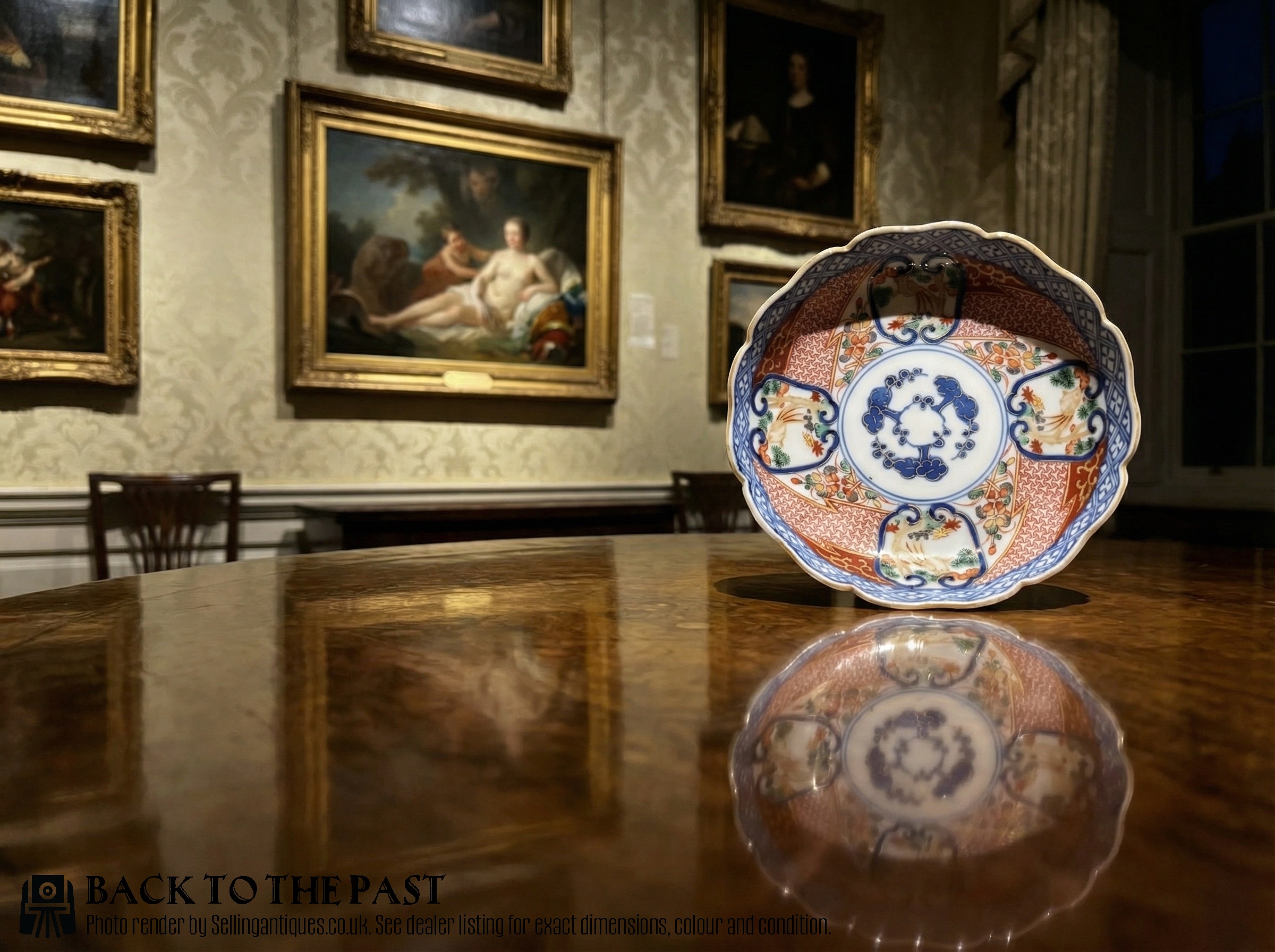
Floral Enamelled Porcelain Dish
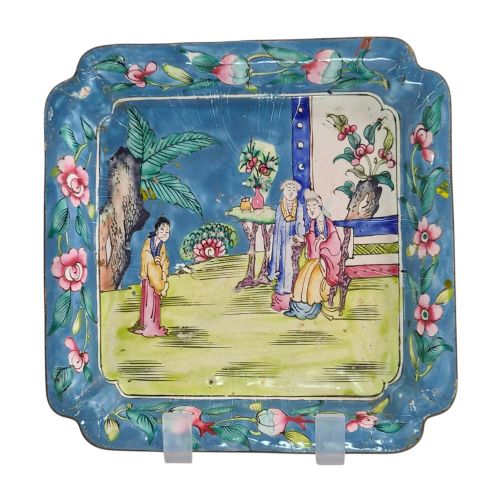
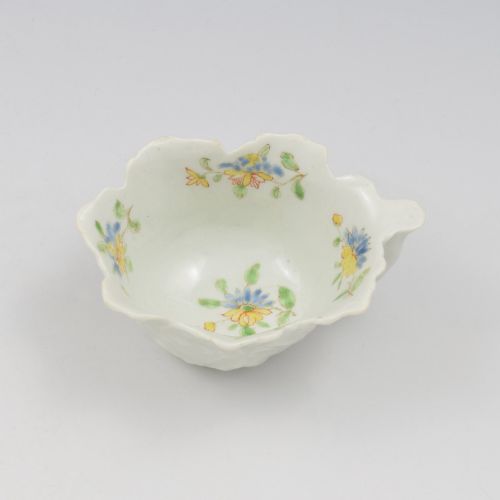
A floral enamelled porcelain dish encompasses various serving and decorative vessels decorated with painted botanical motifs and vitreous pigments. These pieces include plates, chargers, shallow bowls, and trays created across different dynasties and centuries.
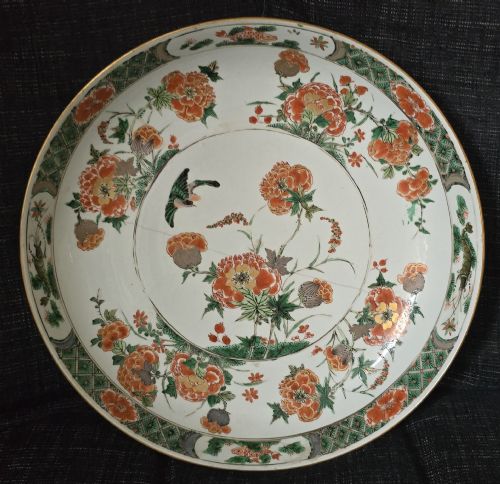
Most entries showcase detailed hand-painted floral designs combined with gilding, featuring subjects like birds, peonies, and thousand flower patterns. Buyers meet everything from miniature cups to wide presentation chargers.
Materials and production techniques
Potters shaped fine ceramic paste into plates, bowls, and trays before applying initial glazes and firing the body at high temperatures. Artisans then added detailed hand-painted enamels, sometimes incorporating gold leaf or gilt highlights.
Certain Japanese pieces utilised moriage techniques to build up raised enamel details, adding tactile depth to floral and bird designs. Subsequent lower-temperature kiln firings fixed the polychrome pigments permanently to the glazed surface.
Floral Enamelled Porcelain Dish Retail Price Guide 2026
Typical asking prices for floral enamelled porcelain dish among the pieces listed under this phrase on Sellingantiques today, from the lower quarter to the upper quarter. They describe what is for sale here now, not the wider market.
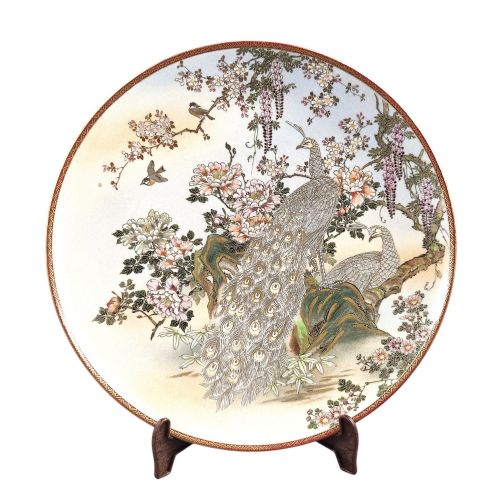
Peacocks strut among wisteria and peonies across Meiji chargers, bringing gardens indoors.
Distinctions in quality and execution
Quality rests upon the precision of the brushwork and the complexity of the enamel composition, separating standard production wares from masterworks. Signed pieces by recognised makers display superior control over the polychrome palette and gilding.
The refinement of the porcelain body and the crispness of moulded or lobbed edges also indicate higher standards of production. Well-preserved surfaces retain their original metallic lustre and bright pigment tones without excessive rubbing.
Kozan·Shozo
The Floral Enamelled Porcelain Dish Glossary
- Famille rose
- A major palette of Chinese ceramic glazes introduced in the Qing dynasty, characterised by opaque pink or rose enamel colours derived from colloidal gold.
- Imari
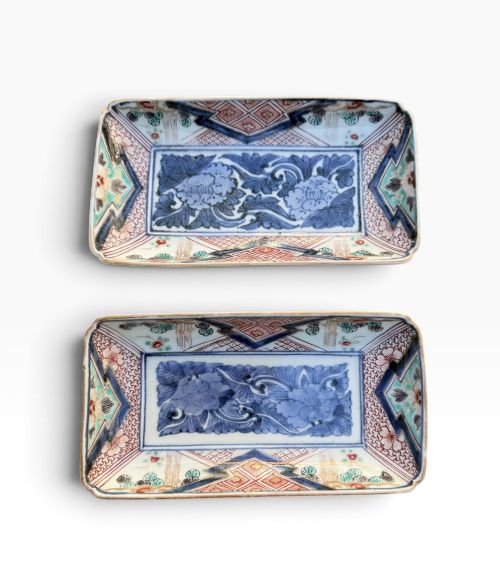
- A type of Japanese porcelain decorated in underglaze blue and overglaze red, gold, and other colours, originating from the port of Arita.
- Satsuma
- Japanese earthenware or porcelain featuring a crackled ivory glaze decorated with elaborate polychrome enamels and gilding, frequently associated with the Meiji period.
- Moriage
- A decorative ceramic technique involving the laying down of clay slip in dots or lines to create raised patterns beneath the enamel and gilding.
- Charger
- A large ornamental plate or shallow dish used historically for ceremonial display or serving during formal banquets.
Floral Enamelled Porcelain Dish: Frequently Asked Questions
What defines a Satsuma dish?
Satsuma wares typically feature a distinctive cream-coloured earthenware or porcelain body covered in a fine network of crackled glaze. Artisans decorated these surfaces with dense floral motifs, figures, and heavy gilding.
These pieces gained prominence during the Meiji period for export markets. Collectors prize them for their intricate detail and raised enamel work.
How can I date an antique dish?
Dating relies on examining the ceramic body, style of decoration, potting techniques, and any visible artist signatures or reign marks. Chinese export wares often align with specific imperial dynasties, while Japanese pieces correspond to periods like Meiji.
Comparing the palette and glaze characteristics with documented examples helps narrow down the decade or century of manufacture. Subtle shifts in manufacturing methods reveal the chronological origin of each item.
Where should I display my dish?
Place decorative plates and chargers on stable plate stands within cabinets or on sturdy mantelpieces away from direct sunlight. Wall-mounting requires specialist brass hangers designed to distribute weight evenly without pinching the rim.
Keep pieces away from high-traffic areas where accidental knocks might occur. Stable indoor environments prevent thermal shock and protect delicate gilded surfaces.