




Arita Ceramic Dish
An arita ceramic dish brings centuries of Japanese kiln tradition to a table or wall, offering rich colour and intricate hand-painted detail.
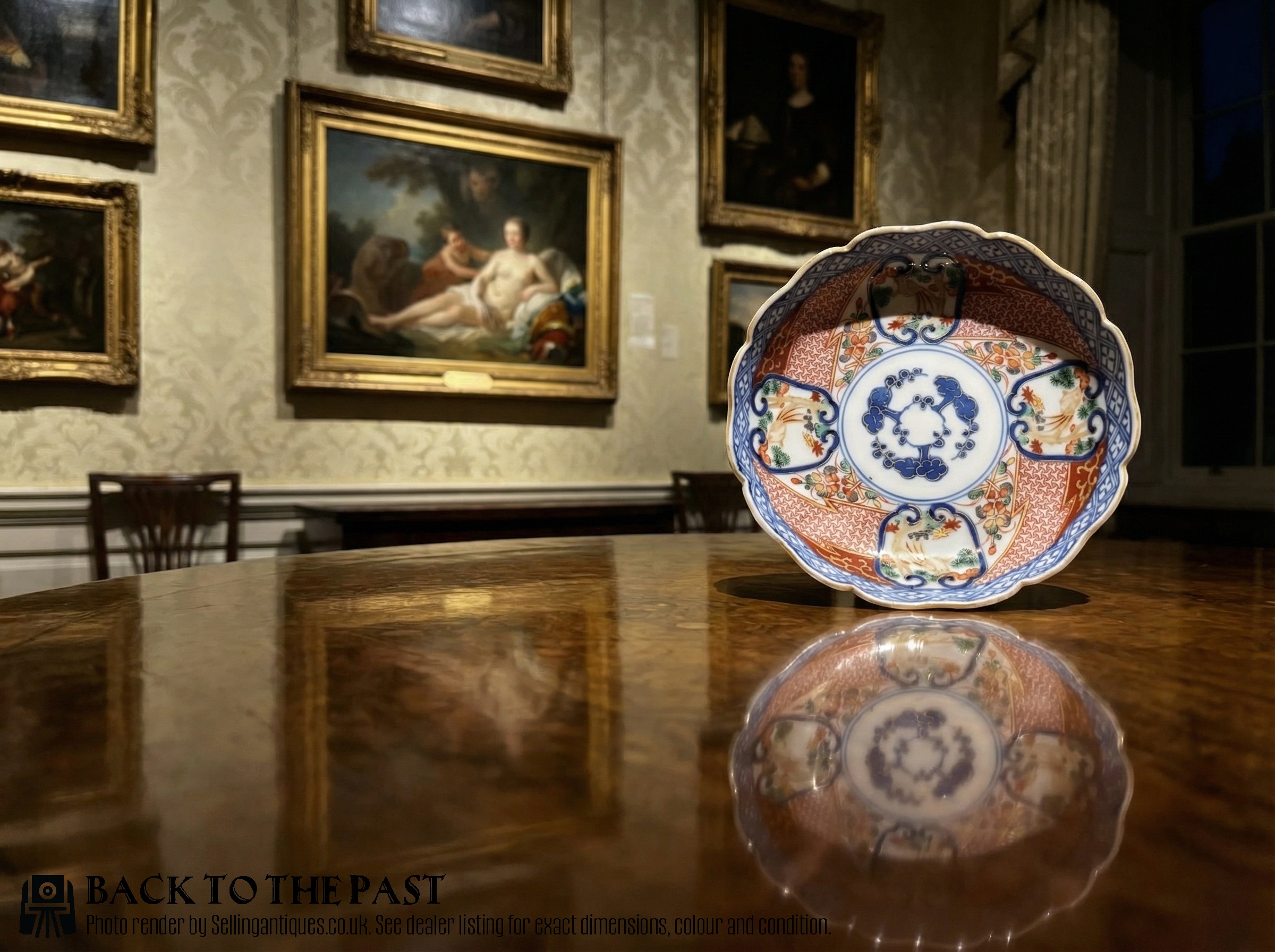
Arita Ceramic Dish
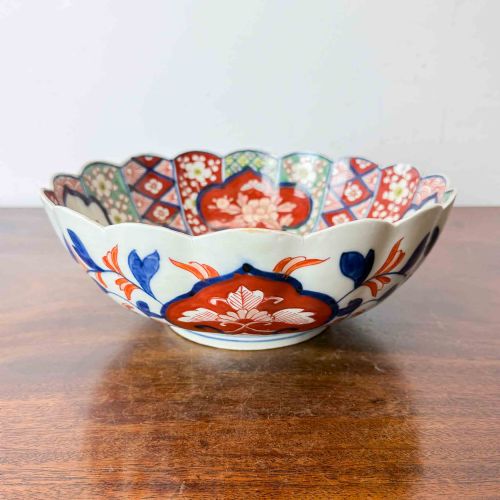
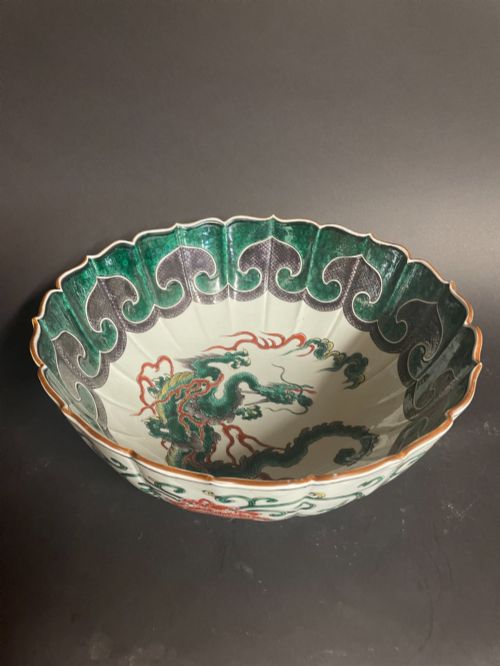
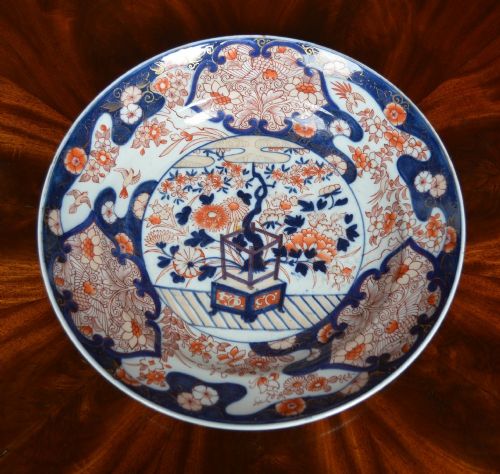
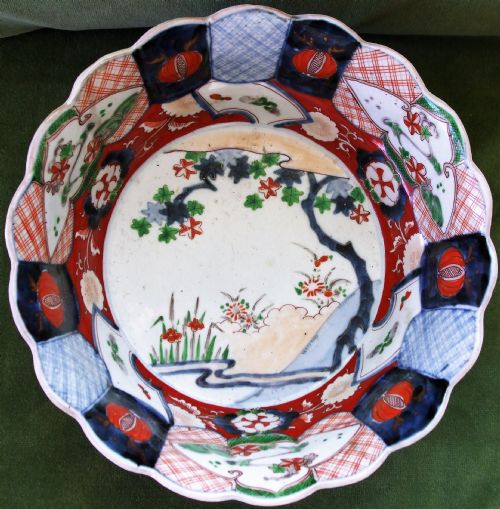
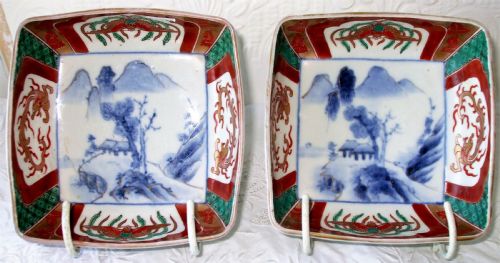
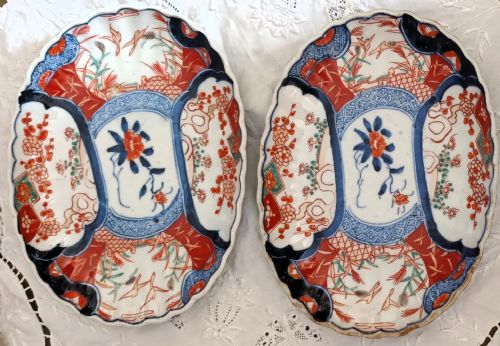
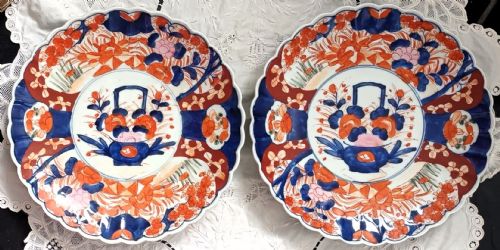
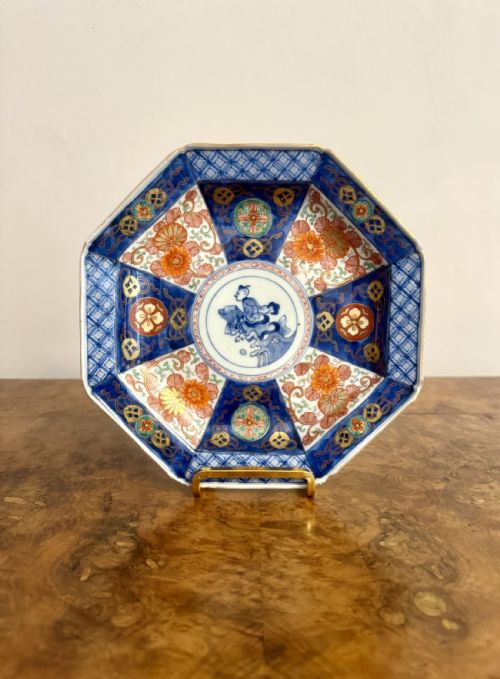
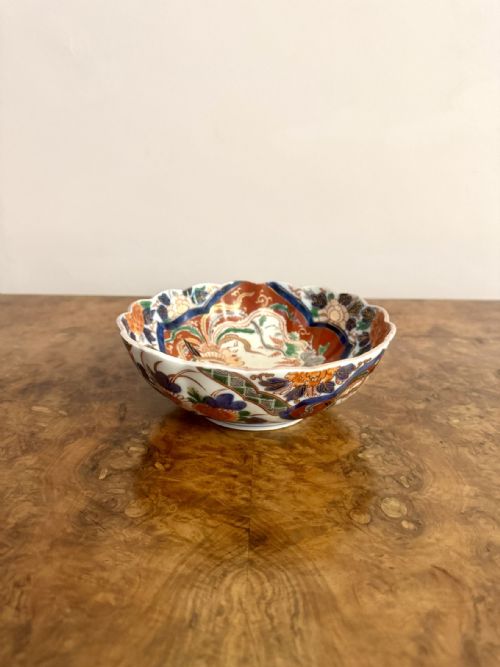
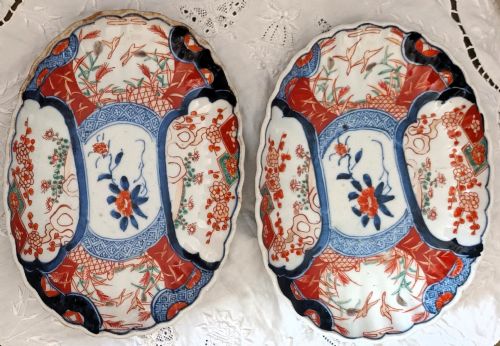
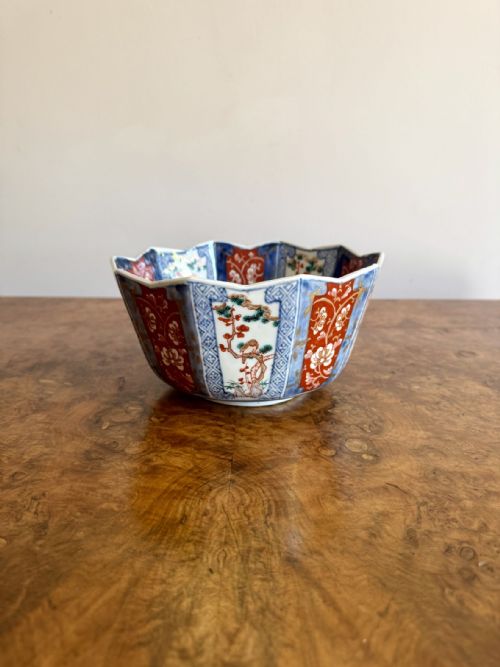
When you search for an arita ceramic dish, you encounter decorative porcelain and pottery created in the Hizen province of Japan. These pieces span centuries of production, appearing primarily as chargers, plates, bowls, and platters.
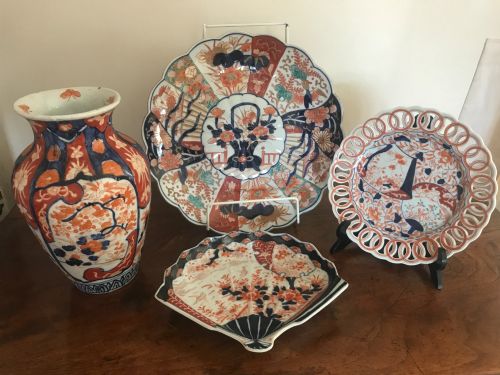
The selections on this page are dominated by Japanese Imari styles and Meiji period works. You will frequently find scalloped edges, hexagonal forms, and intricate floral or bird motifs executed in traditional palettes.
How they were made
Potters shaped fine porcelain clay before applying cobalt underglaze, enamel, and occasionally gold leaf or gilding. Firing in high-temperature kilns fused the mineral pigments to the ceramic body.
Skilled artisans then hand painted the surfaces with complex designs, including exotic birds and floral patterns, using precise brushwork developed over generations.
Materials recorded across the inventory include porcelain, ceramic, cobalt underglaze, enamel, gold leaf, and gilding.
What varies in quality
The refinement of the painted brushwork largely distinguishes standard domestic items from exceptional decorative pieces. Crisp lines in the cobalt underglaze and well-preserved enamel colours indicate superior craftsmanship.
Unusual forms, such as hexagonal plates or clam shell dishes, require greater skill to shape and fire successfully. The application of gold leaf and intricate detailing also marks out finer examples.
The Arita Ceramic Dish Glossary
- Arita
- A Japanese town and the surrounding region renowned for centuries of porcelain production. Pieces originating here supplied both domestic markets and international trade.
- Imari
- A traditional Japanese style of porcelain decorated in underglaze blue, iron red, and gold. It takes its port name from the shipment point used for export.
- Charger
- A large decorative plate or platter. These items were often displayed upright on walls or on furniture rather than used for dining.
- Meiji Period
- A Japanese historical era lasting from 1868 to 1912. Works from this time often display a high degree of decorative elaboration and technical skill.
- Cobalt Underglaze
- A blue pigment applied to the raw clay body before glazing and firing. This technique ensures the colour remains permanent and protected beneath a glassy surface.
Arita Ceramic Dish: Frequently Asked Questions
How do I display an arita ceramic dish safely?
Large chargers and plates suit sturdy wall mountings using specialist brass wire hangers designed for heavy ceramics. Alternatively, place smaller bowls and dishes securely in dedicated display stands on stable furniture.
Avoid positioning pieces in direct sunlight or areas subject to heavy vibrations. Keeping them away from foot traffic protects the edges from accidental knocks.
How can I tell the period of an arita dish?
Examine the foot ring, glaze characteristics, and painting style for clues to the era of manufacture. Meiji period pieces often feature vibrant enamels and precise floral or bird designs, whereas earlier Edo examples show different potting traits.
Stylistic conventions evolved over centuries, though many traditional motifs persisted. Comparing baseline potting techniques helps narrow down the century of origin.
Were these dishes used for food?
Many larger chargers and decorative plates served primarily as display pieces for wealthy households. Smaller bowls and dishes saw more practical use in daily dining settings.
Over time, surviving examples transitioned almost entirely into decorative objects for collectors. Their artistic value now outweighs any functional purpose.