



Flat Woven Carpet
A flat woven carpet offers geometric clarity and historic texture, bringing nomadic traditions directly to contemporary floors.
Flat Woven Carpet
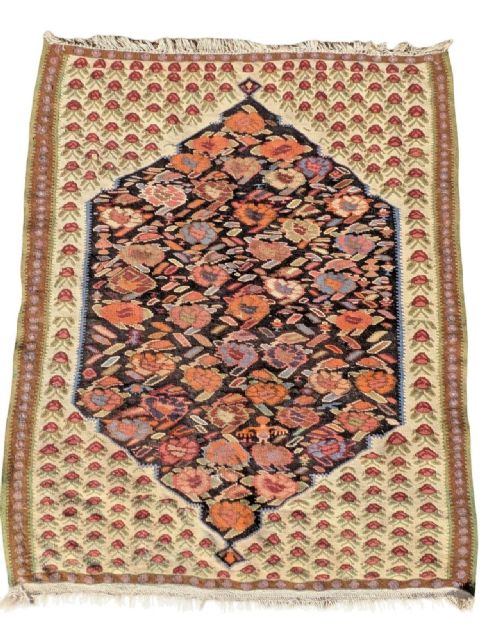
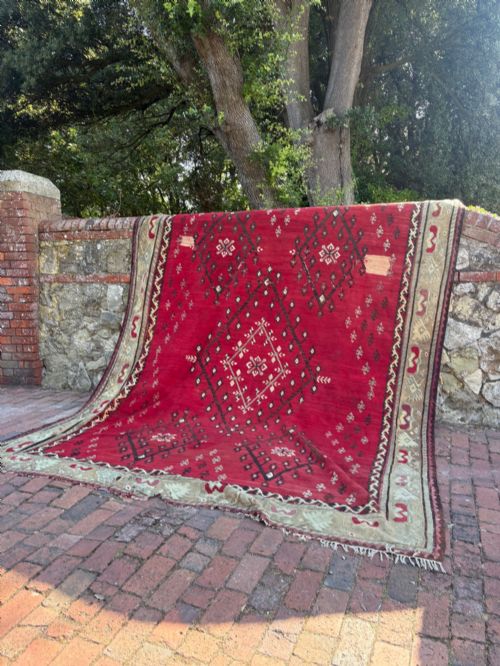
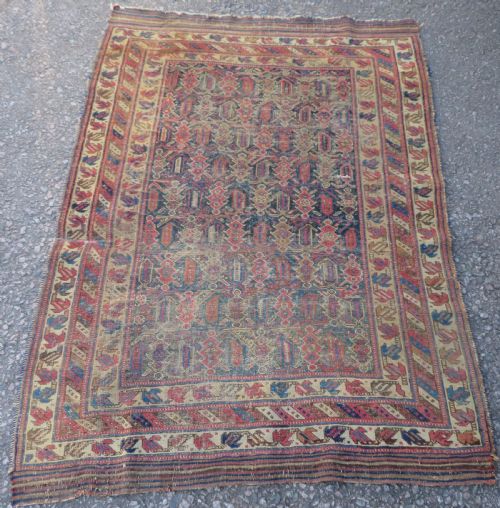
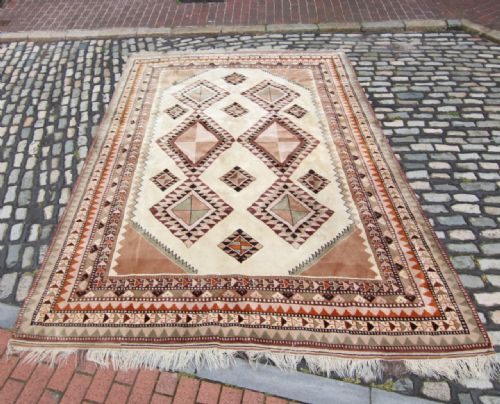
A flat woven carpet represents a diverse group of floor coverings and textiles produced across the Caucasus, Anatolia, Central Asia, and Eastern Europe. These pieces lack a traditional pile, relying instead on structural interlacings of warp and weft to create firm, resilient textiles.
Buyers encountering this selection will find various regional expressions ranging from Bessarabian and Ukrainian examples to Caucasian, Anatolian, and Turkmen tribal works. Forms span large room-sized carpets and runners down to utilitarian storage bags and saddlebag faces.
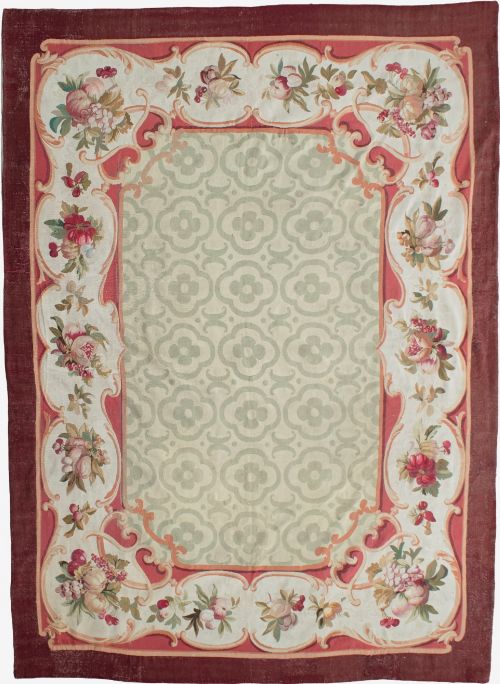
Originating largely between the mid-nineteenth century and the mid-twentieth century, these textiles encompass traditional village designs alongside European-influenced botanical carpets from Aubusson and needlepoint traditions.
Materials and construction methods
Makers utilised locally sourced wool and cotton, frequently relying on hand-spun wool for its durable texture and receptive surface for natural dyes. These organic materials account for the resilient handling and rich tonal variations observed across the periods.
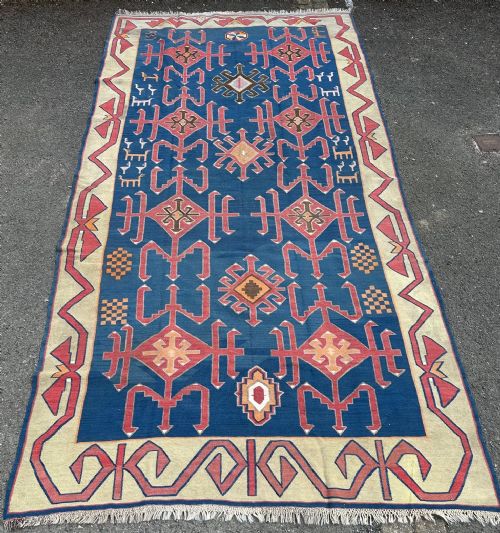
Weaving techniques vary from standard slit-tapestry kilim structures to soumak wrapping and needlepoint execution. Specific regional formats, such as carpets woven in two parts and joined centrally, reflect the practical limitations of traditional looms.
Listings span production dates from the mid-nineteenth century through the mid-twentieth century, predominantly utilising wool and natural dyes.
Assessing quality and execution
Quality rests upon the tightness of the weave, the precision of the graphic execution, and the depth of the palette achieved through natural dyes. Finer examples display rigorous structural integrity alongside crisp rendering of traditional motifs like medallions and banded patterns.
The condition of the textile and the survival of original flat-woven ends or borders heavily influence desirability. Pieces retaining balanced proportions and clear structural articulation stand apart from heavily repaired or structurally compromised examples.
The Flat Woven Carpet Glossary
- Kilim
- A flat-woven carpet or rug produced without a pile through the interlocking of warp and weft threads. This technique creates a lightweight, reversible textile with distinct geometric patterns.
- Soumak
- A brocade-like flat-weaving technique where coloured weft threads are wrapped around the warp threads in a continuous sequence. This method adds structural weight and durability to the face of the carpet.
- Mafrash
- A large rectangular storage bag produced by nomadic and tribal groups, often utilised for bedding or household goods. Complete examples feature decorated panels that translate well into flat rug formats.
- Warp
- The stationary vertical threads stretched tightly on a loom before weaving begins. The weft threads pass alternately over and under these foundational cords.
- Weft
- The horizontal threads passed through the warp to build the fabric and pattern of the carpet. In flat weaves, these visible threads carry the colour and design.
Flat Woven Carpet: Frequently Asked Questions
What is a flat woven carpet?
A flat woven carpet is a textile created without knotted pile, utilising interlocking warp and weft threads to form a sturdy, patterned surface. These rugs include kilims, soumaks, and room-sized tapestries.
Originating from diverse nomadic and village traditions across regions such as the Caucasus, Anatolia, and Eastern Europe, they serve as both decorative floor coverings and historic artefacts.
How do I care for a flat woven carpet?
Care requires gentle regular vacuuming without a rotating brush roll to protect the flat structure and fragile edges. Professional cleaning suited for antique textiles preserves the natural wool fibres.
Rotating the rug periodically ensures even wear across high-traffic areas, while using an appropriate underlay prevents slipping and cushions the weave against hard floors.
Where were these carpets made?
These textiles originate from widespread weaving centres including Anatolia, the Caucasus, Central Asia, and parts of Eastern Europe like Bessarabia and Ukraine. Each region developed distinct palettes and geometric or floral repertoires.
Tribal confederations and village communities within these areas produced specific styles, such as Yomut, Shirvan, or Bidjar pieces, defined by local materials and weaving traditions.
How do I tell regional styles apart?
Regional styles reveal themselves through distinct structural techniques, border arrangements, and colour palettes. Caucasian and Central Asian pieces frequently favor bold, geometric medallions and tribal symbols.
In contrast, Bessarabian and Aubusson examples often showcase European floral motifs and softer pictorial compositions, reflecting the aesthetic preferences of their respective markets.