
Fitted Writing Bureau
A fitted writing bureau combines a practical workspace with neat internal compartments, offering a classic solution for correspondence and storage.
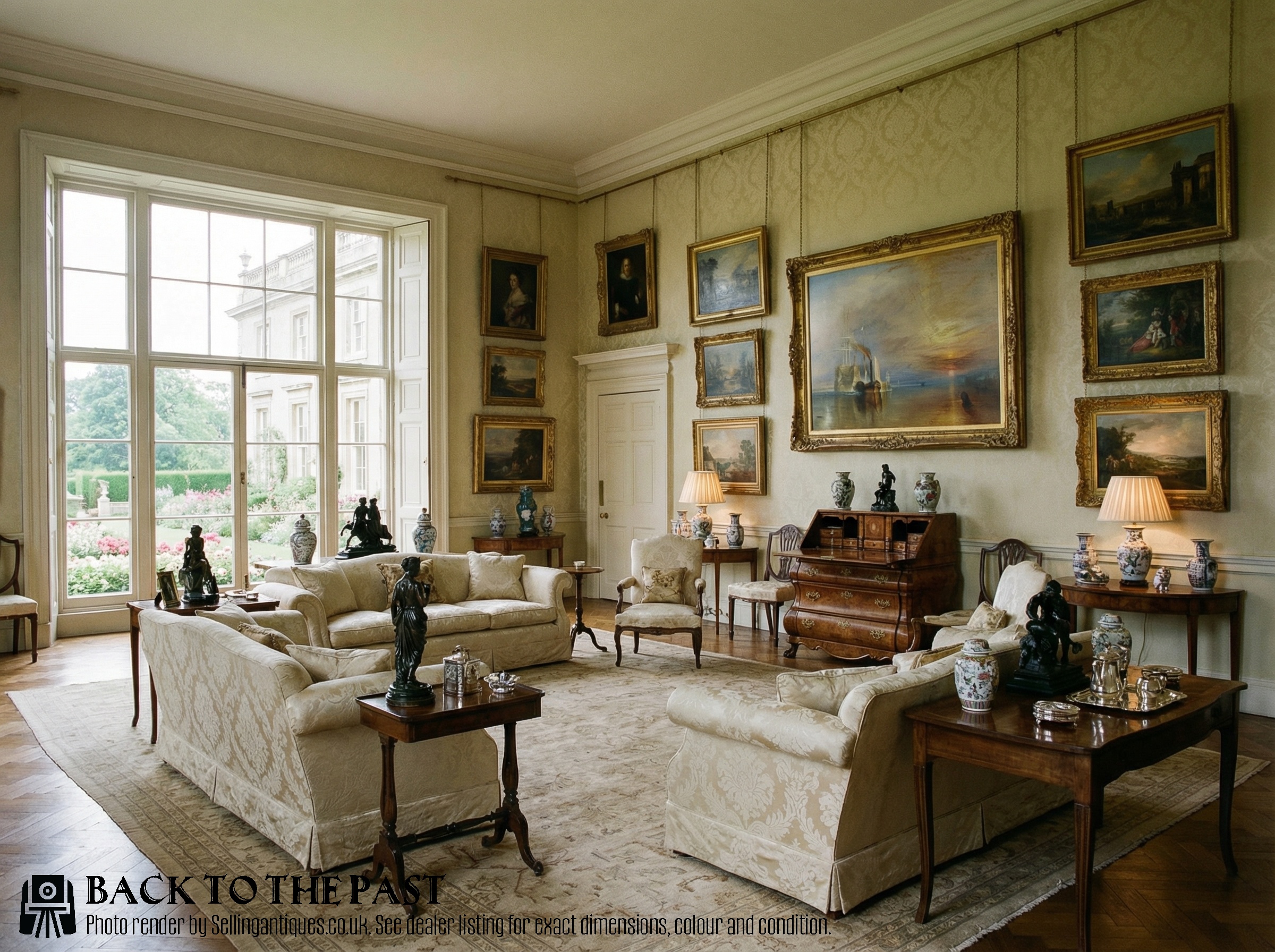
Fitted Writing Bureau
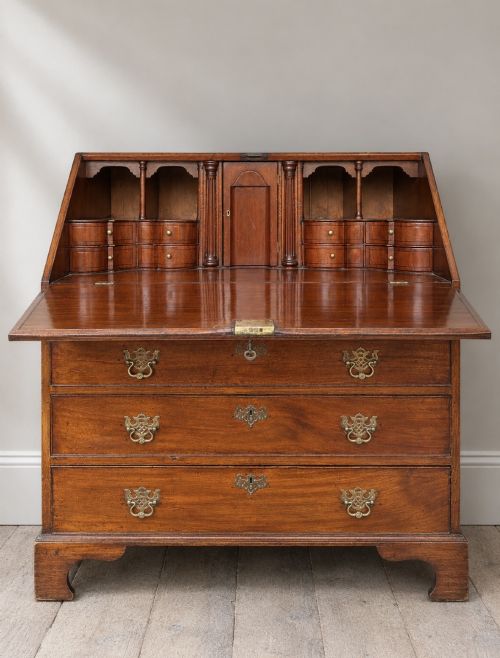
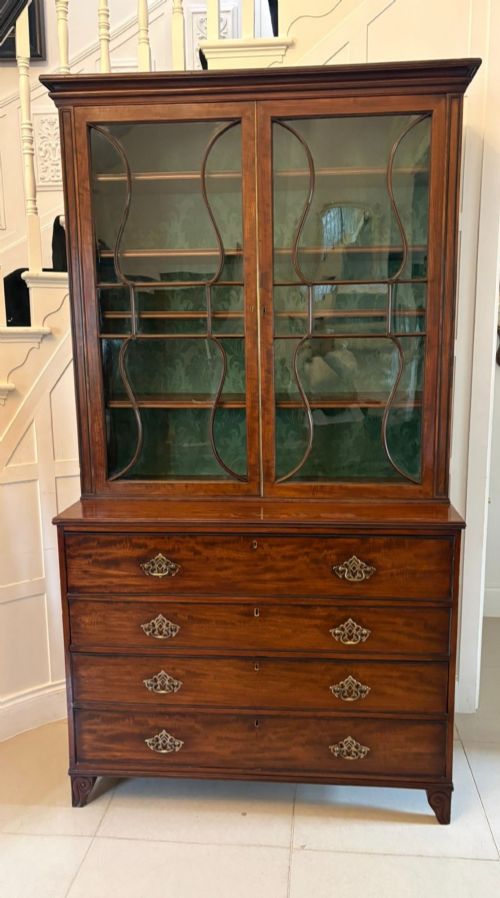
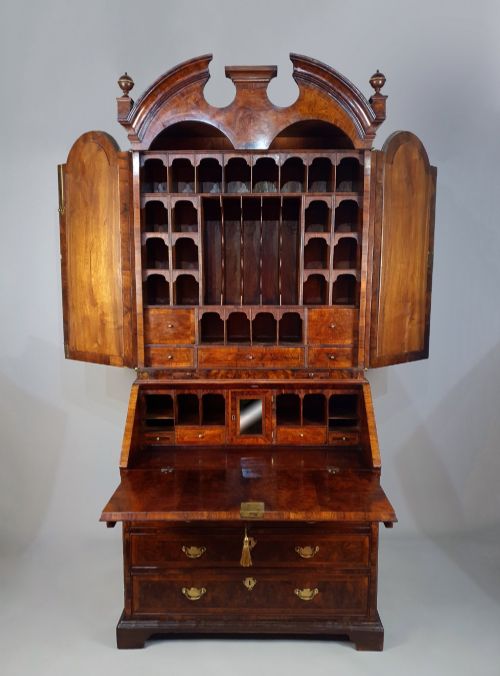
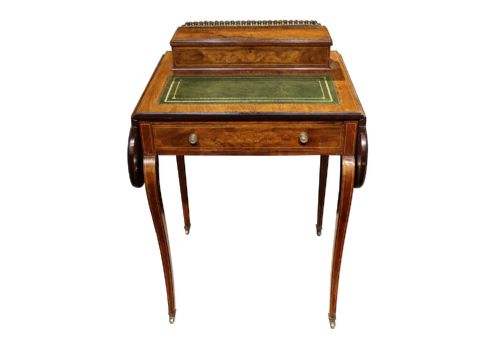
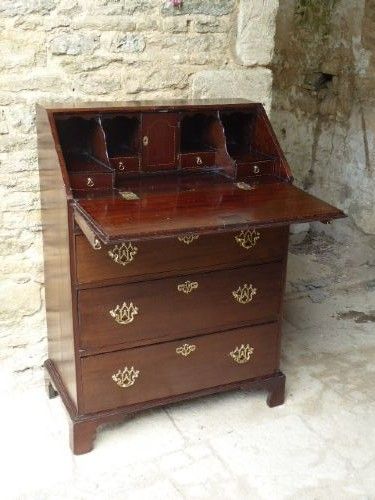
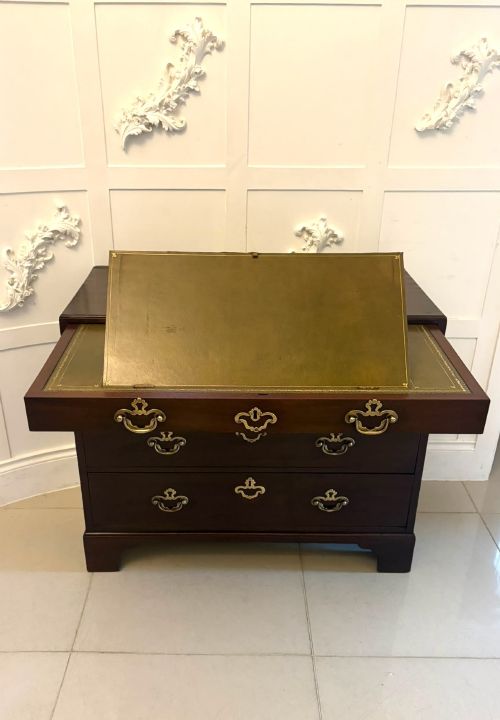
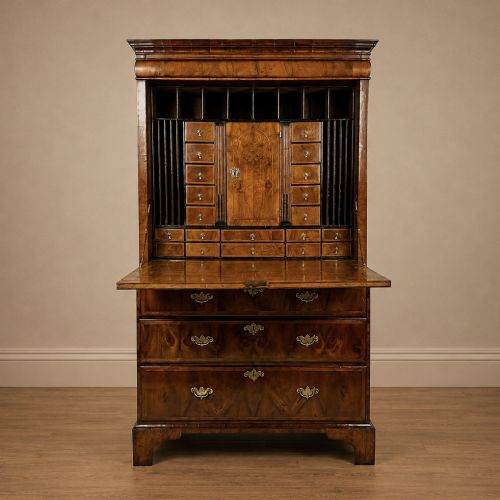
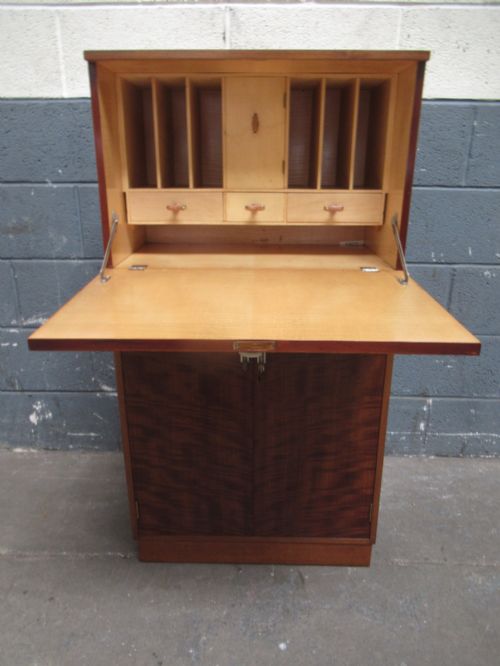
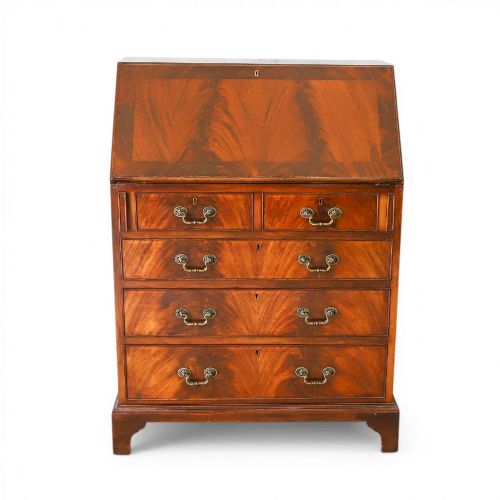
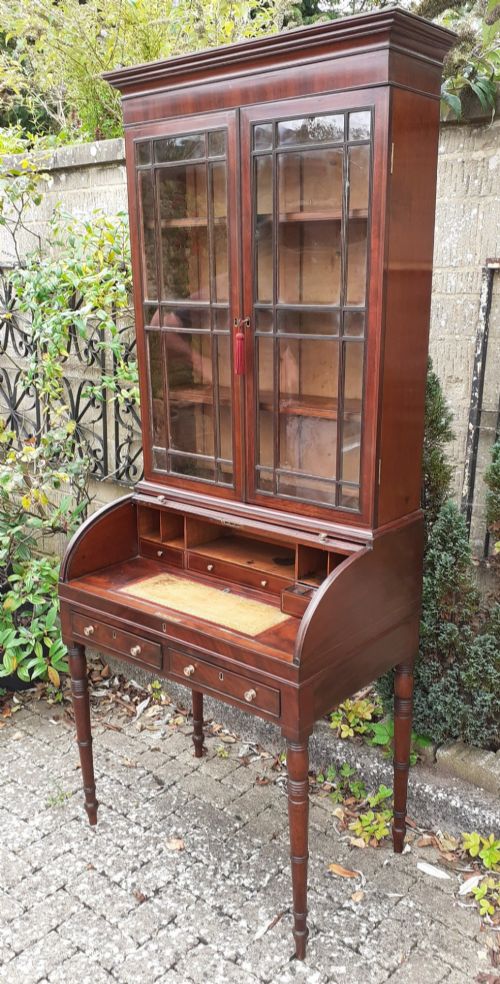
A fitted writing bureau provides a dedicated writing surface that conceals pigeonholes, small drawers and secret compartments when closed up. These pieces range from compact fall-front desks to imposing bureau bookcases with glazed upper sections.
The versions most commonly met on this page span the Georgian and Victorian eras through to the Art Deco period, constructed in woods like mahogany, walnut and oak. Buyers encounter everything from diminutive eighteenth-century examples to robust Edwardian and nineteen-thirties designs.
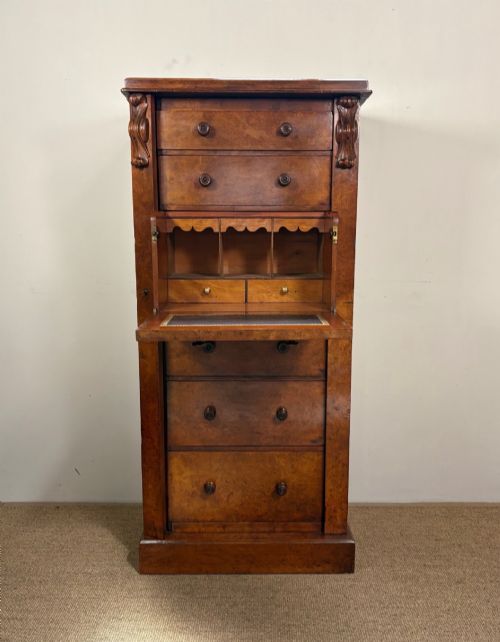
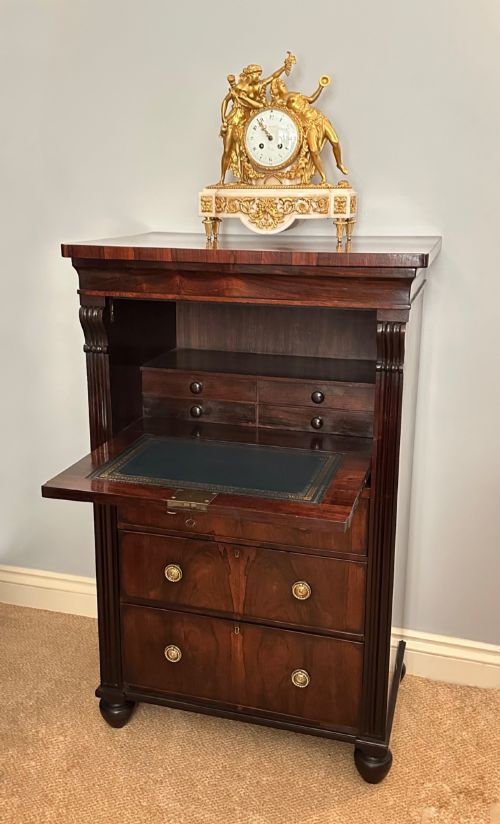
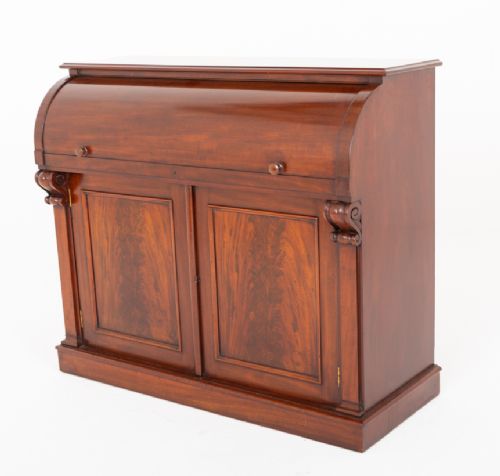
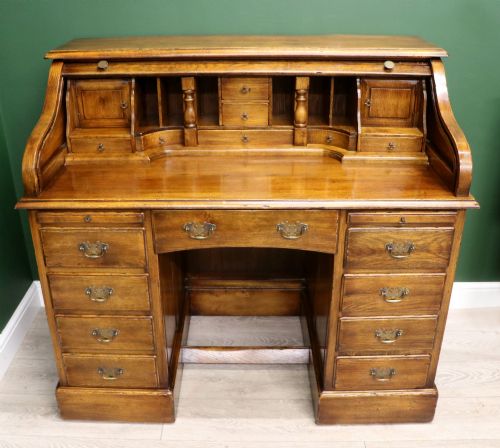
Form follows function across the selection, with drop-front cabinets, cylinder desks and secretaire chests offering different ways to manage papers while keeping rooms tidy. Each piece balances external elegance with internal utility tailored for correspondence.
How they were made
Cabinetmakers constructed these pieces primarily using solid timbers and veneers of mahogany, walnut and oak, often highlighting figured grains on the main surfaces. Internal fitments relied on secondary woods for drawer linings and small partitions.
Joinery techniques included dovetailing for drawer construction and panel-in-frame assembly for doors and fall-fronts, ensuring stability across seasonal temperature changes. Brass handles, escutcheons and sometimes glass doors completed the construction.
Surfaces received careful finishing with wax or polish to bring out the natural warmth of the grain, while inlaid details in satinwood or rosewood added decorative contrast on later examples.
Listings feature woods including mahogany, walnut, oak, satinwood and rosewood across periods from the early eighteenth century to the nineteen-thirties.
What varies in quality
The selection of timber sets the baseline, with highly figured mahogany, burr walnut or flame veneers marking out pieces intended for finer reception rooms. Plain woods and simpler constructions served more utilitarian spaces.
Internal architecture dictates the sophistication of the bureau, separating simple partitioned spaces from complex arrangements with hidden compartments, sliding wells and miniature cockbeaded drawers. The precision of the joinery inside the drop-front reflects the overall ambition of the maker.
Proportions and hardware contribute significantly to visual success, where well-chosen bracket or ogee feet, original brass work and balanced cornices elevate the piece from standard furniture to notable cabinetmaking.
Tudor and Burrey Shrewsbury·Heal s·Gillows of Lancaster
The Fitted Writing Bureau Glossary
- Fall-front
- A writing surface hinged at the bottom that folds down to reveal the fitted interior. It serves as the primary writing desk when open.
- Secretaire
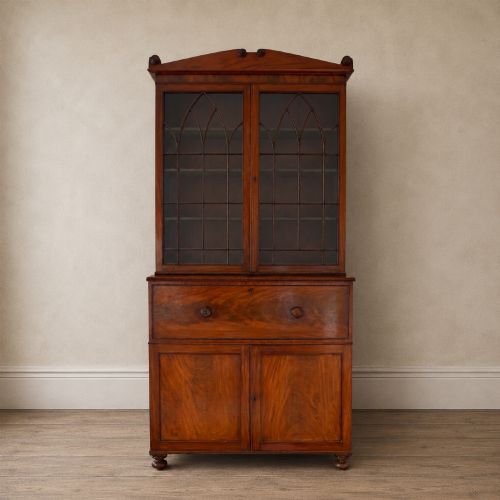
- A piece of furniture incorporating a drawer or compartment that pulls down or drops open to form a writing desk. It often disguises the writing function behind standard chest-of-drawers drawer fronts.
- Pigeonhole
- A small, open compartment within the fitted interior used for sorting letters and documents. These form the core of the bureau's internal organisation.
- Escritoire
- A writing cabinet or desk, often fitted with drawers and compartments behind a drop front or doors. The term frequently applies to continental or early eighteenth-century examples.
- Cylinder desk
- A desk featuring a quarter-circle rotating wooden cylinder that rolls back to reveal the writing surface and interior fittings. This mechanism encloses the workspace completely when shut.
Fitted Writing Bureau: Frequently Asked Questions
What is a fitted writing bureau?
A fitted writing bureau is a desk featuring a hinged flap or cylinder front that drops or rolls open to reveal a collection of small drawers and pigeonholes. It provides a concealed workspace that can be closed up to hide stationery when not in use.
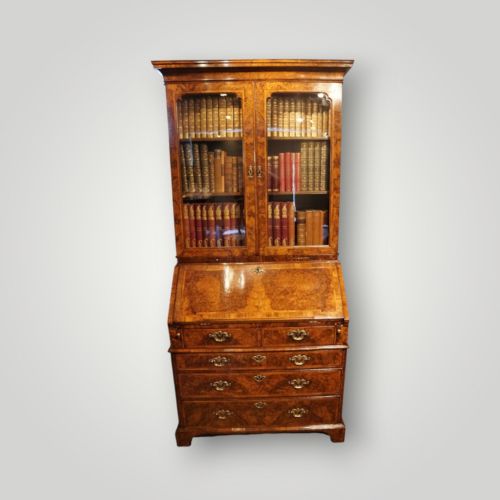
These pieces range from tall bureau bookcases with glass doors above to compact freestanding chests designed for domestic correspondence.
How do you date an antique bureau?
Dating relies on examining timber choices, construction methods, hardware and overall style characteristics. Eighteenth-century pieces often feature bracket feet and solid walnut or mahogany construction, while nineteenth-century versions frequently utilise plinth bases and different veneer cuts.
Internal drawer construction, such as hand-cut dovetails and secondary woods, provides further clues to the period of manufacture.
Where were bureaus placed in historic homes?
Bureaus were typically positioned in reception rooms, private parlours or bedrooms where correspondence and household accounts were managed. Their ability to shut away loose papers made them suitable for communal spaces.
Larger bureau bookcases often stood in libraries or studies to combine book storage with a working desk.