
Carved Wooden Writing Desk
A carved wooden writing desk offers a tangible connection to traditional craftsmanship, bringing character and practical workspace into a room through rich timber and detailed carving.
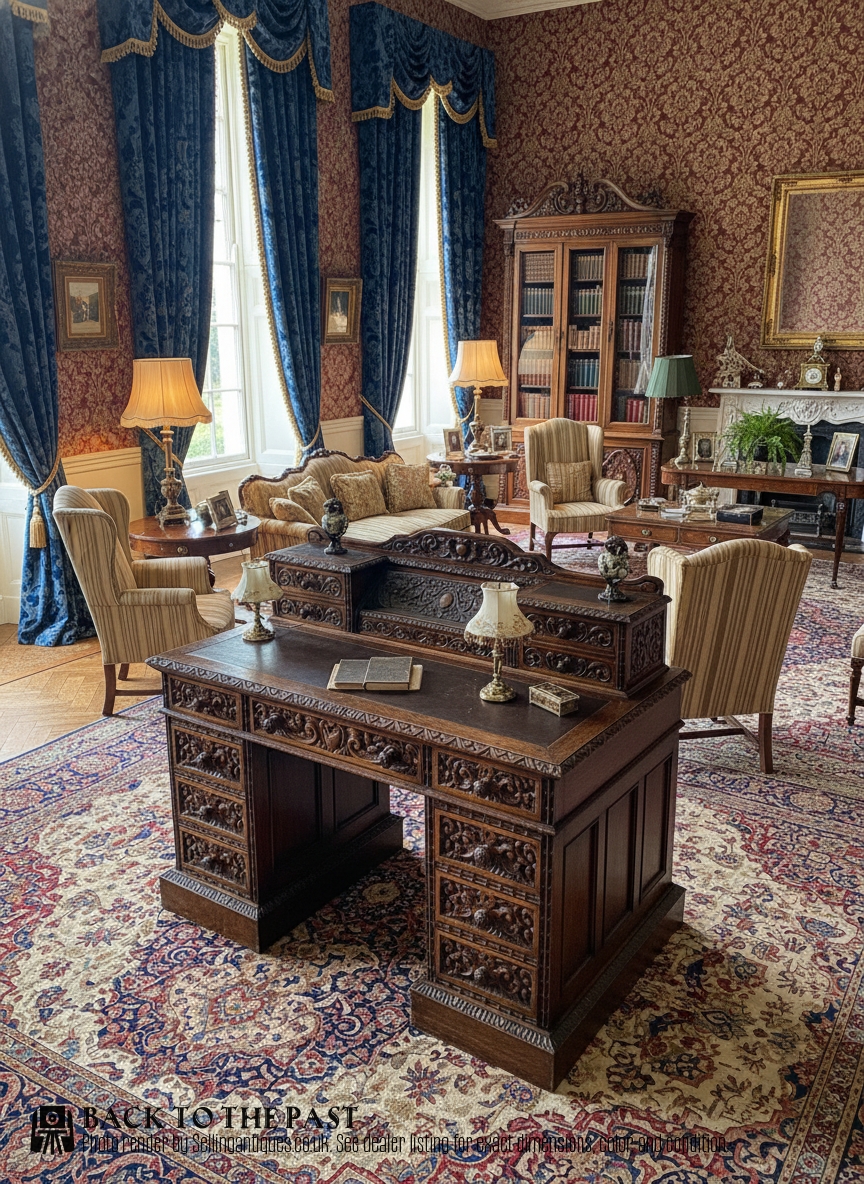
Carved Wooden Writing Desk
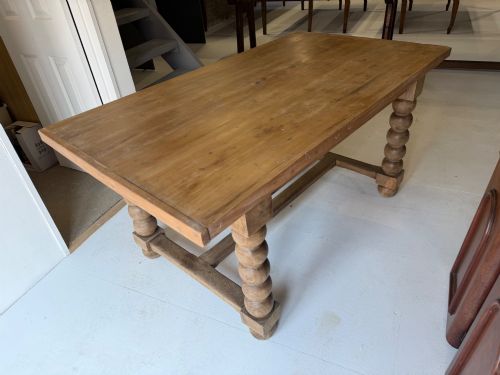
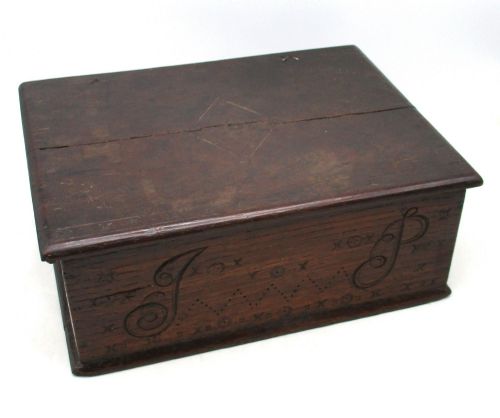
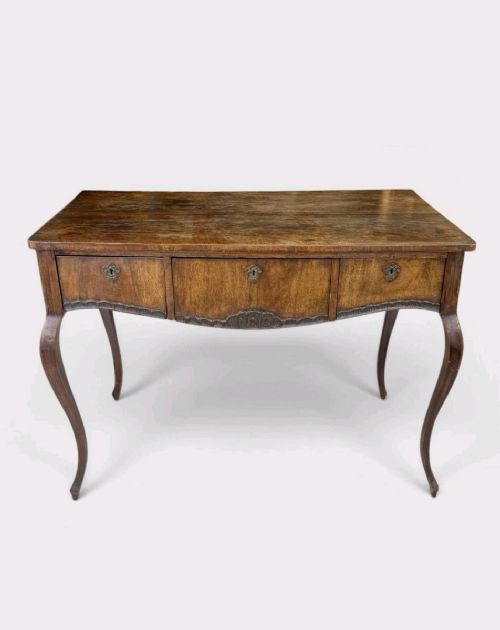
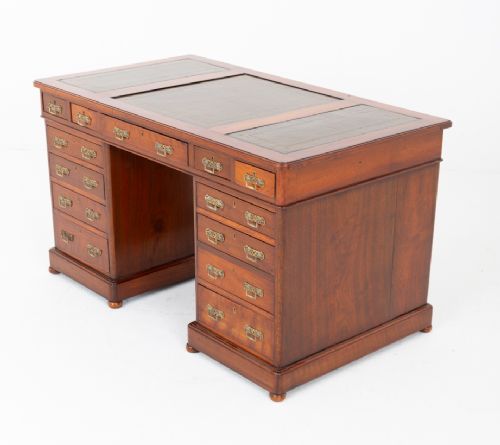
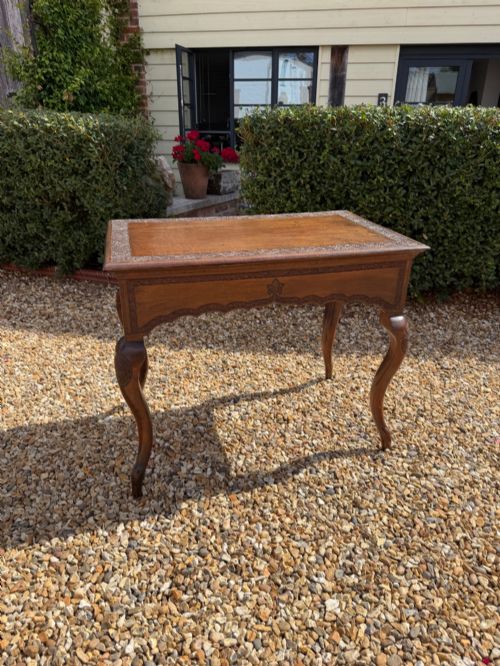
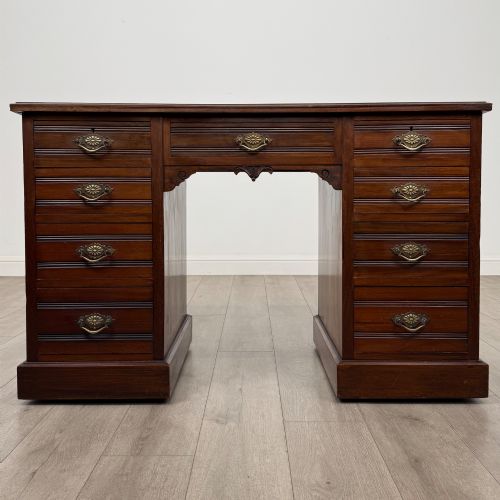
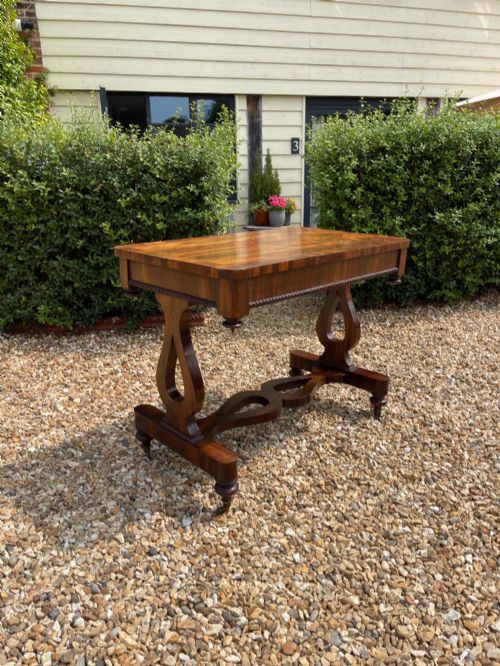
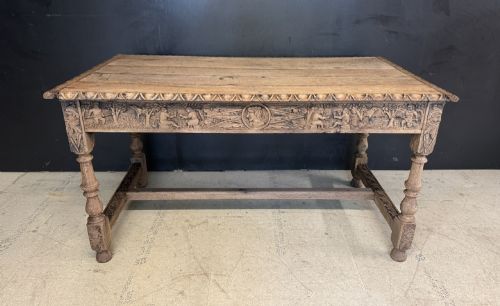
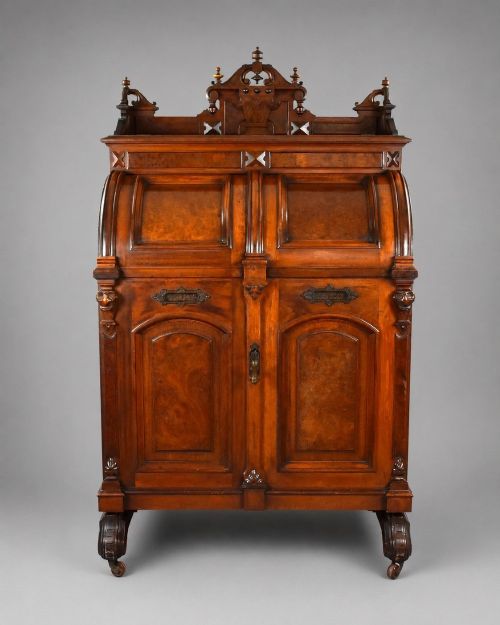
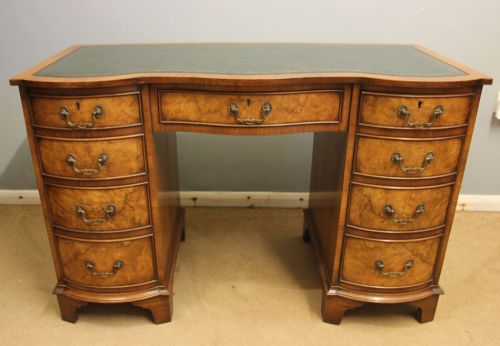
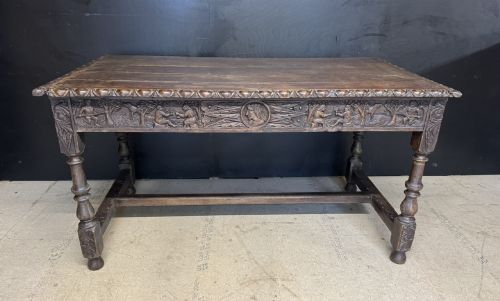
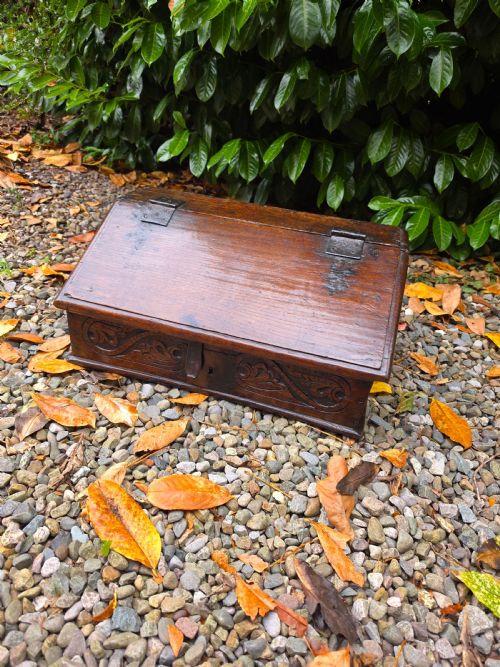
A carved wooden writing desk encompasses a diverse range of forms designed for correspondence and study, appearing primarily as pedestal desks, compact davenports, and hinged document boxes from various historical eras. Buyers seeking a carved wooden writing desk will encounter pieces ranging from seventeenth-century oak bible boxes to expansive Victorian pedestal tables and Edwardian walnut examples.
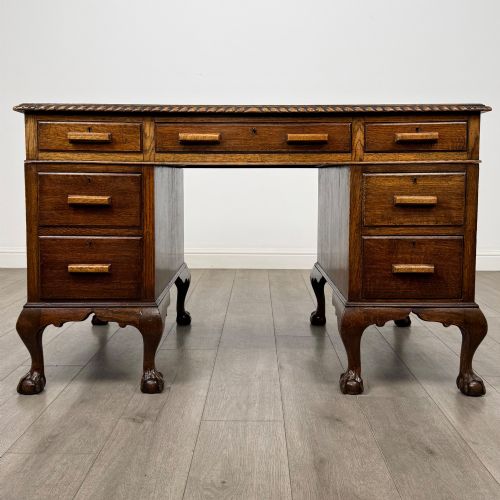
The selection reflects both British and continental traditions, incorporating styles from the Jacobean period through to the Chippendale revival and Aesthetic movement. Heavy oak and warm mahogany dominate the larger forms, while burl walnut and exotic timbers provide varied surface textures across writing tables and pedestal desks.
How they were made
Cabinetmakers utilised solid timbers such as oak, mahogany, and walnut, often applying burr walnut veneers to create striking grain patterns on writing surfaces and drawer fronts. Structural elements frequently incorporated secondary woods, whilst brass hardware, iron fittings, and tooled leather inserts provided functional and decorative contrast.
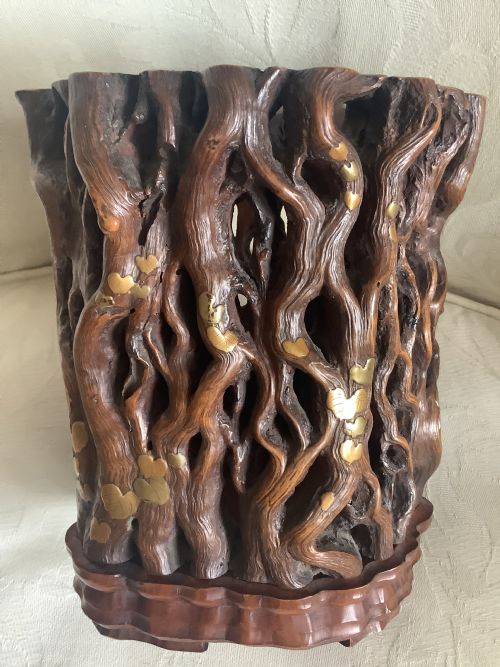
Joinery techniques relied upon traditional methods suited to the period, from early pegged mortise and tenon joints on seventeenth-century boxes to precise dovetailing on nineteenth-century desk drawers. Carved ornamentation was executed by hand, displaying relief motifs, bobbin turnings, and geometric panels that define the aesthetic of each style.
One exceptional listing includes a carved Black Forest owl inkwell keeping a watchful eye over the desktop.
What varies in quality
The degree of refinement in the hand-carved detail distinguishes standard utility pieces from exceptional workshop output, with crisp, deep relief work showing superior artisan skill. The selection of timber grain, particularly matched burr walnut or quarter-sawn oak, indicates the care taken during the initial material selection.
Structural integrity depends on the retention of original hardware, internal fittings such as secret drawers and document dividers, and stable timber movement over centuries of use. The integration of secondary materials like tooled leather writing surfaces and original brass pulls further separates simpler examples from finely appointed library and partners desks.
Maple & Co·James Mein of Kelso
The Carved Wooden Writing Desk Glossary
- Pedestal desk
- A large freestanding desk featuring two banks of drawers supporting a central writing surface. These forms often showcase substantial mahogany or oak construction.
- Davenport
- A compact writing desk featuring a sloping lid that lifts to reveal stationery storage, supported by a pedestal of drawers. They frequently incorporate burr walnut or maple timbers.
- Bible box
- A small, portable wooden chest with a sloped or flat lid, originally used for holding sacred texts and documents. Seventeenth-century examples in oak are particularly characteristic.
- Roll top desk
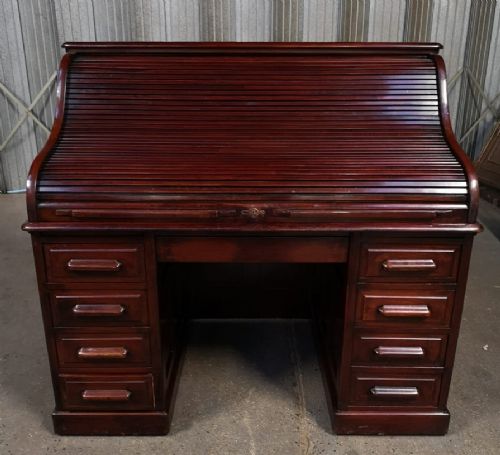
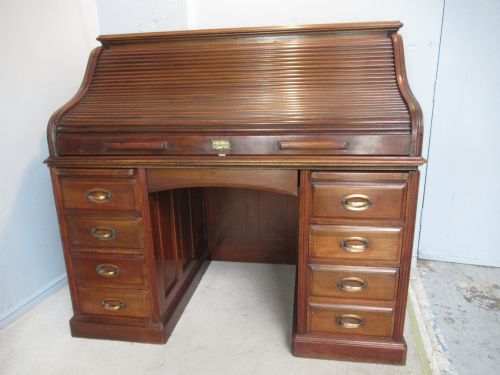
- A writing desk fitted with a flexible tambour shutter that pulls down to conceal the pigeonholes and writing surface. This mechanism allows the entire workspace to be secured.
- Partners desk
- A double-sided pedestal desk designed to accommodate two people working opposite one another. These large formats often feature drawers and cupboards on both faces.
Carved Wooden Writing Desk: Frequently Asked Questions
What is a davenport desk?
A davenport is a compact writing desk with a sloped, hinged top for writing and a set of drawers built into the side. They emerged in the nineteenth century as a space-saving solution for boudoirs and drawing rooms.
These pieces often feature fine wood veneers like burr walnut or mahogany, paired with internal compartments for stationery and small valuables.
How do I date an oak bible box?
Early oak bible boxes from the seventeenth century typically display hand-split boards, pegged joints, and simple iron butterfly hinges. Their construction is robust, designed to protect important documents and books.
Later reproductions and eighteenth-century examples often incorporate machine-sawn timber, different fastening methods, and varying styles of chip carving on the front panels.
Where should I place a roll top desk?
A roll top desk requires adequate floor space and clearance to allow the tambour shutter to slide open smoothly. Because they are finished on multiple sides in many instances, they can sit away from a wall as a focal point.
Ensure the timber is kept away from direct heat sources and strong sunlight to prevent the sliding mechanism and veneers from drying out or warping.
How do I care for antique leather desk inserts?
Leather desk inserts benefit from gentle cleaning with a slightly damp cloth followed by a specialised leather dressing to maintain flexibility. Avoid using harsh chemical cleaners or excess water that might stain the surrounding wood.
Keeping the leather conditioned prevents it from cracking, preserving the traditional gold-tooled border that frequently accompanies antique writing surfaces.