
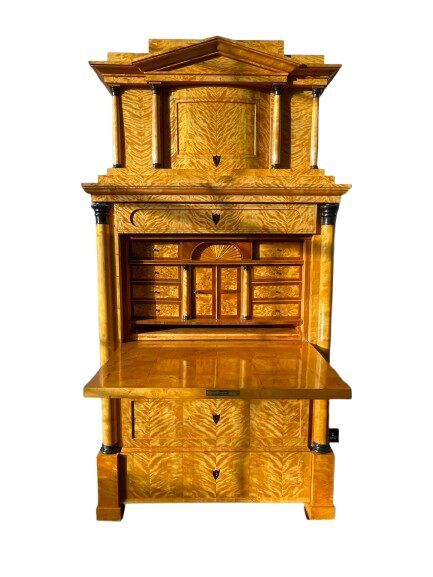
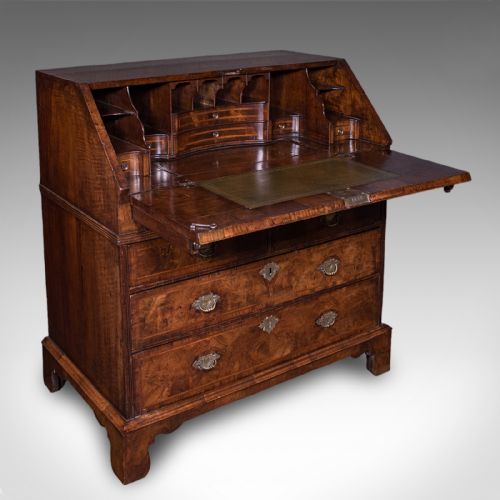
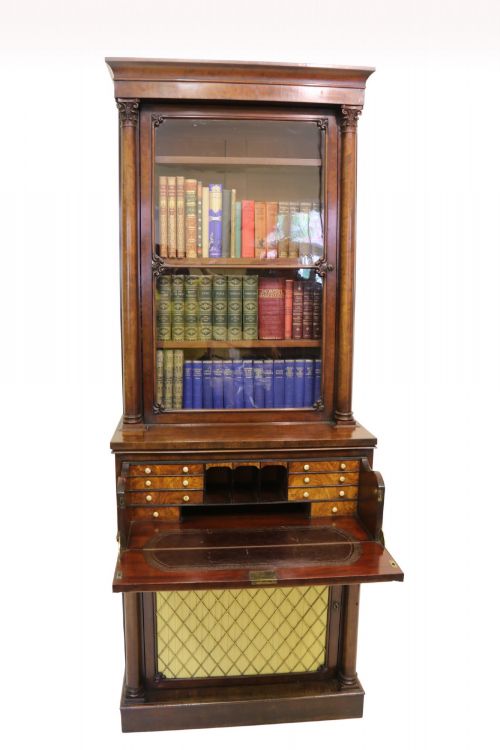
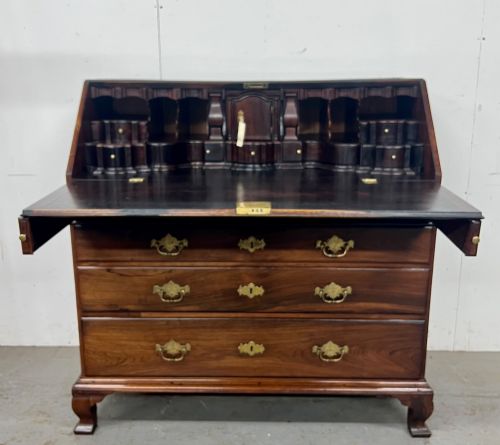
Fitted Interior Bureau
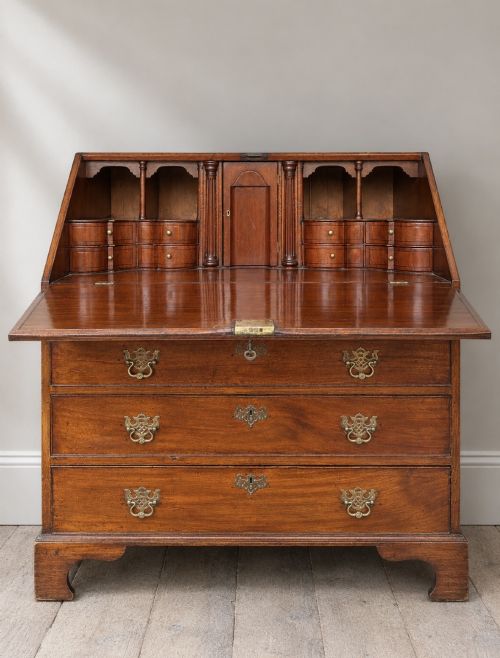
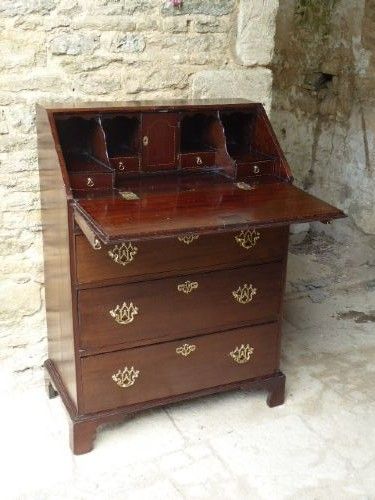
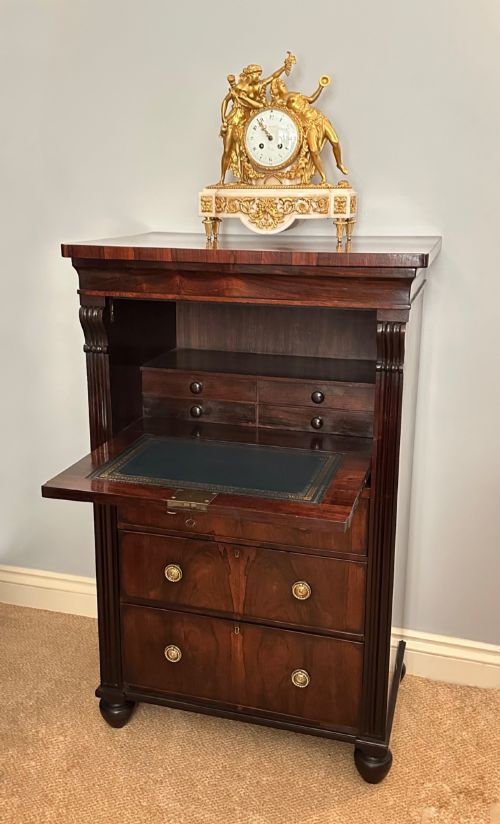
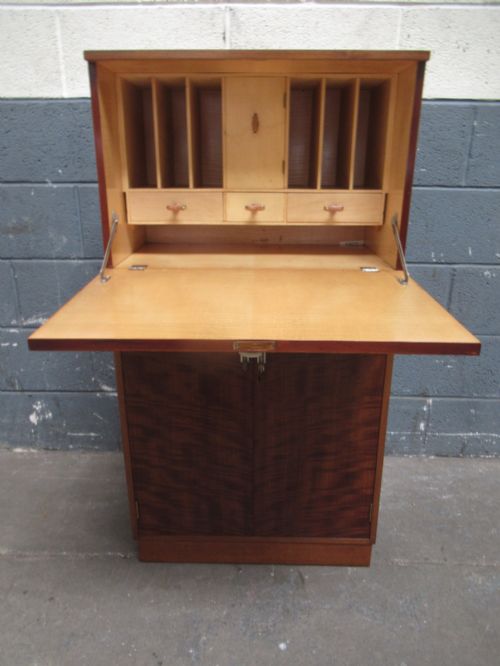
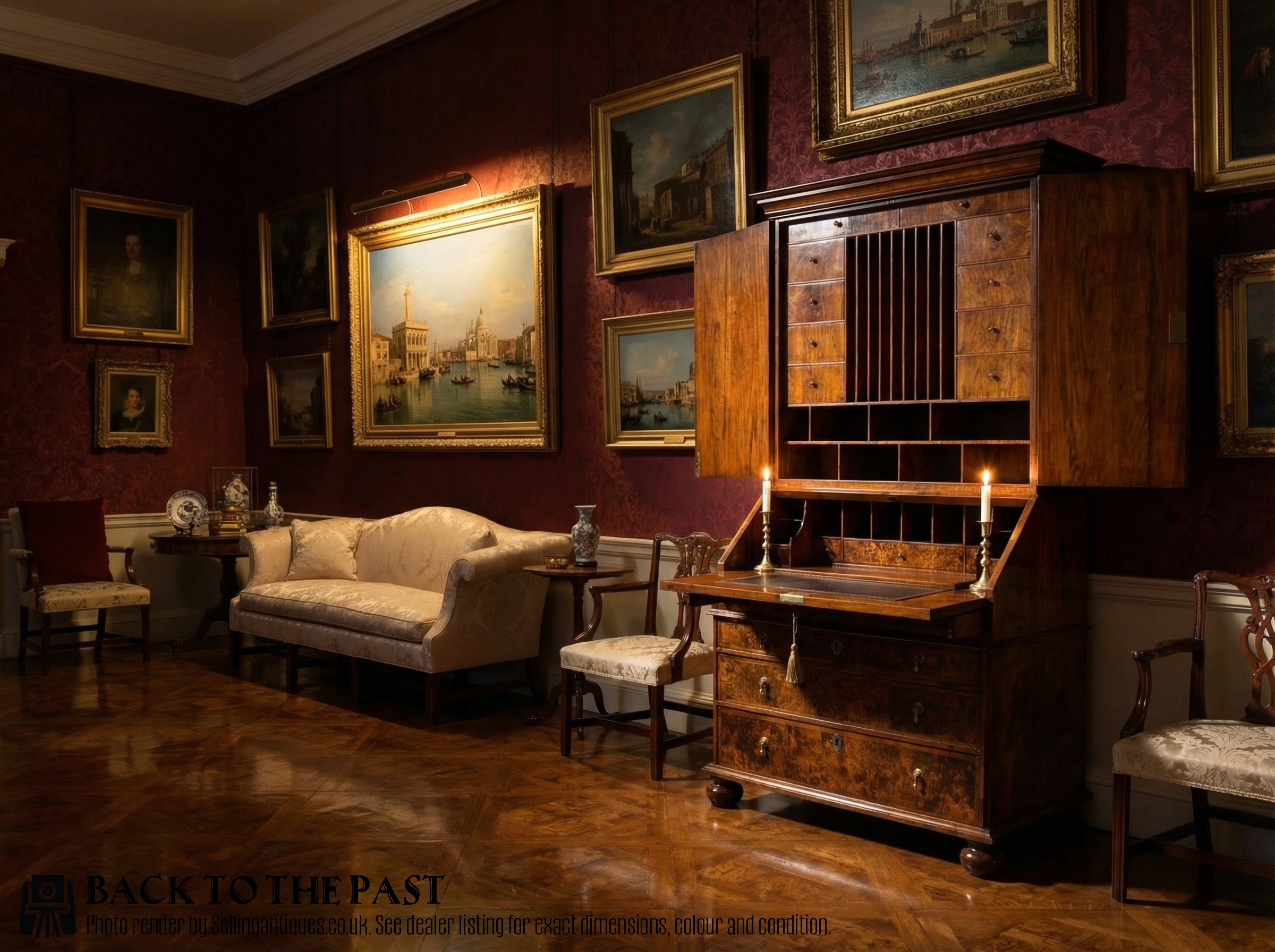
A fitted interior bureau provides a dedicated writing space containing small drawers and pigeonholes hidden behind a fall-front flap.

Fitted Interior Bureau
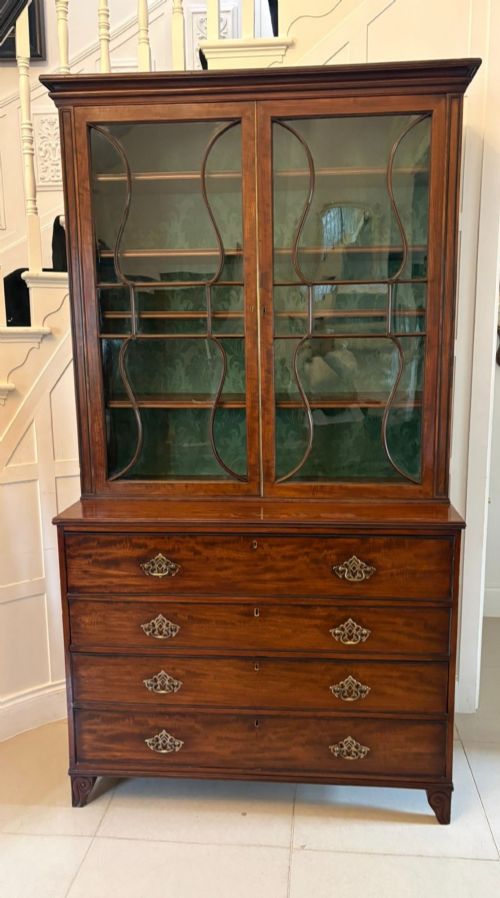
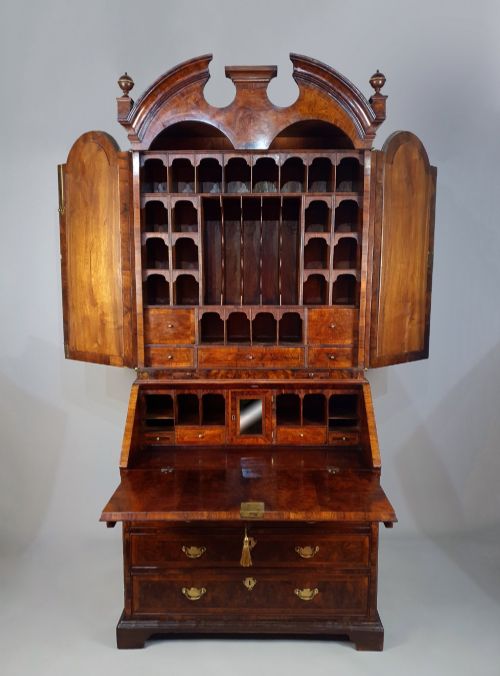
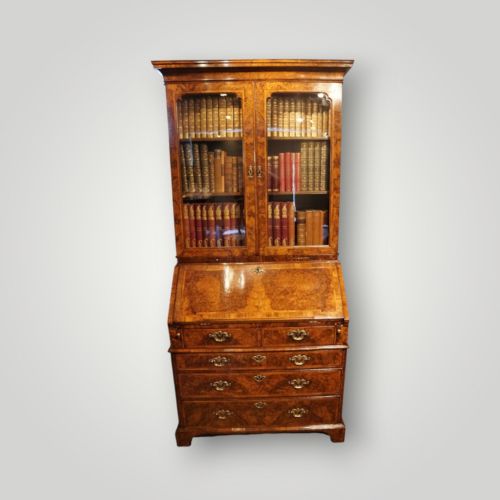
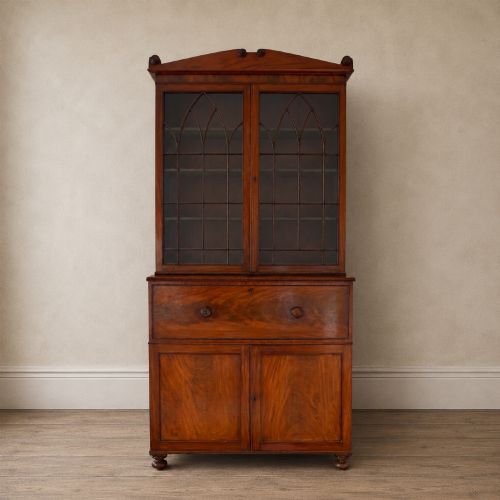
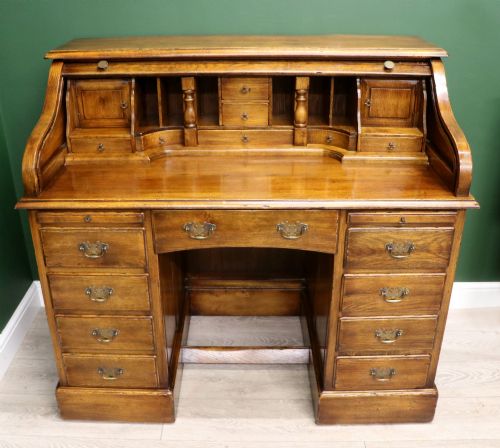
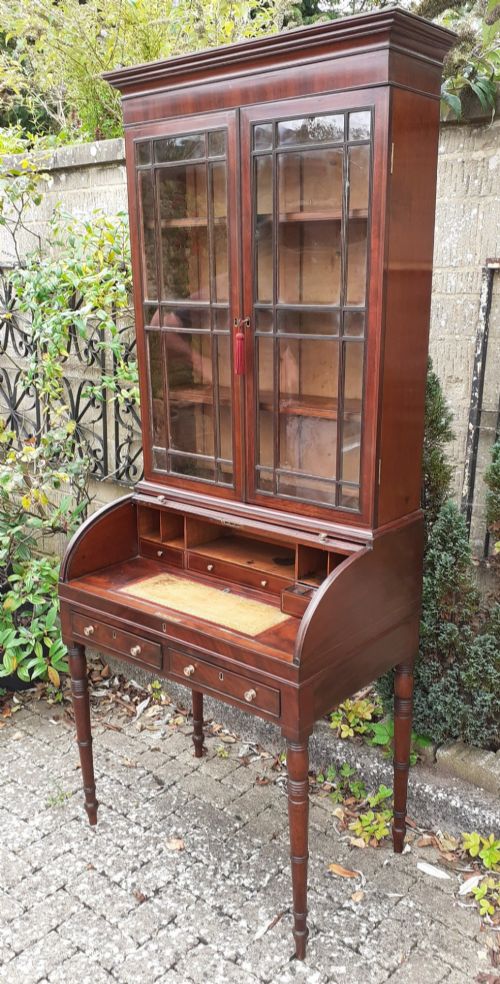
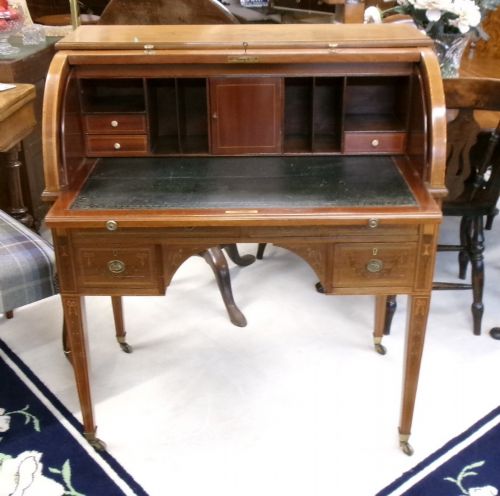
When you examine a fitted interior bureau, you are looking at a wooden writing cabinet designed with a hinged writing flap that drops forward to reveal a complex arrangement of miniature drawers, pigeonholes, and small compartments. These pieces range from compact 18th-century examples in oak or walnut to taller bureau bookcases topped with glazed doors and larger 19th-century secretaire cabinets.
On this page, you will most frequently encounter Georgian and 18th-century pieces constructed from mahogany or oak, alongside later Edwardian and Victorian iterations. The forms vary from simple fall-front desks with bracket feet to grander three-section cabinet pieces incorporating candle slides and glazed shelving.
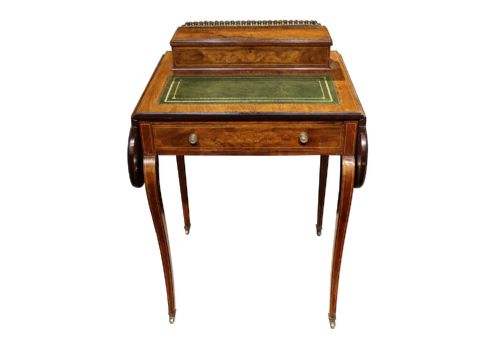
The internal compartments distinguish these desks from ordinary writing tables, offering secure storage for correspondence and documents. Buyers seek them out for both their traditional craftsmanship and their practical utility as functional home workspace furniture.
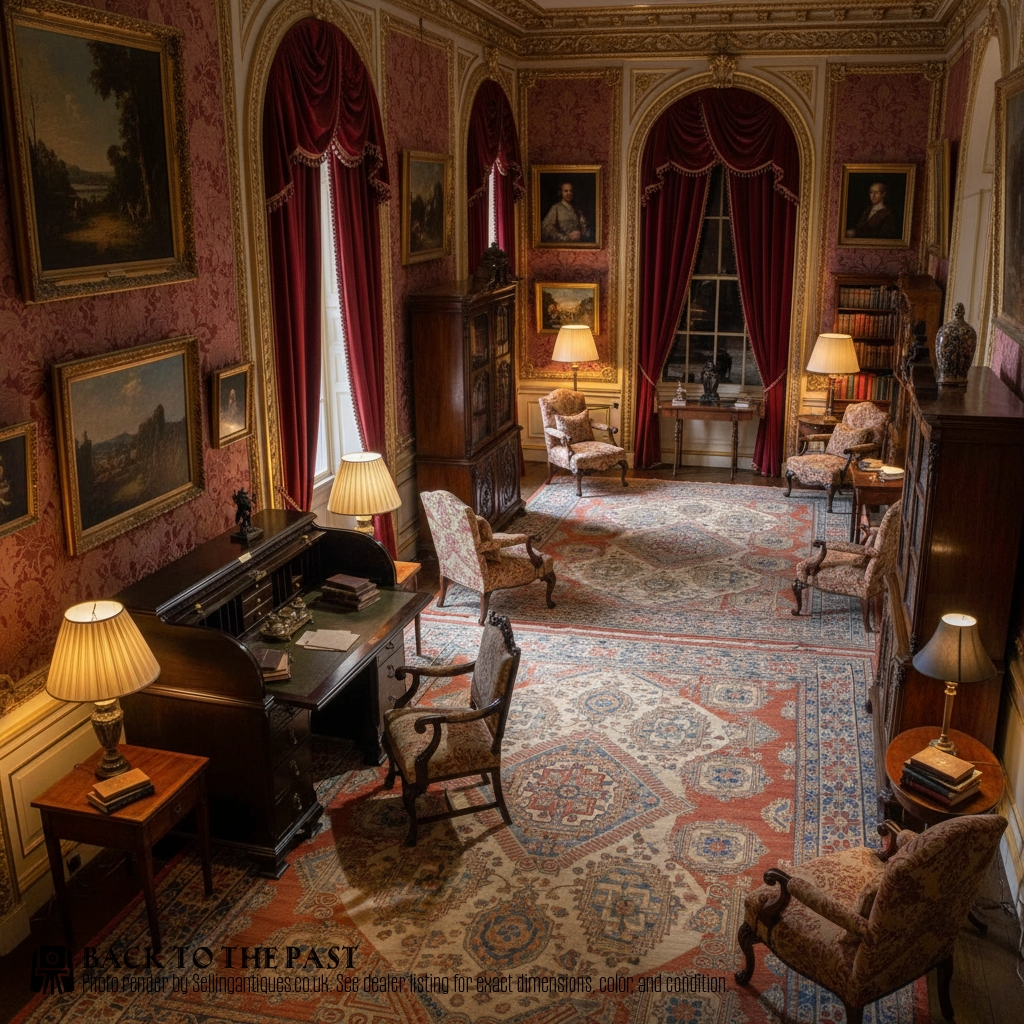
How they were made
Construction techniques relied on dovetailed drawer joints, panelled construction for fall-fronts, and internal partitions built by hand to create tiny drawers and secret compartments. Brass handles, escutcheons, and hinges provided functional and decorative hardware across the periods.
Decoration involved crossbanding, inlay, and carving, particularly in Georgian and Edwardian examples where contrasting timbers highlighted the writing compartment and exterior facade.
Fitted Interior Bureau Retail Price Guide 2026
Typical asking prices for fitted interior bureau among the pieces listed under this phrase on Sellingantiques today, from the lower quarter to the upper quarter. They describe what is for sale here now, not the wider market.
Listings feature walnut, mahogany, oak, and rosewood examples spanning the Queen Anne period through to Art Deco designs.
What varies in quality
The sophistication of the internal compartment marks the primary division between standard and superior pieces, with top-tier examples featuring intricate secret drawers, sliding wells, and multiple pigeonholes. The choice of primary timber also dictates quality, with figured mahogany, burr walnut, and Brazilian rosewood commanding greater attention than plain secondary woods.
Cabinetmaking precision determines the durability of the piece, visible in the tightness of the dovetails, the smooth action of the fall-front hinges, and the structural integrity of the internal pigeonholes. Original brass hardware and undisturbed timber patination further elevate an example above later alterations or heavy restorations.
Tudor & Burrey Shrewsbury·Gillows of Lancaster·Boston Chair Company of Massachusetts
The Fitted Interior Bureau Glossary
- Bureau
- A writing desk with a sloping fall-front flap that opens to reveal a fitted interior. It often incorporates multiple storage drawers beneath the writing surface.
- Secretaire
- A cabinet or bookcase incorporating a pull-out or drop-front writing drawer with a fitted interior. This term often appears on larger architectural pieces with upper shelving.
- Fall-front
- The hinged writing flap of a desk that drops down into a horizontal position for writing. It conceals the pigeonholes and small drawers when closed.
- Pigeonhole
- A small, open compartment within a desk interior used for sorting letters and papers. These compartments form a key part of the fitted arrangement.
- Candle slide
- A pull-out wooden board mounted beneath the upper bookcase doors to hold a candle for illumination. They are typically found on early 18th-century bureau bookcases.
Fitted Interior Bureau: Frequently Asked Questions
What is a fitted interior bureau?
A fitted interior bureau is a traditional desk featuring a hinged writing flap that opens to display a collection of small drawers and pigeonholes.
These pieces were designed for correspondence and paperwork, keeping documents organised within hidden compartments behind the main writing surface.
How do I use a bureau desk?
You lower the sloping fall-front flap to create a flat writing surface supported by wooden arms or brackets. The internal drawers and slots remain within easy reach for stationery storage.
When you finish writing, you simply return your papers to the interior compartments and lift the flap upward to conceal the workspace.
How do I date an antique bureau?
You can determine the period by examining the secondary woods, handle hardware, construction methods, and overall furniture style. For instance, bracket feet and oak-lined drawers often point toward the Georgian era, while lighter inlays suggest Edwardian work.
Cabinetry details change across decades, allowing collectors to distinguish between early 18th-century walnut pieces and later 19th-century mahogany variations.
Where should I place a bureau in my home?
A bureau fits well in a study, living room, or hallway where its compact footprint provides a practical workspace without dominating the room. Because the back is often finished plainly, these desks typically sit flush against a wall.
The enclosed storage allows you to leave paperwork out of sight when not in use, keeping living areas tidy.