

First Period Worcester Ceramic
These eighteenth-century pieces of first period worcester ceramic represent the pinnacle of English soft-paste porcelain manufacture, prized for their delicate hand-painted motifs and rich underglaze blue grounds.
First Period Worcester Ceramic
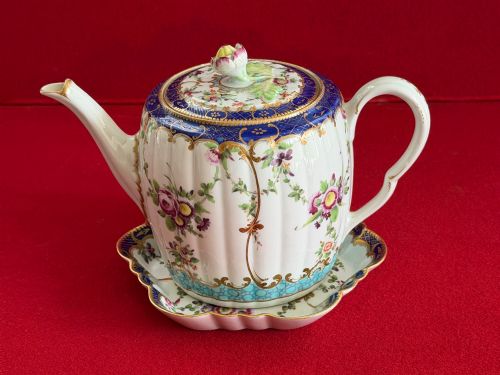
A first period worcester ceramic object embodies the domestic luxury of the Georgian era, ranging from functional tableware to decorative display pieces. Buyers searching this phrase encounter an array of eighteenth-century forms designed for tea and dining services.
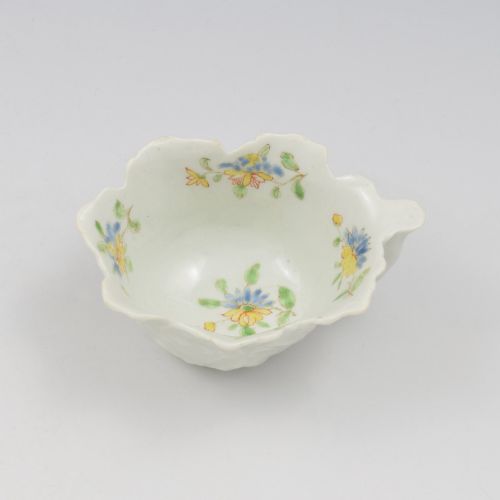
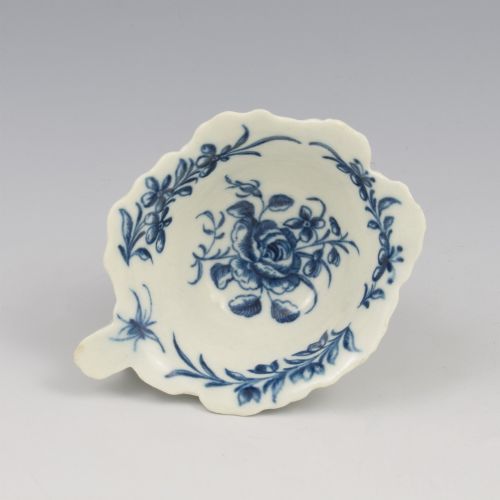
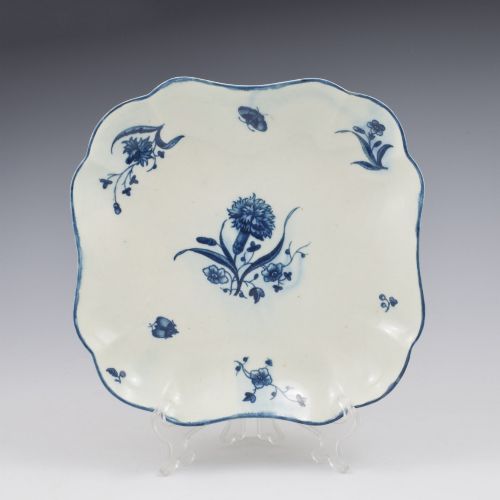
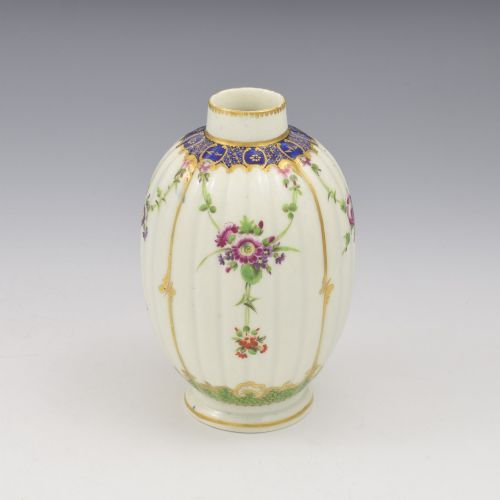
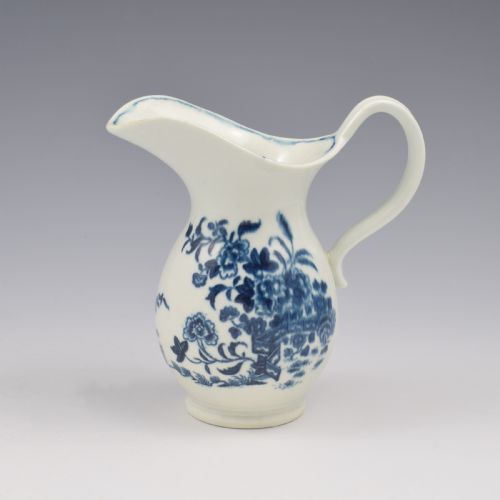
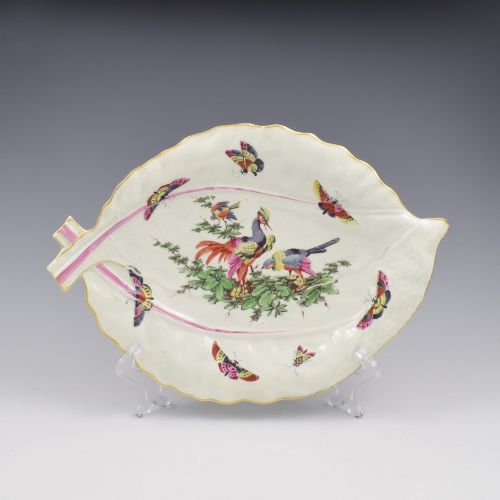
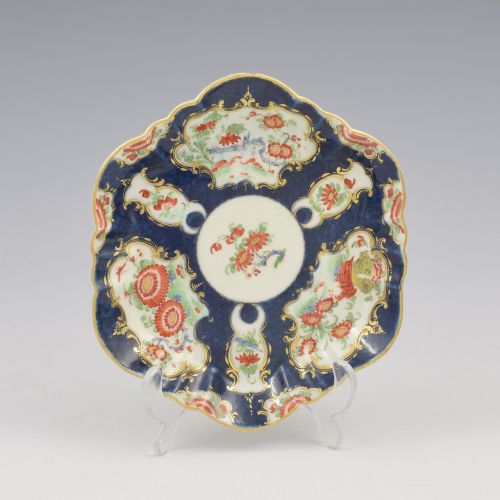
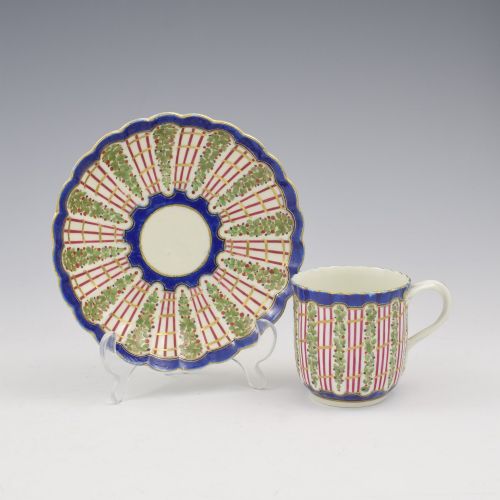
The selection commonly includes teapots, saucers, and coffee cups, alongside specialised vessels such as sauce boats, pickle leaf dishes, and chestnut baskets. These items showcase the early factory's mastery over both utilitarian and ornamental domestic ceramics.
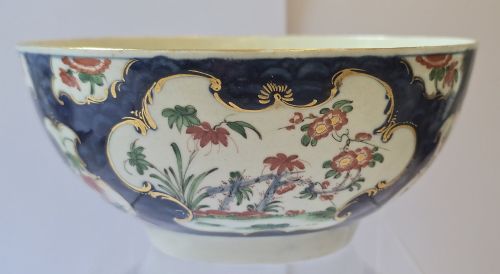
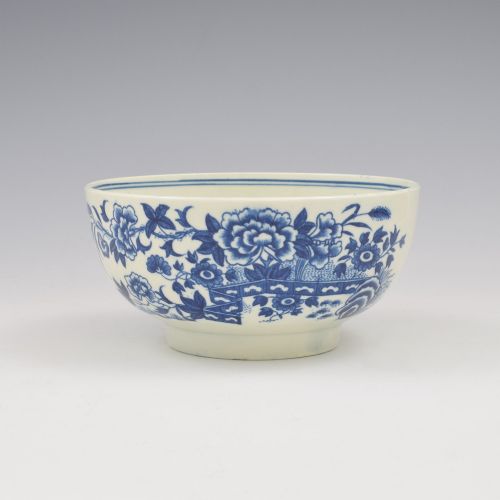
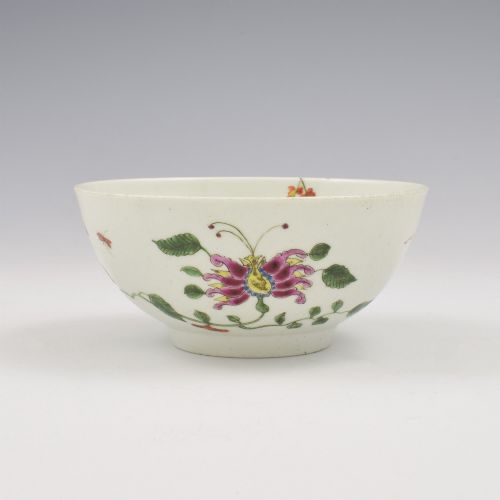
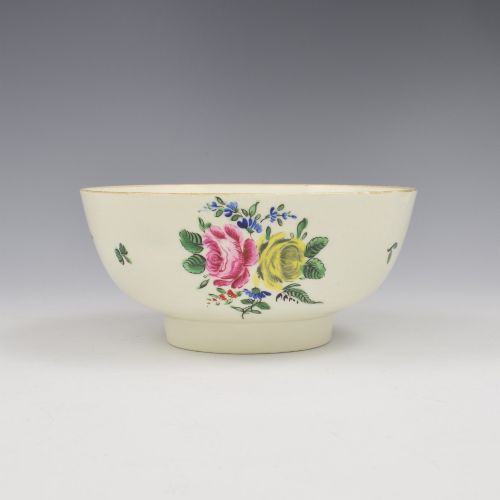
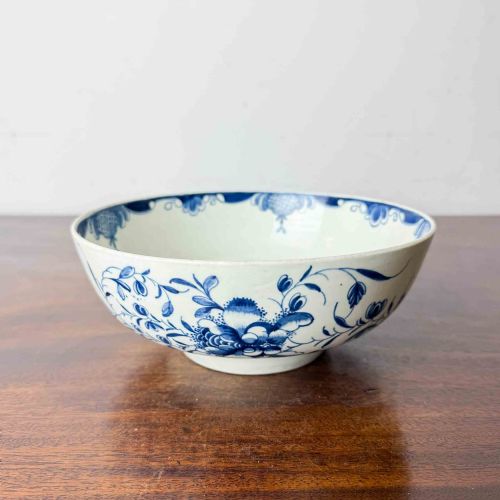
Originating from the Georgian period around seventeen-fifty onwards, these wares reflect the period's fascination with oriental aesthetics and European botanical illustration. Most examples present either delicate blue and white transfer printing or careful hand-painted polychrome decoration.
Materials and Technique
Makers utilised soft-paste porcelain, a vitreous composition requiring lower firing temperatures than hard paste, which yielded a warm body and characteristic creamy translucency. Potters applied cobalt glaze beneath the surface before firing to achieve deep blue tones, or painted enamel designs over the glaze.
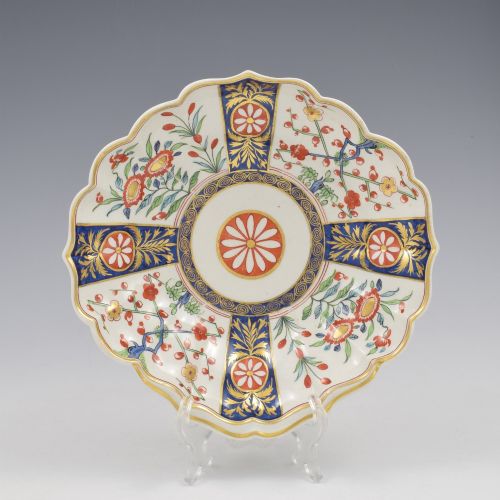
Gilding with gold leaf highlighted moulded details on finer wares, while intricate patterns incorporated chinoiserie motifs and botanical studies. Artisans shaped vessels using a combination of throwing on the wheel, pressing into moulds for leaf dishes and baskets, and hand-modelling decorative elements.
First Period Worcester Ceramic Retail Price Guide 2026
Typical asking prices for first period worcester ceramic among the pieces listed under this phrase on Sellingantiques today, from the lower quarter to the upper quarter. They describe what is for sale here now, not the wider market.
Tea canisters of this period often feature whimsical painted insects designed to distract the eye from minor firing freckles in the glaze.
Assessing the Standard
Excellence in first period worcester ceramic rests upon the crispness of the moulding and the clarity of the painted or printed design. Superior pieces display steady brushwork and vibrant enamel colours without smudging in the cobalt glaze.
Dr Wall
The First Period Worcester Ceramic Glossary
- Soft-paste porcelain
- A ceramic composition made from white clay, frit, and glass that produces a warm, translucent body fired at lower temperatures than true hard-paste porcelain.
- Cobalt glaze
- An intense blue metallic oxide applied under the transparent glaze to create deep, permanent decorative effects during high-temperature firing.
- Chinoiserie
- A European artistic style reflecting Chinese and East Asian motifs, frequently hand-painted onto eighteenth-century tea wares and tableware.
- Enamel
- Opaque coloured glass fused to the ceramic surface in a muffle kiln to provide polychrome decoration over the primary glaze.
- Sauce boat
- A moulded vessel featuring a spouted lip and handle, commonly produced during the Georgian period for table service.
First Period Worcester Ceramic: Frequently Asked Questions
How do I identify a Dr Wall piece?
Look for the characteristic crescent mark, disguised numerals, or square fret marks painted in underglaze blue on the base. These early pieces often display fine soft-paste bodies and period-specific motifs.
Examination of the glaze under magnification reveals the soft, slightly undulating surface typical of eighteenth-century Worcester production before later nineteenth-century revivals.
What is Chinese taste decoration?
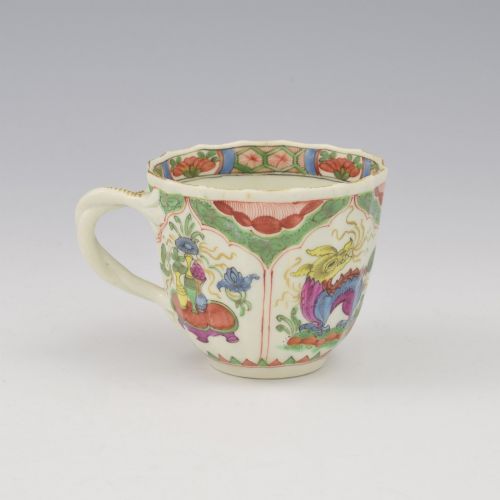
This term describes eighteenth-century European ceramic designs directly copied from or inspired by imported Chinese porcelain figures and landscapes. Artisans painted pavilions, mandarins, and exotic flora onto tea bowls and coffee cups.
The style reflects the intense Georgian fascination with oriental trade goods and forms a major category within early factory output.
How were pickle leaf dishes used?
Pickle leaf dishes served small appetisers, relishes, or pickles during formal eighteenth-century dining and dessert courses. Their moulded leaf shapes imitated natural foliage such as vine or cabbage leaves.
Today these small dishes function well as decorative cabinet pieces or as small receptacles for jewellery on a dressing table.
Can I use these antiques daily?
These fragile soft-paste porcelain pieces require gentle handling and hand washing rather than modern dishwasher use. Thermal shock from hot liquids can stress eighteenth-century bodies.
Displaying them in cabinet settings or utilising them with care during special occasions preserves their delicate enamel and gilt decoration for the future.