
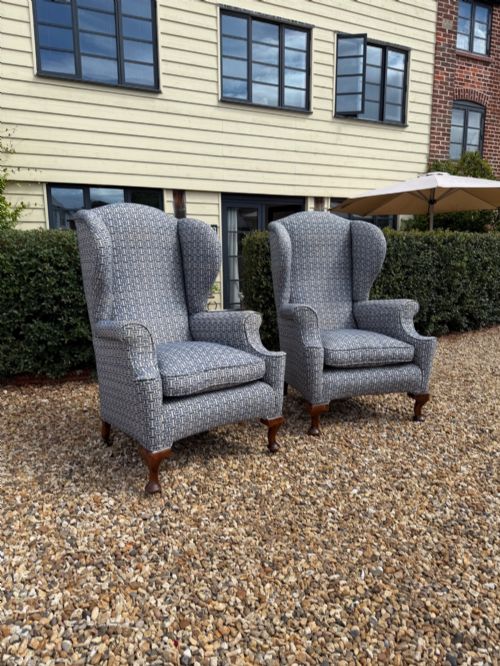
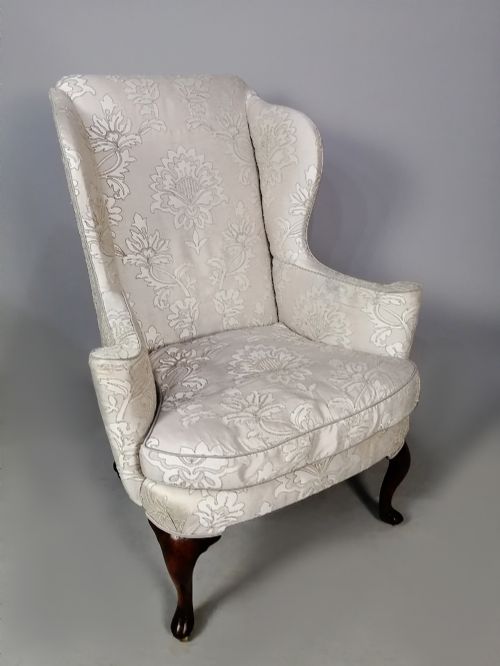
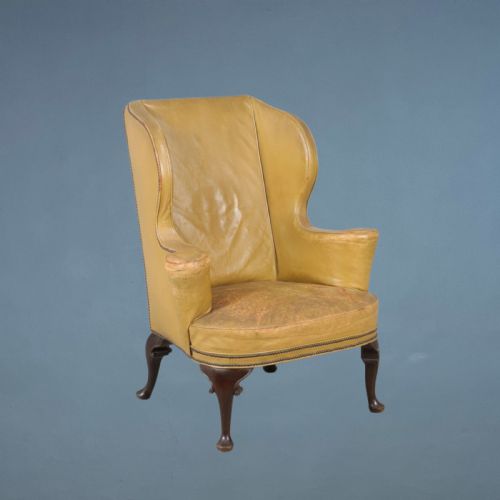
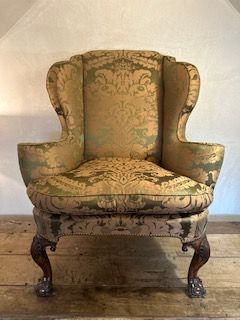
Fireside Wingback Armchair
A fireside wingback armchair wraps you in high sides designed to trap the heat of the hearth and block winter draughts.
Fireside Wingback Armchair
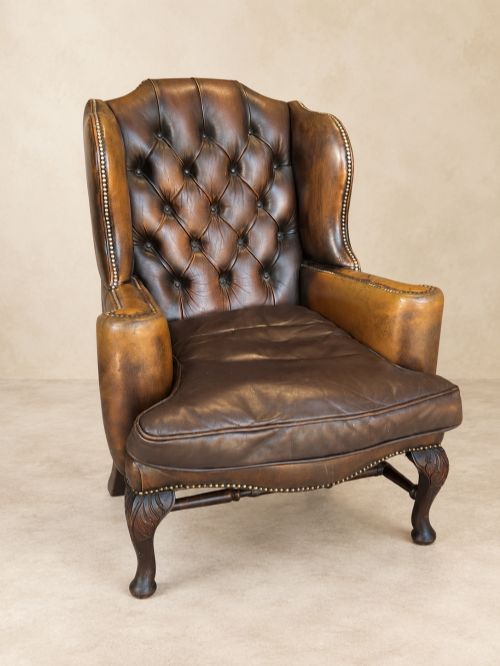
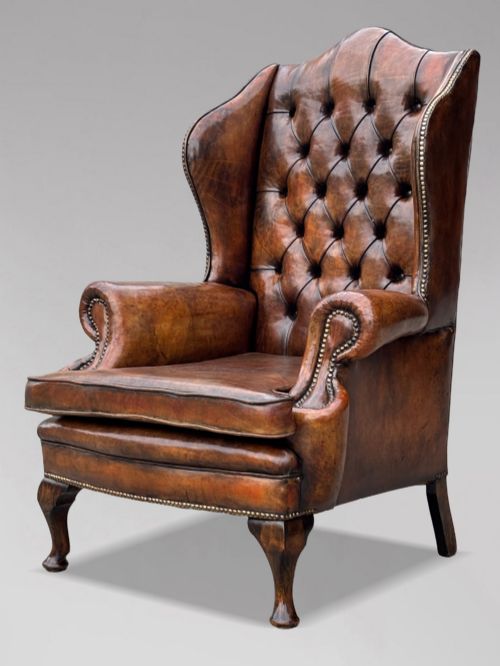
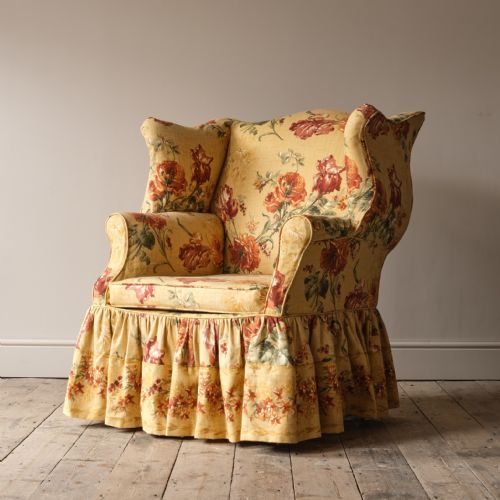
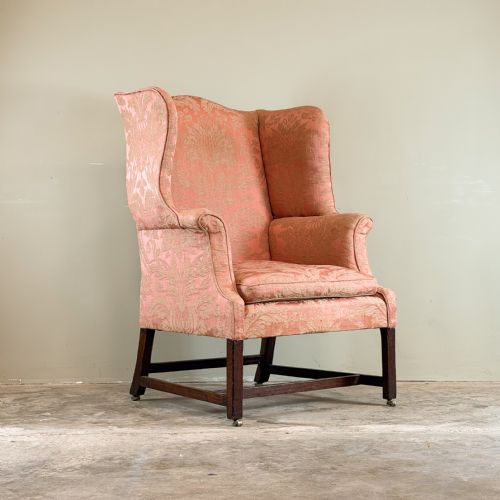
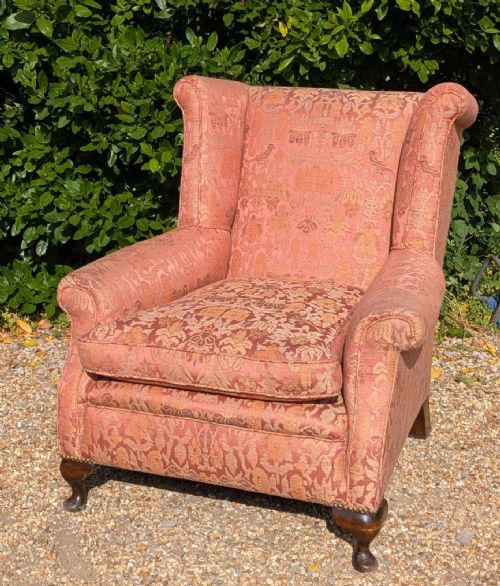
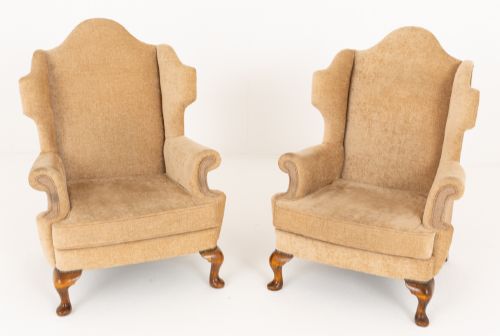
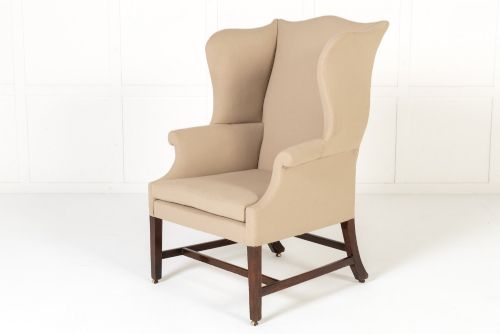
A fireside wingback armchair combines a high, protective back with characteristic side panels, or wings, originally engineered to shield the sitter from chimney drafts while absorbing radiant warmth. These substantial seats appear across domestic spaces from the Georgian period through the Victorian era and into the twentieth century, with revival styles running alongside genuine period pieces.
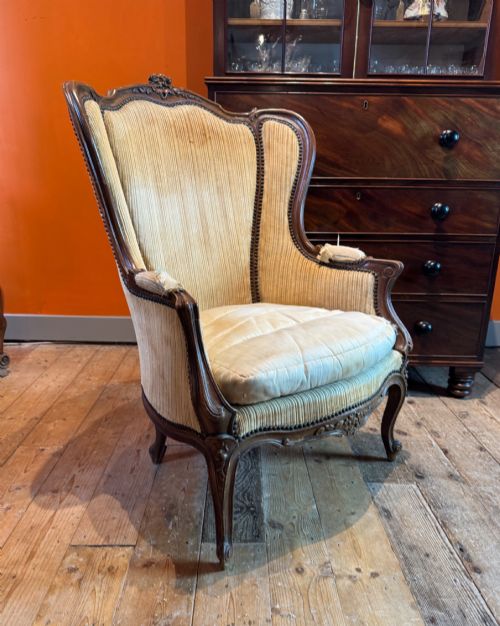
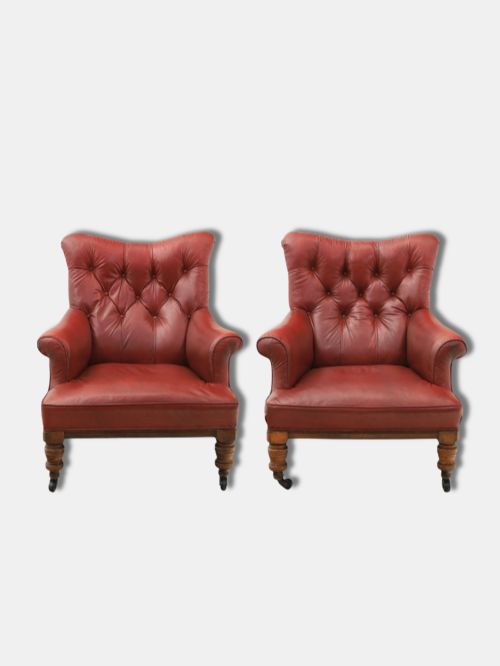
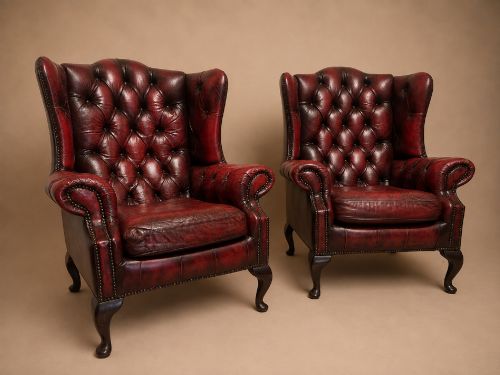
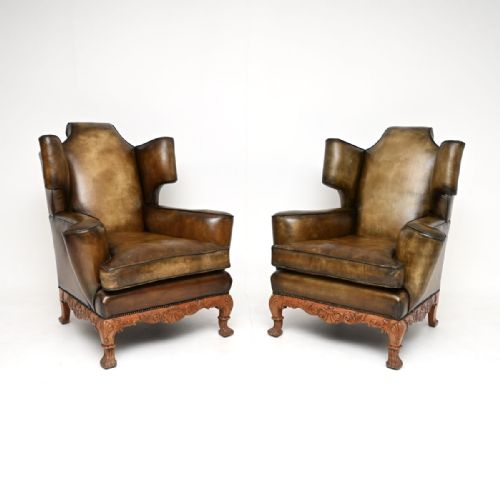
The silhouettes on this page range from walnut and mahogany framed chairs with scrolling arms to robust leather versions finished with deep buttoning. Buyers encounter both early vernacular forms, such as oak lambing chairs, and later Edwardian or art deco interpretations designed for deep, upholstered comfort by the grate.
Materials and construction
Frames rely on sturdy timbers such as mahogany, walnut, and oak, providing the structural skeleton necessary to support deep upholstery and heavy use. Joinery techniques from earlier periods often employ pegged joints, while later examples utilise reinforced corner blocks to maintain rigidity.
Surface treatments and coverings span traditional hide and leather, alongside textile upholstery including velvet, wool plaid, chenille twill, and patterned fabric. Traditional padding methods often incorporate durable stuffing materials finished with hand-tacked webbing and brass studding.
Listings feature timbers like mahogany, walnut, and oak alongside upholstery in leather, velvet, wool, and plaid.
Qualities of distinction
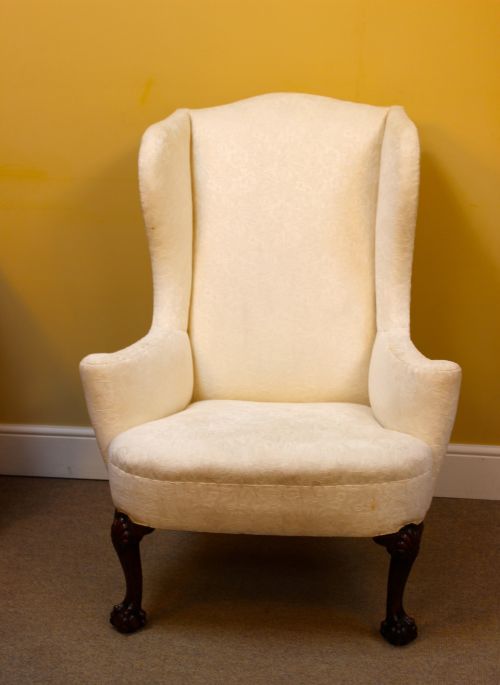
Proportion and scale dictate the visual weight of the piece, with finer examples displaying a balanced sweep to the wings and harmonious curves to the cabriole legs. The integrity of the underlying timber frame determines longevity, as alterations or weakened joints alter the original stance of the chair.
The quality of the surface finish, whether patinated leather with natural wear or crisp upholstery detailing, separates standard utilitarian seating from pieces demonstrating finer craftsmanship and period character.
Parker Knoll
The Fireside Wingback Armchair Glossary
- Wingback
- An upholstered chair featuring projecting side panels attached to the arms or back to deflect draughts. These wings evolved to protect the sitter's head and face from intense hearth fires.
- Cabriole leg
- A furniture leg that curves out in a convex arc and tapers inward in a concave arc, ending in a pad or claw foot. This form draws inspiration from animal limbs and frequently appears on eighteenth-century seating.
- Buttoning
- Upholstery technique where deep indentations are secured with twine tied through to the frame, creating a padded diamond pattern. This method provides structural tension and visual texture, particularly on leather surfaces.
- Lambing chair
- An early vernacular wooden chair featuring a high solid back and integrated wings, traditionally used by shepherds during lambing season. These pieces offer rustic construction built entirely from native timbers.
- Oxblood rexine
- A heavy-duty, coated fabric substitute designed to imitate the appearance and texture of polished leather. This durable material gained popularity on mid-century and retro office or library seating.
Fireside Wingback Armchair: Frequently Asked Questions
What is a fireside wingback armchair?
A fireside wingback armchair is a classic seat featuring a high back and protective side panels designed to keep the sitter warm. These chairs have remained a staple of interior seating for centuries.
The defining characteristic is the pair of wings flanking the headrest, which historically trapped heat from an open fire and blocked chilly room drafts.
How do I spot a Georgian wing chair?
Georgian wing chairs typically display elegant wooden cabriole legs, finely proportioned wings, and traditional stretcher bases. The woodwork often utilises rich mahogany or walnut.
Earlier eighteenth-century examples lean toward restrained, graceful lines, while later revivals tend to exaggerate the curves and overall scale of the frame.
Are leather wing armchairs antique?
Leather wing armchairs span multiple centuries, with genuine period examples dating back to the Georgian and Victorian eras. Many survive with deep buttoning and rich patination.
Later twentieth-century reproductions and vintage iterations also appear frequently, often retaining similar traditional silhouettes and robust hide coverings.
How do I style a wingback chair?
A wingback chair anchors a room when placed near a fireplace, reading nook, or as an accent piece in a drawing room. Its tall profile adds vertical interest to an interior layout.
Pairing the chair with a low footstool or placing it beside a timber side table creates a balanced, functional corner for daily relaxation.