
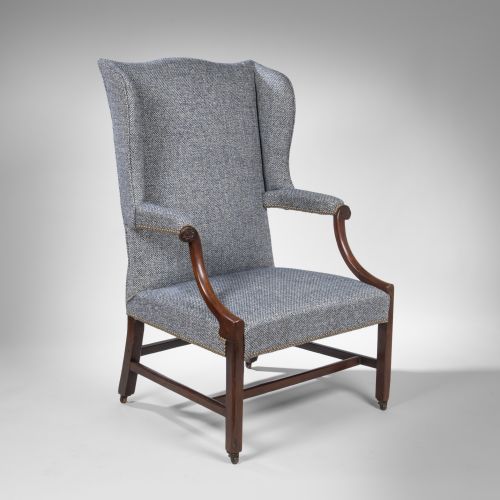


Chippendale Wingback Chair
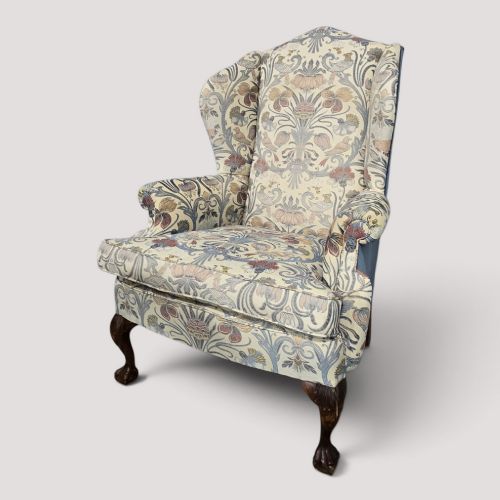
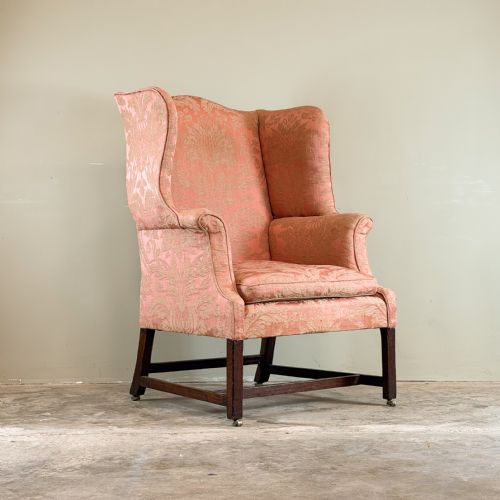
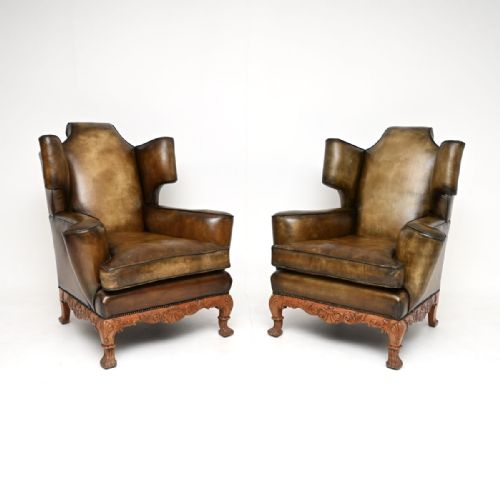
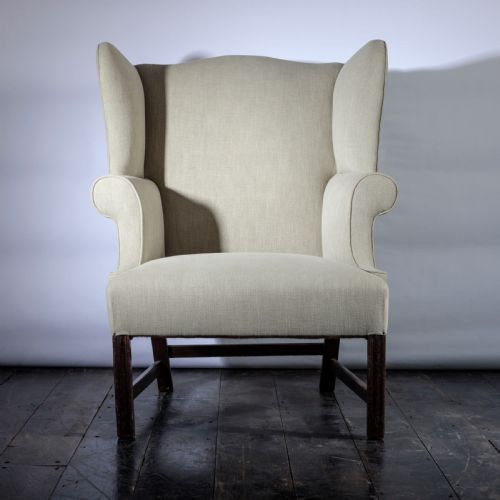
A chippendale wingback chair brings substantial mahogany frames and deep upholstered comfort into a room, offering both period presence and practical seating.
Chippendale Wingback Chair
When you search for a chippendale wingback chair, you encounter substantial seating designed to protect against draughts while adding formal elegance to a room. These armchairs appear across several periods, including the eighteenth century and later revival phases.
You meet pieces fashioned in distinct regional manners, such as the Irish manner, alongside straightforward georgian and revival interpretations. Most examples feature generous proportions and upholstered wings designed to enclose the sitter.
The form spans centuries of cabinetmaking, moving from authentic eighteenth century originals to nineteenth century library chairs and twentieth century revival pieces. Each iteration maintains the characteristic high back and protective side panels that define the type.
What Varies in Quality
The standard of carving on the timber elements separates exceptional examples from standard production, particularly where artisans shaped the mahogany frame with confident lines. Crisp detailing on the woodwork indicates skilled hand execution rather than mechanical repetition.
The integrity of the frame construction and the quality of the chosen upholstery materials define the overall success of the piece. Superior examples maintain firm proportions and use rich textiles that complement the underlying woodwork.
Listings span the eighteenth, nineteenth, and twentieth centuries, incorporating georgian, regency, and revival periods alongside timber frames finished in leather, velvet, and damask.
The Chippendale Wingback Chair Glossary
- Calico stage
- An intermediate phase of upholstery where plain cotton calico covers the internal stuffing before the final decorative fabric is applied.
- Chippendale style
- A design idiom drawing on the eighteenth century patterns associated with thomas chippendale, featuring carved mahogany and classic proportions.
- Wingback
- An armchair style characterised by high sides and projecting wings designed to shield the occupant from cold draughts.
- Gainsborough
- An open armed easy chair with upholstered seat and back, often associated with eighteenth century formal interiors.
Chippendale Wingback Chair: Frequently Asked Questions
How do I identify an original eighteenth century chair?
Examine the timber construction, tool marks, and general wear patterns on the mahogany frame. Genuine pieces from this period display authentic age in the wood grain and traditional joinery methods.
Compare the proportions and carving details with documented examples from the same era to confirm the period of manufacture.
What is the calico stage?
The calico stage refers to a foundational layer of plain cotton fabric placed over the internal webbing and stuffing. This layer secures the internal padding before the outer decorative textile is fitted.
Pieces offered at this stage allow a buyer to select their own final upholstery material.
How were these chairs used historically?
Occupants placed these chairs near firesides and in libraries to block cold draughts and provide comfortable seating. The high sides and padded wings trapped heat around the head and shoulders.
They served as primary seating for reading, resting, and formal conversation in domestic interiors.
Can I use a revival chair in a modern interior?
Revival pieces blend easily into contemporary rooms due to their classic silhouettes and solid timber construction. They provide substantial seating while introducing historical character to a space.
Pairing these chairs with modern textiles creates a striking contrast between old forms and contemporary design.