



Carved Frame Wingback Chair
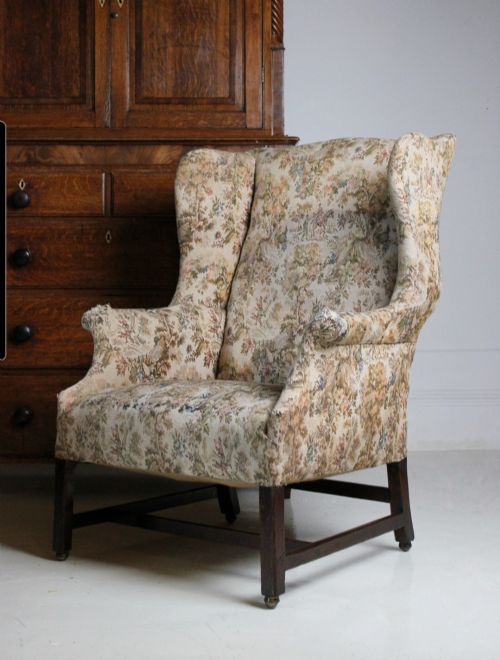
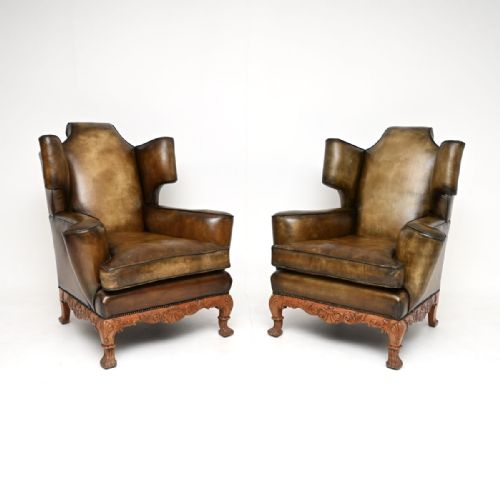
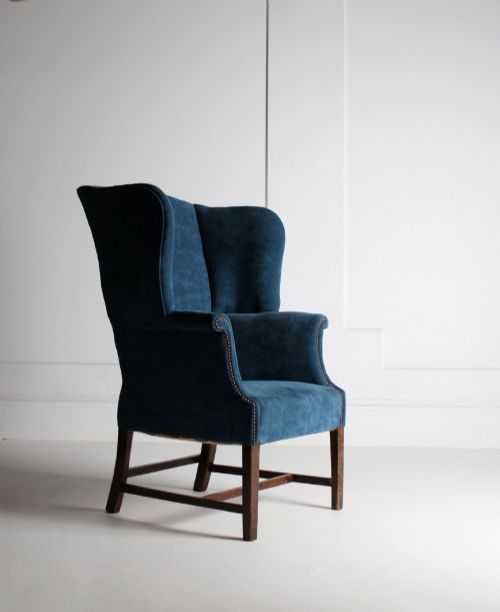
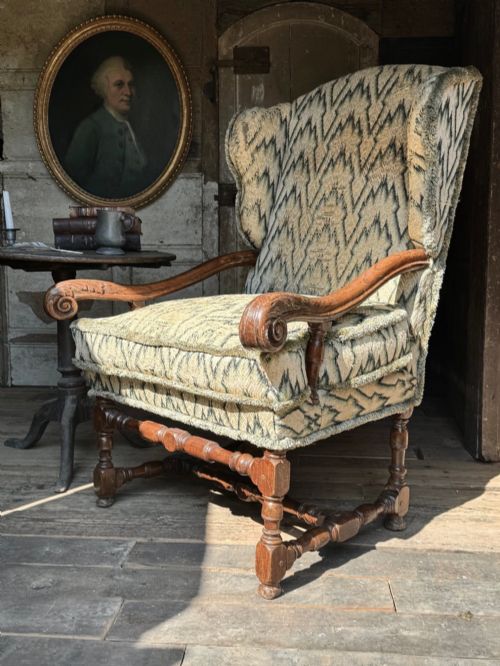
A carved frame wingback chair is a seat designed to keep out draughts, and the pieces found here span centuries of oak, walnut and mahogany construction.
Carved Frame Wingback Chair
When you search for a carved frame wingback chair, you are looking at upholstered seating designed with characteristic side wings to protect the sitter from fireside draughts. The examples on this page range from walnut and oak frames dating to the eighteenth and nineteenth centuries up to later Edwardian and nineteen-twenties iterations.
You are most likely to meet pieces finished in leather, textile or hessian over hardwood frames, with styles stretching from Georgian and Victorian to French Provincial and Arts and Crafts. These armchairs and settees combine structural woodwork with substantial padding to create a commanding fireside presence.
How they were made
Makers constructed these frames using solid hardwoods such as oak, walnut and mahogany, often shaping the timber with carved detail along the legs and arms. Brass details and traditional upholstery materials like leather, textile and hessian completed the build.
Joinery relied on traditional methods to support the weight of the high back and wings, securing the timber frame before the application of webbing, stuffing and the outer covering of fabric or hide.
The furniture spans multiple centuries, incorporating styles from Georgian and Victorian eras through to the early twentieth century.
What varies in quality
The distinction between a standard piece and a superior example rests in the crispness of the timber carving and the architectural proportions of the wings and back. Heavier, more substantial hardwoods command attention through the depth of their craftsmanship and the integrity of the frame.
Originality of materials also shapes the standing of a piece, particularly where period leather, textiles or walnut and mahogany frames remain intact and unaltered by later intervention.
Howard And Sons
The Carved Frame Wingback Chair Glossary
- Wingback
- An armchair featuring protective side panels attached to the arms and rising to shield the head and shoulders from draughts. This form became popular during the seventeenth and eighteenth centuries.
- Hessian
- A coarse woven fabric typically made from jute fibres, utilised as a traditional foundation layer beneath the outer upholstery. It provides internal support for the stuffing.
- Carved frame
- A wooden structural support embellished with decorative chisel work or moulding along exposed sections such as the legs, stretchers and arm terminals.
- Jacobean revival
- A nineteenth-century design style that imitates the heavier, rectilinear furniture forms and dark oak carving of the early seventeenth century.
Carved Frame Wingback Chair: Frequently Asked Questions
What is a wingback chair?
A wingback chair is an upholstered armchair featuring projecting side panels designed to trap heat and block draughts from open fires. The form evolved significantly from early eighteenth-century roots through the Victorian and Edwardian periods.
These chairs serve as traditional fireside seating, combining high backs with substantial armrests to create an enclosed and comfortable seat.
How old is my chair?
Dating relies on examining the timber species, framing techniques and styling cues such as cabriole legs, turned stretchers or revival motifs. Listings here span from the eighteenth century through the Edwardian era and into the nineteen-twenties.
Comparing the secondary woods and the style of carving against known period examples helps narrow down the decade of manufacture.
Are these chairs comfortable?
These armchairs were built for daily use by the fireside, offering deep cushioning and high backs that support the head and neck. The enclosed wings provide a secluded seating experience.
Comfort levels depend on the condition of the internal webbing and stuffing, which vary across different periods and styles.
What woods were used?
The listings show frames constructed primarily from oak, walnut and mahogany, alongside general hardwoods. Oak predominates in earlier pieces, while walnut and mahogany appear frequently in later periods.
These timbers provided the structural strength required to support the heavy wings and tall backrests of the seating.