
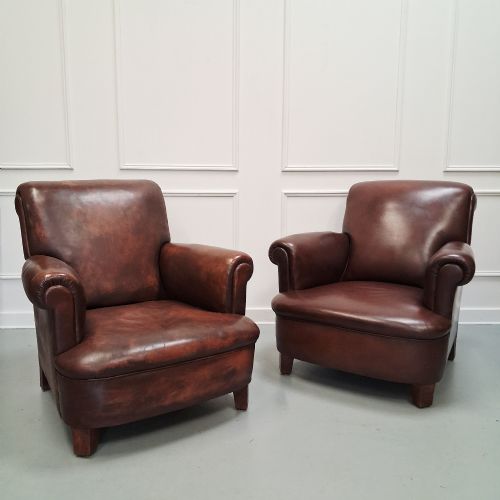
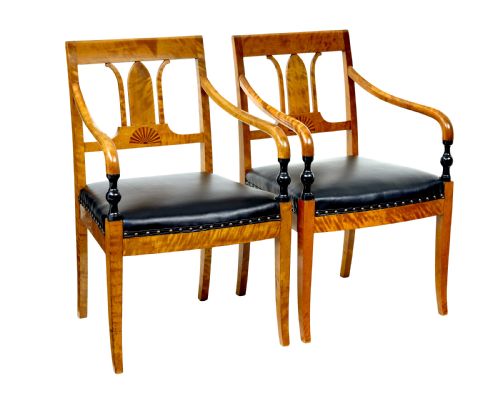
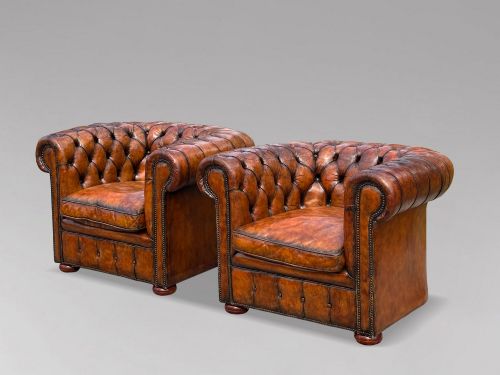
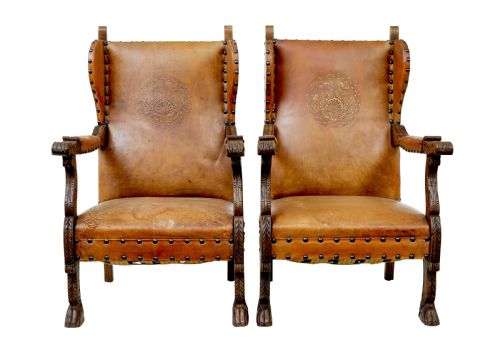
Pair of Leather Armchairs
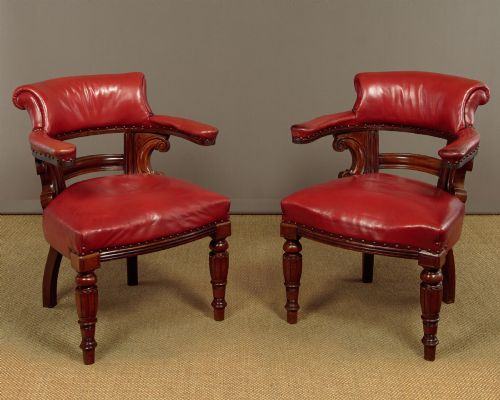
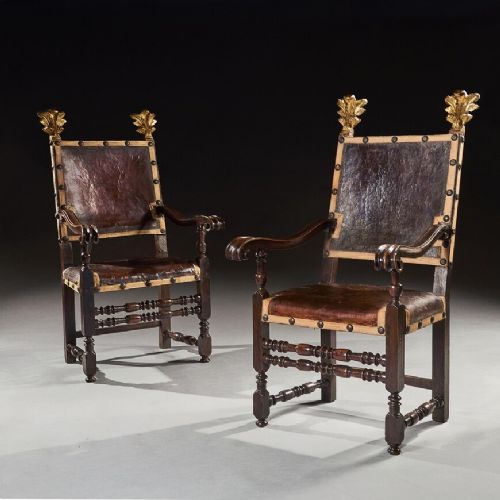
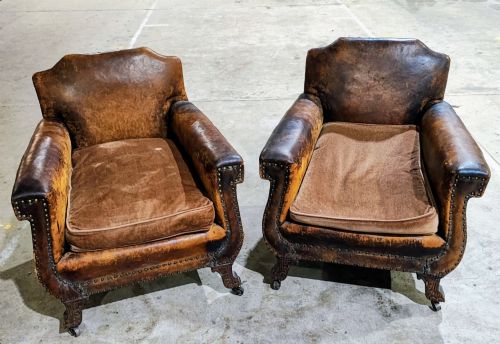
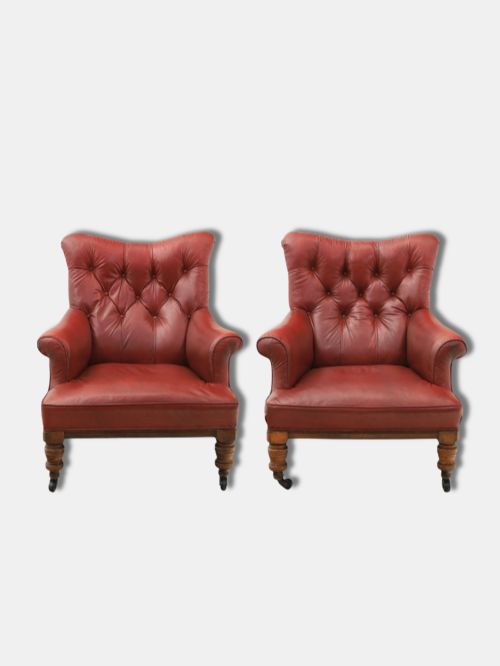
A pair of leather armchairs offers substantial seating, combining robust wood frames with supple hides across Victorian, 19th-century, and 1930s examples.
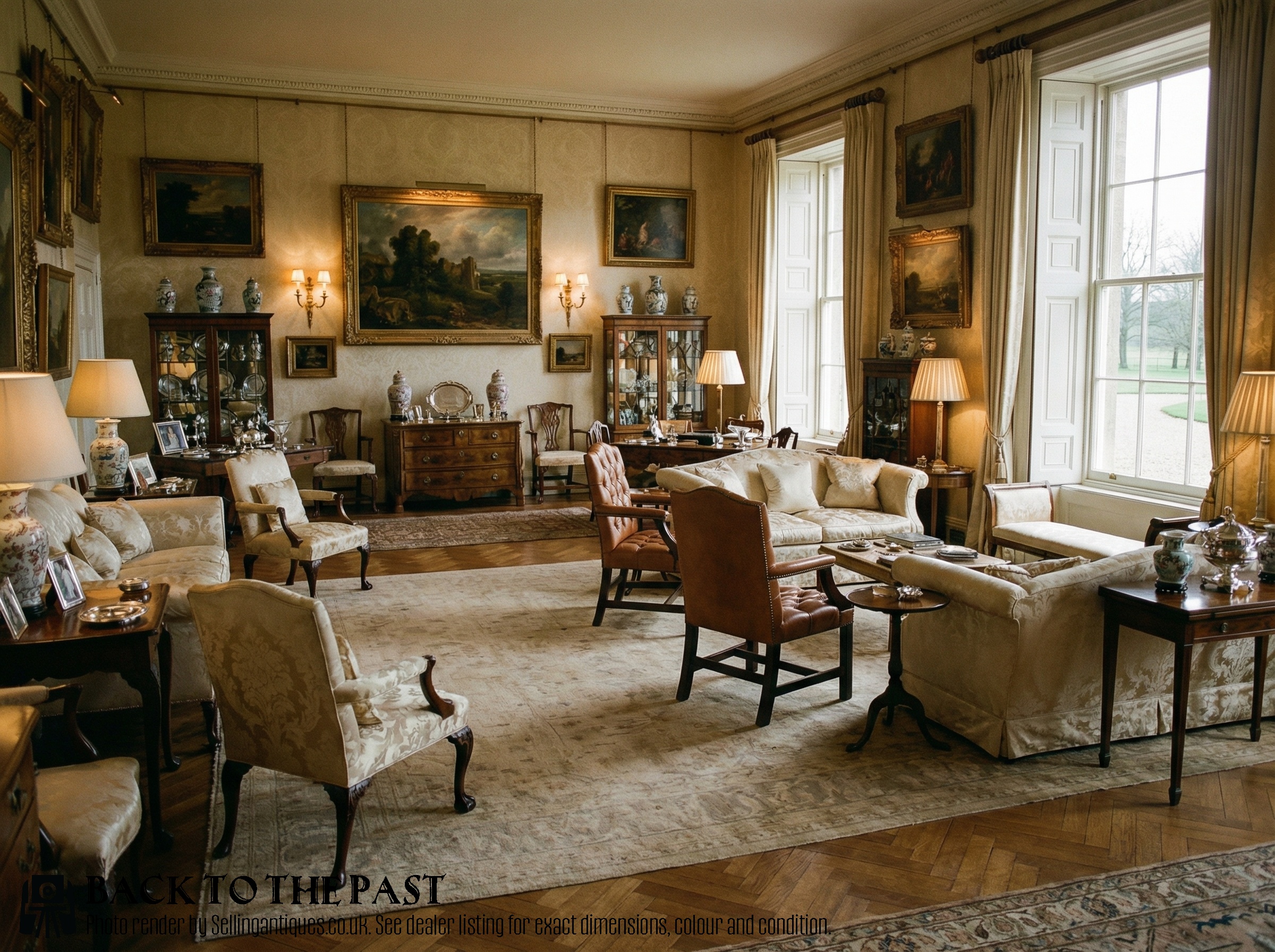
What to look for in a pair of leather armchairs
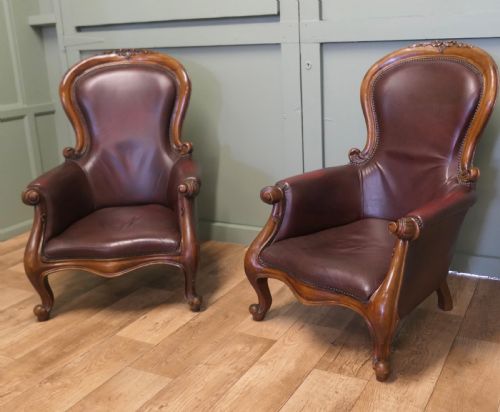
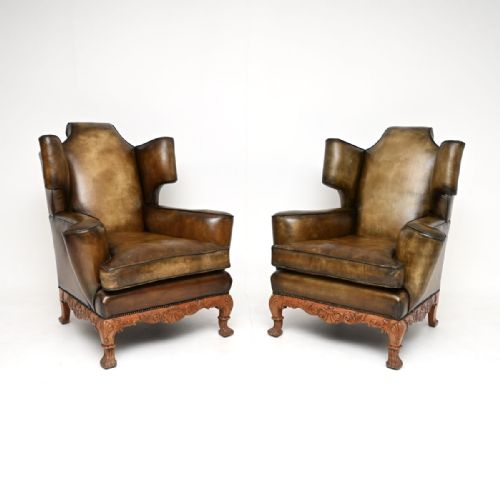
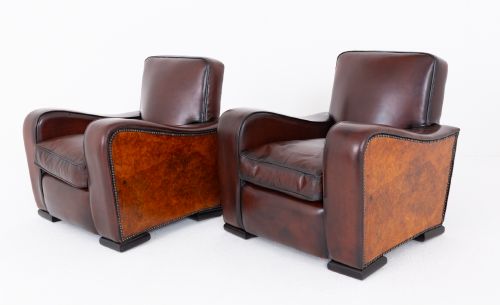
A pair of leather armchairs encompasses club chairs, wing chairs, library armchairs, and carvers originating from Victorian, Regency, and 1930s periods. French and Swedish interpretations appear frequently alongside English walnut and mahogany workshop traditions.
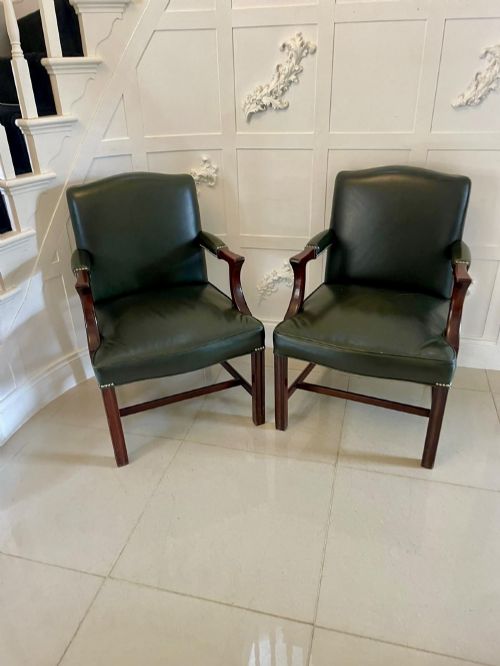
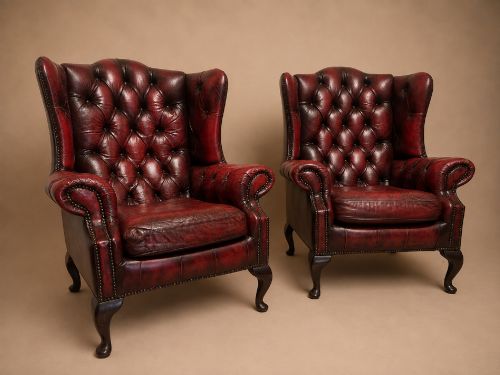
Buyers encounter club chairs with deep seats, high-backed wing chairs, and library armchairs designed for formal rooms or studies. The selection spans George I revival styles, Art Deco influences, and heavily carved Victorian forms.
Most entries pair two matching seats, though variations in wood tone or leather dye emerge across different periods. Walnut and oak frames frequently support the upholstered hides.
Materials and construction
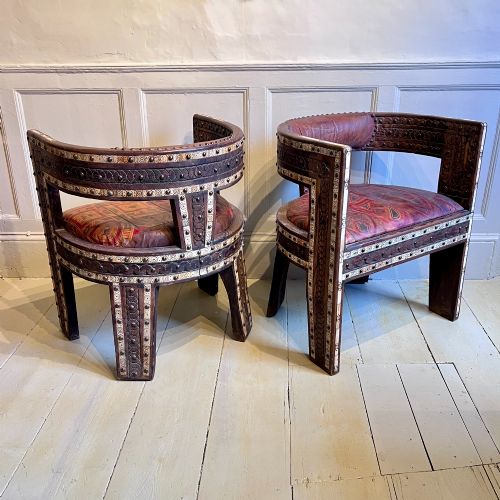
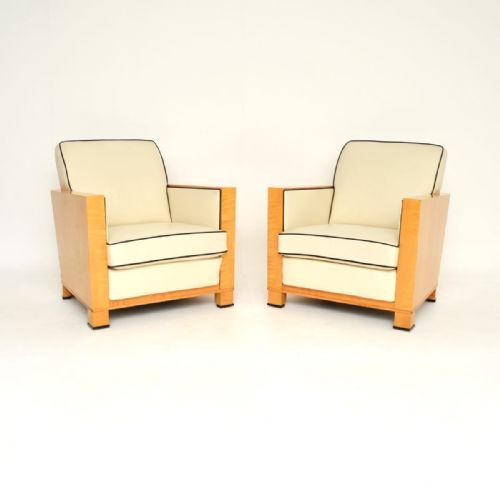
Makers built frames from solid hardwoods including walnut, mahogany, oak, and satin birch, sometimes incorporating brass inlay or cane work. These wooden structures provide the rigid skeleton required to support deep upholstery.
Upholstery relies on leather hides, occasionally hand-dyed or paired with buttoned detailing. Structural assembly draws on traditional joinery methods suited to heavy seating.
Retail Price Guide 2026
Typical UK retail prices for pair of leather armchairs, calculated from the Sellingantiques database of over a million retail prices indexed since 2003. This retail price guide relies exclusively on Sellingantiques data; no external sources or auction records are used, so the figures do not describe the wider market.
The archive records pieces spanning the Victorian era through 1930s French and Swedish workshops.
Distinctions in quality
The finest examples display deeply carved woodwork, superior timber grain in walnut or mahogany, and substantial proportions. Carved Victorian walnut frames and inlaid Regency mahogany sit at the upper end of craftsmanship.
Simpler oak hall chairs or plain club chairs offer functional utility with less decorative carving. The depth of the hide and the integrity of the timber frame dictate the longevity of each piece.
Gordon Russell·Gillows
The Pair of Leather Armchairs Glossary
- Club chair
- A deep, low-slung armchair with upholstered armrests designed for relaxed lounging. These seats often feature rounded backs and soft leather upholstery.
- Wing armchair
- A high-backed chair with projecting side panels intended to shield the sitter from draughts. The wings extend from the armrests up to the back frame.
- Carver
- An armchair designed to sit at the head of a dining table or function as a standalone desk chair. They typically feature open wooden arms.
- Satin birch
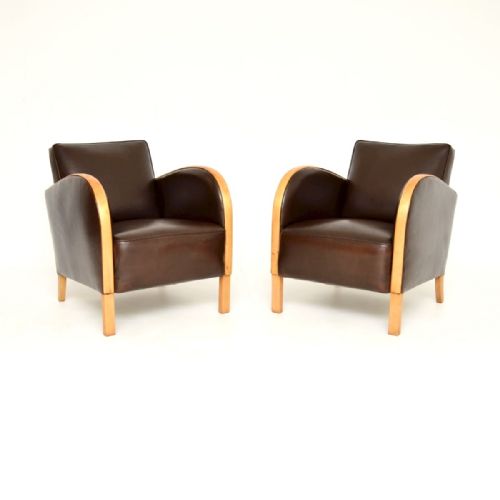
- A pale, highly figured timber used extensively in Swedish Art Deco furniture frames. It provides a contrasting light grain against darker leather.
- Chesterfield
- A style characterised by deep button-tufted upholstery across the back and arms. This method secures the padding into a diamond pattern.
Frequently Asked Questions
How do I date a pair of leather armchairs?
Dating relies on identifying stylistic markers such as Victorian carving, Regency brass inlay, or Art Deco streamlined curves. Wood types like mahogany and satin birch also indicate specific manufacturing eras.
Examinations of the underlying joinery and leather treatment help confirm whether a pair originates from the nineteenth century or the 1930s.
Are these chairs comfortable for daily use?
Most models, particularly club chairs and wing backs, provide deep cushioning and supportive armrests designed for prolonged sitting. Their robust wood frames and upholstered hides withstand regular occupation.
Library armchairs and carvers offer a firmer, more upright seat suited to reading or working at a desk.
What is the difference between club chairs and wing chairs?
Club chairs prioritise low, deep seating with rounded upholstered profiles for relaxation. Wing chairs feature high backs with protective side panels.
Club chairs emerged prominently in 1930s French and Swedish designs, whereas wing chairs span earlier Victorian and Georgian revival periods.
How do I care for antique leather upholstery?
Maintain the hide by keeping chairs away from direct heat sources and strong sunlight that might dry out the material. Regular dusting prevents particle buildup in the creases.
Apply appropriate leather conditioners periodically to preserve the suppleness of hand-dyed or cream leather surfaces.