

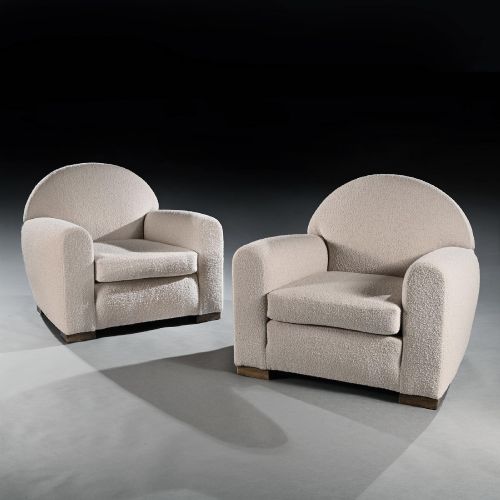
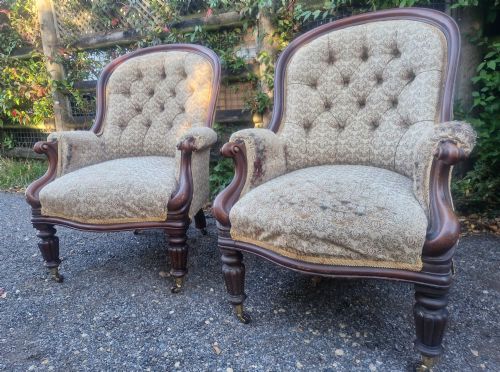
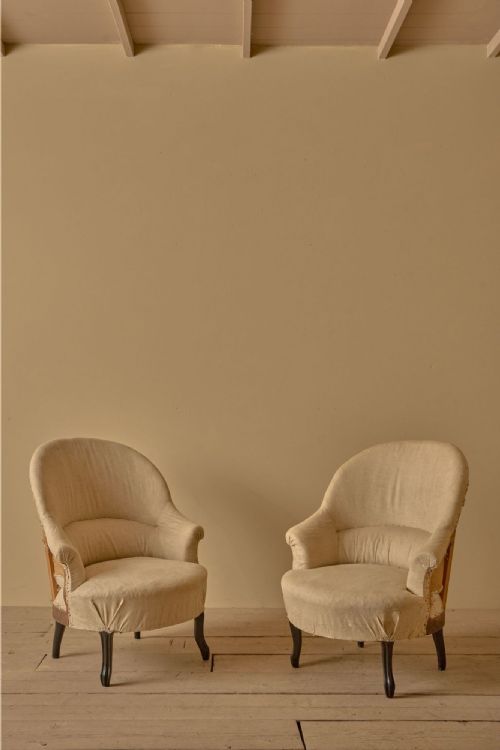
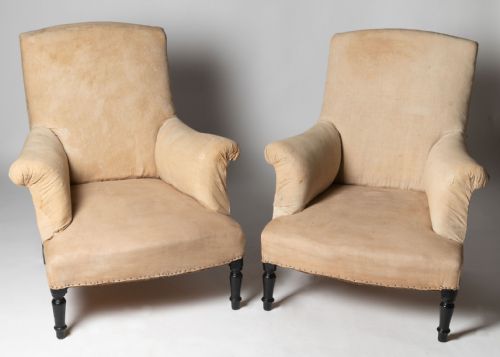
Pair of Club Armchairs
These pair of club armchairs pieces offer robust comfort and distinctive period character, making them a foundational seating choice for traditional and modern interiors alike.
Pair of Club Armchairs
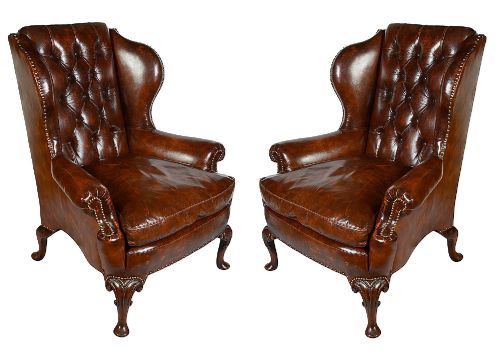
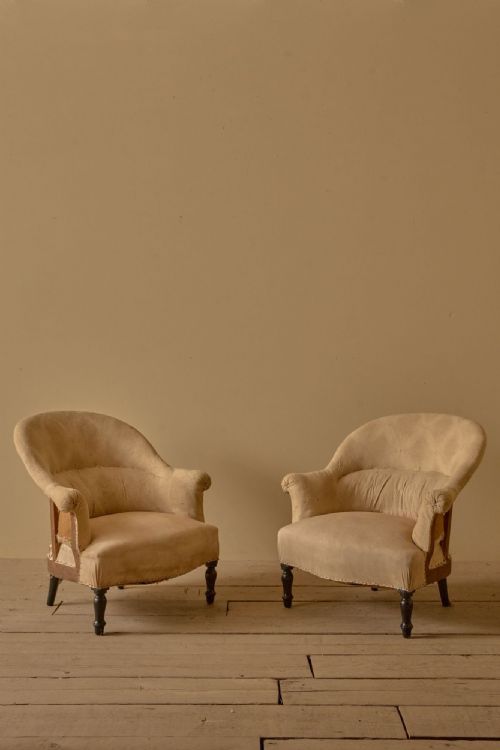
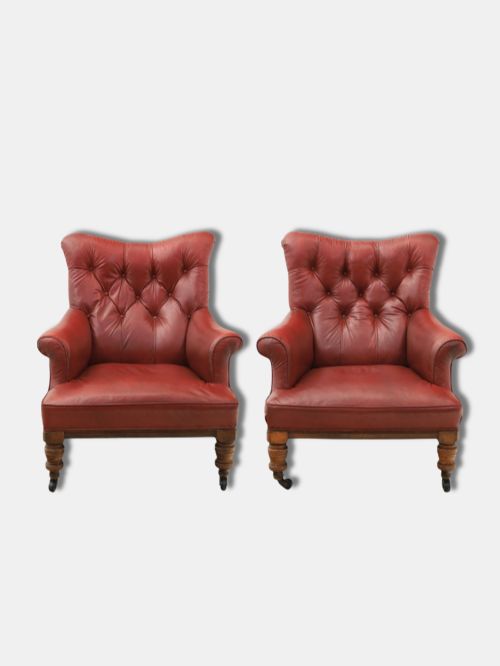
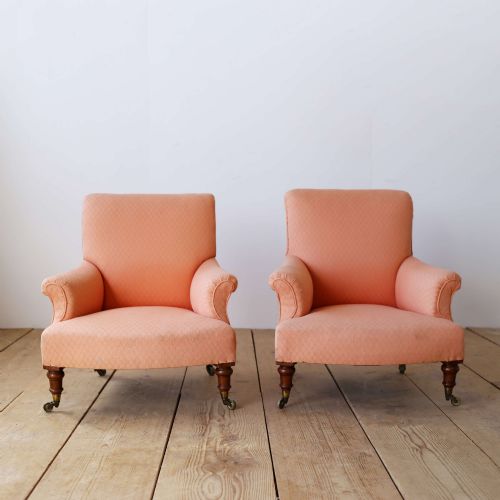
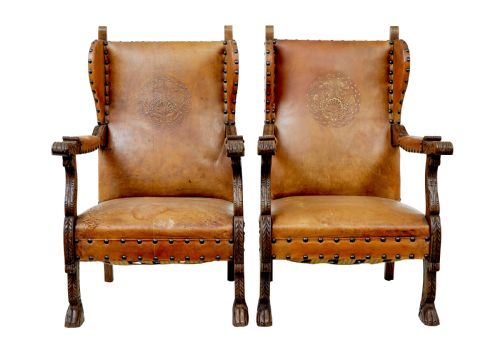
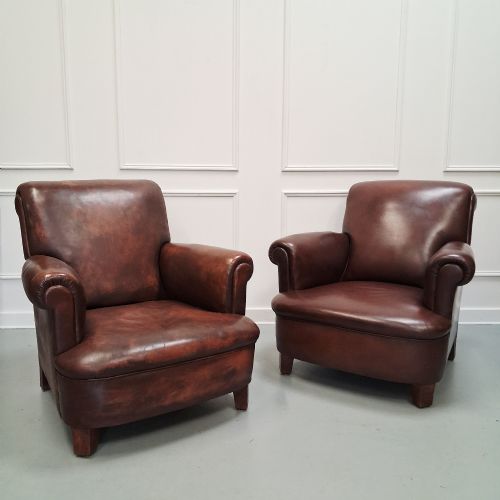
A pair of club armchairs brings substantial seating and deep-seated comfort to a room, usually encountered in leather or upholstered finishes. These sturdy chairs serve as focal points in studies, libraries and living spaces, offering generous proportions designed for relaxation.
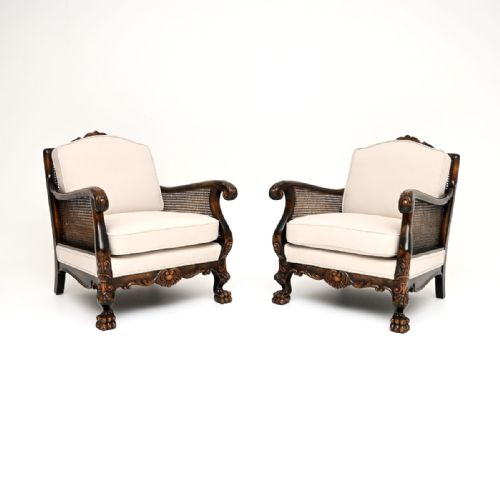
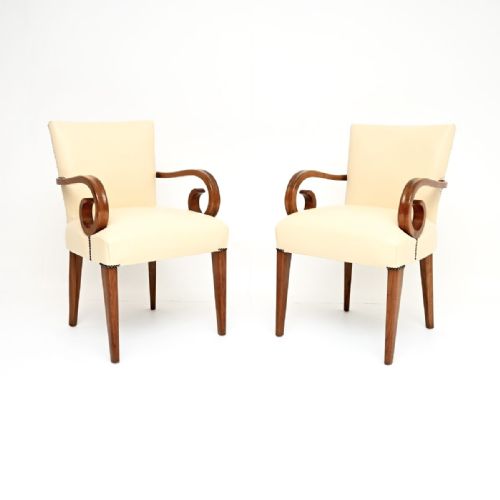
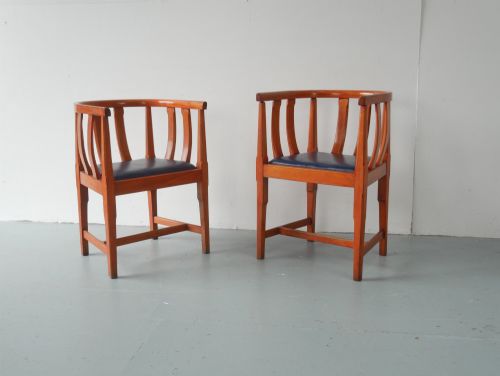
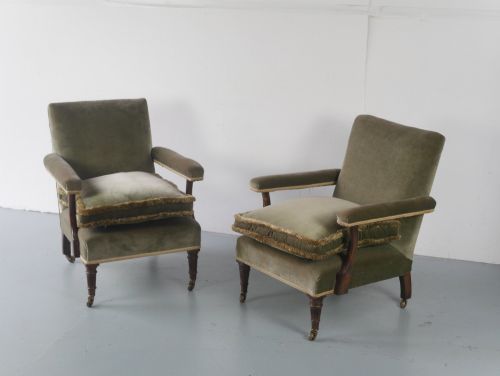
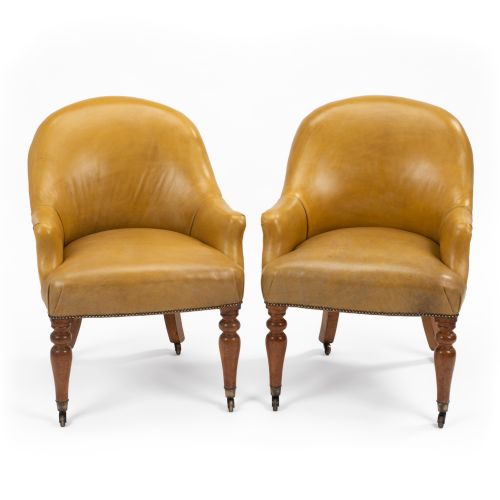
The selections span several distinct eras, with French Art Deco and Swedish Biedermeier examples appearing alongside Victorian and 1930s designs. Buyers most frequently meet brown leather iterations from the early decades of the twentieth century, alongside fabric-covered variations.
How they were made
Construction relies upon robust internal frames fashioned from hardwood, walnut, satin birch, beechwood or oak. These solid skeletons provide the necessary foundation to support heavy daily use over generations.
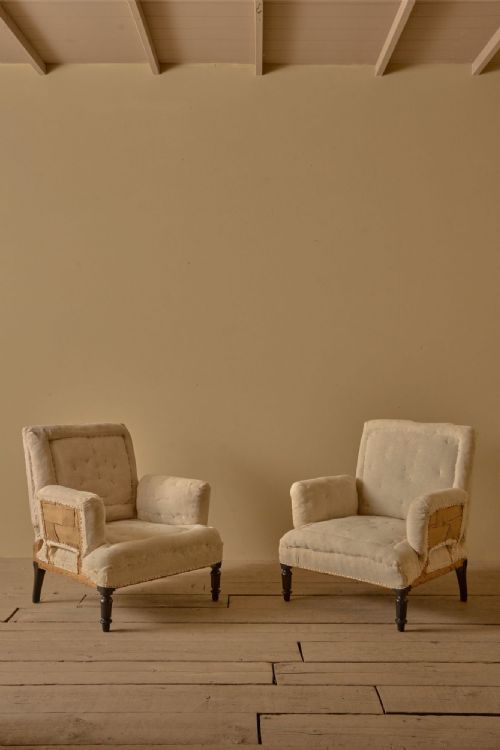
Outer coverings combine durable leather, fabric, and metal or brass details, paired with wood components. Upholstered options utilise traditional stuffing and springs to maintain shape and softness.
Pair of Club Armchairs Retail Price Guide 2026
Typical asking prices for pair of club armchairs among the pieces listed under this phrase on Sellingantiques today, from the lower quarter to the upper quarter. They describe what is for sale here now, not the wider market.
Materials recorded across these listings include leather, wood, satin birch, fabric, metal, hardwood, walnut and brass.
What varies in quality
The distinction between average and exceptional pieces lies in the integrity of the timber frame and the treatment of the hide. Superior examples exhibit rich patination on the leather and uncompromised internal joinery.
Stylistic execution also dictates standing, where clean lines in Art Deco models or precise wood grains in satin birch and walnut elevate the visual impact. The harmony of matching pairs demonstrates the care taken during initial manufacture.
The Pair of Club Armchairs Glossary
- Art Deco
- A design style characterised by sleek geometric shapes and streamlined forms popular during the 1920s and 1930s. It marks many club chairs with distinct proportions.
- Satin Birch
- A pale, lustrous timber native to northern Europe, often utilised in Swedish furniture for a smooth finish. It brings a lighter tone to armchair frames.
- Biedermeier
- A Central European style prioritising utility and clean lines over excessive ornamentation. Swedish interpretations in this vein feature prominently in club chair origins.
- Claw and ball
- A furniture foot motif depicting a bird's talon gripping a spherical object. This detail appears on Victorian wooden elements.
Pair of Club Armchairs: Frequently Asked Questions
How do I clean leather club chairs?
Wipe surfaces gently with a damp cloth and apply a suitable leather conditioner periodically to keep the hide supple. Avoid harsh chemicals that strip natural oils.
Maintain proper humidity levels in the room to prevent the leather from drying out or cracking over time.
What is the difference between Art Deco and Victorian club chairs?
Victorian examples generally incorporate darker woods like walnut or oak, occasionally featuring carved details or bun feet. Art Deco pieces favour streamlined silhouettes and smooth cigar brown leather.
Examining the frame construction and decorative motifs clarifies the specific period of origin.
Can I use these chairs in a modern office?
Desk and library club chairs from Victorian or later eras integrate smoothly into modern workspaces. Their sturdy wooden frames and supportive armrests suit daily seating needs.
Ensure the seat height aligns appropriately with your desk surface for comfortable usage.
How do I identify Swedish club armchairs?
Swedish models frequently utilise light timbers such as satin birch alongside leather upholstery. Their proportions often reflect a restrained Scandinavian aesthetic.
Comparing the wood grain and structural form helps distinguish them from English or French counterparts.